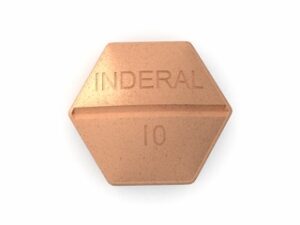
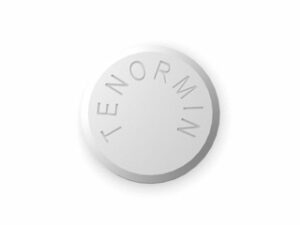
Atenolol (Oral) — Patient-Friendly Guide (Australia)
Atenolol is a widely used medicine in Australia for several heart and circulation conditions. It belongs to a group of medicines called beta-blockers. If you’ve been prescribed or recommended atenolol, this guide explains what it does, how it works, how to take it safely, and what to watch for.
Please note: This information is designed to help you understand atenolol and make safe decisions. Always follow the directions given by your healthcare professional and read the consumer medicine information (CMI) provided with your medicine.
Basic product information
| Item | Details |
|---|---|
| Generic name | Atenolol |
| Medicine type | Beta-blocker |
| Common strengths | Often available as tablets (e.g., 25 mg, 50 mg, 100 mg — brand and pack may vary) |
| Route | Oral (by mouth) |
| Typical dosing frequency | Usually once or twice daily depending on the condition (follow your clinician’s instructions) |
| How it is supplied | Available through pharmacies in Australia according to the medicine’s regulatory status |
How atenolol works (mechanism of action)
Atenolol blocks beta-adrenergic receptors (mainly beta-1 receptors in the heart). This leads to:
- Slower heart rate (reduced “rate” of contraction)
- Reduced force of heart contraction to lower workload
- Lower blood pressure by decreasing cardiac output and easing the strain on blood vessels
- Reduced oxygen demand of the heart (helpful in some angina symptoms)
For some people, these effects can also help control symptoms related to rapid heart rhythm or stress-related palpitations.
Pharmacokinetics (absorption, distribution, metabolism, excretion)
Understanding how the body handles atenolol can help you anticipate how it behaves during daily life.
- Absorption: Atenolol is absorbed after oral dosing. Food can affect the speed of absorption for some people, but overall absorption is usually consistent.
- Onset: Many people notice symptom improvement within hours, while blood pressure benefits continue with regular use.
- Distribution: It distributes into body tissues and acts primarily on beta receptors.
- Metabolism: Atenolol is not extensively metabolised in the liver compared with some other beta-blockers.
- Elimination: It is largely cleared by the kidneys. This is important for people with reduced kidney function.
- Half-life: Atenolol has a relatively long half-life, which is why once-daily dosing is often possible for many indications (depending on individual circumstances).
If you have kidney problems, your prescriber may adjust the dose to reduce the risk of side effects from medicine accumulation.
Typical uses in Australia
Atenolol is used for conditions where slowing the heart and lowering blood pressure can improve symptoms and reduce cardiovascular risk. Common indications may include:
- Hypertension (high blood pressure)
- Angina pectoris (to help prevent or reduce chest pain episodes)
- Some heart rhythm-related symptoms (as determined by the clinician)
- Other cardiovascular conditions where a beta-blocker is appropriate based on a patient’s risk profile and tolerance
Not everyone with these conditions needs atenolol—choice of medicine depends on your history, other medicines, blood pressure, heart rate, and kidney function.
Timing: when to take atenolol
Atenolol is usually taken once daily or twice daily, depending on the indication and the prescribed dose schedule.
- Choose a consistent time: Taking it at the same time each day helps maintain steady effects.
- With or without food: Many people take atenolol with water and can take it with or without food (see food interactions below for details).
- If prescribed twice daily: Aim for roughly 12 hours apart (e.g., morning and evening).
- Do not stop abruptly: Stopping suddenly can worsen angina or trigger other cardiovascular issues. If you need to stop, this should be done under clinician guidance.
If you miss a dose, take it when you remember unless it’s close to the next dose. If it’s close, skip the missed dose and continue as normal. If you’re unsure, ask your pharmacist for advice.
Food interactions
Food interactions with atenolol are generally manageable for most people.
- General guidance: Atenolol may be taken with or without food for many patients. If your medicine instructions specify how to take it (e.g., with food), follow those instructions.
- Speed of absorption: Food may slightly affect absorption speed, which can change how quickly effects are felt—but usually does not remove the overall benefit.
- Grapefruit juice: Unlike some other cardiovascular medicines, atenolol is not commonly associated with major grapefruit interactions. Still, if you drink grapefruit juice regularly, discuss it with your pharmacist.
Practical tip: If you notice blood pressure or heart rate changes related to meal timing, keep a consistent routine (same timing of tablet relative to meals) and inform your healthcare professional.
Alcohol and medicine interactions
Alcohol may increase the risk of side effects such as dizziness, light-headedness, and low blood pressure—especially when starting atenolol or increasing the dose.
- Start cautiously: If you drink alcohol, consider limiting intake until you know how atenolol affects you.
- Watch for warning signs: If you feel faint, unusually tired, or dizzy, avoid further alcohol and seek medical advice if symptoms persist.
- Be careful with driving: The combination of alcohol and beta-blocker effects can impair alertness and coordination.
Alcohol does not “react” with atenolol in the way some medicines do, but it can worsen blood-pressure lowering effects and increase dizziness.
Important medicine interactions
Tell your pharmacist or doctor about all medicines and supplements you take, including over-the-counter products. Atenolol can interact with other medicines in ways that affect heart rate, blood pressure, or kidney function.
Medicines that can add to blood-pressure lowering or slow the heart
- Other beta-blockers or rate-slowing medicines (to avoid excessive slowing)
- Some calcium channel blockers used for heart rate or blood pressure (particularly those that slow heart rate)
- Some antiarrhythmics (rhythm medicines)
Medicines that may reduce blood-pressure control
- Non-steroidal anti-inflammatory drugs (NSAIDs) (e.g., ibuprofen, naproxen) may sometimes reduce blood pressure effects and can affect kidney function in vulnerable patients
Diabetes medicines
- Atenolol can mask some signs of low blood sugar (such as rapid heartbeat). It may still allow other symptoms (like sweating) to occur.
- If you have diabetes and use insulin or tablets, monitor glucose as recommended and discuss hypoglycaemia awareness with your clinician.
Other considerations
- If you use medicines that affect kidney function or fluid balance, your dose and monitoring may need review.
- Always check with a pharmacist before starting any new medicine, including herbal supplements and “cold and flu” products.
Indications (conditions it treats)
In clinical practice in Australia, atenolol is commonly used for cardiovascular conditions where controlling heart rate and blood pressure helps:
- Hypertension to reduce blood pressure and cardiovascular risk
- Angina to help reduce the frequency and severity of chest pain episodes
- Heart-related symptoms (depending on diagnosis and treatment plan)
Your healthcare professional selects atenolol based on your individual medical history, symptoms, and how your body responds to beta-blockers.
Dosing: what is “typical” and what is individual
Dosing varies depending on the condition, your age, kidney function, blood pressure, and heart rate. This section provides general expectations; your exact dose should be based on your clinician’s instructions and the product strength available.
- Starting dose: Often started at a lower dose to assess tolerance (especially in older adults or those with slower heart rates).
- Titration: The dose may be adjusted gradually based on blood pressure readings, symptoms, and heart rate.
- Once vs twice daily: Many people are prescribed once daily; others may require twice daily depending on their condition and response.
- Renal impairment: Because atenolol is mainly cleared by the kidneys, dosing may need adjustment if kidney function is reduced.
Do not change your dose yourself. If side effects occur or your symptoms aren’t improving, speak with your pharmacist or doctor rather than stopping suddenly or doubling doses.
Safety profile: common and serious side effects
Like all medicines, atenolol can cause side effects. Many are mild and improve as your body adjusts, but some require prompt medical attention.
Common side effects
- Fatigue or tiredness
- Dizziness or light-headedness (especially when standing)
- Slow heart rate (bradycardia)
- Cold hands or feet
- Nausea or stomach discomfort
- Sleep disturbance or unusual dreams in some people
Less common but important side effects
- Worsening shortness of breath (particularly in people with asthma or certain lung conditions)
- Depression or mood changes (report if it becomes noticeable)
- Sexual dysfunction in some patients
Seek urgent medical help if you experience
- Fainting or severe dizziness
- Chest pain that is new or worsening
- Severe wheezing or trouble breathing
- Signs of very slow pulse (e.g., marked weakness, confusion)
- Swelling of the face, lips, or throat (possible allergy)
If you have previously had an allergic reaction to atenolol or similar medicines, tell your pharmacist before using it again.
Who should take extra care?
Some groups require careful monitoring or may need alternative treatment. Speak with your clinician if you have any of the following:
- Asthma or chronic obstructive lung disease (beta-blockers can worsen breathing for some people)
- Very slow heart rate or certain heart rhythm problems
- Heart block or other conduction disorders
- Low blood pressure or frequent fainting
- Kidney disease (dose adjustment may be needed)
- Diabetes (hypoglycaemia awareness may be affected)
- Thyroid disease (heart-rate symptoms may be altered)
Practical use tips (getting the best results safely)
- Check your pulse and blood pressure: If you have a home blood pressure monitor, use it as recommended. Keep a log to share with your clinician.
- Stand up slowly: To reduce dizziness, rise slowly from sitting or lying positions.
- Don’t stop suddenly: If you need to stop, dose reduction should be supervised to avoid rebound symptoms.
- Manage missed doses: If you forget a dose, resume normal schedule unless your clinician advises otherwise.
- Be cautious with “cold and flu” products: Some decongestants can raise heart rate or blood pressure.
- Keep appointments: Regular reviews help confirm the medicine is achieving the right balance of blood pressure control and side effects.
Alternative options
Depending on your condition, doctors may consider other beta-blockers or different medicine classes. Alternatives commonly include:
- Other beta-blockers (varies by formulation, dosing frequency, and individual tolerance)
- Calcium channel blockers (often used for hypertension and angina)
- ACE inhibitors or ARBs (often used for blood pressure and certain heart conditions)
- Diuretics (sometimes combined for hypertension)
The “best” option depends on your diagnosis, kidney function, other medicines, side-effect risk, and how well blood pressure or angina symptoms are controlled. Discuss alternatives with your healthcare professional if atenolol doesn’t suit you.
Market and legal context in Australia
In Australia, medicines are regulated by the Therapeutic Goods Administration (TGA). The availability of atenolol depends on its approved status and how it is supplied (e.g., prescription-only or pharmacy-only categories can apply depending on product and regulatory classification). Pharmacies must follow Australian laws regarding dispensing, supply, identity checks, and documentation.
Online pharmacy services in Australia must also meet regulatory requirements for customer information, safe supply practices, and delivery services. Always purchase from a reputable provider and ensure your product is sourced legally and stored appropriately.
Recent guidance and clinical monitoring (general)
Clinical guidance for beta-blockers such as atenolol typically emphasises:
- Individualised dosing based on blood pressure, heart rate, symptoms, and comorbidities
- Safety monitoring for low heart rate, dizziness, and breathing symptoms (especially in people with lung disease)
- Renal considerations due to kidney-based elimination
- Review of interactions, especially with other cardiovascular medicines, diabetes therapies, and NSAIDs
- Patient education to reduce the risk of stopping suddenly or taking interacting medicines
Because individual recommendations can vary, it’s important to follow the latest advice from your healthcare professional and use monitoring strategies agreed to in your care plan.
Delivery and availability (Australia)
Availability of atenolol may vary by strength and brand, but it is generally obtainable through Australian pharmacies. Online pharmacies may offer:
- Home delivery within Australia to eligible addresses
- Packaging suitable for safe transit and compliance with storage requirements
- Tracking and delivery notifications (depending on the supplier)
Delivery times can vary based on your location, stock availability, and order processing times. If you need your medicine urgently, contact the pharmacy customer service team before ordering to confirm current dispatch and delivery estimates.
Storage: Keep tablets in their original packaging and store according to the label instructions (typically away from heat, moisture, and direct sunlight). Keep out of reach of children.
FAQ: Atenolol (patient questions)
1) What is atenolol used for?
Atenolol is used to manage conditions such as high blood pressure and angina, and it may be used for certain heart-rate-related symptoms depending on your diagnosis.
2) How long does it take to work?
Some effects may be noticed within hours, but for blood pressure and long-term symptom control it usually takes regular use over days to weeks. Your clinician may check your readings after starting or changing dose.
3) Should I take atenolol in the morning or at night?
Many people take it once daily at a consistent time. Some prefer morning dosing; others may be advised to take it at night depending on side effects like dizziness or sleep changes. Follow your clinician’s direction and adjust timing only with professional advice.
4) Can I take atenolol with food?
In most cases atenolol can be taken with or without food. If your medicine label or pharmacist has given you specific instructions, follow those.
5) What if I miss a dose?
Take it when you remember unless it’s close to the next dose. If it’s close, skip the missed dose and continue your usual schedule. If you are unsure, ask a pharmacist.
6) Is it safe to drink alcohol while taking atenolol?
Alcohol can increase dizziness and low blood pressure effects. If you choose to drink, do so cautiously—especially at the start of treatment—and avoid if you notice symptoms such as faintness.
7) Can atenolol affect exercise or energy levels?
Some people feel tired or less energetic at first. If you experience persistent fatigue, breathlessness, or dizziness during activity, contact your clinician to review your dose and overall treatment plan.
8) Does atenolol affect diabetes?
Atenolol may mask some symptoms of low blood sugar, such as a fast heartbeat. If you have diabetes, monitor glucose as advised and discuss hypoglycaemia signs with your healthcare professional.
9) Can I stop atenolol suddenly?
Generally, avoid stopping suddenly. Beta-blockers should be reduced gradually under clinician guidance to reduce the risk of rebound symptoms (especially with angina).
10) Are there alternatives if I can’t tolerate atenolol?
Yes. Your clinician may consider other beta-blockers or different medicine classes depending on your condition, heart rate, blood pressure, and risk factors.
When to contact your pharmacist or doctor
Contact your healthcare professional promptly if you experience:
- Frequent dizziness or fainting
- Markedly slow pulse, severe weakness, or confusion
- Worsening breathlessness, wheezing, or new chest tightness
- Symptoms that suggest your condition is not controlled (e.g., increasing angina episodes)
With appropriate monitoring and safe use, atenolol can be an effective treatment for many cardiovascular conditions.