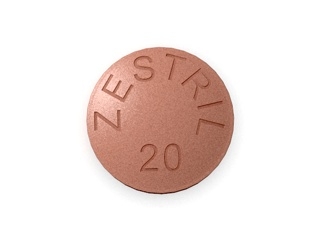

Zestril (Lisinopril) — Patient-Friendly Guide (Australia)
Zestril is a brand of lisinopril, a medicine used to treat several common cardiovascular and kidney conditions. This guide explains how Zestril works, how it is typically taken, key safety information, and practical tips to help you get the most from your treatment.
| Category | Details |
|---|---|
| Generic name | Lisinopril |
| Brand name | Zestril |
| Medicinal class | ACE inhibitor (Angiotensin-Converting Enzyme inhibitor) |
| Common uses | High blood pressure, heart failure, post–heart attack care, and kidney protection in certain patients |
| How it’s taken | Usually once daily by mouth (varies by condition) |
| Onset | Blood pressure effects often begin within hours; full effect may take several days to weeks |
| Key monitoring | Blood pressure, kidney function (creatinine), and potassium levels |
Basic product information
Zestril contains lisinopril as the active ingredient. Lisinopril belongs to the ACE inhibitor family. ACE inhibitors help widen blood vessels and reduce strain on the heart, while also supporting kidney function in appropriate patients.
In Australia, Zestril is widely available through pharmacies and is supported by established clinical use and safety monitoring practices.
How Zestril works (mechanism of action)
Lisinopril blocks the enzyme angiotensin-converting enzyme (ACE). ACE normally helps the body produce angiotensin II, a substance that:
- tightens (constricts) blood vessels, raising blood pressure
- stimulates hormones that increase salt and water retention
- promotes stress on the heart and blood vessel walls
By reducing angiotensin II, lisinopril helps to:
- lower blood pressure
- improve blood flow and reduce workload on the heart
- protect organs in people at risk (including some forms of kidney disease)
ACE inhibitors also reduce breakdown of bradykinin, which may contribute to beneficial effects but can also increase the chance of a dry, persistent cough in some people.
Pharmacokinetics (how the body handles it)
Pharmacokinetics describes what happens to the medicine after you take it.
- Absorption: Lisinopril is absorbed from the stomach and reaches peak levels in the blood typically within several hours.
- Distribution: It circulates in the bloodstream and acts on the renin–angiotensin system.
- Metabolism: Lisinopril is not extensively metabolised by the liver. It is largely eliminated unchanged.
- Elimination: The kidneys remove most of it. This is why kidney function matters for dosing and monitoring.
- Half-life: The drug remains active long enough to support once-daily dosing for many people.
If you have reduced kidney function, your clinician may adjust the dose and monitor potassium and creatinine more closely.
Typical use in Australia
Zestril is used for a range of conditions where ACE inhibitors can help improve outcomes and reduce symptoms or risks. Common indications include:
- Hypertension (high blood pressure)
- Heart failure (often as part of combination therapy)
- After a heart attack (selected patients—especially where evidence supports improved survival)
- Kidney protection in certain patients, particularly where diabetes and/or protein in the urine are present (as clinically assessed)
Your prescriber selects the most appropriate reason for using lisinopril based on your medical history, blood pressure, heart function, kidney status, and lab results.
Timing: when and how to take Zestril
Many people take Zestril once daily. Some regimens may involve different timings depending on your condition and tolerance.
- Choose a consistent time each day to help you remember.
- Try to take it at the same time as part of a routine (e.g., after breakfast or at bedtime).
- If you miss a dose: take it when you remember on the same day. If it is near the next dose, skip the missed dose and continue as normal. Do not take a double dose.
If you feel light-headed after the first dose (especially when starting or after a dose change), taking it at night may help some people—ask your healthcare professional for personalised advice.
Food interactions
Zestril can generally be taken with or without food. Food is not typically a major interaction for lisinopril.
- Take with water and swallow the tablet whole unless your product instructions allow otherwise.
- Consistency helps: if you prefer taking it with a meal, take it that way each day.
If you experience stomach upset or nausea, taking the dose with food may improve comfort.
Alcohol and medicine interactions
Alcohol can affect blood pressure and may increase the risk of light-headedness or fainting, particularly when starting Zestril or after dose changes.
- Aim to limit alcohol and discuss safe amounts with your clinician.
- Be cautious when standing quickly.
- Avoid heavy drinking if your blood pressure runs low or you have heart failure symptoms.
Beyond alcohol, interactions with other medicines are important. Always check with your pharmacist or healthcare professional before adding, stopping, or changing medicines.
Common interaction themes to discuss
- Potassium and potassium-sparing medicines: avoid unnecessary potassium supplements unless advised. Examples include some diuretics and certain supplements.
- Non-steroidal anti-inflammatory drugs (NSAIDs): medicines like ibuprofen, naproxen, and diclofenac may reduce kidney protection and increase kidney stress in some people, especially with dehydration or higher-risk kidney status.
- Diuretics (“water tablets”): starting or changing these can influence blood pressure and kidney function.
- Diabetes medicines: ACE inhibitors can affect blood sugar in some people, so monitoring may be needed.
- Other blood pressure medicines: combining can further lower blood pressure; dose adjustments or monitoring may be required.
- Lithium: lisinopril can increase lithium levels—this combination usually needs specialist oversight.
This is not a complete list. Bring a list of all your medicines (including supplements and herbal products) when discussing Zestril.
Indications (what it’s used to treat)
“Indications” means the medical situations where lisinopril is used. In practice, Zestril is prescribed for:
- Essential hypertension (ongoing high blood pressure)
- Heart failure (symptom relief and improved outcomes)
- After acute myocardial infarction (heart attack) in appropriate patients
- Renal protection in selected patients, particularly those with diabetic kidney involvement or proteinuria, based on clinical assessment
Your clinician will determine the most suitable dose and monitoring schedule for your specific diagnosis and overall health.
Dosing: typical ranges and important adjustments
Dosing varies by condition, blood pressure response, age, and kidney function. For safe use, follow the exact dosing instructions given to you.
- Starting dose: often begins low, especially in people who are older, have kidney impairment, low blood pressure, dehydration, or are taking diuretics.
- Titration: the dose may be increased gradually to achieve a blood pressure and clinical response while minimising side effects.
- Maintenance dose: depends on response and tolerability.
- Kidney function matters: because lisinopril is cleared by the kidneys, dose adjustments may be needed.
Many people take Zestril once daily. In some situations, frequency may differ as determined by your healthcare professional.
Practical example: If your dose is adjusted, it may take days to weeks to observe the full effect on blood pressure, so monitoring remains important.
Safety profile and when to be cautious
Zestril is generally well tolerated for many people when used correctly. However, all medicines can have side effects and risks. The most important safety considerations involve blood pressure, kidney function, and electrolyte balance (especially potassium).
Common or expected side effects
- Dry cough (can occur days to months after starting)
- Dizziness or light-headedness, especially when starting or after a dose increase
- Headache
- Fatigue
- Low blood pressure in some people
Serious but less common risks
- Angioedema: swelling of the face, lips, tongue, or throat. This can be life-threatening.
- Kidney function changes: rises in creatinine or reduced kidney function, more likely in dehydration, renal artery stenosis, or with certain medicine combinations.
- High potassium (hyperkalaemia): which can cause dangerous heart rhythm issues.
- Severe allergic reactions (rare)
- Fainting or falls due to low blood pressure
Seek urgent help if
- you have swelling of the face, lips, tongue, or throat
- you have trouble breathing or swallowing
- you feel faint or collapse
- you develop signs of severe illness with vomiting/diarrhoea and cannot keep fluids down
If you have a history of angioedema or are at higher risk, discuss this with your clinician before starting.
Practical use tips for everyday life
- Monitor your blood pressure: especially at the start of therapy or after dose changes. Home readings can help your clinician adjust treatment.
- Keep lab appointments: kidney function and potassium levels are commonly monitored.
- Stand up slowly: reduce dizziness and risk of falls.
- Hydrate appropriately: dehydration increases the risk of kidney strain and low blood pressure.
- If you’re unwell with vomiting or diarrhoea, contact your healthcare team for “sick day” advice.
- Watch salt substitutes: many contain potassium. Unless advised, avoid using them while on ACE inhibitors.
- Don’t stop suddenly: stopping ACE inhibitors can lead to worsening blood pressure or symptoms. If you think you should stop, seek medical guidance first.
Missed dose and missed refill reminders
- If you miss a dose, follow the guidance above (generally take when you remember unless near the next dose).
- Set reminders to prevent running out—consistent dosing is important for blood pressure control.
Alternative options (if Zestril isn’t suitable)
If Zestril is not suitable—due to side effects, interactions, or medical history—your clinician may consider other options. Alternatives depend on your diagnosis.
Therapeutic alternatives
- ARBs (Angiotensin Receptor Blockers): examples include losartan, valsartan, and telmisartan. These are often used when an ACE inhibitor cough occurs.
- Other antihypertensive classes: calcium channel blockers (e.g., amlodipine), thiazide-like diuretics (e.g., indapamide), beta-blockers (e.g., metoprolol) depending on the condition.
- Diuretics: may be used in specific circumstances for blood pressure control and heart failure management.
Switching between options should be done under clinical guidance to ensure safe blood pressure and kidney monitoring.
Australia market and legal context
Medicines containing lisinopril are widely used across Australia for cardiovascular and renal indications. Zestril is available through the healthcare system, with dispensing handled in line with Australian regulations.
Online pharmacies in Australia typically provide medicines in accordance with relevant laws and professional pharmacy standards, including identity verification, appropriate screening, and advice about how to take medicines safely. Availability and pack sizes may vary by supplier.
Recent guidance and monitoring themes
While individual recommendations vary, current clinical practice commonly emphasises:
- Regular monitoring of blood pressure, kidney function, and potassium—especially after starting or increasing the dose.
- Careful medicine review to avoid combinations that raise potassium or stress kidney function.
- Enhanced caution during illness or dehydration (“sick day” management), since kidney risk can increase.
- Prompt attention to angioedema symptoms (swelling and breathing/swallowing problems).
Always follow the plan provided by your clinician and pharmacist, and ask questions if you are unsure about monitoring.
Delivery and availability (online pharmacy)
Zestril is commonly stocked by pharmacies and may be available in multiple strengths depending on current market supply. Delivery availability varies by location, courier service, and stock levels.
- Check pack strength and quantity before ordering to match your prescribed or intended regimen.
- Allow time for dispatch and delivery—particularly during high-demand periods.
- Store correctly: keep tablets in a cool, dry place, protect from moisture, and keep out of reach of children.
If you need help confirming strength or availability, contact customer support or speak with a pharmacist before placing an order.
FAQ — Zestril (lisinopril)
1) What is Zestril used for?
Zestril (lisinopril) is used to treat high blood pressure, heart failure, and in some patients after a heart attack. It may also be used for kidney protection in selected situations, based on your medical assessment.
2) How quickly does Zestril start working?
Some blood pressure lowering can begin within hours, but the full effect may take several days to a few weeks. If your dose is changed, the same principle applies—monitoring helps confirm the best response.
3) Can I take Zestril with food?
Yes. Zestril is generally safe to take with or without food. Taking it consistently (either with or without a meal) can help you remember and reduce stomach discomfort.
4) Will Zestril cause a cough?
A dry, persistent cough can occur with ACE inhibitors, including lisinopril. If the cough is troublesome, speak to your pharmacist or clinician. They may consider switching to an ARB.
5) What blood tests are usually monitored?
Clinicians commonly monitor kidney function (creatinine/eGFR) and potassium levels, particularly after starting therapy or increasing the dose.
6) Is it safe to drink alcohol while taking Zestril?
Alcohol may lower blood pressure and increase dizziness or light-headedness. Keep alcohol moderate and discuss safe amounts with your healthcare professional—especially if you feel faint.
7) What medicines should I avoid?
Discuss any potassium supplements or salt substitutes, NSAIDs (like ibuprofen), and other blood pressure or diuretic medicines. Some combinations increase risk to kidneys or raise potassium. Always provide a full medication list to your pharmacist.
8) What should I do if I miss a dose?
Take it when you remember on the same day. If it’s close to the next dose, skip the missed dose and continue your usual schedule. Do not take a double dose.
9) Who should be especially cautious?
Extra caution may be needed if you have kidney disease, dehydration, low blood pressure, high potassium, or if you are elderly or taking several medicines that affect kidney function or electrolytes.
10) When should I seek urgent help?
Seek urgent care if you develop facial/lip/tongue swelling, trouble breathing or swallowing, or severe symptoms such as fainting or persistent vomiting that can lead to dehydration.
11) Are there driving or operating machinery considerations?
Some people experience dizziness or fatigue, especially after starting or increasing the dose. If you feel unwell, avoid driving or operating machinery until you know how you respond.
12) Can I use Zestril long-term?
Many people use lisinopril as a long-term treatment for chronic conditions like hypertension and heart failure. Long-term use is typically supported by regular monitoring and ongoing clinical review.
Conclusion
Zestril (lisinopril) is an ACE inhibitor commonly used in Australia to manage blood pressure and support the heart and kidneys in appropriate patients. It works by relaxing blood vessels and altering hormone pathways involved in blood pressure and fluid balance. While many people tolerate it well, safe use depends on correct dosing, regular monitoring, and awareness of key side effects—particularly cough, dizziness, kidney effects, and potassium changes.
If you have questions about your specific treatment plan, side effects, or interactions, your pharmacist is a valuable source of practical, Australia-focused guidance.