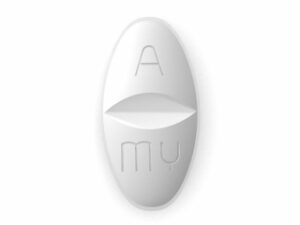


Inderal (Propranolol) — Patient-Friendly Guide (Australia)
Inderal is a brand of propranolol, a medicine commonly used to treat a range of heart- and circulation-related conditions and to help control certain types of tremor and symptoms related to stress hormones. This guide explains how Inderal works, what it is used for, how it’s taken, interactions to watch for, and practical tips to help you use it safely.
Please note: everyone’s situation is different. Always follow your healthcare professional’s directions and read the consumer medicine information (CMI) provided with your specific product.
Basic product information
| Category | Details |
|---|---|
| Medicinal ingredient | Propranolol |
| Brand example | Inderal |
| Drug class | Beta-blocker (non-selective) |
| Main effects | Slows heart rate, reduces blood pressure, decreases force of contraction, and reduces certain “adrenaline” effects |
| Common formulations (varies) | Immediate-release and/or longer-acting forms (depending on product) |
| How it’s supplied | Available via pharmacies in Australia; supply is regulated under Australian medicines scheduling |
How Inderal works (mechanism of action)
Propranolol is a non-selective beta-blocker. It blocks beta receptors (mainly beta-1 and beta-2) in the body. This leads to:
- Slower heart rate and reduced heart workload.
- Reduced blood pressure by decreasing cardiac output and affecting blood vessel tone.
- Reduced effects of adrenaline, which can help with symptoms like tremor, palpitations, anxiety-like physical symptoms, and rapid heartbeat.
- In migraine prevention settings, it helps reduce the frequency of attacks in many patients by stabilising certain nervous and vascular pathways (exact mechanisms are complex).
Pharmacokinetics (how the body processes it)
Understanding pharmacokinetics can help explain dosing frequency and why interactions matter.
- Absorption: Propranolol is absorbed from the gut, but the amount reaching the bloodstream can be variable due to first-pass metabolism (the “first pass” through the liver).
- Onset of effect: You may notice symptom changes within hours, but full therapeutic benefit (e.g., for blood pressure control or migraine prevention) typically takes days to weeks.
- Distribution: It spreads throughout body tissues, including the central nervous system.
- Metabolism: Primarily metabolised in the liver by enzymes (commonly CYP pathways). This is why some medicines can change propranolol levels.
- Elimination: Metabolites are mainly removed via kidneys (urine).
- Half-life: The duration in the body can vary by formulation and individual factors, which influences how often doses are taken.
What Inderal is typically used for
Inderal (propranolol) may be used for a range of conditions. Common indications include:
- High blood pressure (hypertension) — in selected patients.
- Angina (chest pain due to reduced blood flow to the heart).
- Heart rhythm control — such as some forms of tachycardia (fast heart rate) or palpitations related to beta-adrenergic activity.
- Prevention of migraine in patients where appropriate.
- Tremor (for example, essential tremor) — helps reduce physical shaking.
- Thyroid-related symptoms in certain situations to manage symptoms of increased thyroid hormone activity (it does not treat the underlying thyroid condition, but may relieve symptoms).
- Some performance-anxiety symptoms where physical symptoms (like shaking and palpitations) are prominent (clinical use varies).
Inderal’s suitability depends on your medical history, including your heart rate, blood pressure, lung health, and other medications.
When to take Inderal (timing and missed doses)
Timing
- Consistency matters: Take your dose at the same time(s) each day to maintain steady effects.
- With or without food: Many people can take propranolol with food to reduce stomach upset; however, exact advice depends on the specific formulation.
- Immediate-release vs long-acting: Some products are taken multiple times daily, while others are designed for once-daily dosing. Follow your product instructions or healthcare directions.
If you miss a dose
- Take it when you remember if it’s not close to the next dose.
- If close to the next dose, skip the missed dose and take your next dose at the usual time.
- Do not double up to compensate unless a clinician advises it.
Food interactions
Food usually doesn’t cause dangerous interactions, but it can affect how propranolol is absorbed and how you feel after taking it.
Common considerations
- Taking with meals may help if you experience nausea or stomach discomfort.
- High-fat meals may change absorption for certain formulations; if you notice different effects after changing your meal pattern, discuss it with your healthcare professional.
Grapefruit and similar products
Some foods and beverages can influence liver enzymes involved in drug metabolism. While grapefruit’s effect on propranolol can vary, it’s wise to discuss consistent grapefruit intake with your pharmacist if you are sensitive to medication changes.
Alcohol and medicine interactions
Alcohol can increase side effects such as dizziness, drowsiness, and low blood pressure. Because Inderal already lowers heart rate and blood pressure, combining it with alcohol may make you feel faint, especially when you first start treatment or after a dose increase.
Practical advice
- Limit alcohol and monitor how you feel.
- Be cautious when standing up if you feel light-headed (avoid driving if you feel impaired).
- Avoid binge drinking, which increases the risk of dehydration and blood pressure swings.
Medicines that may interact with Inderal
Interactions can increase risk or reduce effectiveness. Examples include:
- Other blood pressure or heart medicines (e.g., other beta-blockers, some calcium channel blockers) may overly slow the heart.
- Antiarrhythmics or medicines that affect heart rhythm.
- Diabetes medicines:
- Beta-blockers can mask early symptoms of low blood sugar (like fast heartbeat).
- They may also affect how the body responds to hypoglycaemia.
- Clonidine: stopping clonidine suddenly can be risky; do not adjust without guidance. Beta-blockers are also involved in heart rate responses.
- Antidepressants and antipsychotics can interact in ways that affect heart rhythm or drug levels.
- Non-steroidal anti-inflammatory drugs (NSAIDs) may reduce the blood-pressure-lowering effect in some people.
- Some asthma/COPD medicines:
- Because propranolol is non-selective, it may reduce the effectiveness of certain bronchodilators or worsen breathing for some patients.
- Medicines affecting liver enzymes (some antibiotics, antifungals, and other drugs) may raise or lower propranolol levels, changing side-effect risk.
This is not a complete list. Always tell your pharmacist about all medicines and supplements you use, including herbal products.
Dosing (general information)
Dosage varies widely depending on the condition being treated, age, kidney/liver function, and how you respond. Your healthcare professional will set an appropriate starting dose and may adjust it gradually.
Typical principles
- Start low and adjust: To reduce the risk of side effects like dizziness or bradycardia (slow heart rate).
- Regular dosing: Some regimens require multiple daily doses; others use longer-acting forms.
- Do not stop suddenly: Stopping beta-blockers abruptly can cause rebound effects such as increased heart rate, chest pain, or worsening of angina in some patients.
Common dosing ranges (for patient awareness)
The exact range depends on the formulation and indication. The following is provided for general orientation:
- Immediate-release propranolol: often taken several times per day.
- Long-acting/extended-release forms: often taken once daily.
Because of wide variation, it is safest to refer to your specific product’s label and your clinician’s plan.
Indications explained: what conditions does it help?
Hypertension and angina
By reducing heart workload and helping control blood pressure, propranolol can be used in selected patients. It’s not always the first choice for every person with high blood pressure, but it may be beneficial depending on your overall cardiovascular plan.
Heart rhythm symptoms
If you experience episodes of fast heartbeat due to increased adrenergic activity, propranolol may help slow the rate and reduce palpitations.
Migraine prevention
For migraine prevention, propranolol may reduce frequency and severity for some people. It may take several weeks to judge effectiveness.
Tremor
Propranolol can help reduce the physical symptoms of certain tremors, especially action tremor in essential tremor.
Thyroid symptoms
When thyroid hormone levels are high, physical symptoms such as palpitations and tremor can occur. Propranolol can help manage these symptoms while the underlying condition is treated.
Safety profile (what to watch for)
Like all medicines, Inderal can cause side effects. Many are dose-related and may improve as your body adjusts.
Common side effects
- Tiredness or reduced exercise tolerance
- Dizziness or light-headedness (especially when standing up)
- Cold hands and feet
- Slow heart rate (bradycardia)
- Sleep disturbance or vivid dreams
- Nausea or stomach discomfort
- Reduced libido in some people
Serious side effects—seek urgent help
Contact emergency services or seek urgent medical care if you experience:
- Fainting, severe dizziness, or signs of very low blood pressure
- Chest pain that is new or worsening
- Severe shortness of breath, wheezing, or trouble breathing (especially if you have asthma/COPD)
- Signs of an allergic reaction such as swelling of the face/lips, hives, or difficulty breathing
- Very slow pulse or irregular heartbeat with symptoms
- Severe low blood sugar symptoms if you have diabetes (beta-blockers may mask early warning signs)
Who needs extra caution
- Asthma or chronic obstructive pulmonary disease (COPD): non-selective beta-blockers may worsen breathing.
- Diabetes: masking of hypoglycaemia symptoms and changes in response.
- Low heart rate, certain heart conduction problems, or heart block: higher risk of bradycardia.
- Peripheral circulation problems (may worsen coldness or pain in limbs).
- People prone to depression: mood changes have been reported with beta-blockers in some cases.
- Thyroid disease: propranolol may mask fast heartbeat; thyroid treatment still needs to be managed.
Pregnancy and breastfeeding (general guidance)
If you are pregnant, trying to conceive, or breastfeeding, discuss propranolol with a clinician. Beta-blockers can have implications for the baby/newborn depending on dose, timing, and maternal health.
Practical use tips (how to get the best benefit)
- Check your pulse and blood pressure if advised. If your heart rate becomes very slow or you feel faint, contact a healthcare professional promptly.
- Rise slowly from sitting or lying to reduce dizziness.
- Track your symptoms (e.g., frequency of migraines or tremor severity) to help judge whether the medicine is working.
- Don’t stop suddenly. Ask your clinician how to taper if needed.
- Plan for exercise: if you feel reduced stamina, discuss safe activity and whether adjustments are needed.
- Tell other clinicians (dentists, specialists, emergency staff) that you take propranolol.
- Be mindful with new medicines: start any new drug (including antibiotics or antifungals) with pharmacist guidance due to potential interactions.
Alternative options (if Inderal is not suitable)
Depending on your condition, alternatives may include:
- Other beta-blockers (some are “cardioselective,” which may be preferable in people with asthma—your clinician can advise).
- Calcium channel blockers for blood pressure or certain rhythm control needs.
- Anti-migraine preventive medicines (for example, other classes used for migraine prevention).
- Tremor-specific approaches including other medications or non-drug strategies, depending on the type of tremor.
- For anxiety-like physical symptoms, clinicians may consider other strategies or therapies when appropriate.
The best option depends on your diagnosis, co-existing health conditions, and medication profile.
Market and legal context in Australia
Medicines in Australia are regulated through the Australian Register of Therapeutic Goods (ARTG) and scheduled under the Poison Standard, which determines whether a medicine is available without a prescription or requires restricted supply.
Many beta-blockers are supplied through pharmacy channels and may require appropriate clinician involvement depending on product scheduling, patient age, and intended use. Online pharmacy orders are typically handled with safety checks and compliance with Australian regulations, including identity verification where needed and appropriate guidance from qualified pharmacy staff.
Recent guidance and monitoring (general)
Ongoing Australian medicines safety guidance emphasises:
- Careful assessment before starting beta-blockers, especially for breathing conditions and heart conduction issues.
- Monitoring vital signs (heart rate and blood pressure) during titration.
- Reviewing medication lists to reduce interaction risks.
- Individualised tapering plans to avoid rebound symptoms if discontinuing beta-blockers.
Your pharmacist can help you check whether your current medicines create any significant interaction risk with propranolol.
Delivery and availability (Australia)
Inderal/propranolol is commonly available through Australian pharmacies. Online pharmacies typically offer:
- Home delivery to eligible addresses within Australia.
- Tracking for parcels (depending on the supplier and service level).
- Secure packaging to protect tablets/capsules during transit.
- Supply checks to ensure the correct product strength and formulation are dispensed.
Availability can vary by brand and formulation. If a particular strength or release type is temporarily unavailable, your pharmacy may offer an alternative brand or formulation that contains propranolol (subject to clinical appropriateness and availability).
If you have questions about delivery timelines, remote area service, or substitution options, contact the pharmacy’s support team before placing an order.
FAQ: Inderal (Propranolol) — common questions
1) How long does it take for Inderal to work?
Some effects (such as reduced palpitations or tremor) may be noticed within hours. For chronic conditions like migraine prevention or longer-term blood pressure control, it can take several days to weeks to see full benefit.
2) Can I drink alcohol while taking Inderal?
Moderate alcohol may be possible for some people, but it can increase dizziness and low blood pressure. It’s best to limit alcohol and monitor your symptoms, especially when starting or after dose changes.
3) What should I do if my heart rate becomes very slow?
If you feel unwell (faintness, severe dizziness, chest pain, or shortness of breath) or your heart rate is extremely low, seek urgent medical help. Otherwise, contact your pharmacist or prescriber promptly to review dosing.
4) Why do I feel tired or dizzy?
These are common beta-blocker side effects, particularly during dose initiation or titration. Rising slowly, taking doses consistently (and with food if advised), and checking blood pressure/heart rate (if instructed) may help. If symptoms are significant, discuss with your healthcare professional.
5) Can Inderal help with anxiety?
Propranolol can help with physical symptoms such as tremor or palpitations that occur during performance situations or stress. It does not treat the underlying anxiety condition itself; a clinician can advise on whether it’s appropriate for you.
6) Is it safe to stop Inderal suddenly?
Do not stop abruptly unless a clinician instructs you. Beta-blockers can cause rebound effects such as increased heart rate or worsening chest pain. Tapering is often recommended.
7) Does propranolol affect asthma?
Because propranolol is non-selective, it may worsen asthma or breathing difficulties in some patients. If you have asthma/COPD, discuss with your clinician before use and report any wheeze or shortness of breath immediately.
8) How does Inderal interact with diabetes medicines?
Propranolol can mask early signs of low blood sugar (like a fast heartbeat). People with diabetes should monitor blood glucose closely and discuss hypoglycaemia management with their healthcare team.
9) What other medicines should I be careful with?
Pay special attention to medicines affecting heart rhythm, blood pressure, liver metabolism, asthma treatment, and diabetes medicines. Always provide your full list of medications to your pharmacist for an interaction check.
10) Can I take Inderal with other caffeine or energy drinks?
Caffeine doesn’t typically create a direct dangerous interaction, but it may counteract some of the effects (e.g., palpitations). If you notice symptoms, reduce caffeine and discuss it with your pharmacist or prescriber.
Key takeaways
- Inderal (propranolol) is a non-selective beta-blocker that slows heart rate and reduces adrenergic symptoms.
- It is used for conditions such as hypertension, angina, rhythm symptoms, migraine prevention, and tremor (depending on individual suitability).
- Side effects can include tiredness, dizziness, cold extremities, and slow heart rate.
- Be cautious with asthma/COPD, diabetes, and medicines that affect heart rate or liver metabolism.
- Do not stop suddenly; tapering advice should come from a clinician.
- Online pharmacy supply in Australia is subject to regulatory and safety checks to ensure the correct product and safe use.
If you have concerns about whether Inderal is right for you or you’re unsure about interactions with your current medicines, speak with a pharmacist. They can help you make safe choices and optimise your treatment plan.