Hydrochlorothiazide (HCTZ) – Patient Information for Australia
Hydrochlorothiazide is a well-established medicine used to help manage fluid retention (oedema) and high blood pressure. It belongs to a group of medicines called thiazide diuretics (“water tablets”). This page explains how hydrochlorothiazide works, how to take it safely, what to expect, and key interaction and safety considerations for people in Australia.
Basic product information
- Medicine name: Hydrochlorothiazide (HCTZ)
- Medicine type: Thiazide diuretic (water tablet)
- Common forms: Oral tablets
- What it’s used for: High blood pressure; oedema related to certain conditions (and sometimes as part of combination therapy)
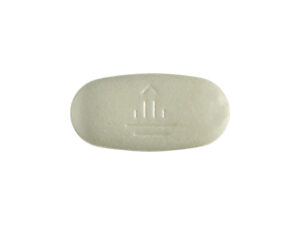
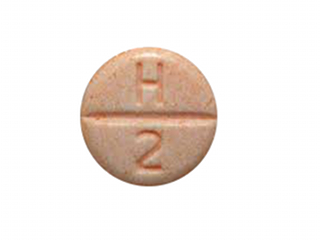
Brand names vary by manufacturer, and strengths may differ. Always check the strength stated on your pack (e.g., 12.5 mg, 25 mg). If you are unsure which product you have, speak with a pharmacist.
How hydrochlorothiazide works (mechanism of action)
Hydrochlorothiazide helps the kidneys remove extra salt (sodium) and water from the body. It works mainly in the distal convoluted tubule of the kidney by reducing sodium reabsorption. As sodium leaves the body, water follows—leading to an increased urine output.
The reduction in fluid volume and salt levels contributes to:
- Lowering blood pressure over time
- Reducing fluid retention (oedema) in suitable conditions
- Supporting the effectiveness of some other blood pressure medicines when used in combination
Pharmacokinetics (how the body handles the medicine)
Pharmacokinetics describes absorption, distribution, metabolism and elimination. While individual experiences can vary:
- Absorption: Hydrochlorothiazide is absorbed after oral dosing.
- Onset: Diuretic effects often begin within a few hours.
- Peak effect: Peak blood levels commonly occur a few hours after taking a dose.
- Duration: The diuretic effect typically lasts about several hours, but the blood pressure benefit develops over days to weeks.
- Elimination: The medicine is largely excreted by the kidneys (so kidney function matters).
If you have kidney disease or reduced kidney function, your clinician/pharmacist may adjust the plan or monitor you more closely.
Typical uses in practice
In Australia, hydrochlorothiazide is used for:
- Hypertension (high blood pressure): Often used alone in selected people or more commonly as part of combination therapy.
- Oedema (fluid retention): In certain conditions where fluid balance needs management (e.g., some heart-related or kidney-related situations), depending on the overall treatment plan.
Your treatment should match your health situation. If you are taking it for blood pressure, your focus is long-term cardiovascular risk reduction. If you are taking it for fluid retention, your focus is symptom relief and prevention of complications from fluid build-up.
When to take it (timing and routine)
Hydrochlorothiazide is usually taken once daily in the morning. This timing helps reduce the chance of needing the toilet during the night.
- Morning dosing: Commonly preferred to minimise nocturia (night-time urination).
- Multiple doses: Some regimens may involve more than one daily dose; follow your medication schedule.
- Try to take it at the same time each day to maintain stable effect.
If you feel unsure about your schedule, ask your pharmacist to confirm how your specific product should be taken.
Food interactions and diet considerations
Hydrochlorothiazide can generally be taken with or without food. However, diet and salt intake can influence your response and safety.
- Salt (sodium): Very high salt intake can reduce blood pressure improvements. Very low salt intake may increase risk of dehydration or electrolyte problems.
- Potassium: Thiazides can lower potassium levels. Your doctor may advise increased potassium intake through diet (if appropriate for you) or prescribe a potassium-sparing strategy.
- Hydration: Drink fluids regularly, especially during hot weather or if you’re more active.
If you have heart failure, kidney disease, or are on other medications affecting potassium, you should discuss diet changes with a pharmacist or clinician first.
Alcohol and medicine interactions
Alcohol can affect blood pressure and may increase side effects such as dizziness or light-headedness. When combined with hydrochlorothiazide, alcohol may contribute to:
- Lower blood pressure (possible dizziness, faintness)
- Dehydration or stronger diuretic effects
Consider limiting alcohol intake and avoid heavy drinking. If you notice dizziness when standing, be cautious and speak to a healthcare professional.
Tell your pharmacist about all medicines and supplements you use, including herbal products and “natural” remedies, as these can also affect electrolyte balance or blood pressure.
Medicine interactions (important)
Hydrochlorothiazide can interact with other medicines—especially those affecting electrolytes, blood pressure, kidney function, or fluid balance. Always review your full medication list with a pharmacist.
Common categories of interactions
- Other blood pressure medicines: May increase the risk of low blood pressure.
- NSAIDs (e.g., ibuprofen, naproxen): Can reduce the blood pressure and diuretic effect and may affect kidney function.
- Lithium: HCTZ can increase lithium levels, increasing toxicity risk.
- Corticosteroids (e.g., prednisone): May increase potassium loss.
- Laxatives: May worsen electrolyte losses if used regularly.
- Digitalis (digoxin): Low potassium increases the risk of digoxin side effects.
- Electrolyte-altering medicines: Some diuretics or medicines affecting sodium/potassium may require monitoring.
- Diabetes medicines: HCTZ can raise blood glucose in some people; monitoring may be needed.
Electrolyte-related caution
Hydrochlorothiazide can lower potassium and sometimes magnesium. In some people, it can also raise uric acid, potentially triggering gout in those susceptible. This is why monitoring may be advised, particularly at higher doses or if you have other risk factors.
Indications (what it treats)
In clinical practice, hydrochlorothiazide is indicated for:
- Hypertension: To lower blood pressure and reduce related cardiovascular risk.
- Oedema: To reduce fluid retention associated with certain medical conditions, as part of an overall treatment plan.
It is not a “quick fix.” Blood pressure benefits generally develop over days to weeks, while diuretic effects may be noticeable sooner.
Dosing guidance (typical starting points)
Dosing depends on the reason for use, your kidney function, age, other medicines, and your response. Below are general dosing ranges commonly used; your pharmacist or clinician will provide a personalised plan.
| Condition (common use) | Typical dosing approach | Key notes |
|---|---|---|
| Hypertension | Often once daily, starting with a low dose | May be adjusted based on blood pressure response and blood tests (e.g., electrolytes, kidney function) |
| Oedema / fluid retention | Typically once daily (or sometimes divided dosing depending on the plan) | Weight change, symptoms, and electrolyte levels may guide adjustments |
| Combination therapy | Sometimes used with other blood pressure medicines | Combination products may be used to improve effectiveness and reduce side effects vs higher-dose monotherapy |
Do not change your dose without medical advice. If you miss a dose, take it when you remember unless it is close to the next dose—then skip and continue your usual schedule. If you are unsure, ask your pharmacist.
How long it takes to work
- Diuretic effect: Often within a few hours of taking a dose.
- Blood pressure lowering: May begin within days, with full benefit often taking several weeks.
- Fluid reduction: Symptom improvement may be seen over the first days, depending on the cause of oedema.
If blood pressure readings remain high or you have persistent swelling, contact your healthcare provider rather than stopping the medicine.
Safety profile (what to watch for)
Like all medicines, hydrochlorothiazide can cause side effects. Many people tolerate it well, especially at appropriate doses with periodic monitoring. However, some side effects may require prompt medical attention.
Common or expected effects
- Increased urination (especially after the first doses)
- Headache or mild dizziness
- Muscle cramps or weakness (may be related to electrolyte changes)
Important electrolyte and metabolic effects
- Low potassium (hypokalaemia): can cause cramps, weakness, palpitations.
- Low sodium (hyponatraemia): can cause confusion, severe fatigue, headache; more likely in vulnerable people.
- Increased uric acid: may trigger gout attacks in susceptible individuals.
- Raised blood sugar: may be seen in some people with diabetes or pre-diabetes.
Seek urgent medical help if
- Fainting or severe dizziness
- Signs of an allergic reaction (swelling of face/lips, trouble breathing, hives)
- Severe muscle weakness, confusion, or persistent vomiting
- Signs of serious irregular heartbeat (e.g., palpitations with dizziness)
- Severe sudden pain/swelling in the joint (possible gout flare)
Practical use tips for best results
- Take it in the morning to reduce night-time bathroom trips.
- Maintain adequate hydration, especially during hot weather, exercise, or illness.
- Stand up slowly if you feel light-headed.
- Keep track of blood pressure if you’re using it for hypertension. Home readings can help your clinician adjust therapy.
- Attend regular monitoring if your doctor requests blood tests (commonly electrolytes and kidney function).
- Be aware of gout risk if you have a history of gout.
- Use consistent diet habits rather than extreme salt restriction unless advised.
Alternative options (depending on your condition)
If hydrochlorothiazide is not suitable or not providing enough benefit, there are alternative approaches. Options depend on the reason for treatment, your medical history, and other medicines.
Alternative diuretics
- Chlorthalidone: Another thiazide-like diuretic with longer duration for some people.
- Loop diuretics (e.g., furosemide): Often used for more significant fluid overload.
- Potassium-sparing diuretics (e.g., spironolactone): Can help protect potassium; used for specific indications.
Alternative blood pressure strategies
- ACE inhibitors, ARBs, calcium channel blockers, and beta-blockers may be considered depending on your overall health.
- For many people, combination therapy achieves better control than increasing one medicine alone.
Your pharmacist can discuss options in general terms, but the best alternative depends on your medical profile and goals.
Market and legal context for Australia (availability and regulation)
In Australia, medicines are regulated under the Australian regulatory framework. Availability depends on the product classification and the specific formulation/strength. Many diuretic medicines may require pharmacist involvement for safe dispensing.
When using an online pharmacy, reputable providers typically require appropriate health checks and may request information relevant to safety (e.g., current medicines, medical conditions, and intended use). This helps ensure appropriate counselling and safe supply.
Always follow the instructions supplied by your healthcare professional and the product label.
Recent guidance and monitoring considerations
While specific “recent guidance” can vary over time and by condition, current clinical practice emphasises:
- Electrolyte monitoring (especially potassium and sodium) for people at higher risk or on longer-term therapy.
- Kidney function checks when clinically indicated, particularly if you have kidney impairment or are older.
- Assessment of side effects such as dizziness, muscle cramps, gout symptoms, or changes in blood sugar.
- Use of home blood pressure readings to help guide ongoing management.
If you have diabetes, gout, kidney impairment, or are taking multiple medicines that affect electrolytes or blood pressure, monitoring becomes even more important.
Delivery and availability (online pharmacy)
Hydrochlorothiazide is commonly available via pharmacies across Australia. Online pharmacies may offer:
- Home delivery to metro and regional areas
- Discrete packaging
- Tracking updates depending on the courier service
Delivery times vary by location and stock status. Check the website’s delivery information for estimated timeframes and any regional constraints. If a product is temporarily unavailable, some pharmacies can suggest alternatives with similar dosing options (subject to suitability).
Frequently asked questions (FAQ)
1) What is hydrochlorothiazide used for?
It is used to help treat high blood pressure and fluid retention (oedema) in certain conditions. It acts as a thiazide diuretic by helping your kidneys remove extra salt and water.
2) When should I take it?
Most people take hydrochlorothiazide in the morning to reduce night-time bathroom trips. Take it at the same time each day unless your clinician advises otherwise.
3) Can I take it with food?
Yes, it can usually be taken with or without food. If it upsets your stomach, taking it with food may help.
4) Will I urinate more after taking it?
Yes. Because it increases urine production, you may notice more urination, particularly after the first doses. This is expected for many people. Taking it in the morning can make this easier to manage.
5) How quickly will it lower my blood pressure?
Some benefit may begin within days, but the full blood pressure effect often takes several weeks. Keep using it as directed even if you feel well—blood pressure control helps reduce long-term risk.
6) What side effects should I watch for?
Common issues include increased urination and mild dizziness. Important warning signs include muscle cramps/weakness (possible electrolyte changes), severe dizziness or fainting, symptoms of allergic reaction, confusion, or signs of irregular heartbeat.
7) Can it cause gout?
It may increase uric acid levels and can trigger gout in susceptible individuals. If you have a history of gout, tell your pharmacist/clinician and watch for flare symptoms.
8) Does hydrochlorothiazide affect potassium?
Yes. Thiazide diuretics can lower potassium. Your clinician may recommend dietary adjustments or monitoring, and in some cases may adjust your overall regimen. Do not start potassium supplements unless advised.
9) Is it safe with alcohol?
Alcohol can worsen dizziness and contribute to dehydration. Keep intake modest and be cautious if you feel light-headed, especially when standing up.
10) What if I miss a dose?
Take it when you remember unless it is close to your next dose. If it’s near the next dose, skip the missed dose and continue your schedule. If you’re unsure, ask your pharmacist.
11) Do I need blood tests?
Depending on your risk factors and duration of therapy, your clinician may check electrolytes and kidney function. Monitoring is especially important if you are older, have kidney disease, diabetes, or symptoms suggesting electrolyte imbalance.
12) What are possible alternatives if it doesn’t suit me?
Alternatives include other diuretics or different classes of blood pressure medicines. The best choice depends on the underlying condition and your other health factors. Your pharmacist can help you understand general options and suitability.
Key takeaways
- Hydrochlorothiazide helps lower blood pressure and reduce fluid retention by increasing urine output and salt loss.
- Take it in the morning to reduce night-time urination for many people.
- Watch for dizziness, muscle cramps, signs of electrolyte imbalance, and gout symptoms.
- Inform your healthcare team about all medicines and supplements to check for interactions.
- Monitoring (electrolytes and kidney function) may be recommended, especially if you’re higher risk.
If you have questions about your specific product strength, dosing schedule, or side effects, speak with your pharmacist. They can also guide you on what to do if you miss a dose or feel unwell while taking hydrochlorothiazide.