Pulmicort (Budesonide) – Patient-Friendly Guide (Australia)
Pulmicort is a brand of medicines containing budesonide, an inhaled corticosteroid used to reduce inflammation in the airways. It is commonly prescribed to help control asthma and certain other chronic inflammatory conditions of the lungs.
This guide explains how Pulmicort works, how it is used, what to expect, and important safety information for people in Australia. Always follow the instructions provided by your healthcare professional and the information on the product label.
Quick Facts
- Active ingredient: Budesonide
- Medicine type: Inhaled corticosteroid (anti-inflammatory)
- Common uses: Ongoing control of asthma; sometimes used for other inflammatory airway conditions
- Key benefit: Reduces airway inflammation and helps prevent symptoms
- Not usually for quick relief: A reliever inhaler is typically used for sudden symptoms
Basic Product Information
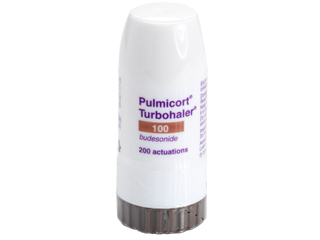
Pulmicort contains budesonide. Budesonide is a corticosteroid medicine designed to act mainly in the lungs when inhaled. Pulmicort products are available in different inhalation forms (for example, via nebuliser in some settings and via inhaler devices depending on the product brand/strength available).
What it may look like / how it’s used
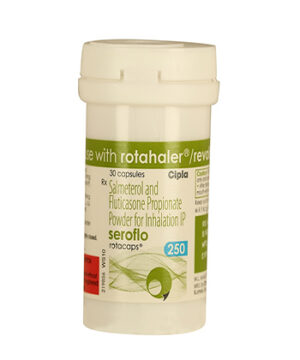
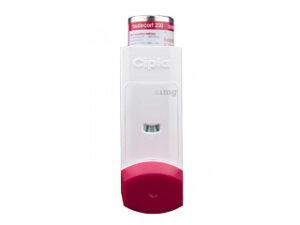
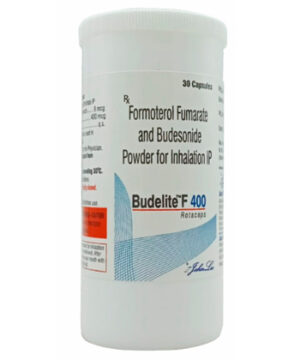
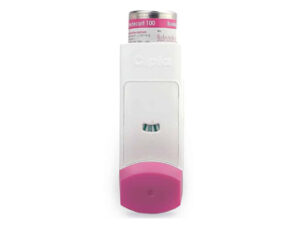
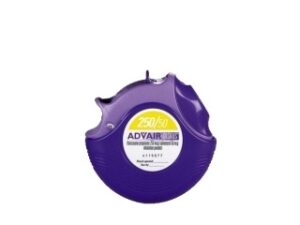
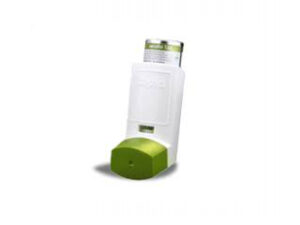
Your exact device may vary by strength and formulation. Common options in Australia include nebuliser solutions (used with a compressor and nebuliser cup/mouthpiece/mask). Some patients may use an inhaler device depending on the specific Pulmicort product available.
Tip: Check the outer packaging and the instruction leaflet for the exact device type and technique for your version of Pulmicort.
How Pulmicort Works (Mechanism of Action)
In asthma and other chronic airway conditions, the lining of the airways can become inflamed and sensitive. Budesonide is a corticosteroid that helps “calm down” this inflammation.
After inhalation, budesonide binds to glucocorticoid receptors in airway cells. This leads to changes in gene expression that reduce inflammatory substances and help decrease airway swelling, mucus production, and bronchial reactivity.
- Reduces airway inflammation (the core problem in many asthma cases)
- Improves airflow over time by reducing swelling and irritation
- Helps prevent symptoms such as wheeze, coughing, chest tightness, and breathlessness
Pharmacokinetics (What the Body Does With It)
Pharmacokinetics describes how the medicine is absorbed, distributed, metabolised, and eliminated. Because budesonide is inhaled, most of its effect is targeted to the lungs, with some absorption into the bloodstream.
Absorption and distribution
- Budesonide delivered by inhalation reaches the lungs, where it exerts its local anti-inflammatory effect.
- A portion may be swallowed and absorbed through the gastrointestinal tract, although inhaled use aims to keep systemic exposure relatively low.
Metabolism
- Budesonide is mainly metabolised in the liver by an enzyme system (primarily CYP3A4).
- This metabolism generally reduces systemic activity, but certain medicines that affect CYP3A4 can change budesonide levels.
Elimination
- Metabolites are eliminated primarily through the kidneys (urine) and to a lesser extent via other pathways.
Clinical relevance: People who take medicines that strongly inhibit liver enzymes (for example, some antifungals or antiviral medicines) may experience higher budesonide exposure. Your pharmacist or doctor can advise on interaction risk.
Typical Use and Timing
Pulmicort is used to control chronic airway inflammation, so regular use is usually the goal. Many people do not feel an immediate effect comparable to a reliever inhaler.
When it starts working
- Some improvement may be noticed within days.
- Full benefit may take longer (often about 1–2 weeks, sometimes more depending on severity and adherence).
How to time your dose
Your prescribed regimen may involve one or more doses per day. For many inhaled corticosteroid schedules:
- Take doses at consistent times each day.
- If you are using a device that requires repeated steps (e.g., nebuliser), ensure adequate preparation time and cleanliness of equipment.
- Do not stop suddenly without medical advice, particularly if symptoms are controlled on the medicine.
Important: If you are using a separate reliever (such as a short-acting bronchodilator), follow your action plan for sudden symptoms. Pulmicort is not usually meant to relieve acute attacks on its own.
Indications (When Pulmicort May Be Used)
In Australia, budesonide-containing products are commonly used for conditions where inhaled steroid therapy helps reduce airway inflammation. Indications may vary by formulation and patient age group.
Common reasons healthcare professionals may recommend budesonide include:
- Asthma maintenance therapy to help reduce symptoms and flare-ups.
- Chronic inflammatory airway disease where inhaled corticosteroids are appropriate (specific indications depend on product formulation and local clinical guidance).
Note: Exact indications can differ by age, formulation, and strength. Always refer to the specific Consumer Medicine Information (CMI) for your product.
Dosing (General Information)
Dose depends on age, severity of the condition, formulation, and how well your symptoms are controlled. Your clinician will set the appropriate dose and schedule.
Because Pulmicort products come in different strengths and devices, it is not appropriate for this general information page to provide a single universal dosing chart. Instead, use the sections below as a guide to what dosing typically considers.
Factors that influence dose
- Age (adult vs paediatric dosing can differ)
- Severity and frequency of symptoms
- Response to treatment (symptom control may allow dose adjustment)
- Concomitant medicines (for example, whether a long-acting bronchodilator is also used)
- Device/formulation (nebuliser solution vs inhaler device)
How to use the correct dose
- Measure accurately (especially with nebuliser solutions).
- Don’t double up if you miss a dose unless your clinician advises it.
- If you have trouble using your device or you are unsure about technique, ask your pharmacist or nurse for demonstration.
If you miss a dose: Take it when you remember unless it’s close to the next dose. If you’re unsure, ask your pharmacist for advice based on your dosing schedule.
Food Interactions
Because budesonide is primarily delivered to the lungs, food interactions are generally not a major concern. However, some inhaled corticosteroid products may have a portion swallowed after inhalation, and this can be affected slightly by individual circumstances.
- In general, you can take Pulmicort with or without food.
- If you notice throat irritation after doses, rinsing your mouth (and gargling if recommended) after use can help.
Practical tip: Maintain good oral hygiene. Mouth rinsing after inhalation is a key step to reduce the risk of oral thrush.
Alcohol Interactions
Alcohol is not usually a direct interaction with inhaled budesonide in the way it interacts with some other medicines. However, alcohol can worsen asthma control in some people by affecting sleep, triggering reflux, or irritating the airways.
- If alcohol triggers your symptoms, consider limiting intake and follow your asthma action plan.
- If you have frequent asthma symptoms, discuss alcohol use with your healthcare professional.
Medicine Interactions (Important)
Budesonide is metabolised mainly via CYP3A4 in the liver. Medicines that inhibit or induce this enzyme can affect budesonide exposure. This can influence the risk of side effects (for example, systemic corticosteroid effects) and potentially effectiveness.
Potential interaction types
- CYP3A4 inhibitors (may increase budesonide levels): examples may include some antifungal medicines and certain antiviral medicines.
- CYP3A4 inducers (may decrease budesonide levels): some medicines can reduce effectiveness.
- Other corticosteroids: taking multiple steroid-containing medicines may increase overall steroid exposure.
What to do
- Tell your pharmacist or doctor about all medicines you take, including over-the-counter products and supplements.
- Seek advice before starting new medicines, especially antibiotics, antifungals, or antivirals.
Practical example: If you are prescribed an antifungal or antiviral, ask whether your budesonide dose needs review.
Safety Profile and Side Effects
Like all medicines, Pulmicort can cause side effects. Most people tolerate inhaled budesonide well, especially when used correctly. Side effects depend on dose, duration, and individual risk factors.
Common side effects
- Hoarseness or voice changes
- Sore throat or throat irritation
- Oral thrush (candidiasis) – white patches in the mouth or soreness
- Cough after inhalation (sometimes from the device or technique)
- Headache (in some people)
How to reduce local side effects
- Rinse your mouth after use (and gargle if recommended).
- Use the correct inhalation technique.
- Check for thrush symptoms; if present, contact your pharmacist or doctor for treatment guidance.
Serious (less common) side effects – seek advice promptly
- Severe allergic reactions (swelling, rash, breathing difficulty)
- Worsening breathing or severe wheeze not responsive to your usual reliever plan
- Signs of systemic steroid effects with higher doses or long-term use (your clinician will monitor when relevant)
Children and long-term use considerations
In paediatric asthma, inhaled corticosteroids are widely used because their benefits typically outweigh risks. Clinicians aim for the lowest effective dose. If budesonide is used long-term, growth and general health may be monitored as part of routine care.
Practical Use Tips (How to Get the Best Results)
1) Use the right technique
- Follow the specific instructions for your device (nebuliser vs inhaler).
- Keep inhalation steps slow and controlled where appropriate.
- If you are unsure, ask for a technique check at a pharmacy or clinic.
2) Rinse your mouth every time
- After using Pulmicort, rinse your mouth with water and spit it out (unless your product instructions say otherwise).
- This helps reduce the risk of oral thrush and hoarseness.
3) Keep equipment clean (nebuliser use)
- Wash nebuliser parts after each use according to the product’s instructions.
- Store dry parts safely to reduce contamination.
- Replace worn parts as recommended.
4) Don’t use it as a “rescue” medicine
Pulmicort is aimed at controlling inflammation over time. If you have sudden symptoms, use your prescribed reliever according to your action plan.
5) Track symptom control
- Note symptoms, nighttime waking, need for reliever, and any triggers.
- Report patterns to your clinician—dose adjustments may be needed.
Alternative Options
If you cannot tolerate Pulmicort, if it does not control symptoms well enough, or if a different formulation is more suitable, healthcare providers may consider alternative treatments. Alternatives can include:
- Other inhaled corticosteroids (similar “controller” class, different molecules)
- Combination controller medicines that pair an inhaled corticosteroid with a long-acting bronchodilator (for selected patients)
- Non-steroid controller therapies depending on diagnosis and severity
- Reliever medicines for quick symptom relief (short-acting bronchodilators)
Your clinician will choose alternatives based on your diagnosis, symptoms, technique, previous response, and risk factors.
Market and Legal Context for Australia
In Australia, medicines are regulated by the Therapeutic Goods Administration (TGA). Inhaled corticosteroids such as budesonide are established medicines used in respiratory care.
Availability and dispensing rules can depend on product type, formulation, and strength. Medicines may be supplied through pharmacies with appropriate patient information and supply conditions.
What this means for you: For safe use, ensure your pharmacy has your current medication list and that you receive the correct Consumer Medicine Information (CMI) for your specific product.
Recent Guidance and Clinical Updates (General)
Respiratory care guidance can evolve based on new evidence and changes in best practice. In recent years, common themes in asthma management have included:
- Using inhaled anti-inflammatory therapy consistently to prevent flare-ups
- Ensuring proper inhaler or nebuliser technique and regular review of symptom control
- Step-wise adjustment: increasing or reducing controller treatment depending on control
- Monitoring potential side effects, especially with higher doses or long-term use
If you have asthma, discuss your management plan during routine reviews. If symptoms worsen, seek medical advice promptly rather than adjusting controller doses on your own.
Delivery and Availability (Online Pharmacy in Australia)
Pulmicort/budesonide products are commonly stocked by Australian pharmacies, including online pharmacy services where available. Availability depends on the specific product formulation (for example, nebuliser vs inhaler), strength, and current supplier supply.
- Delivery: Delivery times vary by location and stock status.
- Packaging: Products should be supplied in original manufacturer packaging with labeling and patient information.
- Storage: Follow the storage instructions on the label (generally keep in a cool, dry place and protect from heat/moisture as directed).
Tip: If you use a nebuliser, keep spare supplies and ensure your equipment is functioning before refills run low.
FAQ – Pulmicort (Budesonide)
1) Is Pulmicort the same as a reliever inhaler?
No. Pulmicort is an anti-inflammatory controller medicine. Reliever medicines are used for quick relief of sudden symptoms. If you are unsure which device is your reliever, ask your pharmacist.
2) How long does Pulmicort take to work?
Some improvement may be seen within days, but the best results often take longer (commonly 1–2 weeks). Continue regular dosing as directed for consistent control.
3) Should I rinse my mouth after using Pulmicort?
Yes. Rinsing (and gargling if recommended for your product) helps reduce the chance of oral thrush and hoarseness.
4) Can children use Pulmicort?
Budesonide is used for paediatric respiratory conditions under clinical guidance. Dose and device instructions depend on the child’s age and the specific product formulation. Ask your healthcare professional if you have any concerns.
5) What should I do if I get thrush?
If you notice white patches in the mouth, soreness, or persistent mouth discomfort after using Pulmicort, contact your pharmacist or doctor. Treatment may include an appropriate antifungal and technique adjustments (such as rinsing properly).
6) Are there food interactions?
Food interactions are generally not a major issue with inhaled budesonide. In practice, rinsing your mouth after inhalation is the key step to reduce side effects.
7) Can I drink alcohol while using Pulmicort?
There is usually no direct medication interaction, but alcohol may worsen asthma symptoms in some people. If alcohol affects your breathing or triggers reflux, consider reducing intake.
8) What medicines can interact with budesonide?
Medicines that affect liver enzymes (especially CYP3A4) can change budesonide levels. Tell your pharmacist about all medicines you take, including antifungals and antivirals.
9) What if my symptoms get worse?
Worsening breathing may mean your asthma is not controlled or your treatment needs adjustment. Follow your asthma action plan and seek prompt medical advice if symptoms are severe, persistent, or not responding to your reliever.
10) Can I stop Pulmicort suddenly?
Do not stop abruptly without advice from your healthcare professional, especially if you have ongoing symptoms or frequent flare-ups. Stopping may lead to loss of control of inflammation.
Summary
Pulmicort (budesonide) is an inhaled corticosteroid used to control chronic airway inflammation, particularly in asthma. It works by reducing inflammatory processes in the airways, leading to improved symptom control over time. For best results, use it consistently as directed, rinse your mouth after inhalation, and ensure correct technique.
If you have questions about your specific product, dosing schedule, device technique, or interactions with other medicines, speak with your pharmacist or healthcare professional.