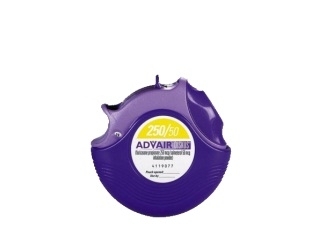
Advair Diskus (Salmeterol + Fluticasone) — Patient Information
Advair Diskus is an inhaled medicine used to help control long-term breathing problems such as asthma and chronic obstructive pulmonary disease (COPD). It combines two medicines in one inhaler: salmeterol (a long-acting bronchodilator) and fluticasone (an inhaled corticosteroid).
This page is written to be patient-friendly and is intended to help you understand how Advair Diskus works, how to use it properly, and what to consider for safety and interactions.
Quick facts
- Active ingredients: Salmeterol + Fluticasone
- Medicine type: Controller (preventer) inhaler for long-term symptom control
- How it works: Opens airways (salmeterol) + reduces airway inflammation (fluticasone)
- Common uses: Asthma (in appropriate patients) and COPD
- Typical dosing: Usually taken twice daily, 12 hours apart
- Device: Diskus dry powder inhaler (DPI)
Basic product information
Advair Diskus is a dry powder inhaler (DPI). The device contains a pre-measured dose of medicine powder in rotating blisters. When you activate the device and inhale strongly and quickly, the powder disperses into your lungs.
In Australia, Advair Diskus is commonly supplied in different strength combinations, reflecting the amount of each active ingredient:
- Salmeterol: a long-acting beta-2 agonist (LABA)
- Fluticasone: an inhaled corticosteroid (ICS)
The exact strength you receive will depend on your condition and clinical needs. Always check the strength printed on your product packaging.
How Advair Diskus works (mechanism of action)
Advair Diskus combines two complementary actions:
- Salmeterol (LABA): relaxes the smooth muscle around the airways. This helps keep airways open for longer periods, improving airflow and reducing symptoms such as wheeze, shortness of breath, and chest tightness.
- Fluticasone (ICS): reduces inflammation in the airways. Over time, it decreases swelling and mucus production, which helps improve control and reduce flare-ups.
Together, these medicines support daily control of symptoms. Advair Diskus is generally not intended for immediate relief of sudden symptoms—that role is usually filled by a separate “reliever” inhaler (often a short-acting bronchodilator) as advised by your clinician.
Pharmacokinetics (how the body handles it)
Understanding pharmacokinetics helps explain why inhalers are designed for specific timing and why technique matters. With inhaled medicines:
- Local effect in the lungs: Most of the benefit is produced in the airways where the medicine deposits.
- Systemic absorption: A smaller amount may be absorbed into the bloodstream, but exposure is generally lower than with oral steroid medicines.
- Metabolism: Fluticasone is metabolised primarily by liver enzyme pathways (including CYP3A4). This is why certain interacting medicines (e.g., some antifungals or antivirals) can increase steroid exposure.
- Duration: The “long-acting” component (salmeterol) is formulated to provide prolonged bronchodilation, supporting twice-daily dosing for controller use.
Individual responses vary. If you have questions about how long it takes for you to feel benefit, discuss this with a healthcare professional.
Typical uses and indications
Advair Diskus is used as a controller/preventer inhaler to help manage ongoing respiratory disease. Indications in Australia may include:
- Asthma: for patients who require ongoing controller therapy to achieve and maintain symptom control. This may include people who remain symptomatic despite appropriate inhaled corticosteroid therapy, as clinically determined.
- COPD: for patients with COPD where regular maintenance therapy is appropriate.
Your clinician will consider factors such as your symptoms, previous inhaler use, lung function, and exacerbation history when choosing the most suitable inhaler strength and regimen.
When and how to take Advair Diskus (timing)
Advair Diskus is commonly prescribed as two doses per day, usually taken:
- Morning and evening, ideally about 12 hours apart
- Try to take it at consistent times each day
Do not stop controller treatment suddenly without advice. Even if you feel better, inflammation can persist.
Missed dose: If you miss a dose, take it when you remember unless it is close to the time of the next dose. Do not double up.
Food interactions
Because Advair Diskus is inhaled, food interactions are generally not expected to be clinically significant. You can usually take your dose with or without food.
However, technique and rinsing after inhaled corticosteroids are important:
- After using fluticasone, rinse your mouth and spit out the water. This can help reduce the risk of oral thrush (fungal infection) and hoarseness.
Alcohol interactions
There is no well-established direct interaction between typical amounts of alcohol and Advair Diskus. However, consider the following:
- Alcohol may worsen breathing symptoms in some people, especially if asthma or COPD is not well controlled.
- Alcohol can sometimes contribute to dehydration or sleep disruption, which may affect symptom control.
If you notice that alcohol triggers breathlessness or coughing, discuss this with a healthcare professional.
Medicine interactions (important)
Advair Diskus may interact with other medicines, mainly due to: steroid metabolism (fluticasone) and effects on the heart/chemistry pathways (salmeterol). Always inform your pharmacist about your current medicines, including supplements and herbal products.
Medicines that may increase fluticasone levels (CYP3A4 inhibition)
- Some strong inhibitors of CYP3A4 can increase fluticasone exposure, raising the risk of steroid-related side effects (such as adrenal suppression or Cushing-like features with prolonged use).
- Examples can include certain antifungals and antivirals.
Medicines affecting potassium or increasing arrhythmia risk
- Some medicines that lower potassium (e.g., certain diuretics) or other medicines that affect heart rhythm may increase the risk of side effects associated with beta-2 agonists.
Other inhalers
- Use your reliever inhaler as directed for sudden symptoms. Don’t use Advair Diskus as your only rescue option.
- If you use other LABA-containing medicines, it may lead to excess exposure. Ensure your plan is clear with your clinician.
Check with your pharmacist if you take:
- Oral or injectable steroids
- Beta-blocker medicines (some can interfere with bronchodilation)
- Diuretics (“water tablets”)
- Other medicines for heart rhythm or blood pressure
Dosing guidance (general information)
Dosing depends on the condition being treated, your current control level, and your response. Commonly, Advair Diskus is taken twice daily.
Do not adjust your dose or frequency on your own. If you feel your symptoms are not controlled (or you are having side effects), discuss adjustments with a healthcare professional.
Your inhaler strength (for example, the fluticasone and salmeterol amounts) is selected for you. Using a different strength without advice may lead to inadequate control or higher risk of side effects.
Safety profile (what to watch for)
Like all medicines, Advair Diskus can cause side effects. Many people tolerate it well, particularly when the inhaler technique is correct and you rinse your mouth after use.
Common side effects
- Hoarseness or voice changes
- Oral thrush (white patches in the mouth) — reduce risk by rinsing and spitting after inhalation
- Sore throat
- Headache
- Muscle aches or mild tremor in some people
Less common but important effects
- Palpitations or a fast heartbeat
- Temporary changes in potassium (more relevant if you take certain diuretics)
- Systemic steroid effects are uncommon with inhaled dosing, but risk may increase at higher doses or with prolonged use. These can include bruising more easily, thinning skin, or slowed growth in children.
Seek urgent medical care if
- You have severe breathing difficulty, worsening wheeze, or symptoms that do not improve with your reliever inhaler
- You experience chest pain, fainting, severe dizziness, or a very irregular heartbeat
- There are signs of a serious allergic reaction (e.g., swelling of the face/lips, severe rash, trouble breathing)
Special considerations
- Children and adolescents: inhaled steroids can affect growth in some children. Monitoring is important.
- Pregnancy and breastfeeding: medication choice should be reviewed with a clinician based on the balance of benefits and risks.
- Diabetes: corticosteroids can slightly affect blood sugar control in some people.
- Eye conditions: long-term steroid exposure can rarely affect the eyes (e.g., cataracts/glaucoma), so regular checks are advisable if risk is present.
Practical use tips (to get the best results)
Correct inhaler technique is one of the biggest factors influencing benefit. The Diskus device delivers a fine powder that must reach the lungs—this requires a strong, steady inhalation.
Before you use a dose
- Check the dose: Ensure the counter indicates doses remain.
- Position: Sit or stand upright.
- Exhale: Breathe out gently away from the device (do not blow into the mouthpiece).
Using the Diskus (dry powder inhaler)
- Open the Diskus: Use the lever to expose the mouthpiece and load the dose.
- Inhale strongly: Seal your lips around the mouthpiece and inhale forcefully and deeply.
- Hold your breath: Hold your breath for about 5–10 seconds (or as comfortable) to allow deposition.
- Close and check: Close the device and note the dose counter decrease.
After using Advair Diskus
- Rinse your mouth and spit (especially because fluticasone is an inhaled steroid).
- If you have trouble inhaling strongly, ask a clinician or pharmacist to watch your technique.
Common mistakes
- Inhaling too gently (powder may not disperse properly)
- Forgetting to load the dose before inhaling
- Exhaling into the device
- Not rinsing mouth after steroid inhalation
What to expect: onset of effect
With combination therapy:
- Salmeterol can improve airflow relatively quickly compared with steroid effects.
- Fluticasone helps over time as inflammation reduces, often requiring consistent daily use. Some people notice improvement within days, while maximum benefit may take longer.
If you feel worse, it may indicate uncontrolled disease, incorrect technique, or another trigger (such as infection, allergens, smoke, or poor adherence). Re-check your technique and seek advice if symptoms persist.
Alternative options (other controller therapies)
Treatment can vary based on your diagnosis and severity. Alternatives may include:
- Inhaled corticosteroid (ICS) alone for some asthma patients where appropriate.
- ICS/LABA combinations with different devices or formulations (selection depends on suitability and dosing).
- For COPD, other maintenance options may include inhalers that target different pathways such as long-acting antimuscarinic agents (LAMA) or other combination therapies.
If you want to compare options, speak with your pharmacist or clinician about the most suitable device type and dosing schedule. Device selection matters—some people find certain inhalers easier to use than others.
Market and legal context in Australia
In Australia, inhaled medicines like Advair Diskus are supplied under national medicines policy and are generally available through the pharmacy supply chain according to regulatory and prescribing requirements.
Availability can depend on:
- Which strength is needed
- Supply continuity and wholesaler stock levels
- Whether the medicine is listed for reimbursement under Australian health arrangements (varies by individual circumstances)
Always use your inhaler as directed by your healthcare professional and follow any local instructions on the label and packaging.
Recent guidance and best-practice considerations
Inhaled asthma and COPD management in Australia commonly emphasises:
- Using a controller inhaler consistently for long-term control
- Choosing the correct inhaler technique and reviewing it regularly
- Having an action plan for worsening symptoms and recognising when to seek urgent help
- Confirming reliever/controller roles so that worsening symptoms are addressed promptly with the correct medication (reliever for acute episodes; controller for prevention)
If you have frequent flare-ups, poor response, or ongoing symptoms, guidelines generally recommend reassessment of: inhaler technique, adherence, triggers, comorbidities, and whether treatment should be stepped up or adjusted.
Delivery and availability (online pharmacy notes)
Advair Diskus availability may depend on stock of your required strength. When purchasing online in Australia, allow time for dispatch and courier delivery.
- Check product strength: Match the strength on the listing to your usual inhaler.
- Verify quantity: Ensure you are ordering the correct pack size (e.g., number of doses).
- Store properly: Keep the inhaler in a dry place at room temperature and protect from moisture.
If a product is temporarily out of stock, many pharmacies can offer alternatives or notify you of dispatch timelines. Contact the pharmacy for availability updates.
Storage and disposal
- Storage: Keep at room temperature and protect from humidity.
- Keep dry: Do not store in a bathroom or humid environment.
- Disposal: Follow local waste disposal guidance. Do not dispose via flushing.
FAQ
1) Is Advair Diskus for quick relief?
Advair Diskus is a controller inhaler designed for ongoing control. It is not typically used for immediate relief of sudden symptoms. Use your reliever inhaler for acute episodes as directed.
2) How long will it take to work?
Some people feel bronchodilation benefits sooner due to salmeterol, but the anti-inflammatory effect of fluticasone may take longer. Consistent twice-daily use is usually required for best control.
3) Do I need to rinse my mouth after using it?
Yes. Because Advair Diskus contains fluticasone (an inhaled corticosteroid), it’s recommended to rinse and spit after each dose to help reduce thrush and hoarseness.
4) Can I take Advair Diskus with food or alcohol?
Food interactions are generally not significant for inhaled therapy. Alcohol does not have a well-known direct interaction, but it may worsen symptoms in some people. If alcohol affects your breathing, discuss it with a healthcare professional.
5) What should I do if I miss a dose?
Take it when you remember unless it’s close to the next scheduled dose. Don’t take two doses at once.
6) What if my symptoms get worse while using Advair Diskus?
Worsening symptoms may indicate poor control, incorrect inhaler technique, infection, or exposure to triggers. Use your reliever as advised and seek medical advice promptly—especially if symptoms are severe or not improving.
7) Are there any common side effects?
Common effects include hoarseness, sore throat, and oral thrush. Rinsing your mouth after use helps reduce risk.
8) Can other medicines interact with Advair Diskus?
Yes. Medicines that affect metabolism (such as certain strong CYP3A4 inhibitors) may increase fluticasone exposure. Some medicines affecting potassium or heart rhythm may also be relevant. Tell your pharmacist about everything you take.
9) How do I know my inhaler technique is correct?
If your symptoms aren’t improving as expected, ask your pharmacist or clinician to observe your technique. Correct inhalation strength and mouth sealing are critical for Diskus DPI effectiveness.
10) What are “controller” vs “reliever” medicines?
Controller medicines like Advair Diskus help reduce airway inflammation and prevent symptoms over time. Relievers typically work faster to open airways during acute episodes.
Summary
Advair Diskus combines salmeterol and fluticasone to help control long-term asthma and COPD symptoms. It supports daily symptom prevention by both relaxing airway muscles and reducing inflammation. To get the most benefit and minimise side effects, use it consistently twice daily, inhale strongly using correct technique, and rinse your mouth after each dose.
If you have questions about which strength is suitable, how to use your device, or how to manage side effects, consult your pharmacist or healthcare professional.
| Category | What it means for you |
|---|---|
| Inhaler type | Dry powder inhaler (DPI) — requires a strong, steady inhale |
| Medicines included | Salmeterol (long-acting bronchodilator) + Fluticasone (inhaled corticosteroid) |
| Dosing pattern | Usually twice daily, about 12 hours apart for controller use |
| After-use care | Rinse mouth and spit to reduce thrush and hoarseness risk |