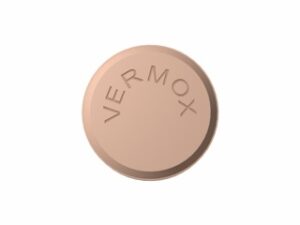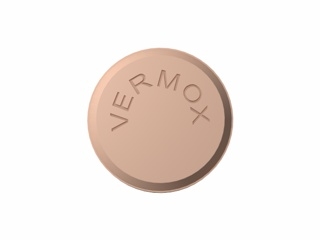


Mebendazole (Worming Medicine) — Patient Information (Australia)
Mebendazole is an anthelmintic medicine used to treat a variety of intestinal worm infections. It works by targeting the worms’ ability to use energy, helping clear the infection and relieve symptoms.
This page provides easy-to-understand information about how mebendazole works, how it’s usually taken, key safety considerations, and practical tips for getting the best results.
Basic product information
- Active ingredient: Mebendazole
- Medicinal form: Tablets or chewable tablets (availability may vary by brand)
- Medicinal class: Anthelmintic (anti-worm)
- Common uses: Treatment of intestinal worms such as threadworms (pinworm), roundworm (ascaris), whipworm (trichuris), and some other worm species depending on local indications
- Typical age groups: Depends on the specific product and worm type; paediatric use may require careful checking of the label or pharmacist advice
- Not for: Some worm types outside the gut unless specifically indicated by your clinician or product guidance
Always read the product packaging and follow the directions on the label. If you’re unsure which worm infection you have, consider checking symptoms and discussing with a pharmacist.
How mebendazole works (mechanism of action)
Mebendazole belongs to the benzimidazole class of medicines. It acts directly on the worms at a cellular level:
- Blocks glucose uptake in the worm’s cells.
- Disrupts energy production by interfering with the worm’s microtubules.
- Leads to impaired movement and death of the adult worms and eggs/larvae in the gut (depending on the parasite life cycle).
Because worm infections can involve eggs that survive after the first dose, repeat dosing is commonly recommended for certain infections (especially threadworm) to break the life cycle.
Pharmacokinetics (how the body handles mebendazole)
Pharmacokinetics can vary based on the formulation, dose, and whether it’s taken with food. Key points:
- Absorption: Absorption from the gut is generally limited, but increases with higher doses and certain dietary factors.
- Protein binding: A portion of mebendazole binds to plasma proteins.
- Metabolism: It is metabolised mainly in the liver.
- Elimination: Metabolites are excreted primarily via the bile and faeces, with some elimination via urine.
For short, single-dose or short-course regimens commonly used for intestinal worms, exposure is usually low enough that serious side effects are uncommon in most people. However, higher doses or longer courses may require extra caution and monitoring.
Typical use: what it treats
Mebendazole is used for intestinal helminth infections (worms that live in the gut). Common indications include:
- Threadworm (pinworm) — often causes anal itching, especially at night
- Roundworm (ascaris) — may cause abdominal discomfort and other symptoms
- Whipworm (trichuris) — may cause diarrhoea and abdominal pain
- Hookworm and some other intestinal worms — depending on product-specific directions and local guidance
The exact range of worm types treated can differ by country, product, and whether the infection is uncomplicated. If symptoms suggest a more serious infection (e.g., severe abdominal pain, vomiting, blood in stool, unexplained weight loss, or persistent symptoms), seek medical advice.
Indications (practical summary)
In everyday terms, mebendazole is indicated when you suspect or are diagnosed with an intestinal worm infection that responds to benzimidazoles.
- Anal itching at night (particularly in children) may indicate Enterobius vermicularis (threadworm).
- Gastrointestinal symptoms (bloating, tummy pain, diarrhoea) may be associated with other intestinal worms.
- Household outbreaks — for threadworm in particular, treatment often needs to involve close contacts to prevent reinfection.
Timing and dosing (general guidance)
Dosing depends on:
- the worm type
- the age and sometimes body weight
- the product strength (chewable vs tablet, mg per dose)
- whether it’s a single dose or a course
Always follow the dose stated on your specific Australian product packaging. Below are typical schedules used for common intestinal worm infections. Your pharmacist can confirm the correct dose for your product and situation.
Common dosing schedules (examples)
| Condition (intestinal worm) | Typical dosing pattern | Why repeat dosing may be needed |
|---|---|---|
| Threadworm (pinworm) | Usually a single dose, with a repeat dose about 2 weeks later (exact schedule depends on product directions). | Eggs can survive the first treatment; repeating helps break the life cycle. |
| Roundworm (ascaris) | Often single dose or short course depending on product guidance. | Some regimens aim to cover different life stages. |
| Whipworm (trichuris) | May require a short course rather than a single dose. | Longer life-cycle involvement in the gut may require extended treatment. |
Timing for best results:
- Take the dose at a time you can remember, and finish the schedule as directed.
- If a repeat dose is recommended (commonly for threadworm), set a reminder so you don’t miss it.
- For multi-day courses, try to take doses at similar times each day.
Can you take mebendazole with food?
Food effects vary by formulation and dose. In general:
- Take with or without food: Many people can take mebendazole with water and continue normal meals.
- Follow label instructions: Some products advise taking after food; others do not specify. Always follow your specific product directions.
If you notice stomach upset, taking the tablet after a meal may improve tolerability—unless your label says otherwise.
Alcohol interactions
For most people, moderate alcohol consumption is not known to cause a direct interaction with mebendazole. However:
- Alcohol may worsen nausea, dizziness, or stomach discomfort in some people.
- If you are taking higher doses or longer courses, or you have liver problems, you should be extra cautious with alcohol.
If you have liver disease, are pregnant, or are taking multiple medicines, it’s sensible to ask a pharmacist for specific advice for your circumstances.
Medicine interactions (important to consider)
Mebendazole can interact with some medicines, and some conditions can affect how safely it should be used. Tell a pharmacist about all medicines and supplements you take, including:
- Prescription medicines
- Over-the-counter cough/cold products, pain relief, antihistamines
- Herbal supplements and vitamins (e.g., St John’s wort, some antifungal/herbal remedies)
Interaction examples that may be relevant:
- Liver metabolism changes: Medicines that affect liver enzymes may alter mebendazole levels.
- Other medicines affecting the gut: Severe diarrhoea or vomiting can affect absorption of any oral medicine.
If you’re on long-term medications or have a complex medical history, ask a pharmacist to check for likely interactions.
Safety profile: who should be cautious?
Mebendazole is generally well tolerated when taken for typical short courses for intestinal worms. As with all medicines, it can cause side effects.
Common side effects
- Stomach upset (tummy discomfort)
- Nausea
- Headache
- Diarrhoea or mild constipation
- Dizziness (uncommon)
Less common but serious symptoms — seek urgent advice
Get urgent medical help if you experience:
- Signs of allergy (swelling of face/lips, difficulty breathing, widespread rash)
- Severe or persistent abdominal pain
- Yellowing of the skin/eyes (jaundice) or dark urine, especially during longer courses
- Unusual bruising or bleeding (rare, usually with prolonged high-dose therapy)
Pregnancy and breastfeeding
- Pregnancy: The safest approach in pregnancy depends on the worm type and gestation stage. Discuss with a healthcare professional or pharmacist before using.
- Breastfeeding: Many short-course treatments may be compatible, but individual advice is recommended.
Children
Children are commonly affected by threadworm. Dosing should be confirmed for the child’s age and the specific product strength.
Liver conditions and long courses
People with known liver disease or those requiring higher-dose or longer-course regimens should be monitored more closely.
Practical use tips for best outcomes
Medicines work best when combined with hygienic measures—especially for threadworm, which spreads easily within households.
- Do household management for threadworm:
- Consider treating other close household members at the same time if recommended by local guidance or your pharmacist.
- Wash bed linen, towels, and underwear regularly.
- Keep fingernails short and encourage handwashing.
- Take the repeat dose if advised: For threadworm, missing the second dose is a common reason for recurrence.
- Check symptoms after treatment: Many people feel improvement within days, but itch may take longer to settle.
- Avoid re-exposure: Eggs can spread via surfaces, bedding, and hands.
If symptoms return soon after treatment, it may be reinfection rather than medicine failure—hygiene and repeat dosing are key.
Alternative options
Depending on the worm type and local availability, other anthelmintic medicines may be used. Common alternatives (availability and indications vary) include:
- Albendazole — another benzimidazole anthelmintic; often used for similar intestinal worm infections
- Pyrantel pamoate — often used for threadworm; can be effective for certain intestinal worms
- Other treatments for specific species and more complex infections (typically guided by healthcare professionals)
Your pharmacist can help you choose the most suitable option based on symptoms, likely parasite type, age, and the product you have available.
Market and legal context in Australia (overview)
In Australia, medicines are regulated under the Therapeutic Goods Administration (TGA) system. Worm treatments may be supplied as over-the-counter products or under pharmacist advice depending on the formulation, strength, and intended use.
- Product availability: Different brands and strengths may exist, including chewable formulations for children.
- Label directions: Australian packaging includes specific dosing instructions and safety information—always follow these.
- Supply requirements: Some medicines may have restrictions by audience (e.g., paediatric indications) and may be supplied in accordance with Australian pharmacy practice.
If you’re travelling, the infection you caught abroad and the local worm species can influence which medicine is best—pharmacist advice can be particularly helpful.
Recent guidance and practical update notes
While individual medical guidance changes over time, the core principles for intestinal worm treatment remain consistent:
- Threadworm often requires repeat dosing to break the lifecycle.
- Household measures (washing bedding, hand hygiene, treating close contacts if advised) reduce reinfection.
- Confirm the likely worm type when symptoms are atypical or recurrent.
- Longer courses may need extra attention to liver safety and side effect monitoring.
For the most up-to-date advice in Australia, follow the instructions on the medicine pack and consult a pharmacist if you have persistent symptoms or uncertainty about which worm you may have.
Delivery and availability (online pharmacy)
Mebendazole products may be available online through Australian pharmacies depending on stock, formulation, and current regulations. Typical delivery and availability points you can expect:
- Home delivery: Most online pharmacies deliver across Australia.
- Estimated dispatch times: Often depend on local warehouse scheduling and product availability.
- Packaging: Medicines are supplied in appropriate retail packaging with full instructions.
- Substitution: Occasionally, a similar strength/form may be supplied if permitted; check the active ingredient and strength.
If you need a specific brand or formulation (e.g., chewable vs tablet), check during checkout and contact customer support if there’s a mismatch.
FAQ — Frequently asked questions
1) How quickly does mebendazole work?
Many people start to feel better within a few days. For threadworm, itch may take longer to settle because irritation can persist even after worms are cleared.
2) Do I need to repeat the dose?
Often, yes—especially for threadworm. The repeat dose is designed to treat worms that hatch from eggs after the first dose. Follow your product label directions or ask a pharmacist.
3) Can we treat the whole household?
For threadworm, treating close contacts may be recommended to reduce reinfection. Ask a pharmacist based on your household situation and the product instructions.
4) What if symptoms come back after treatment?
Recurrence is usually due to reinfection rather than failure of the medicine. Reinforcement of hygiene measures and ensuring the repeat dose is taken correctly often helps. If symptoms persist despite correct use, seek advice from a healthcare professional.
5) What should I do about hygiene during treatment?
Focus on:
- handwashing (especially after using the toilet and before eating)
- keeping fingernails short
- regularly washing underwear and bed linen
- cleaning high-touch surfaces
6) Can I take mebendazole with other medicines?
Many medicines can be taken alongside mebendazole, but some may interact. Tell a pharmacist about everything you’re taking, including supplements and herbal products, for tailored advice.
7) Is alcohol safe with mebendazole?
Moderate alcohol is not usually known to cause a direct interaction with mebendazole. If you experience stomach upset, avoid alcohol. If you have liver disease or need long courses, seek advice first.
8) Can I take mebendazole if I have liver problems?
Extra caution may be needed, particularly with higher doses or longer courses. Discuss with a pharmacist or clinician to ensure it’s appropriate for you.
9) Is mebendazole safe for children?
Children commonly get threadworm. However, dosing depends on age and product strength. Use the child-specific directions on the label, and confirm with a pharmacist if you’re unsure.
10) How should I store mebendazole?
Keep the medicine in its original packaging, store at room temperature as indicated on the label, and keep out of reach of children. Avoid exposing tablets to excessive heat or moisture.
When to seek medical advice
Contact a healthcare professional if:
- symptoms are severe or worsening
- there is blood in the stool, persistent diarrhoea, or unexplained weight loss
- you’re treating recurrent symptoms despite correct dosing and hygiene measures
- you are pregnant, breastfeeding, or unsure about use in a child and you can’t confirm dosing safely
Mebendazole is an effective option for many intestinal worm infections when used correctly, with appropriate repeat dosing when recommended.