

Biltricide (Praziquantel) – Patient Information (Australia)
Biltricide is a medicine containing praziquantel, used to treat certain parasitic worm infections. It is widely used by clinicians and is effective against several tapeworm and fluke (trematode) infections. This page explains how Biltricide works, how it’s usually taken, possible side effects, key safety considerations, and practical tips for getting the best results.
Quick overview
- Active ingredient: Praziquantel
- Common use: Treatment of specific tapeworm and fluke infections
- How it works: Damages the parasite’s outer surface and affects muscle movement
- Typical dosing: Depends on the infection; often given as a single dose or multiple doses
- Important notes: Follow the dosing schedule exactly; some infections require repeat doses or additional treatment
Basic product information
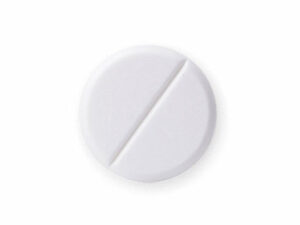
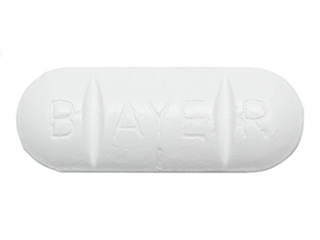
Biltricide (praziquantel) is an oral medicine supplied in tablet form. In Australia, availability and supply may vary depending on stock and specialist prescribing pathways.
What it is for: Praziquantel is effective against certain helminths (parasitic worms), particularly:
- Tapeworms (cestodes)
- Flukes (trematodes)
- Some other related parasitic infections, depending on local clinical guidance and confirmed diagnosis
What it is not for: Praziquantel is not a broad-spectrum antibiotic/antiviral, and it will not treat all parasites. Correct identification of the parasite (often via stool or other tests) is important to ensure the right medicine and dose.
How Biltricide works (mechanism of action)
Praziquantel works directly on the parasites. After absorption, it targets the worm’s outer covering and internal function:
- Alters calcium balance within the parasite cells, causing intense muscle contractions and paralysis.
- Damages the parasite’s outer surface, allowing the immune system and host tissues to help clear the organism.
- Leads to detachment and death of the parasite, which is then eliminated from the body.
Why this matters: The parasite must be exposed to sufficient drug levels at the right time. That’s why dosing schedules are infection-specific and why missed doses can reduce effectiveness.
Pharmacokinetics (how the body handles praziquantel)
Pharmacokinetics describes absorption, distribution, metabolism, and elimination.
- Absorption: Praziquantel is absorbed after oral dosing. Absorption can be improved when taken with food for many people.
- Distribution: It distributes throughout body tissues, including sites where parasites may be located.
- Metabolism: Praziquantel is extensively metabolised in the liver.
- Elimination: Metabolites are excreted largely via the kidneys (urine) and to a lesser extent through other routes.
Clinical implication: Liver function and drug interactions can affect praziquantel levels. People with significant liver disease should discuss treatment carefully with a clinician.
Typical uses (indications)
Biltricide is used to treat specific helminth infections. Common indications include:
- Schistosomiasis (bilharzia) caused by Schistosoma species (adult worms living in blood vessels). Depending on species, treatment approach may vary.
- Trematode infections (flukes), such as some liver and intestinal flukes—exact suitability depends on the species.
- Some tapeworm infections, including infections caused by Taenia species and others depending on diagnosis.
- Certain other parasitic infections when praziquantel is specifically recommended by local medical guidance and test results.
Important: Always confirm the diagnosis and species where possible. Treatment dose and schedule can differ between parasites.
Timing and how to take Biltricide
The best timing depends on the specific infection and the prescribed schedule. As general patient guidance:
- Take it with food if possible—this may improve absorption and reduce the chance of stomach upset for many people.
- Swallow tablets whole with water unless your clinician or pharmacist provides different instructions.
- Space doses evenly if multiple doses are needed.
- Finish the full course exactly as directed, even if symptoms improve quickly.
If you forget a dose: Contact a pharmacist or clinician for advice. Don’t double up unless you are specifically told to.
Food interactions (including what to eat)
Food and drink: Praziquantel absorption can be improved when taken with food. Many people find taking the dose after a meal helps with tolerability.
Avoid:
- Grapefruit products and other strong inhibitors may interact with medicines metabolised by the liver—ask your pharmacist if you’re unsure.
General advice: Maintain normal eating patterns before and after your dose. If you have nausea, a light meal may help.
Alcohol and medicine interactions
Alcohol
There is no universal “hard rule” that you must avoid alcohol entirely, but it’s sensible to limit or avoid alcohol during treatment because it may:
- worsen dizziness or nausea
- affect liver function
- increase the chance of feeling unwell
Practical tip: If you feel dizzy or drowsy, do not drink alcohol and avoid driving.
Drug interactions
Praziquantel is metabolised in the liver and may interact with other medicines. Tell your pharmacist about all current medicines, including:
- prescription medicines
- over-the-counter medicines
- herbal products and supplements
Common interaction themes to discuss:
- Medicines that affect liver enzymes (some can lower praziquantel levels and reduce effectiveness)
- Medicines causing dizziness (may add to side effects)
Special note: In some schistosomiasis regimens, clinicians may also consider treatment timing and interactions with other antiparasitic therapies.
Dosing guidance (what’s typical)
Dose depends on the type of parasite, body weight, and infection severity. The information below is general; your clinician or pharmacist will provide the exact plan based on your diagnosis.
General dosing approach: Praziquantel is commonly dosed by body weight (mg per kg).
Common dosing patterns (examples)
| Infection (example) | Typical praziquantel approach (general) | What to expect |
|---|---|---|
| Many tapeworm infections | Often a single dose based on body weight | May be taken once; some infections require follow-up testing |
| Schistosomiasis (bilharzia) | Often one day of dosing, sometimes split into doses across the day | Different species may require different regimens; repeat may be considered |
| Some trematode (fluke) infections | May require single or multiple doses depending on species | Follow-up may be needed to confirm eradication |
Important: Always follow the specific dosing schedule provided for your diagnosis. Do not use dosing from a different infection or someone else’s prescription.
Safety profile and side effects
Like all medicines, Biltricide can cause side effects. Many people experience mild, temporary effects, especially around the first day of treatment.
Common side effects
- Headache
- Dizziness
- Nausea and sometimes vomiting
- Abdominal discomfort (stomach pain/cramps)
- Fatigue
- Diarrhoea (occasionally)
- Fever or flushing can occur, particularly if the parasite burden is high
Less common but important effects
- Allergic reactions (rash, itching, swelling, difficulty breathing)
- Low blood pressure symptoms (feeling faint)
- Neurological symptoms such as severe headache, drowsiness, or confusion
Seek urgent medical help if you experience symptoms of a serious allergic reaction, severe or worsening neurological symptoms, or difficulty breathing.
Why you may feel worse initially
As parasites die, your immune system may respond. For some infections—particularly those involving blood vessels or widespread parasites—temporary worsening of symptoms can occur soon after treatment.
Special precautions
Pregnancy and breastfeeding
If you are pregnant or planning pregnancy, discuss treatment before taking Biltricide. Similarly, if you are breastfeeding, ask a pharmacist or clinician whether it is suitable for you. Safety recommendations may vary depending on infection type and gestational timing.
Children
Children may receive weight-based dosing, but the appropriateness of praziquantel depends on the parasite species and age/weight. Dosing must be calculated carefully.
Liver problems
Because praziquantel is metabolised by the liver, people with significant liver impairment should use caution and may require specialist advice.
Eye involvement (ocular disease)
For some parasitic infections, there is a risk that worm fragments could affect sensitive tissues. If you have known or suspected eye involvement related to a parasitic infection, urgent medical advice is essential before treatment.
Multiple medications
If you take medicines regularly (especially those affecting the liver), interactions may be relevant. Always provide an up-to-date list of medicines to your pharmacist.
Practical use tips for better outcomes
- Take with food to support absorption and tolerability.
- Hydrate and eat light meals if you feel nauseated.
- Plan for side effects—on the day of dosing, avoid tasks that require full concentration if you’re prone to dizziness.
- Avoid alcohol or keep it minimal during treatment.
- Follow-up testing: For some infections, repeat stool/urine tests or follow-up appointments are used to confirm cure.
- Household hygiene matters: Reinfection can happen if exposure continues. Practise safe food and water hygiene and follow public health advice where relevant.
What to expect after treatment
How you feel after taking Biltricide varies by infection type and the parasite burden.
- Symptoms may improve within days, but complete resolution can take longer.
- Follow-up tests may be necessary to confirm eradication, because it can take time for parasite remnants to clear.
- Reinfection risk exists in endemic areas or with continued exposure (contaminated water/food).
If symptoms worsen significantly or do not improve, contact a healthcare professional.
Alternative options
Alternative treatments depend entirely on the specific parasite species. In general, options may include:
- Other antiparasitic medicines (e.g., for certain tapeworms or different fluke species, clinicians may use different agents)
- Combination or staged therapy in complex cases
- Supportive care to manage symptoms (e.g., nausea control), where appropriate
Why alternatives vary: Some parasites are not susceptible to praziquantel, and dosing differs between medicines. The best alternative is guided by diagnostic testing and clinical assessment.
Market and legal context for Australia
In Australia, medicine supply and prescribing frameworks are overseen by state and territory regulations and the Therapeutic Goods Administration (TGA). Availability of Biltricide may depend on:
- TGA approval status and brand/formulation details
- Stock availability through wholesalers and pharmacies
- Clinical requirements for the diagnosed infection
Because parasitic infections can be complex—and because the correct drug and dose depend on the organism—Australian healthcare providers typically recommend confirmatory testing and appropriate treatment planning.
Recent guidance (general): For parasitic infections, Australian clinicians commonly follow advice from health authorities and infectious disease guidance, including recommendations on when to treat, how to manage side effects, and whether follow-up testing is needed to confirm cure.
Delivery and availability (online pharmacy)
Delivery availability and lead times can vary across Australian states and territories. When ordering online, you may be asked for basic information to support safe dispensing, including:
- your age and weight (if relevant to dosing instructions)
- a brief medication list
- any history of liver problems or significant allergies
- pregnancy/breastfeeding status (if applicable)
Packaging and transport: Medicines are typically dispatched in secure, sealed packaging. Store the tablets as directed on the label and keep out of reach of children.
Availability note: Stock levels can change. If a product is temporarily unavailable, the pharmacy may advise on expected restock dates or the nearest suitable alternative, depending on local rules and clinical appropriateness.
FAQ
1) What is Biltricide used for?
Biltricide (praziquantel) is used to treat certain parasitic worm infections, especially schistosomiasis (bilharzia), some fluke infections, and certain tapeworm infections—depending on the diagnosed parasite species.
2) How quickly does Biltricide work?
Many people start to feel better within days. However, symptom relief and clearance of parasites can take time. Follow-up testing may be needed for some infections to confirm cure.
3) Should I take it with food?
For many people, taking praziquantel with food can improve absorption and reduce stomach upset. If you’re unsure, ask a pharmacist for advice based on your regimen.
4) Can I drink alcohol after taking Biltricide?
It’s generally best to avoid or minimise alcohol during treatment, especially if you experience dizziness, nausea, or tiredness. Alcohol may also affect liver health, which is relevant because praziquantel is metabolised in the liver.
5) What if I vomit soon after taking a dose?
Vomiting can reduce the amount absorbed. Contact a pharmacist for advice on whether you should repeat a dose. Don’t redose without guidance.
6) Are there long-term risks?
For most patients, praziquantel is used for short treatment courses. Long-term risks are uncommon, but side effects and monitoring should be individualised—particularly for those with liver problems or complex parasite involvement.
7) Who should avoid or use caution with praziquantel?
Use caution and seek advice if you have significant liver disease, known allergies to praziquantel, pregnancy/breastfeeding concerns, or symptoms suggesting complications related to the infection. Also discuss all medicines you take due to potential interactions.
8) Is Biltricide effective against all parasites?
No. Praziquantel targets specific parasites. The correct medicine depends on the parasite species and the infection site. Proper diagnosis is important for effective treatment.
9) Will I need a second dose?
Some infections require repeat dosing or follow-up treatment. Others may be cured with a single dose. Your dosing plan should match your diagnosis and clinician guidance.
10) How do I prevent reinfection?
Prevention depends on how you were exposed. Common measures include safe water practices, careful food hygiene, and following local public health advice, especially if you have travelled to or lived in areas with higher parasite transmission.
Need help choosing the right treatment?
If you suspect a parasitic infection, it’s important to confirm the diagnosis before taking antiparasitic medication. If you have questions about how to take Biltricide, possible interactions, or what to expect, speak with a pharmacist or healthcare professional to ensure safe and effective treatment.