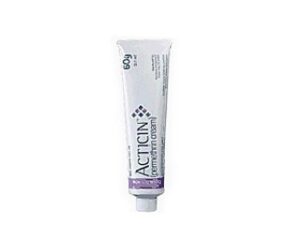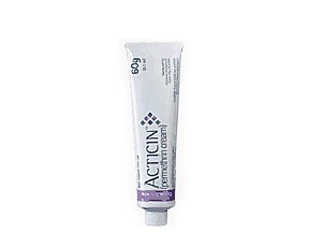


Acticin (Permethrin) – Patient Information (Australia)
Acticin contains permethrin, a medicine used to treat certain external parasite infestations of the skin—most commonly scabies and lice (depending on the formulation available in Australia).
This page explains how Acticin works, how to use it effectively, what to expect, and important safety information. Always follow the instructions provided with your product and any advice from your pharmacist or other healthcare professional.
Key product facts
| Product | Active ingredient | Common uses | Form |
|---|---|---|---|
| Acticin | Permethrin | Scabies; (where indicated) lice infestations | Cream or similar topical formulation (check your specific package) |
Important: Acticin comes in specific strengths and forms depending on the product. Check the label for the exact strength and dosing instructions for your formulation.
How Acticin works (mechanism of action)
Permethrin is a synthetic pyrethroid insecticide. It works mainly by affecting the nervous system of the parasites:
- Disrupts nerve signal transmission in the mites/lice.
- Causes abnormal nerve firing and eventually paralysis.
- Leads to death of the parasite, helping to clear the infestation.
For scabies, permethrin is designed to kill scabies mites on the skin and reduce transmission. It is not an “immediate itch stop,” because the skin may remain inflamed for days to weeks even after mites are gone.
Pharmacokinetics: what happens in the body
When used as directed on intact skin, permethrin is minimally absorbed through the skin. The amount absorbed into the bloodstream is generally low.
- Absorption: Low systemic absorption when applied topically.
- Distribution: The absorbed portion is distributed through the body in small amounts.
- Metabolism: Metabolised mainly in the liver.
- Excretion: Metabolites are excreted primarily through the kidneys (in urine).
Because absorption is usually low, systemic side effects are uncommon when permethrin is used correctly.
Typical indications (when Acticin is used)
Depending on the product and formulation available, Acticin (permethrin) is used for:
- Scabies (caused by the mite Sarcoptes scabiei)
- Lice infestations (where indicated on the product label/pack—often body/head/scabies-related formulations differ)
Some people with scabies may develop crusted scabies in severe cases. Acticin may be used as part of a broader management plan, but severe or crusted cases should be assessed promptly by a clinician.
Timing and schedule: when and how to apply
Correct timing is important to improve treatment success and reduce reinfestation.
General principles
- Use the treatment at the times described on the product label.
- For scabies, treatment is often repeated because eggs or newly hatched mites may survive the first application.
- Apply treatment to all required areas, including commonly missed sites (instructions vary by age and product strength).
- Keep product contact time as recommended, then rinse/wash if instructed.
Typical scabies approach (commonly used regimens)
Many scabies regimens involve:
- First application, typically at bedtime.
- Second application, often around 7 days later (or as directed), to target newly hatched mites.
Note: The exact repeat timing depends on the product/strength and local guidance. Always follow the specific directions on your Acticin pack or pharmacist advice.
Household and close-contact timing
Scabies spreads through prolonged skin-to-skin contact. If one person in a household has scabies, close contacts may require treatment at the same time to prevent “ping-pong” reinfestation.
Food interactions
Because permethrin is generally used topically with low systemic absorption, food interactions are not expected for most people.
However, if you are also taking other medicines for itching or infection, discuss them with your pharmacist. The biggest “interaction” in scabies treatment is usually re-exposure from close contacts and incomplete application, rather than dietary factors.
Alcohol and medicine interactions
Alcohol: There are no well-known direct alcohol interactions with topical permethrin when used as directed. That said, if you experience dizziness or feel unwell from any other medicines you’re taking, follow the warnings on those products.
Other medicines: Because systemic absorption of permethrin is usually low, clinically significant drug interactions are uncommon.
Still, it’s wise to:
- Tell your pharmacist about any medicines you use regularly.
- Let the skin fully dry before applying other topical products, unless told otherwise.
- Avoid applying multiple medicated creams to the same area unless directed, as this may increase irritation.
Dose and administration (how to use Acticin safely)
Always follow the exact dose instructions on your Acticin pack. Dosing can vary based on age, body size, infestation type, and the product strength.
Typical scabies instructions (common approach)
For scabies, permethrin cream is usually applied as follows:
- Apply to clean, dry skin.
- Use enough cream to cover all affected areas and (as directed) the entire body region required by the product instructions.
- Pay special attention to commonly affected areas such as:
- Between fingers and toes
- Wrists, elbows, armpits
- Waist and groin area
- Buttocks
- Under fingernails (as directed)
- In children, also the scalp/hairline if instructed
- Leave on for the recommended time.
- Rinse off if instructed after the contact time.
- Wash clothing, bedding, and towels as recommended.
- Repeat treatment if the regimen calls for a second application (often about 7 days later).
Lice instructions (if your Acticin pack indicates lice treatment)
If you are using permethrin for lice, the schedule and application areas can differ from scabies. Follow your product’s specific directions for contact time, rinsing, and combing steps (if advised).
Important: Lice treatment often includes physical removal (combing) and repeat treatments to break the lifecycle. Confirm the plan with your pharmacist or the pack directions.
Safety profile: common side effects and when to get help
Most people tolerate permethrin well. Because Acticin is used on skin, the main effects are usually local skin reactions.
Common side effects
- Mild skin irritation (burning, stinging, or redness)
- Dryness or mild peeling
- Itching (sometimes persists even after treatment due to skin inflammation)
- Temporary worsening of symptoms shortly after application may occur
Serious but uncommon reactions
Seek urgent medical advice if you experience signs of a serious allergy or severe reaction, such as:
- Swelling of the face, lips, tongue, or throat
- Widespread rash or hives
- Severe blistering or skin breakdown
- Difficulty breathing or wheezing
Itching after treatment: what’s normal?
After successful scabies treatment, the itch can continue for 2 to 4 weeks (sometimes longer). This is often due to the immune response to dead mites and mite products, not necessarily treatment failure.
Still, get checked if:
- New burrows or fresh itchful bumps keep appearing after the recommended repeat dose
- Symptoms worsen significantly or persist well beyond expected time
- Your infestation may be severe (e.g., crusted scabies)
- You’re treating infants/young children and are unsure about correct application
Practical use tips for best results
These practical steps can make treatment more effective and reduce the chance of reinfestation.
1) Apply thoroughly
- Use enough cream to fully cover required areas.
- Don’t skip “hidden” sites (wrists, between fingers, around waist, etc.).
- Wash hands after application unless your instructions say to keep hands covered.
2) Treat contacts (scabies)
- If scabies is confirmed or strongly suspected, treat close contacts at the same time—even if they have mild symptoms.
- Inform household members and consider guidance from a pharmacist or doctor about who should be treated.
3) Clean clothing and bedding
- Follow the pack or your pharmacist’s advice for washing or bagging textiles.
- In general, mites do not survive long away from the skin, but cleaning reduces reinfestation risk.
- Wash items in hot water where possible and dry thoroughly.
4) Timing matters
- Many people apply at night to allow better contact time.
- Keep to the exact “leave on” duration stated in the product instructions.
5) Avoid irritation triggers
- Use mild, fragrance-free moisturisers on unaffected skin if you’re dry/irritated.
- Try to avoid scratching; it can worsen inflammation and increase risk of skin infection.
Alternative options for scabies and lice
Your pharmacist can advise which option best fits your situation. Treatment selection may depend on age, pregnancy/breastfeeding status, severity, previous treatments, and local guidance.
Common alternatives for scabies
- Other topical scabicides (varies by availability and guidance)
- Oral medicines in specific circumstances (typically for widespread or resistant cases—discuss with a clinician)
- Adjunct itch control (e.g., antihistamines or anti-inflammatory skin treatments may be used for symptoms)
Common alternatives for lice
- Other topical anti-lice treatments (formulation and resistance patterns differ)
- Thorough combing and repeat treatment according to product directions
- Environmental cleaning (bedding, clothing, and shared items as appropriate)
Note: Resistance can occur in some settings, so if treatment fails, it’s important to confirm diagnosis and review the application method and timing before switching products.
Market and legal context in Australia
In Australia, medicines such as Acticin (permethrin) are supplied under regulatory frameworks set by the TGA (Therapeutic Goods Administration). Availability and product labeling must comply with Australian medicine regulations.
Acticin is widely used for skin infestations, and pharmacists play an important role in:
- Confirming likely diagnosis (scabies vs other itchy skin conditions)
- Choosing the correct formulation and strength
- Ensuring correct application technique and contact treatment plans
- Guiding on when to seek further medical assessment
Because scabies can mimic other skin conditions (and vice versa), proper guidance helps avoid unnecessary repeated treatments.
Recent guidance and updates (general themes)
While specific recommendations may evolve over time, Australian and international scabies guidance commonly emphasises:
- Simultaneous treatment of close contacts to prevent reinfestation
- Correct application to all required body sites
- Repeat treatment timing to cover newly hatched mites when recommended
- Recognising post-treatment itch as part of the inflammatory response
- Extra attention for high-risk settings such as aged care facilities, hospitals, and crowded living environments
If symptoms persist or worsen, consult a healthcare professional for assessment and possible alternative management strategies.
Delivery and availability
Acticin (permethrin) is typically available through community pharmacies and online pharmacy services across Australia, subject to stock availability.
When ordering online, ensure:
- You select the correct Acticin product and strength matching your intended use.
- The pack is not expired.
- You store it as directed (usually at room temperature, away from heat and out of reach of children).
Delivery: Most online pharmacies dispatch orders with standard or express shipping options. Delivery times vary by location and courier service. Refer to the checkout page for estimated delivery windows and any delivery conditions.
How to store Acticin
- Keep in its original container.
- Store at room temperature unless the label states otherwise.
- Keep out of sight and reach of children.
- Do not use after the expiry date.
FAQ – Acticin (Permethrin)
1) Will Acticin stop itching immediately?
Not usually. Itching often persists for 2 to 4 weeks after successful scabies treatment due to ongoing skin inflammation. If you develop new spots/bumps after the recommended repeat treatment, you may need reassessment.
2) How soon will scabies clear?
Most mites are killed after proper application, but symptoms may take time to settle. A second application (commonly around 7 days later) is often recommended to target newly hatched mites.
3) Do I need to treat everyone in the household?
For scabies, close contacts are commonly treated at the same time to prevent reinfestation. Your pharmacist or clinician can advise who should be treated based on your household and contact history.
4) What areas should I apply it to?
It depends on your Acticin pack instructions and the condition being treated. Follow the label carefully. Many treatment failures occur when key areas are missed.
5) Can I wash after applying Acticin?
Often you apply for a set contact time (e.g., overnight) and then rinse or wash off as directed. Check your specific pack instructions.
6) Can I use other creams or moisturisers?
You can usually use soothing moisturisers on non-treated skin. Avoid applying multiple medications to the same areas at the same time unless advised. Ask your pharmacist if you’re unsure.
7) Is permethrin safe for children?
Permethrin is commonly used in children for scabies when applied correctly. However, the correct areas to treat (including scalp/hairline) and dosing schedule can differ. Always follow the pack or pharmacist advice.
8) What if my symptoms are still present after treatment?
Residual itch can be expected. However, if you notice new lesions, increasing spread, signs of infection (pain, pus, fever), or no improvement after the recommended regimen, seek medical review.
9) Can Acticin be used during pregnancy or breastfeeding?
Topical permethrin is often considered in many scabies treatment plans when used as directed, but individual circumstances matter. Discuss with your pharmacist or clinician for personalised advice.
10) Can I treat lice with permethrin instead of Acticin?
Use the product specifically indicated for lice and follow the instructions provided. Treatment approaches for scabies and lice differ, especially regarding combing and repeat timing.
Summary
Acticin (permethrin) is a topical medicine used to treat infestations such as scabies (and, depending on the product, certain lice infestations). It works by disrupting the parasites’ nervous system. When used correctly—especially with correct timing and treatment of close contacts—permethrin is an effective option for many people.
If you’re unsure about whether your condition is scabies/lice, if symptoms persist beyond expected time, or if you’re dealing with a high-risk situation (e.g., crusted scabies or outbreaks), seek advice promptly.
Always read the package instructions carefully. If you have questions, your pharmacist can help you confirm the right regimen and reduce the risk of reinfestation.