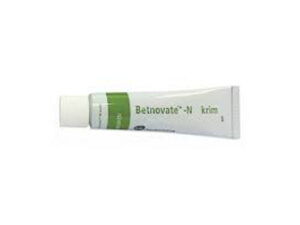
Betamethasone Valerate — Cream/Ointment Information (Australia)
Betamethasone valerate is a corticosteroid medicine used to relieve inflammation and itching associated with certain skin conditions. It is commonly supplied as a cream or ointment (and in some formulations, lotion/scalp products). This guide explains what it does, how it works, how to use it safely, and what to expect.
This page is designed to be patient-friendly and practical. Always follow the instructions on the product packaging or your clinician’s directions. If you are unsure which strength or formulation is right for you, ask a pharmacist.
Quick facts
- Medicine name: Betamethasone valerate
- Type: Topical corticosteroid (skin steroid)
- Common forms: Cream or ointment (formulation varies)
- What it helps: Inflammatory skin conditions, itching, redness
- How it works: Reduces inflammation by affecting immune responses in the skin
- Where it’s used: Skin (not for eyes, mouth, or inside the vagina)
Basic product information
Betamethasone valerate is a potent corticosteroid for topical use. Depending on the product, you may see strengths such as 0.05% (for many betamethasone valerate topical products). Always confirm the strength on your specific pack.
In Australia, topical corticosteroids are widely used for dermatologic conditions. Availability may vary by brand and formulation. Your pharmacist can help identify the most suitable option based on symptoms and skin location.
How topical steroids differ
Topical corticosteroids vary by strength. Betamethasone valerate is generally considered a moderate-to-potent steroid depending on formulation and concentration. Potency matters because it influences both effectiveness and risk of side effects.
Mechanism of action (how it works)
Betamethasone valerate works by reducing inflammation in the skin. Corticosteroids act on multiple pathways:
- Suppress immune activity that drives redness and swelling
- Reduce release of inflammatory chemicals in skin tissues
- Decrease itching and irritation linked to inflammatory responses
- Reduce thickening and scaling in some chronic inflammatory conditions
It’s important to note that it treats inflammation—not the underlying cause of every rash. If a rash is due to fungal infection, viral infection, or certain bacterial infections, steroid-only treatment may worsen it.
Pharmacokinetics (what the body does with it)
When applied to intact skin, betamethasone valerate is absorbed in small amounts. Systemic absorption increases when:
- Applied to large areas
- Used under occlusion (e.g., covered with airtight dressings)
- Applied to damaged skin or areas with higher permeability (e.g., face, groin, skin folds)
- Used in children (higher absorption relative to body size)
- Used for long durations
Once absorbed, corticosteroids are metabolised mainly by the liver and eliminated via the kidneys. In typical use (short term, appropriate areas), blood levels are usually low. However, excessive or prolonged use can increase the risk of systemic effects, including effects on the adrenal glands.
Typical use and timing
What conditions it’s used for
Betamethasone valerate is commonly used to relieve inflammation in conditions where an anti-inflammatory skin steroid is appropriate. It may be used for flares of chronic inflammatory skin diseases and for short-term management of acute inflammatory rashes, depending on diagnosis and severity.
How quickly it may work
Many people notice reduced redness, swelling, and itching within a few days. For some conditions, clearer improvement can take up to one or two weeks. If there is little or no improvement after a reasonable trial (as advised for your condition), speak with a pharmacist or clinician.
When to apply
Common directions for topical corticosteroids are once or twice daily, depending on the product strength and the condition being treated. Use the minimum amount that controls symptoms.
A practical approach:
- Apply a thin layer to the affected area
- Wash hands before and after application (unless your hands are the treatment area)
- Avoid contact with eyes, lips, and inside the mouth
- Do not use more frequently or for longer than advised
Indications (what it can be used for)
Betamethasone valerate is indicated for certain inflammatory dermatoses responsive to corticosteroids. Indications can vary by product and strength. In general, doctors and pharmacists may consider topical betamethasone valerate for:
- Eczema/dermatitis (e.g., atopic dermatitis flares or other steroid-responsive eczemas)
- Psoriasis (selected forms/areas, as guided by clinician; avoid inappropriate use such as widespread uncontrolled application)
- Lichenification and other chronic inflammatory skin conditions that respond to steroids
- Other steroid-responsive inflammatory skin disorders as determined by a clinician
If your rash is associated with signs of infection (pus, honey-coloured crusting, rapidly spreading redness, severe pain, fever), it may require additional treatment. In some cases, using a corticosteroid without treating infection can make it worse.
Dosing (how much to use)
Dosing depends on the condition, the body area involved, and the potency/strength of the product. Use the lowest effective amount and review treatment regularly.
Common dosing frequency
- Once daily or twice daily is typical for topical corticosteroids, depending on severity and product directions.
- Often, treatment is used for a limited period, then tapered or stopped when symptoms settle.
How much: fingertip unit method
Many patients find it helpful to measure amount using the fingertip unit (FTU): one FTU is the amount of ointment/cream squeezed from the tip of a standard adult finger.
| Body area (approx.) | Typical FTU estimate |
|---|---|
| Hand or face area (small patch) | ~1 FTU |
| One arm (full length) | ~3 FTU |
| One leg (full length) | ~6 FTU |
| Trunk front or back | ~7 FTU |
These are general guides. Your pharmacist can help estimate dose based on the size of the affected area and your formulation.
Duration of use
For many inflammatory skin conditions, topical steroids are used for short periods, then stopped or stepped down. If you need long-term management, discuss an ongoing plan with a clinician—particularly for frequent flares.
Food interactions
Topical betamethasone valerate has minimal systemic absorption under normal use, so food interactions are not typically expected. You can usually eat normally while using it.
If systemic corticosteroids are also being taken (tablets/injections), or if you use other medicines with liver metabolism concerns, ask your pharmacist for advice specific to your situation.
Alcohol and medicine interactions
Alcohol
There are generally no direct alcohol interactions with topical betamethasone valerate when used appropriately on the skin. However, if you experience dizziness or other side effects from other medicines you take, follow those medicines’ advice.
Other medicines (topical and systemic)
Interactions with other medicines are not common with topical betamethasone valerate, because absorption is low in typical use. Still, it’s important to consider:
- Other topical products (e.g., moisturisers, emollients, antiseptics, other steroid creams): avoid mixing multiple strong products on the same area unless advised.
- Medicines affecting immunity (e.g., immune-suppressing therapy): overall risk of infection may change.
- Liver disease or use of potent inhibitors of steroid metabolism may increase systemic effects if absorption is high (e.g., large-area or occluded use).
Always tell your pharmacist about all medicines you use, including skin treatments, supplements, and any steroid tablets or injections.
Safety profile
Common side effects
Side effects are usually local and depend on potency, frequency, and duration of use. Common local effects may include:
- Skin irritation (burning, stinging)
- Dryness or mild redness
- Itching may temporarily increase
Skin changes from overuse
Longer or more intensive use—especially on thin skin areas or under occlusion—can lead to:
- Skin thinning (atrophy)
- Visible blood vessels (telangiectasia)
- Stretch marks (striae)
- Rebound flare when stopping abruptly
- Perioral dermatitis or acne-like eruptions (more likely on face/around mouth)
Infection risk
Corticosteroids can mask symptoms of infection. If a rash is infected (bacterial, fungal, or viral), steroid use can worsen it unless treated appropriately.
Seek urgent advice if
- The rash becomes rapidly worse
- There is severe pain, pus, fever, or spreading redness
- There are signs of allergy (hives, facial swelling, breathing difficulty)
- You develop eye symptoms (redness, pain, vision changes) after applying near eyes
Systemic effects (rare with correct use)
Excessive use can theoretically suppress the body’s own steroid production (adrenal suppression). This is more likely with large-area use, occlusion, prolonged treatment, or in children.
Practical use tips (make treatment easier)
Apply correctly
- Use clean hands and apply to clean, dry skin unless instructed otherwise.
- Apply a thin layer; more is not better.
- Wait a moment for the product to absorb before dressing.
Moisturiser and steroid timing
If you use an emollient, a common approach is to apply the steroid first, wait a short time, then apply moisturiser. Alternatively, moisturiser can be used on non-steroid days (e.g., if steroids are used once daily). Follow product advice and pharmacist guidance.
Avoid sensitive areas unless specifically instructed
- Be cautious on the face, groin, armpits, and skin folds—these absorb more steroid and are more prone to side effects.
- Avoid eyes and eyelids, unless a clinician specifically recommends otherwise.
Don’t use on infected or unknown rashes
If you suspect fungus (e.g., ring-like rash, thick scales with itching), viral lesions, or bacterial infection, get advice before using steroid-only treatment.
Occlusion: only if advised
Covering the treated area with airtight dressings increases absorption and risk of systemic effects and local skin thinning. Only use occlusion if instructed by a clinician.
Alternative options
The best alternative depends on the underlying diagnosis and severity. Options commonly considered include:
- Lower-potency topical corticosteroids for milder inflammation or sensitive areas
- Non-steroidal anti-inflammatory skin treatments (e.g., topical calcineurin inhibitors) for long-term or face/groin use (availability varies by product/brand and clinician guidance)
- Antifungal creams if the rash is due to fungal infection
- Emollients/moisturiser therapy to reduce dryness and flare frequency
- For psoriasis: vitamin D analogues and other specific therapies may be considered depending on type and distribution
Your pharmacist can help you choose supportive skin-care measures and explain which alternative is most appropriate for your condition.
Market and legal context in Australia
In Australia, topical corticosteroids and related skin medications are regulated under the TGA (Therapeutic Goods Administration). Classification (how it is supplied) depends on the product, strength, and formulation. Many skin preparations are available through pharmacies, and some may be restricted to pharmacist-only supply or prescription pathways depending on the specific product.
Online pharmacies in Australia typically require appropriate patient information at checkout and may provide pharmacist consultation where needed. This helps ensure safe selection of potency and correct use, particularly for children, sensitive areas, and recurrent conditions.
Recent guidance (general themes)
Healthcare guidance in recent years has emphasised:
- Using the lowest effective potency for the shortest time that controls symptoms
- Adequate emollient use to reduce reliance on steroids
- Recognising infection and avoiding steroid-only treatment where appropriate
- Care with sensitive sites and in children due to higher absorption and side-effect risk
- Structured flare management plans (e.g., step-down/tapering) rather than frequent prolonged courses
Local clinical practices may differ depending on diagnosis and patient factors. For best results, seek advice early if symptoms persist or worsen.
Delivery and availability
Betamethasone valerate topical products are commonly available through Australian pharmacies, including online. Availability may depend on brand, formulation (cream vs ointment), and strength.
When ordering online, expect to select your preferred form and strength, and confirm the treatment area and usage instructions. If you are unsure, choose “contact pharmacist” or similar options where available so a qualified professional can advise before dispatch.
Packaging and storage
- Keep the product in its original packaging.
- Store at room temperature unless the label instructs otherwise.
- Keep out of reach of children.
- Check expiry date before use.
FAQ
1) What is betamethasone valerate used for?
It’s a topical corticosteroid used to reduce inflammation, redness, and itching in certain steroid-responsive skin conditions such as eczema/dermatitis flares and selected cases of psoriasis—based on diagnosis and the area of skin involved.
2) How fast will it work?
Many people notice improvement within a few days. Full benefit may take up to one or two weeks depending on severity and correct use. If it doesn’t help, or symptoms worsen, get advice.
3) Can I apply moisturiser at the same time?
You can use emollients alongside treatment. Often, it helps to apply the steroid first, then wait briefly, and apply moisturiser. Alternatively, moisturiser can be used on non-steroid times. Your pharmacist can tailor advice to your routine.
4) Can I use it on my face?
The face absorbs steroids more readily and is more prone to side effects. Use on the face should only occur if specifically recommended for your condition. If unsure, ask a pharmacist before applying.
5) Is it safe for children?
Children can absorb topical steroids more than adults. Use should be carefully guided by health professionals, including correct strength, limited area, and short duration. Avoid occlusion unless instructed.
6) What if the rash is infected?
If there are signs of infection (spreading redness, pus, severe pain, honey-coloured crusting, fever), do not rely on steroid-only treatment. Seek advice promptly, as you may need additional or different treatment.
7) Can I stop once my skin looks better?
Generally, you should stop or step down once symptoms are controlled, using the minimum amount for the shortest effective time. If you stop abruptly after prolonged use, some people experience rebound symptoms—ask a pharmacist about a step-down plan.
8) What should I do if I miss a dose?
Apply it when you remember unless it’s close to the next scheduled application. Don’t apply extra to make up for a missed dose.
9) Are there food or alcohol interactions?
Food interactions are not usually expected with topical betamethasone valerate. Alcohol interactions are generally not direct. However, if you use other medicines (especially systemic steroids or immunosuppressants), seek personalised advice.
10) When should I get medical advice urgently?
Get urgent advice if the rash rapidly worsens, there are signs of serious infection, you develop eye symptoms after use near the eye, or you have signs of allergy such as swelling or difficulty breathing.
Important: If your symptoms persist, recur frequently, or you’re treating sensitive areas, consult a pharmacist or clinician for tailored guidance. Correct diagnosis and appropriate potency are key to safe, effective treatment.