Ampicillin (Acillin) — Patient-Friendly Guide (Australia)
Ampicillin (Acillin) is an antibiotic medicine used to treat certain bacterial infections. It belongs to the penicillin family and is active against a range of susceptible bacteria. This guide explains how ampicillin works, how it’s used, common safety considerations, and practical tips to help you use your medicine correctly.
Always follow the instructions given by your healthcare professional and the information on the medicine label. If you have questions about whether ampicillin is right for your specific infection, ask your pharmacist or doctor.
1) Basic product information
- Medicine name: Ampicillin
- Brand name (example): Acillin
- Drug class: Penicillin-class antibiotic (aminopenicillin)
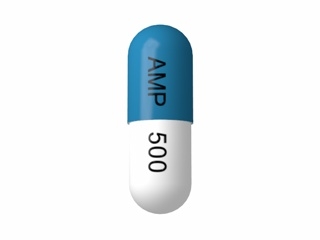
- Common forms: Tablets/capsules and/or oral suspensions (varies by product)
- How it works: Stops bacteria from building their cell wall
In Australia, ampicillin may be supplied under different brand names and strengths depending on availability. Your pharmacist can confirm the exact product you’re receiving.
2) How ampicillin works (mechanism of action)
Bacteria survive and multiply by building a protective cell wall. Ampicillin interferes with that process. Specifically, it binds to penicillin-binding proteins (PBPs) located on the bacterial cell wall. This weakens the cell wall and prevents the bacteria from dividing properly.
- Effect: Bactericidal (kills susceptible bacteria)
- Primary target: Cell wall synthesis
- Important note: Some bacteria produce enzymes that can inactivate penicillins, such as beta-lactamases. In those cases, ampicillin may not work unless combined with an inhibitor (where appropriate).
3) Pharmacokinetics (how your body handles ampicillin)
Pharmacokinetics describes how the body absorbs, distributes, metabolises, and eliminates a medicine.
Absorption
- Ampicillin is absorbed from the gut, but absorption can vary by formulation and patient factors.
- Because ampicillin can be affected by stomach contents and gut conditions, taking it consistently as directed helps maintain steady exposure.
Distribution
- Ampicillin spreads into many body tissues and fluids.
- Penetration into the cerebrospinal fluid (CSF) may increase when meninges are inflamed (for particular clinical scenarios).
Metabolism
- Most of the drug is not extensively metabolised; it remains largely active.
Elimination
- Ampicillin is mainly eliminated by the kidneys through urine.
- If you have kidney impairment, your healthcare professional may adjust the dose or dosing interval.
4) Typical uses and indications
Ampicillin is used to treat infections caused by bacteria that are susceptible to it. The exact indications depend on local resistance patterns and the infection type.
Common infection categories (examples)
- Respiratory tract infections caused by susceptible organisms
- Urinary tract infections in appropriate situations (based on culture/susceptibility)
- Skin and soft tissue infections due to susceptible bacteria
- Ear, nose, and throat (ENT) infections when appropriate and susceptible
- Some gastrointestinal and other bacterial infections where ampicillin is appropriate
Clinicians often confirm the likely bacteria and whether it is susceptible before choosing an antibiotic. If culture results are available, they may guide whether to continue or adjust therapy.
5) When to take ampicillin (timing)
The dosing schedule depends on the specific formulation and the reason for use. Common regimens use multiple doses per day because drug levels can fall between doses.
General timing tips
- Take it at evenly spaced times (for example, morning, afternoon, evening) if multiple daily doses are prescribed.
- Complete the full course even if you feel better.
- If you miss a dose, take it as soon as you remember unless it’s close to the next dose. Do not take a double dose.
If you’re unsure about the best timing for your dose schedule, check your label or speak with your pharmacist.
6) Food interactions and taking with meals
Food can influence how antibiotics are absorbed. For ampicillin, food may reduce or alter absorption for some formulations, though many patients still take it with or without food depending on tolerance.
Patient-friendly guidance
- Follow the instructions on your label or provided by your pharmacist.
- If you experience nausea or stomach upset, taking ampicillin with food may improve tolerance—unless your label specifically states otherwise.
- Be consistent with how you take it (with food or without food) each day.
7) Alcohol and medicine interactions
Alcohol
There is no universal rule that prohibits alcohol with all antibiotics; however, alcohol can:
- increase stomach irritation or nausea
- worsen dehydration if you’re ill
- reduce adherence by making it easier to miss doses
For best outcomes, it’s usually recommended to avoid or minimise alcohol while you’re taking ampicillin, especially if you’re feeling unwell.
Other medicine interactions
Ampicillin can interact with other medicines. Important examples include:
- Allopurinol: may increase the risk of skin rash when taken with ampicillin in some patients.
- Warfarin (or other blood thinners): antibiotics can affect gut bacteria that produce vitamin K and may influence INR. Monitoring may be required.
- Oral contraceptives: most evidence suggests they may not always be affected, but diarrhoea or vomiting can reduce absorption. Consider additional contraception if significant gastrointestinal upset occurs.
- Probenecid: may reduce the clearance of penicillins, potentially raising blood levels.
- Other antibiotics or bacteriostatic agents: combinations may be less effective depending on the organism and clinical situation.
Tell your pharmacist about all medicines and supplements you use, including: prescription medicines, non-prescription medicines, herbal products, vitamins, and any recent antibiotics.
8) Dosing overview (how much to take)
Dose depends on the infection type, severity, kidney function, age, and the specific formulation. Your healthcare professional will calculate the best dose for you.
Typical principles
- Adults: commonly given in multiple daily doses.
- Children: dosing is often based on weight.
- Kidney impairment: dose may be adjusted.
What you should check on your label
- Strength (e.g., mg per tablet/5 mL for suspension)
- Number of doses per day
- Duration of treatment (how many days)
If you’re unsure how to interpret the label or how to measure a suspension dose, ask your pharmacist. Using the correct measuring device is important for safety and effectiveness.
9) Safety profile and when to seek help urgently
Like all medicines, ampicillin can cause side effects. Many people tolerate it well, but some reactions can be serious.
Common side effects
- Diarrhoea (mild to moderate)
- Nausea or stomach discomfort
- Skin rash (may range from mild to severe)
- Headache in some cases
Serious side effects — seek medical help immediately
- Signs of allergy such as swelling of the face/lips, wheezing, severe shortness of breath, or widespread hives
- Severe or persistent rash, blistering skin, or peeling skin
- Severe diarrhoea, especially if watery or bloody, or diarrhoea that begins after starting antibiotics (this can indicate a serious bowel condition)
- Yellowing of the eyes/skin (jaundice) or dark urine (possible liver effects)
Who may be at higher risk?
- People with a history of penicillin allergy or previous severe allergic reactions
- Those with a history of antibiotic-associated colitis
- People with kidney impairment (may require dose adjustment)
- Patients who are taking multiple medicines that affect coagulation or kidney function
10) Practical use tips (getting the best results)
- Take as directed: Keep to the prescribed frequency and duration.
- Don’t stop early: Even if symptoms improve, stopping early can allow the infection to return or worsen.
- Complete the course: Finishing treatment helps reduce the risk of resistance and complications.
- Hydration: If you have fever or diarrhoea, drink fluids unless you’ve been advised to restrict fluids.
- Watch for allergy signs: If you develop rash, hives, or breathing difficulty, stop and seek urgent medical advice.
- Measure liquid correctly: Use an oral syringe or measuring device; do not estimate with kitchen teaspoons.
- Keep track of timing: Set reminders if you’re taking doses multiple times daily.
If you miss a dose, follow label instructions or ask your pharmacist. In general, if it’s almost time for the next dose, skip the missed dose—do not double up.
11) Alternative options
Alternatives depend on the suspected bacteria, infection site, allergy status, local resistance patterns, and past treatment responses. A clinician may choose a different antibiotic class, such as:
- Other penicillins (e.g., amoxicillin) if suitable
- Penicillin/ beta-lactam combinations (e.g., with beta-lactamase inhibitors) when resistance is a concern
- Cephalosporins in selected cases
- Macrolides (such as azithromycin/clarithromycin) for specific infections or allergies
- Tetracyclines or other options for certain organisms
The “best” option is not one-size-fits-all. If you have a history of allergy to penicillin-class antibiotics, or if treatment isn’t improving, your healthcare professional can reassess and consider an alternative plan.
12) Market and legal context for Australia
In Australia, the supply of antibiotics is regulated to support safe and appropriate use and to reduce antimicrobial resistance. Depending on the specific product and strength, antibiotics may require assessment by a healthcare professional. Pharmacy supply practices also follow national and state/territory regulations.
Community education and antibiotic stewardship initiatives aim to ensure antibiotics are used only when needed, at the correct dose, for the right duration, and based on the likely cause of infection.
Your local pharmacist can provide guidance on availability, required steps for supply, and whether ampicillin is appropriate for your circumstances.
13) Recent guidance and antibiotic stewardship (what matters today)
Current clinical practice places strong emphasis on:
- Choosing antibiotics only when bacterial infection is likely (not viral illnesses like common colds or influenza)
- Matching therapy to likely organisms and considering local resistance patterns
- Using the narrowest effective antibiotic where possible
- Reviewing response to treatment and adjusting if needed
- Avoiding unnecessary prolonged courses
If your symptoms are not improving within the expected timeframe, or they worsen, seek medical advice. Sometimes tests (such as urine culture or throat swab) may be needed to confirm the cause.
14) Delivery and availability (online pharmacy expectations)
Availability of ampicillin/Acillin products may vary depending on the supplier and stock levels. Many online pharmacies provide estimated delivery times at checkout.
Typical delivery considerations for medicines include:
- Packaging: Medicines should arrive in protective packaging to prevent damage.
- Storage: Follow label storage instructions (for example, room temperature vs refrigeration, depending on formulation).
- Handover timing: If you’re not home, check whether the courier offers safe drop options or requires signature.
If you need help with storage after delivery or you’re unsure about your dosage form, your pharmacist can guide you.
15) Ampicillin FAQ
Is ampicillin effective for all infections?
No. Ampicillin works against susceptible bacteria. It does not treat viral infections (such as the flu or many sore throats caused by viruses). Using antibiotics when not needed can cause side effects and contribute to resistance.
How long does it take to start working?
Many people notice improvement within 1–3 days, depending on the infection. If you feel no better after the expected period—or you worsen—contact your healthcare professional for advice.
What if I develop a rash?
Mild rashes can occur with antibiotics, but rashes may also signal an allergy. Seek medical advice urgently if the rash is severe, spreading quickly, associated with fever, blistering, or any breathing difficulty.
Can I take ampicillin with food?
Follow your label instructions. If the medicine upsets your stomach, taking it with food may help in some cases—be consistent and confirm if your specific product has special directions.
Can I drink alcohol while taking ampicillin?
It’s generally best to avoid or minimise alcohol while you’re unwell and on antibiotics. Alcohol may worsen side effects like nausea or diarrhoea and can make it easier to miss doses.
Does ampicillin affect contraception?
In most cases, antibiotics do not consistently reduce oral contraceptive effectiveness. However, if you have vomiting or significant diarrhoea, absorption may be reduced. Consider additional contraception and seek advice if gastrointestinal upset occurs.
What should I do if I miss a dose?
Take the missed dose as soon as you remember unless it’s close to your next scheduled dose. Do not take double doses. If you’re unsure, ask your pharmacist.
How should I store ampicillin?
Store according to the label instructions. Keep the medicine in its original packaging and out of reach of children. If your medicine is an oral suspension, check whether it needs refrigeration and how long it can be kept after reconstitution.
What if I have kidney problems?
Kidney function affects how ampicillin is cleared from the body. Your healthcare professional may adjust the dose or frequency. Let them know if you have kidney disease or reduced kidney function.
Are there interactions with other common medicines?
Yes, interactions can occur with medicines such as warfarin, allopurinol, probenecid, and others. Provide your full medication list to your pharmacist so they can check for interactions.
Summary
Ampicillin (Acillin) is a penicillin-class antibiotic used to treat infections caused by susceptible bacteria. It works by preventing bacteria from forming their cell wall, leading to bacterial death. Because side effects and interactions can occur, it’s important to take ampicillin exactly as directed, complete the full course, and seek urgent help if signs of allergy or severe diarrhoea develop.
For personalised advice about dosing, timing, food considerations, and whether an alternative antibiotic may be more suitable, speak with your pharmacist or healthcare professional.
Note: This information is intended to support understanding of ampicillin. It does not replace individual medical advice. Always follow the product label and instructions provided by your healthcare professional.