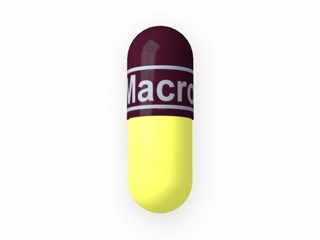
Macrobid (Nitrofurantoin monohydrate) — Patient Information (Australia)
Macrobid is an antibacterial medicine used to treat certain types of urinary tract infections (UTIs). This guide explains how Macrobid works, how it is used in everyday life, key safety information, and what to consider when taking it alongside food, alcohol, and other medicines—tailored for readers in Australia.
Brand names and availability may vary across Australian pharmacies.
Quick overview
| Topic | Summary |
|---|---|
| Generic name | Nitrofurantoin monohydrate |
| Medicine class | Urinary antiseptic/antibacterial (for UTIs) |
| Common use | Uncomplicated bladder infections (cystitis) caused by susceptible bacteria |
| How it’s taken | Typically by mouth, usually with food |
| Important limits | Not suitable for all infections (e.g., not usually for kidney infection) |
| Who should check first | People with kidney disease, certain lung/liver conditions, pregnancy/breastfeeding situations, and those taking interacting medicines |
Basic product information
Macrobid contains nitrofurantoin monohydrate as the active ingredient. Nitrofurantoin is designed to concentrate in the urine, where it can act against bacteria that cause bladder infections.
In Australia, medicines are supplied under the relevant scheduling and regulatory framework. Availability may vary by pharmacy, and different presentations may exist (for example, modified-release or other nitrofurantoin formulations).
How Macrobid works (mechanism of action)
Nitrofurantoin is converted inside bacterial cells into reactive molecules that damage key bacterial processes. This includes:
- Interference with bacterial enzymes necessary for energy production
- Damage to bacterial cell components, leading to cell death
- Broad antibacterial activity against many common UTI organisms
Because it acts in multiple ways against bacteria, nitrofurantoin tends to retain activity even as some bacterial resistance patterns change. However, bacterial susceptibility still matters.
Pharmacokinetics (how the body handles the medicine)
Understanding pharmacokinetics can help explain why instructions such as “take with food” and “don’t use when kidney function is low” are important.
- Absorption: Nitrofurantoin is absorbed from the gastrointestinal tract. Taking it with food can improve absorption and reduce stomach upset.
- Distribution: After absorption, nitrofurantoin is distributed through the bloodstream but is mainly intended to work in the urinary tract.
- Urinary concentration: The medicine is excreted into urine, allowing high local concentrations to act on bacteria in the bladder.
- Elimination: Nitrofurantoin is removed from the body mainly through the kidneys. If kidney function is reduced, less medicine reaches urine and drug levels in blood can rise.
- Half-life (general concept): The time the body takes to reduce the concentration of the medicine depends on kidney function. Reduced kidney function can increase risk of side effects.
Practical implication: Macrobid is generally used for infections where urine concentration is needed and where kidney function is sufficient for safe and effective use.
Typical uses and indications
Macrobid is used to treat uncomplicated urinary tract infections, most commonly cystitis (bladder infection) caused by susceptible bacteria.
It may be considered when symptoms such as burning or pain when passing urine, frequency, and urgency are consistent with a bladder infection, and when kidney infection is unlikely.
Not for all infections: Nitrofurantoin is typically not the preferred choice for more severe UTIs such as pyelonephritis (kidney infection), because it may not achieve adequate levels in kidney tissue.
When to seek medical review urgently
- Fever, chills, or feeling very unwell
- Flank (side/back) pain
- Nausea and vomiting that prevent oral medicines
- Pregnancy with suspected UTI
- Symptoms in children, or if you’re immunocompromised
- Recurrent UTIs needing assessment for underlying causes
Dosing and timing (how to take Macrobid)
Dosing can vary based on the infection type, severity, kidney function, and the prescribing instructions provided to you. Always follow the directions given to you and the product label.
General timing guidance:
- Take at evenly spaced times to maintain effective urinary concentrations.
- Take with food (unless advised otherwise) to improve absorption and reduce nausea.
- Complete the full course even if symptoms improve early.
Common adult regimens (examples):
- For uncomplicated bladder infection, nitrofurantoin is often taken twice daily for a short course (commonly 5 days for many regimens), depending on local guidelines and the exact formulation.
- For other situations, dosing may differ.
Important: Some Australian products and formulations may differ in dosing frequency (for example, modified-release variants). Confirm the instructions specific to your Macrobid pack.
If you miss a dose
- Take the missed dose as soon as you remember unless it’s close to the time for the next dose.
- Do not take a double dose to make up for the missed one.
- If you’re unsure, check the patient information on the pack or ask a pharmacist.
How to know it’s working
- Many people begin to feel better within 24–48 hours.
- If symptoms persist or worsen after 48 hours, or if you develop fever/flank pain, contact a healthcare professional promptly.
Food interactions and what to eat
Food and Macrobid: Taking nitrofurantoin with food is generally recommended because it:
- Improves absorption
- Reduces gastrointestinal upset
Alcohol with food: Alcohol can worsen dehydration and may make UTI symptoms feel worse. While alcohol does not necessarily directly “cancel out” Macrobid, it can increase side effects such as nausea or dizziness in some people.
Hydration: Drinking adequate water can help flush the urinary tract and may ease discomfort, but don’t overdrink beyond what is comfortable—especially if you have fluid restrictions.
Alcohol interactions
There is no universal rule that alcohol must be completely avoided while taking Macrobid; however, it’s wise to consider:
- Stomach irritation: Both alcohol and antibiotics can irritate the stomach.
- Dehydration: Alcohol can contribute to dehydration, which may worsen urinary symptoms.
- Fatigue or dizziness: Some people experience these side effects with nitrofurantoin; alcohol may increase them.
Safer approach: Limit alcohol during treatment and choose fluids that keep you well hydrated. If you notice nausea or dizziness, avoid alcohol until you’re fully well.
Medicine interactions (including with other common drugs)
Several medicines can affect how nitrofurantoin works or increase side effect risk. Always tell a pharmacist or doctor about:
- All prescription medicines
- Over-the-counter products (including cold/flu medicines and pain relief)
- Herbal products and supplements
Potential interactions to be aware of
- Medicines that reduce stomach acidity variability: Changes in gastrointestinal conditions may affect absorption for some antibiotics; follow product instructions.
- Medicines affecting kidney function: Because nitrofurantoin relies on kidney excretion, reduced kidney clearance can increase side effects. This is particularly important when using drugs that affect renal function.
- Probenecid: Probenecid can reduce renal clearance of nitrofurantoin, potentially increasing side effects and reducing effectiveness in urine.
- Other potentially interacting antibiotics: If you are taking multiple antibiotics, bacterial susceptibility and combined effects should be reviewed.
Note: This is not a complete interaction list. Your pharmacist can check interactions based on your full medicine list.
Safety profile (what to watch for)
Like all medicines, Macrobid can cause side effects. Many are mild, but some require prompt medical attention.
Common side effects
- Nausea
- Loose stools or diarrhoea
- Loss of appetite
- Headache or dizziness in some people
- Urine may look darker (this is usually benign)
Serious side effects — seek urgent medical advice
Contact a healthcare professional urgently if you develop:
- Allergy symptoms: rash, swelling of face/lips, wheezing, trouble breathing
- Severe or persistent diarrhoea, particularly if watery or with blood, or severe abdominal cramps
- Breathing problems (new cough, shortness of breath) or chest pain
- Signs of liver problems: yellowing of skin/eyes, dark urine, severe fatigue, right upper abdominal pain
- Neurologic symptoms such as numbness/tingling or weakness
- Severe pain or swelling suggesting a significant reaction
Risk considerations
- Kidney function: Nitrofurantoin is more likely to cause side effects if kidney function is reduced.
- Older adults: Some people in older age groups have increased risk for side effects; clinicians may check kidney function first.
- Duration: Longer or repeated courses may increase risk of rare lung/liver reactions.
- Vitamin status: People with certain nutritional issues may be more prone to neuropathy; review if relevant.
Practical use tips to get the most benefit
- Take with food: keep it consistent with meals to reduce stomach upset.
- Set reminders: twice daily dosing is easier if you link doses to breakfast and dinner.
- Don’t stop early: symptom improvement does not always mean all bacteria are gone.
- Stay hydrated: drink water regularly; avoid excessive caffeine if it worsens bladder discomfort.
- Track symptoms: note improvement, fever, flank pain, or worsening.
- Avoid sharing medicines: UTIs differ; another person’s course may not fit your situation.
- Consider testing if recurrent: repeat infections may need urine culture or evaluation for underlying causes.
Alternative options for UTIs (Australia)
UTI treatment choice depends on symptoms, severity, previous antibiotic exposure, local resistance patterns, pregnancy status, and kidney function. Your clinician may consider:
- Other antibiotics commonly used for uncomplicated cystitis (examples may include trimethoprim, fosfomycin, or cephalosporins depending on guidance and susceptibility).
- Urine culture-guided therapy in recurrent or complicated cases.
- Non-antibiotic support for symptom relief (while recognising that antibiotics are often required for bacterial UTIs), such as:
- Pain relief (e.g., paracetamol) as appropriate
- Hydration and bladder comfort measures
Important: The “best” alternative depends on your history and likely bacteria. Nitrofurantoin may or may not be appropriate for your specific case.
Pharmacovigilance and updates: recent guidance (Australia context)
Australia, like other countries, continually updates recommendations to support safe and effective antibiotic use. Recent guidance trends have included:
- Antibiotic stewardship: use antibiotics only when benefits outweigh risks, and choose the most appropriate agent and duration.
- Greater emphasis on urine culture for recurrent UTIs, treatment failures, or complicated scenarios.
- Safety screening for kidney function when using nitrofurantoin.
- Review of contraindications based on evolving evidence, particularly around kidney impairment and rare adverse reactions.
If you have had a UTI before, or if symptoms are not improving, follow up promptly so your treatment plan can be reviewed.
Market and legal context in Australia (how it’s supplied)
In Australia, access to medicines depends on how they are scheduled under the Australian Therapeutic Goods Administration (TGA) framework and state/territory rules. Many antibiotic medicines require clinical assessment and appropriate dispensing processes.
Macrobid is an established product and may be supplied through regular pharmacy channels. Your pharmacist can confirm:
- Whether the product you have is the correct formulation and strength
- Your dosing schedule based on the instructions provided
- Potential interactions with your current medicines
- When to seek review if symptoms do not improve
Delivery, availability, and what to expect when ordering
When ordering online through an Australian pharmacy, availability depends on stock and supplier deliveries. Delivery options may include:
- Standard delivery (typical for non-urgent orders)
- Express delivery in some areas
- Click-and-collect if offered (where available)
Tip: If your UTI symptoms are severe or worsening, don’t delay seeking timely care. Antibiotics work best when started appropriately for the suspected infection.
Storage: Store your Macrobid tablets according to the label (often at room temperature, in a dry place, away from direct sunlight). Keep out of reach of children.
FAQ — Frequently asked questions
1) What is Macrobid used for?
Macrobid (nitrofurantoin monohydrate) is used to treat certain uncomplicated bladder infections (cystitis) caused by susceptible bacteria. It is not intended for every type of UTI.
2) How quickly should I feel better?
Many people notice symptom improvement within 24–48 hours. If you have no improvement by 48 hours, or if you develop fever or flank pain, seek medical advice promptly.
3) Should I take Macrobid with food?
Yes, taking nitrofurantoin with food is generally recommended. It can improve absorption and reduce nausea. Follow the instructions on your medicine label or provided by your pharmacist.
4) Can I drink alcohol while taking Macrobid?
It’s usually best to limit alcohol during treatment. Alcohol may worsen dehydration and can increase the chance of stomach upset or dizziness. If you choose to drink, keep it minimal and ensure you stay hydrated.
5) Does Macrobid treat kidney infections?
Nitrofurantoin is typically used for bladder infections rather than kidney infections. Kidney infections can be more serious and may require different antibiotics. If you have fever, chills, or side/back pain, seek urgent medical review.
6) What if I have kidney problems?
Kidney function is important for nitrofurantoin safety and effectiveness. People with reduced kidney function may not get enough urinary concentration and may be at increased risk of side effects. A clinician may check your kidney function before starting.
7) Can I take it if I’m pregnant or breastfeeding?
Pregnancy and breastfeeding require individual assessment. The decision depends on timing in pregnancy, your symptoms, and your medical history. Discuss with a healthcare professional so the safest option is chosen.
8) What are the warning signs that I should stop and get help?
Seek urgent advice for signs of an allergic reaction (rash, swelling, breathing difficulty), severe diarrhoea, breathing problems, jaundice, or any severe or unusual symptoms.
9) What can I do to prevent future UTIs?
Prevention strategies may include staying well hydrated, addressing potential triggers, reviewing sexual practices if relevant, and discussing recurrent UTI plans with a healthcare professional. Sometimes urine testing or additional evaluation is needed.
10) Are there alternatives to Macrobid?
Yes. Depending on your situation and local guidance, clinicians may choose other antibiotics or different strategies such as urine culture-guided treatment. Your pharmacist can also advise about options based on your history and test results.
Summary
Macrobid (nitrofurantoin monohydrate) is a well-established antibiotic used primarily for uncomplicated bladder infections. It works by damaging bacteria in ways that disrupt essential functions, and it is designed to concentrate in urine. Taking it with food, completing the full course, and seeking prompt medical review if symptoms worsen or don’t improve are key steps in safe, effective treatment.
If you have questions about whether Macrobid is appropriate for your symptoms, or if you’re unsure about interactions with other medicines you take, speak with a pharmacist or healthcare professional in Australia.