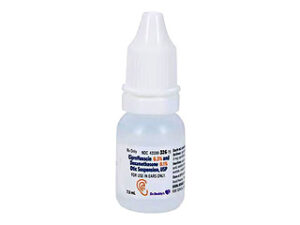
Ciloxan (Ciprofloxacin) – Patient Guide (Australia)
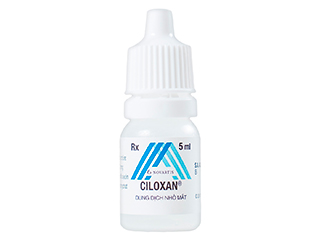
Ciloxan is an antibiotic medicine containing ciprofloxacin. It is commonly used to treat certain bacterial eye infections and, in some forms, other infections of the ear. This guide explains what Ciloxan is, how it works, how to use it safely, and what to expect. Always follow the instructions given with your product and seek medical advice if you are unsure.
Basic product information
- Medicine name: Ciloxan
- Active ingredient: Ciprofloxacin
- Type: Fluoroquinolone antibiotic
- Common formulations: Eye drops and eye ointment (product availability may vary)
- Used for: Bacterial infections of the eye/ear caused by susceptible bacteria
- Brand context (Australia): Available through Australian medicine distribution channels depending on product and strength
Note: Different Ciloxan products exist (e.g., eye drops vs ointment). The strength and dosing frequency can differ by product and indication.
How Ciloxan works (mechanism of action)
Ciprofloxacin is a fluoroquinolone antibiotic. It works by interfering with essential bacterial enzymes involved in DNA replication:
- DNA gyrase (topoisomerase II): prevents bacteria from copying and repairing their DNA
- Topoisomerase IV: disrupts bacterial cell division
This leads to rapid inhibition of bacterial growth and, depending on concentration and organism, bacterial death. Ciprofloxacin has activity against many Gram-negative bacteria and some Gram-positive bacteria.
Pharmacokinetics (what the body does with the medicine)
When used in the eye (and/or ear, depending on the formulation), only a small amount typically enters the body compared with oral or injected antibiotic therapy.
- Absorption: Eye/ear administration results in limited systemic absorption for most patients.
- Distribution: Small systemic levels can occur; ciprofloxacin is distributed in body fluids and tissues.
- Metabolism: Ciprofloxacin undergoes limited metabolism.
- Elimination: Predominantly excreted by the kidneys, with both unchanged drug and metabolites.
Clinical implication: Because systemic exposure is generally low with eye dosing, side effects are usually local (e.g., eye irritation). However, if you have kidney disease or use the drops very frequently, discuss with a healthcare professional.
Typical uses (indications)
Ciloxan is used to treat infections caused by susceptible bacteria. In Australia, it is commonly indicated for:
- Bacterial conjunctivitis (infectious “pink eye”) when bacterial infection is suspected or confirmed
- Corneal ulcers or other bacterial infections of the cornea (eye-specific products and regimens apply)
- Blepharitis or eyelid margin infections when bacterial involvement is suspected (based on clinical assessment)
- Other bacterial infections of the eye/ear where ciprofloxacin is appropriate, depending on local product indications
Important: Antibiotics do not treat viral infections (such as viral conjunctivitis) or allergic inflammation. If symptoms do not improve, worsen, or there is significant pain, you may need a different diagnosis or treatment plan.
Timing and how to use Ciloxan
Correct timing and hygiene help the medicine work and reduce reinfection. The exact schedule depends on your product and the infection type.
Common dosing approach (general guidance)
- Eye drops: Often used several times daily initially, with frequency adjusted as improvement occurs.
- Eye ointment: Sometimes used at different times (for example, may be used at night) because ointment can blur vision.
Always use exactly as directed on the product packaging or accompanying information.
Practical step-by-step use (eye drops)
- Wash and dry your hands.
- Use a mirror if it helps.
- Pull down the lower eyelid gently to form a small “pocket”.
- Hold the dropper above the eye (avoid touching the eye surface).
- Apply one drop into the pocket.
- Release the eyelid and close the eye gently.
- Nasolacrimal occlusion: If comfortable, press gently at the inner corner of the eye for 1–2 minutes to reduce drainage into the body.
- Repeat for the other eye only if instructed.
- Wash hands again.
Practical step-by-step use (eye ointment)
- Wash hands.
- Pull down the lower eyelid.
- Apply a small ribbon of ointment.
- Close the eye gently for 1–2 minutes.
- Vision may blur temporarily—avoid driving until your vision clears.
Missed dose
If you miss a dose, use it as soon as you remember unless it is close to the next dose. Do not use extra drops to “catch up” unless advised.
Dosing (typical regimens – refer to your product)
Dosing schedules vary by infection severity, site, and local product instructions. Below is a general example of how regimens may be structured. Your exact dose may be different—please follow your Ciloxan label/leaflet.
| Condition (example) | Typical Ciloxan form | Typical frequency pattern | Notes |
|---|---|---|---|
| Bacterial conjunctivitis | Eye drops | Often several times daily (e.g., every 4–6 hours initially) | May be reduced after improvement; continue for the recommended total duration |
| Corneal ulcer / serious eye infection | Eye drops (may require more intensive dosing) | More frequent dosing (sometimes every 1–2 hours initially) | Requires careful follow-up; dosing depends on severity and local guidance |
| Mixed or eyelid-associated infections | Drops and/or ointment | Frequency varies; ointment may be used at bedtime | Ointment can blur vision; plan accordingly |
Key point: If your condition is significant (moderate to severe pain, light sensitivity, reduced vision, or suspected corneal involvement), you may need urgent assessment and a treatment plan that can change quickly.
Food interactions
Ciloxan is used in the eye (and/or ear), so it is usually not affected by food. However, there are a few indirect considerations:
- Systemic absorption: If you experience stinging or burning only after using the drops, that is usually local and not related to meals.
- Oral medications: While food doesn’t typically interact with eye dosing, ciprofloxacin has systemic drug interaction potential if any amount is absorbed.
Practical advice: You can typically take your usual meals. If you are also taking other medicines (especially antacids or minerals), ask a pharmacist or doctor about interactions for those medicines.
Alcohol and medicine interactions
Alcohol
With eye/ear use, systemic exposure is generally low, so the interaction risk with alcohol is lower than with oral ciprofloxacin. Still, consider:
- If you are unwell or dehydrated, it may worsen side effects like dizziness or headache.
- Avoid alcohol if you are taking other medicines that are affected by alcohol (e.g., sedatives, certain pain medicines).
Medicine interactions (important)
Ciprofloxacin (especially when given orally) can interact with several medicines. With topical eye use, interactions are less likely, but they are still worth knowing—particularly if you take oral ciprofloxacin or have significant systemic exposure.
- Antacids and mineral supplements: Iron, zinc, magnesium, calcium, or antacids can reduce absorption of oral ciprofloxacin. This is less relevant for eye drops, but can matter if you also take oral antibiotics.
- Warfarin and other blood thinners: Oral ciprofloxacin can affect INR (blood thinning). Discuss if you take warfarin.
- Caffeine: Oral ciprofloxacin may increase caffeine levels and effects. If you only use eye drops, this is usually not significant.
- Diabetes medicines: Oral ciprofloxacin has been associated with blood sugar changes. Ask for advice if you use diabetes medications.
- Antiarrhythmics / QT-prolonging medicines: Fluoroquinolones can affect heart rhythm in some settings.
What to do: Provide your medicine list to your pharmacist. If you are taking multiple medicines or have complex health conditions, they can check interaction risk for your specific situation.
Safety profile (side effects and when to seek help)
Most people tolerate Ciloxan well. Side effects are usually mild and temporary, often involving the eye.
Common side effects
- Temporary stinging, burning, or discomfort after application
- Redness
- Itching
- Tearing
- Blurred vision (more common with ointment)
- Dryness or gritty feeling
Less common but important side effects
- Swelling of the eyelids or worsening redness
- Severe eye pain
- Light sensitivity
- Allergic reactions (rash, hives, facial swelling, breathing difficulty—seek urgent help)
- Persistent symptoms or worsening infection
Seek urgent medical attention if you have
- Sudden loss of vision or rapidly worsening vision
- Severe pain, marked light sensitivity, or inability to keep the eye open
- Symptoms that do not improve after a short period as advised (often within 24–48 hours for many mild infections), or that worsen
- Signs of allergy: swelling of face/lips, wheezing, or trouble breathing
- If you wear contact lenses and symptoms are significant (contact lens–related infections can progress quickly)
Serious fluoroquinolone-related concerns: With topical use, systemic adverse effects are uncommon. However, if you develop unusual symptoms such as tendon pain or severe allergic reactions, seek medical advice promptly.
Safety tips for practical use
- Avoid touching the dropper/ointment tip against the eye or eyelids.
- Hand hygiene: Wash hands before and after use.
- Do not share eye medications.
- Contact lenses: Avoid wearing contact lenses during treatment unless instructed otherwise. Replace lenses and case if advised after the infection resolves.
- Conserve sterility: Keep the cap closed and store at the temperature stated on the label.
- Multiple eye medicines: If using more than one eye product (e.g., lubricating drops), separate doses by at least 5–10 minutes. Use ointment last if both are used (unless your clinician advises otherwise).
- Complete the course: Continue for the recommended duration even if symptoms improve early.
- Don’t stop early without advice: Inadequate treatment can allow infection to persist or recur.
Alternative options
The best treatment depends on the cause of symptoms (bacterial vs viral vs allergic), the specific site (conjunctiva vs cornea), severity, and local antibiotic resistance patterns.
Possible alternatives (examples)
- Other antibiotic eye drops/ointments that may be used depending on local guidelines and organism susceptibility (e.g., different classes such as aminoglycosides or other fluoroquinolones where available).
- Supportive care for mild cases (e.g., lubricating drops, cold compresses) when appropriate and when bacterial infection is less likely.
- For allergic symptoms: antihistamine/mast-cell stabiliser eye drops may be considered if the condition is allergic rather than infectious.
Important: Do not switch antibiotics based only on symptom changes. If you are unsure, consult a pharmacist or clinician for advice.
Recent guidance and antimicrobial stewardship
Guidelines for eye infections emphasise:
- Correct diagnosis (distinguishing bacterial from viral and allergic causes)
- Appropriate selection of antibiotic choice and duration
- Prompt review if symptoms do not improve
- Antimicrobial stewardship to reduce unnecessary antibiotic use and limit resistance
For many mild conjunctivitis cases, clinicians may recommend supportive management or targeted antibiotics depending on signs and risk factors (e.g., contact lens use, discharge severity, corneal involvement, or immunocompromised status).
Market and legal context for Australia
In Australia, antibiotic medicines are regulated under the Therapeutic Goods Administration (TGA) framework. Availability, brand listing, strengths, and required categories vary by product type and formulation. Pharmacy supply may require specific conditions depending on the product and patient circumstances.
What this means for you: The correct Ciloxan product strength and dosing schedule must match your prescribed or recommended indication and local product instructions. Always read the consumer medicine information (CMI) provided with your medicine.
Delivery and availability
Online pharmacies in Australia may stock Ciloxan depending on demand, current listings, and product type (drops vs ointment). Availability can also be influenced by supply chain factors.
- Delivery: Delivery times vary by pharmacy and location (metro vs regional). Trackable shipping and secure packaging are commonly available.
- Cold chain: Typically not required for eye drops/ointments unless stated on the label.
- Stock updates: Check current listings—some strengths or forms may be temporarily unavailable.
Tip: If you need a specific strength or formulation, confirm with the pharmacy before ordering to avoid delays.
FAQs
1) Is Ciloxan effective for viral conjunctivitis?
Ciloxan targets bacteria and is not effective against viruses. If symptoms are viral (often watery discharge, associated cold symptoms, and similar infection exposure), supportive care may be recommended. Get medical advice if unsure.
2) How long does it take to work?
Many bacterial eye infections show improvement within 24–48 hours after starting appropriate treatment. If there is no improvement or symptoms worsen, seek advice promptly.
3) Can I wear contact lenses while using Ciloxan?
Usually, you should avoid contact lenses during treatment, especially if the eye is infected. Contact lens–related infections can worsen quickly and may require different management. Ask your pharmacist or clinician for guidance.
4) Will Ciloxan blur my vision?
Eye ointment commonly blurs vision temporarily. Eye drops may cause brief blurring for some people due to tear film mixing. Avoid driving or operating machinery until your vision is clear.
5) What should I do if it stings when I apply it?
Short-term stinging can occur. If burning is mild and passes quickly, it is often tolerable. If there is severe pain, significant swelling, or worsening redness, stop using and seek advice urgently.
6) Are there food restrictions?
There are generally no food restrictions for eye use. However, if you are taking other oral medicines that interact with antibiotics (e.g., certain minerals or warfarin), discuss with a healthcare professional.
7) Can I drink alcohol while using Ciloxan?
With topical eye use, the interaction risk is usually low. If you are taking other medicines or feel unwell, consider avoiding alcohol and ask a pharmacist if you are unsure.
8) What if I use other eye drops at the same time?
Separate doses by at least 5–10 minutes. If using both drops and ointment, ointment is often used last (but follow the specific instructions given to you).
9) Is it safe to use Ciloxan in children?
Many eye antibiotics can be used in children when appropriate, but dosing and safety considerations depend on age, weight, and diagnosis. Use only as directed by the relevant product instructions and a qualified healthcare professional.
10) Can I stop Ciloxan early once I feel better?
It’s important to complete the recommended course. Stopping early may allow infection to return or persist.
Quick summary
- Ciloxan (ciprofloxacin) is an antibiotic used for certain bacterial eye infections.
- It works by disrupting bacterial DNA replication.
- Side effects are usually local and mild, but urgent care is needed if pain, vision changes, or severe allergy occurs.
- Follow timing instructions carefully; separate other eye products by 5–10 minutes.
- Avoid contact lenses during infection treatment unless told otherwise.
- If symptoms don’t improve within about 24–48 hours (or they worsen), seek advice promptly.