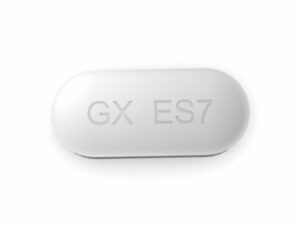


Rifaximin (Rifaximin Tablets) — Patient-Friendly Guide (Australia)
Rifaximin is an oral antibiotic medicine used to treat certain intestinal conditions. It is designed to act mainly within the gut, helping reduce harmful bacteria in the intestines while limiting whole-body absorption. This guide explains how rifaximin works, how it’s used, what to expect, and important safety and practical considerations for people in Australia.
Basic product information
| Category | Details |
|---|---|
| Medicine name | Rifaximin |
| Type | Antibiotic (poorly absorbed from the gut) |
| Typical form | Tablets (strengths vary by brand) |
| How it is taken | By mouth with water |
| Where it acts | Mainly in the intestines |
Note: Brands and strengths can vary. Always follow the dosing instructions on your medicine label or provided healthcare guidance.
How rifaximin works (mechanism of action)
Rifaximin works by inhibiting bacterial DNA-dependent RNA polymerase. In simpler terms, it interferes with the bacteria’s ability to make RNA (and therefore proteins), which slows bacterial growth and can help clear certain gut infections.
A key feature is that rifaximin has low absorption into the bloodstream. As a result, it reaches high concentrations in the gastrointestinal tract and tends to cause fewer systemic effects than antibiotics that circulate widely throughout the body.
Pharmacokinetics (how the body handles it)
- Absorption: Rifaximin is poorly absorbed from the digestive tract. Most of the medicine remains in the gut.
- Distribution: Because absorption is limited, measurable drug levels in the bloodstream are usually low.
- Metabolism: Limited systemic metabolism is expected due to low absorption.
- Excretion: Much of the drug is excreted via faeces, with only small amounts leaving the body through urine.
Because systemic exposure is low, rifaximin is often considered when gut-targeted activity is helpful, and when reducing whole-body antibiotic exposure is desirable.
What rifaximin is typically used for
Rifaximin is used for specific intestinal conditions where bacteria may play a role. In clinical practice, rifaximin is commonly associated with:
- Hepatic encephalopathy: An impaired brain function due to liver disease, often related to intestinal toxin production. Rifaximin may help reduce episodes.
- Travellers’ diarrhoea: In some settings, rifaximin may be used for non-invasive diarrhoea caused by susceptible bacteria.
- Other gut-related conditions: Depending on local clinical protocols and evidence, rifaximin may be considered for selected bowel disorders.
The exact indication and suitability depend on the condition being treated, local guidelines, and individual factors such as your health history and symptom pattern.
Indications and suitability
“Indication” means the specific medical condition for which the medicine is used. Rifaximin is intended for conditions where bacterial activity in the intestines is suspected or confirmed, and where gut-focused antibacterial action is beneficial.
If you are unsure whether rifaximin is appropriate for your situation, ask a qualified healthcare professional. They can confirm that the likely cause of symptoms matches rifaximin’s intended use.
Typical dosing and timing
Dosing depends on the condition being treated and on the specific tablet strength. The most common regimens used in practice vary between indications.
Common example regimens (general information):
- Travellers’ diarrhoea (often used as a short course): A typical regimen may be 200 mg three times daily for 3 days for non-invasive diarrhoea due to susceptible organisms.
- Hepatic encephalopathy (often used longer-term): A commonly used regimen is 550 mg twice daily for ongoing prevention/management in selected patients.
Your product label and the dosing instructions provided with your medicine will specify the correct regimen for you. Do not change your dose unless advised by a healthcare professional.
When to take rifaximin
Many people take rifaximin at regular intervals to maintain consistent gut antibacterial activity. If you are on a three-times-daily schedule, aim for dosing roughly every 8 hours. If twice daily, aim for roughly every 12 hours.
Practical timing tips:
- Set reminders to avoid missed doses.
- Use a consistent routine (for example, with breakfast and dinner for twice-daily dosing).
- If you forget a dose, take it when you remember—unless it’s close to the next dose. Do not double up.
Food interactions and whether to take with meals
Rifaximin is taken by mouth and acts primarily in the gut. In many people, food does not significantly reduce its effectiveness because absorption is low. However, as specific product instructions may differ by brand formulation, follow the directions on your label.
General guidance:
- With or without food: Often either is acceptable, but check your label.
- Stomach upset: If you experience nausea or stomach discomfort, taking it with a light meal may help.
- Consistency matters: Take it the same way each day (e.g., always with food or always on an empty stomach) unless instructed otherwise.
Alcohol interactions
Rifaximin is not typically known for a direct, dangerous interaction with alcohol in the way that some antibiotics can be. However, alcohol may worsen diarrhoea, impair hydration, and increase gastrointestinal irritation—especially if you’re taking rifaximin for diarrhoea-related conditions or you already feel unwell.
Practical recommendation: Consider avoiding or limiting alcohol while you’re taking rifaximin and until you feel fully recovered. If you have liver disease, discuss alcohol use with your healthcare team, as liver impairment affects safe alcohol intake.
Interactions with other medicines
Because rifaximin is minimally absorbed, it generally has fewer systemic drug–drug interactions than antibiotics with higher bloodstream levels. Nonetheless, interactions are still possible due to changes in gut bacteria, timing of absorption for other medicines, or individual metabolic factors.
Tell your pharmacist or doctor about all medicines you use, including:
- Other antibiotics
- Warfarin or other anticoagulants (if applicable)
- Medicines for liver disease
- Iron supplements or antacids (occasionally relevant for gastrointestinal tolerance and scheduling)
- Herbal products and supplements
If you are taking multiple medicines, your healthcare professional can check whether any specific timing adjustments are needed.
Safety profile and side effects
Most people tolerate rifaximin well. As with all medicines, there is a possibility of side effects. Some are mild and pass as your body adjusts, while others require urgent medical attention.
Common side effects
- Nausea
- Stomach discomfort
- Headache
- Mild diarrhoea or changes in bowel habits
- Constipation (less commonly)
Less common but important adverse reactions
- Allergic reactions: rash, itching, swelling, or difficulty breathing
- Severe or worsening diarrhoea: especially if watery and persistent, or if accompanied by fever or blood/mucus
- Liver-related concerns: rare; seek medical advice if you develop yellowing of the skin/eyes (jaundice), dark urine, or severe fatigue
When to seek urgent help
Get urgent medical assistance if you have:
- Signs of anaphylaxis (trouble breathing, swelling of face/lips, severe dizziness)
- Severe abdominal pain with fever
- Profuse diarrhoea with dehydration (very dry mouth, dizziness, reduced urination)
- Blood in stool or severe worsening symptoms
Practical use tips for better outcomes
- Complete the course if one is prescribed: Even if symptoms improve early, finishing the intended course can help prevent relapse.
- Hydrate well: If you’re taking rifaximin for diarrhoea, use oral rehydration solutions when needed.
- Monitor symptoms: Track frequency of stool, presence of fever, and ability to drink fluids.
- Support gut recovery: Focus on gentle foods and adequate fluids during illness.
- Avoid anti-diarrhoeal medicines unless advised: In some situations, reducing bowel movements can be unsafe—especially if infection is suspected.
- Keep a medication list: Helpful for pharmacists and doctors to check for interactions.
Missed dose guidance
If you miss a dose of rifaximin:
- Take it when you remember if it’s not close to your next dose.
- If it’s nearly time for the next scheduled dose, skip the missed dose.
- Do not take two doses at the same time to make up for the missed one.
Special populations
- Children: Suitability and dosing depend on the condition and age. Use only under appropriate guidance.
- Older adults: Often can take rifaximin, but tolerance and overall health should be considered.
- Pregnancy: The risks and benefits must be assessed for the specific situation.
- Breastfeeding: Decisions depend on maternal need and infant risk; discuss with a healthcare professional.
- Liver impairment: People with liver disease may be the very group using rifaximin for hepatic encephalopathy. Your clinician will tailor dosing and monitoring.
Alternative options (discuss with your healthcare professional)
Alternatives depend on the condition, likely cause (viral vs bacterial), and local antibiotic stewardship guidance. Depending on your diagnosis, your clinician may consider:
- Other antibiotics for specific bacterial causes (selected based on local susceptibility patterns)
- Non-antibiotic strategies when symptoms are likely due to non-bacterial causes (e.g., hydration, symptom control)
- Supportive therapy for liver-related conditions (for example, treatments that reduce toxins and support gut function)
Because diarrhoea and bowel symptoms can have many causes, using the right therapy matters. If symptoms persist or are severe, medical assessment is strongly recommended.
Alcohol and liver considerations
For people with liver disease (including those who may take rifaximin for hepatic encephalopathy), alcohol can significantly worsen outcomes. Even when a direct drug interaction is not expected, alcohol can complicate the clinical picture. If you have liver impairment, it’s best to follow professional guidance on alcohol use.
Recent guidance and antibiotic stewardship (Australia context)
In Australia, antibiotic use is guided by antimicrobial stewardship principles—meaning antibiotics should be used only when there is a clear benefit, with an appropriate choice and duration. Local prescribing practices consider:
- Whether symptoms suggest bacterial infection
- Severity and duration of symptoms
- Risk factors (e.g., travel exposures, immune status)
- Local resistance patterns
- Minimising unnecessary antibiotic exposure
For diarrhoea, clinicians generally also consider dehydration risk and whether red-flag symptoms are present (high fever, blood in stool, severe abdominal pain).
Market/legal context for Australia (important notes)
Medicine availability and classification in Australia can vary by product and indication. Some antibiotic medicines are dispensed under Australian regulatory frameworks and may require clinician involvement depending on the product schedule and your healthcare needs.
When purchasing through an online pharmacy, reputable services will typically follow Australian requirements for identity checks, safety screening, and appropriate supply practices. Always ensure the product you receive is legitimate, correctly labelled, and compatible with your intended use.
Delivery and availability
Availability depends on stock levels and supply chain timing. When ordering online, delivery options in Australia may include standard and express services. Delivery estimates are usually shown at checkout.
What to expect:
- Shipping times: vary by state and courier service.
- Packaging: medicines should arrive in secure, labelled packaging.
- Storage: store tablets as directed on the label (typically at controlled room temperature, protected from moisture and heat).
If you need the medicine for travel or a time-sensitive condition, consider allowing extra time for delivery and avoid ordering at the last moment.
Storage and handling
- Keep tablets in their original packaging.
- Store at the temperature and conditions stated on the label.
- Keep out of reach of children.
- Check the expiry date before use.
FAQ
Is rifaximin safe for everyone?
Rifaximin is suitable for many people, but not for everyone. Safety depends on your medical history, current symptoms, other medicines, and the condition being treated. If you have allergies to rifaximin or related ingredients, you should not take it. If you have liver disease or severe diarrhoea, you should seek tailored advice.
How long does rifaximin take to work?
Many people begin to notice improvement within the first 24–72 hours depending on the condition and severity. If symptoms worsen or do not improve within the expected timeframe, contact a healthcare professional.
Can I take rifaximin with food?
Many people can take rifaximin with or without food. Follow the instructions on your product label. If it upsets your stomach, taking it with a light meal may help.
What if my diarrhoea gets worse during treatment?
Worsening diarrhoea—especially if severe, persistent, or accompanied by fever or blood—should be assessed promptly. Stop self-managing and seek medical advice.
Does rifaximin cause thrush or gut imbalance?
Because rifaximin is primarily gut-targeted and minimally absorbed systemically, the risk profile differs from some other antibiotics. However, antibiotic treatment can still alter gut bacteria and may contribute to fungal overgrowth in some individuals. Seek medical advice if you develop symptoms such as oral thrush, significant vaginal itching/discharge, or persistent digestive upset.
Can I drink alcohol while taking rifaximin?
A direct dangerous interaction is not commonly expected, but alcohol can worsen diarrhoea and dehydration, and may be inappropriate for people with liver disease. Limiting or avoiding alcohol during treatment is generally the safer approach.
Are there situations where rifaximin is not recommended?
Rifaximin may not be appropriate if the cause of symptoms is unlikely to be bacterial, if you have a known allergy to rifaximin, or if you have severe symptoms requiring different urgent care. Always confirm suitability with a healthcare professional.
What are common alternatives?
Alternatives depend on the diagnosis. For diarrhoea, clinicians may recommend rehydration and symptom management and, when necessary, different antibiotics based on likely pathogens and local guidance. For liver-related indications, other treatments for hepatic encephalopathy may be used.
How should I take rifaximin if I miss a dose?
Take it when you remember if you’re not close to the next dose. Otherwise, skip and continue as scheduled. Do not double doses.
Summary
Rifaximin is a gut-focused antibiotic used for selected intestinal conditions, including certain liver-related complications and travellers’ diarrhoea in appropriate cases. It works by inhibiting bacterial RNA production and is absorbed poorly into the bloodstream, helping it target the intestines with limited systemic exposure. As with all antibiotics, it should be used for the right condition, at the right dose, for the intended duration—alongside supportive care such as hydration.
If you have ongoing symptoms, severe diarrhoea, signs of allergy, or symptoms that don’t improve, seek medical attention promptly. For the most accurate dosing and suitability, refer to the medicine label and consult a qualified healthcare professional.