Aciclovir (Acyclovir) — Patient Information (Australia)
Aciclovir (also spelled acyclovir) is an antiviral medicine used to treat infections caused by the herpes virus family. Depending on the form (tablets, cream, or sometimes other presentations), aciclovir may be used for conditions such as cold sores (herpes labialis) and certain herpes infections affecting the skin, eyes, or genitals.
This page is designed to help you understand how aciclovir works, how it is typically used, and what safety considerations are important for people in Australia.
Quick Facts
- Medicine name: Aciclovir (Acyclovir)
- Type: Antiviral (nucleoside analogue)
- Common uses: Herpes infections such as cold sores, genital herpes (HSV), and other HSV-related conditions (depending on form and clinical assessment)
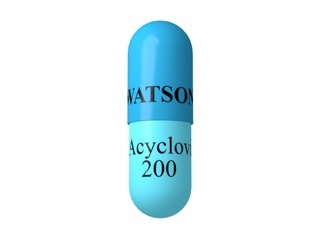
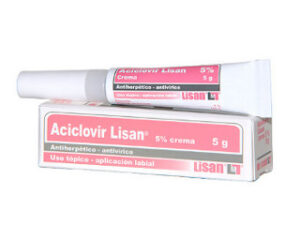
- Forms commonly available: Tablets and creams (availability varies by brand/presentation)
- Key benefit: Helps reduce virus replication and may shorten symptoms when started early
- Important: Effectiveness is best when treatment begins as soon as possible after symptoms start
Basic Product Information
Aciclovir is a medicine that targets herpes viruses including Herpes simplex virus (HSV-1 and HSV-2) and Varicella zoster virus (VZV). It works by interrupting viral DNA replication, which slows or stops the virus from multiplying.
In Australia, you may find aciclovir in different strengths and dosage forms depending on the product. Some forms may be available over the counter (OTC) while others may be supplied via pharmacist counselling or prescription-based supply pathways, depending on local product registration, age, and indication.
How Aciclovir Works (Mechanism of Action)
Aciclovir is converted inside virus-infected cells to an active form (a “triphosphate” metabolite). This active metabolite:
- Competes with viral DNA building blocks, interfering with viral DNA synthesis.
- Stops DNA chain elongation once incorporated into the viral DNA.
- Is preferentially activated in infected cells, which helps reduce effects on healthy cells.
In practical terms, aciclovir helps lower viral replication. The earlier you start treatment (especially for cold sores), the more likely symptoms are to improve sooner.
Pharmacokinetics (How the Body Handles Aciclovir)
“Pharmacokinetics” describes how a medicine is absorbed, distributed, metabolised, and eliminated. Key points for aciclovir include:
- Absorption: Oral aciclovir is absorbed from the gastrointestinal tract. Absorption may vary between individuals.
- Distribution: It distributes into body tissues. In infections involving mucosa or skin, therapeutic levels may be relevant at the site of infection.
- Metabolism: Aciclovir is only partially metabolised.
- Elimination: The kidneys largely eliminate aciclovir. This is why kidney function is important for dosing safety.
- Half-life: The elimination half-life is typically several hours, supporting dosing schedules that repeat through the day.
If you have kidney disease or reduced kidney function, you may need adjusted dosing and additional safety monitoring. Good hydration is generally recommended to help support kidney elimination.
Typical Use and Common Indications
Aciclovir is used to treat infections caused by herpes viruses. The exact indication depends on the form (tablets vs cream), severity, and where the infection is located.
Common conditions where aciclovir may be used:
- Cold sores (herpes labialis): May be treated with aciclovir cream and sometimes tablets for more severe cases.
- Genital herpes (HSV): Aciclovir tablets are used for episodes and/or suppression in some patients (depending on clinical assessment).
- Herpes zoster (shingles, VZV): Oral antivirals are used; aciclovir may be an option in some settings.
- Other HSV-related infections: Treatment decisions may be specialist-led depending on the condition (e.g., ocular involvement).
Aciclovir does not cure herpes viruses permanently, because the viruses remain dormant in the body. It helps control outbreaks and reduce viral replication.
When to Start (Timing Matters)
For many herpes infections, starting treatment early is one of the most important factors affecting outcome. Symptoms may start with tingling, burning, itching, or redness before blisters appear.
- Cold sores: If using aciclovir cream, apply at the earliest sign of symptoms (or at the first appearance of sores), as directed by the product instructions.
- Oral treatment for more significant episodes: Starting soon after onset may help reduce duration and intensity.
- Shingles: Antiviral treatment is time-sensitive; it is often most effective when started as early as possible after rash onset.
If you miss a dose, follow the product instructions. Do not take extra medicine to make up for missed doses unless your clinician or pharmacist advises it.
Dosing (General Guidance)
Dose recommendations depend on:
- the type of infection (e.g., cold sores vs genital herpes vs shingles)
- the form of aciclovir (tablets vs cream)
- your age
- kidney function
- whether this is treatment of an outbreak or suppression
Because products and schedules vary, always follow the dosing instructions provided with your specific Australian aciclovir product or the advice of your healthcare professional.
Typical dosing patterns (examples)
The following is general educational information and may not match your exact regimen:
- Oral treatment: often involves multiple daily doses, usually spaced throughout the day.
- Topical cream: often involves application several times daily for several days.
If you are unsure which schedule applies to your product, speak with a pharmacist. They can confirm the correct regimen for your presentation and condition.
Food Interactions
Food may affect how quickly aciclovir tablets are absorbed for some people. In many cases, taking aciclovir with or shortly after food can improve tolerability (e.g., reduce stomach upset) without significantly reducing effectiveness.
- If your leaflet or pharmacist advises a specific way (with food or on an empty stomach), follow that guidance.
- If you experience nausea, consider taking your dose with food (unless contraindicated for your particular product).
For topical cream, food is not relevant.
Alcohol and Medicine Interactions
Aciclovir does not have a well-known direct “dangerous interaction” with alcohol for all patients. However, alcohol can worsen dehydration risk and may affect immune function and recovery.
- General recommendation: keep alcohol intake moderate, especially during active infection.
- Hydration is important: drink water regularly, particularly if you are taking oral aciclovir.
- Be cautious: if you notice dizziness, drowsiness, or stomach upset, avoid alcohol and speak to a pharmacist.
If you have liver disease, kidney impairment, or take multiple medicines, it is wise to confirm safety with a pharmacist.
Safety Profile and Side Effects
Like all medicines, aciclovir can cause side effects. Most are mild and temporary, but seek medical advice if symptoms are severe or you develop signs of an allergic reaction.
Common side effects (may include)
- Headache
- Nausea, abdominal discomfort
- Dizziness
- Diarrhoea (in some people)
Local effects (for cream)
- Burning or stinging at application site
- Dryness or mild skin irritation
Serious but less common risks
- Allergic reactions: rash, swelling, trouble breathing, or hives—seek urgent care if these occur.
- Kidney-related issues: especially at higher doses, dehydration, or if you already have impaired kidney function.
- Neurological symptoms: confusion or severe drowsiness—contact urgent medical advice if these occur.
This is not a complete list. Always refer to the consumer medicine information (CMI) that comes with your specific aciclovir product for the full safety information.
Who should take extra care?
- People with kidney disease or reduced kidney function
- Elderly patients (kidney function may decline with age)
- Dehydrated individuals (vomiting/diarrhoea/low fluid intake)
- People on other medicines that affect the kidneys
Practical Use Tips (How to Get the Best Results)
If you’re using aciclovir cream for cold sores
- Start early: begin at the first signs of a cold sore.
- Wash hands before and after: helps prevent spreading the virus to your eyes or other skin areas.
- Apply gently: use the amount and frequency stated on the product instructions.
- Avoid eye contact: don’t apply near the eyes unless directed by a clinician.
- Follow hygiene and sharing precautions: avoid kissing or sharing utensils/razors during active sores.
If you’re using aciclovir tablets
- Take on schedule: spaced dosing helps maintain effective antiviral levels.
- Hydrate: drink adequate fluids unless your clinician has restricted fluids.
- Complete the course: even if symptoms improve early, finish as directed.
- Watch for kidney-related symptoms: seek medical advice if you have reduced urine output or unusual swelling.
Medicine Interactions (Alcohol and Other Medicines)
Aciclovir is eliminated mainly by the kidneys. Therefore, medicines that also affect kidney function or compete for kidney elimination may increase the chance of side effects.
Tell your pharmacist or clinician about all medicines you take, including:
- other antiviral medicines
- medicines that may impact the kidneys (some pain medicines, certain antibiotics, and others)
- dehydrating agents or diuretics (water tablets)
- any herbal supplements
Your pharmacist can check for potential interactions with your current medication list.
Alternative Options
Depending on the type of herpes infection, severity, and patient factors, other medicines may be considered. Common alternatives include:
- Valaciclovir: an antiviral prodrug often taken less frequently than aciclovir tablets.
- Famciclovir: another oral antiviral used for HSV and VZV in some circumstances.
- Topical antivirals (for cold sores): other topical products may be used depending on availability and guidance.
- Supportive care: pain relief, wound care, and hygiene measures can complement antiviral therapy.
Choice depends on the specific condition, timing, kidney function, age, and local availability. A pharmacist can help compare options.
Market and Legal/Regulatory Context in Australia
In Australia, medicines are supplied under the Australian Register of Therapeutic Goods (ARTG) framework. Whether a medicine is available without prescription can vary by:
- product presentation and strength
- registered indications
- patient age and clinical category
- pharmacy supply rules and schedule status
For online pharmacy services, Australian regulations typically require appropriate screening, consumer medicine information, and pharmacist counselling for suitable supply. Supply pathways may differ for creams versus tablets and for adults versus children, depending on product registration and state/territory requirements.
If you’re unsure about supply eligibility, age restrictions, or product suitability, a pharmacist can guide you.
Recent Guidance and Practical Updates
While specific recommendations can change over time, the general clinical principles for herpes management are consistent:
- Early initiation of antiviral therapy can improve outcomes for many herpes infections.
- Hydration and kidney considerations are important for medicines like aciclovir.
- Prevention of transmission (e.g., avoiding contact during active sores) remains a key part of care.
- Individual assessment is essential for complicated cases, such as eye involvement, severe genital outbreaks, or shingles in higher-risk groups.
For the most up-to-date advice, refer to the latest consumer medicine information and discuss with a healthcare professional if you have complex medical conditions.
Delivery and Availability (Online Pharmacy)
Availability of aciclovir products may vary by the specific brand and dosage form. When ordering online in Australia:
- Check product details: confirm whether you’re purchasing cream or tablets and the strength per pack.
- Consider timing: if you’re treating active symptoms, order promptly—antivirals work best when started early.
- Shipping timeframes: delivery times depend on your location, stock availability, and selected shipping method.
- Packaging and cold chain: aciclovir typically does not require cold chain storage, but follow the label instructions.
Store the medicine as directed on the packaging (often at controlled room temperature, away from moisture and sunlight).
FAQ — Aciclovir
1) Is aciclovir the same as acyclovir?
Yes. “Aciclovir” and “acyclovir” refer to the same medicine. Different spellings are used in different regions.
2) How quickly will aciclovir work?
Many people notice symptom improvement within a few days, especially when treatment begins early. For severe or widespread infections, response can vary and may depend on the site of infection and timing of treatment.
3) Can I use aciclovir for recurring cold sores?
Often yes. Topical aciclovir cream may be used for outbreaks. Some people with frequent recurrences may benefit from a prevention strategy, but the best approach depends on your pattern of outbreaks and individual risk factors.
4) Can I stop early if I feel better?
Generally, you should follow the complete course duration stated on your product instructions or as advised by a healthcare professional. Stopping early may reduce effectiveness for some infections.
5) Will aciclovir cure herpes permanently?
No. Herpes viruses can remain dormant in the body. Aciclovir helps control outbreaks by reducing viral replication, but it does not eliminate the virus completely.
6) What if I miss a dose?
Take the missed dose when you remember unless it’s close to the next dose. Do not take double doses. If you’re unsure, ask a pharmacist.
7) Can I take aciclovir with other medicines?
Many medicines can be taken together, but because aciclovir is cleared by the kidneys, some medicines may increase the chance of side effects. Check interactions with a pharmacist, especially if you take kidney-related medicines or have kidney problems.
8) Is it safe during pregnancy or breastfeeding?
Safety depends on individual circumstances. If you are pregnant, planning pregnancy, or breastfeeding, speak with a healthcare professional for advice before using aciclovir.
9) Are there any driving or machine-use concerns?
Some people may experience dizziness or headache. If you feel unwell, avoid driving or operating machinery until you know how the medicine affects you.
10) How should I store aciclovir?
Store according to the instructions on the pack. Keep it in a dry place and protect from excessive heat and sunlight.
Summary
Aciclovir is an antiviral medicine used for infections caused by herpes viruses. By interfering with viral DNA replication, it helps reduce the spread and severity of symptoms. It works best when started early, and careful dosing and hydration are important—particularly if you have kidney concerns. If you have questions about which form to use, the correct schedule, or safety with your other medicines, speak with a pharmacist in Australia.
| Topic | What to know |
|---|---|
| Best timing | Start as early as possible after symptoms begin (especially for cold sores). |
| Mechanism | Active in infected cells to block viral DNA replication. |
| Body handling | Primarily cleared by the kidneys; hydration supports elimination. |
| Food | Tablets may be taken with or after food if tolerated; follow pack instructions. |
| Alcohol | Avoid heavy alcohol; stay hydrated and monitor for side effects. |
| Key safety point | Kidney function matters—seek advice if you have kidney disease. |
| Alternatives | Valaciclovir or famciclovir may be considered depending on the condition. |