

Lamprene (Clofazimine) — Patient Information for Australia
Lamprene is a brand name of clofazimine, an antimicrobial medicine used in the treatment of certain infections. This guide is written to help you understand what Lamprene is, how it works, how it is usually taken, and what to consider for safety and day-to-day use in Australia.
Always follow your healthcare professional’s advice. Information below is general and may not match your specific situation.
1) Basic product information
- Medicine: Lamprene (clofazimine)
- Type: Antimicrobial (anti-inflammatory activity is also relevant in some conditions)
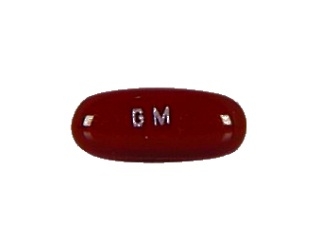
- Common forms: Capsules (strength may vary by product/availability)
- Why it’s used: Primarily for leprosy and related conditions under specific regimens
Important: Clofazimine is known for causing skin and body fluid discoloration in many people. This is expected for a portion of patients and is usually reversible, but it can take time.
2) What Lamprene does (mechanism of action)
Clofazimine belongs to a group of medicines that act against specific infectious organisms. Its exact mechanisms can be complex, but key points include:
- Interferes with microbial energy processes: Clofazimine can affect the organism’s ability to generate energy.
- Reduces damage in inflammatory states: In some diseases (including those associated with inflammatory reactions), clofazimine has anti-inflammatory effects that may help control symptoms.
- Activity in acidic environments: Clofazimine concentrates in certain cellular compartments, which helps it maintain activity against susceptible organisms.
In leprosy treatment, clofazimine is typically used as part of a combination regimen to improve cure rates and reduce the chance of resistance.
3) Pharmacokinetics (how your body handles it)
Understanding pharmacokinetics can help explain why timing, consistency, and long-term effects matter.
- Absorption: Clofazimine is absorbed slowly. Taking it consistently helps maintain steady exposure.
- Distribution: It can accumulate in body tissues, including skin and fat.
- Long half-life: Clofazimine stays in the body for a long time. This contributes to the effectiveness of dosing schedules, but also means side effects (such as skin discoloration) may persist after stopping.
- Metabolism & excretion: It is metabolised and eliminated slowly, with major elimination routes occurring over time.
Practical takeaway: Because clofazimine remains in the body, it’s important to keep doses regular and to discuss any adverse effects promptly—many are manageable, but some need monitoring.
4) Typical use in Australia
In Australia, Lamprene (clofazimine) is used for leprosy under specialist guidance, usually as part of multi-drug therapy. Clofazimine may also be used in specific circumstances involving leprosy reactions, depending on the clinical picture.
Key indications include:
- Multi-drug treatment of leprosy (as part of a combination regimen)
- Management of certain leprosy reactions when clofazimine is considered appropriate
- Other specialist-directed uses in selected infectious diseases or when alternative options are not suitable
Use of clofazimine should be coordinated with a clinician experienced in treating leprosy or relevant infectious disease conditions.
5) When to take Lamprene (timing and schedule)
The exact schedule depends on your regimen. As a general patient-friendly guide:
- Consistency is important: Take Lamprene at the same time(s) each day as advised.
- With food or after meals: Many regimens recommend taking clofazimine after food to support tolerability.
- If a dose is missed: Take it when you remember unless it is close to the next dose. Do not double up.
Tip: Use a phone alarm or medication organiser to help you stay consistent, especially since the medicine can take time to reach steady levels.
6) Food interactions
Clofazimine absorption and tolerability can be affected by food intake. Common practical advice includes:
- Taking with meals may reduce stomach upset.
- Follow specific instructions you receive for your regimen, as instructions may differ depending on your condition and dose strength.
General safety note: If you have digestive conditions, experience nausea, or have swallowing difficulties, discuss strategies with your healthcare professional.
7) Alcohol and medicine interactions
Alcohol: There is no universal “safe amount” of alcohol when taking clofazimine. Alcohol can worsen side effects (such as nausea or dizziness) and may impact liver health in some individuals. It’s best to ask your clinician whether alcohol is appropriate for you.
Interactions with other medicines: Clofazimine can interact with other drugs through effects on metabolism and additive side effects (for example, on the skin, digestive tract, or heart rhythm in certain situations). Important considerations include:
- Medicines affecting heart rhythm (QT prolongation) may be relevant for some patients.
- Other antimicrobials in combination therapy may have overlapping side effects.
- Medicines that affect liver function may increase risk if liver health is compromised.
Action steps:
- Keep a current list of medicines, including supplements and herbal products.
- Inform your healthcare professional if you start or stop any medicine while taking clofazimine.
- Seek urgent advice if you experience symptoms like palpitations, fainting, severe rash, or signs of infection.
8) Indications (what it’s used for)
For patients in Australia, clofazimine (Lamprene) is primarily used in relation to leprosy. It may be used in:
- Established leprosy infection as part of the standard multi-drug approach.
- Leprosy reaction states where an experienced clinician determines it is beneficial.
- Situations requiring alternative regimens when other agents are not suitable.
Why combination therapy matters: In leprosy, combination treatment helps ensure eradication and reduces the risk of resistance. Clofazimine is not usually used as a single agent.
9) Dosing (general information)
Dosing varies depending on the specific leprosy regimen, patient factors, and specialist protocol. Therefore, dosing must be individualised. This section provides general guidance only.
Common dosing considerations
- Age and weight: Adult and paediatric dosing may differ.
- Type of regimen: Some patients receive daily dosing; others may have intermittent schedules.
- Side effects and tolerance: Dose adjustments may be required for intolerable adverse effects.
- Duration of therapy: Leprosy treatment can be long-term; stopping and restarting should only be done with clinician advice.
What to do if you’re unsure: If you have been given a schedule (for example, daily or intermittent), follow it exactly. If you’re uncertain about your instructions, contact your prescriber or pharmacist.
10) Safety profile (what to watch for)
Lamprene (clofazimine) is generally used under specialist supervision. Like all medicines, it can cause side effects. Many are manageable, but some require prompt medical review.
Common side effects
- Skin discoloration: Red-brown to darker skin colour changes are common.
- Dryness and itching: Some people experience dry skin or itch.
- Discoloration of body fluids: Tears, sweat, saliva, and urine may become darker.
- Digestive symptoms: Nausea, abdominal discomfort, or diarrhoea can occur.
- Fatigue or mild dizziness may occur in some people.
Serious side effects (seek medical help urgently)
- Severe or blistering rash, facial swelling, or trouble breathing (possible allergic reaction).
- Signs of infection such as fever, worsening weakness, or persistent sore throat.
- Severe abdominal pain, persistent vomiting, or significant worsening diarrhoea.
- Heart rhythm symptoms: palpitations, fainting, or severe dizziness.
- New or worsening breathing problems or severe shortness of breath.
Monitoring: Clinicians may monitor skin, digestive tolerance, and overall progress, especially during longer courses.
11) Practical use tips (how to take Lamprene more comfortably)
- Expect skin colour changes: This is a known effect. Use sunscreen and moisturisers if dryness occurs.
- Oral hygiene & comfort: If tears or saliva discoloration is bothersome, maintain good hygiene and discuss symptom management.
- Manage nausea: Taking the dose after food and staying hydrated may help. Let your pharmacist know if nausea persists.
- Skin care: If itching or dryness develops, moisturising creams and gentle skin routines can help.
- Medication adherence: Because of long persistence in the body, inconsistent dosing may affect outcomes or side effects. Aim for routine.
- Report new symptoms early: Early review can prevent complications, especially if a rash or digestive intolerance appears.
12) Alternative options
For leprosy treatment, alternatives depend on the specific form of disease, reaction type, and individual factors. Options may include other antimicrobials used in standard regimens. Your specialist may choose alternatives if clofazimine is not suitable due to intolerance, allergy, or other clinical concerns.
Examples of medicines that may be part of leprosy multi-drug approaches (varies by regimen) include:
- Rifampicin (commonly used in leprosy regimens)
- Dapsone (commonly used in combination regimens)
- Other specialist-directed therapies depending on reaction management and availability
Important: Do not substitute medicines on your own. Combination therapy and specialist monitoring are essential in leprosy treatment.
13) Market and legal context for Australia
In Australia, medicines must be supplied according to regulatory requirements and prescriber/pharmacist responsibilities. Clofazimine (Lamprene) is an established medicine used in specific indications, typically under specialist care for leprosy. Supply availability may vary depending on:
- Demand and treatment needs in your region
- Stock supply chain and manufacturing schedules
- Regulatory and dispensing requirements at the time of supply
Guidance framework: Australian prescribing and dispensing practices follow guidelines from relevant bodies and current clinical standards. Your pharmacist can advise on expected availability and timelines.
Recent guidance (high-level): Current international and national leprosy guidance continues to emphasise multidrug therapy, monitoring of reactions, and management of side effects. For any evolving recommendations, your treating clinician or pharmacist can direct you to the most current advice used in clinical practice.
14) Delivery and availability (what to expect)
Availability of Lamprene can vary. When ordering through an online pharmacy, you may experience one of the following:
- In-stock dispatch: If available locally, it may be dispatched quickly.
- Order sourcing: If stock is limited, the pharmacy may arrange sourcing from distribution partners.
- Delivery timeframe estimates: These vary by location and courier services.
Before you place an order:
- Confirm you’re selecting the correct strength and quantity.
- Ensure your delivery address is accurate.
- Check if signature on delivery is required.
Cold storage: Clofazimine capsules generally do not require refrigeration unless otherwise stated for a specific product. Always check the label and packaging for storage instructions.
15) FAQ
How long does Lamprene take to work?
For leprosy, improvement can occur over time, but treatment often lasts many months. The exact duration and expected milestones depend on your disease type and how you respond. If you notice worsening symptoms, new fever, or rapidly increasing skin or nerve symptoms, seek urgent clinical advice.
Will my skin colour change?
Skin discoloration is a well-known effect for many people taking clofazimine. It may be red-brown or darker. This effect can take time to fade after stopping. If you develop a rash that feels painful, blistering, or associated with breathing difficulty, seek urgent medical care.
Can I drink alcohol while taking Lamprene?
Alcohol may worsen side effects such as nausea and may increase stress on the body. It’s safest to limit or avoid alcohol and discuss your personal situation with your pharmacist or clinician, particularly if you have liver problems or other health conditions.
What should I do if I miss a dose?
If you miss a dose, take it when you remember unless it’s close to the next dose. Do not take two doses at once to “catch up.” If you repeatedly miss doses, speak with your pharmacist to re-establish a routine.
Are there food interactions I should know about?
Taking clofazimine after meals is commonly advised to help with stomach comfort. Follow your own dosing instructions exactly.
Does Lamprene affect other medicines?
It can. Some interactions may involve heart rhythm concerns, liver metabolism, or additive side effects. Tell your pharmacist about all medicines and supplements you take so they can check for relevant interactions.
What monitoring will I need?
Your clinician may monitor your response to treatment and your tolerance, including skin and gastrointestinal effects. Depending on your regimen and health history, they may also carry out periodic blood tests.
How should I manage itching or dry skin?
Use moisturisers, gentle skin cleansers, and sunscreen if exposed areas are affected. If itching becomes severe or you develop a rash, contact your healthcare professional for assessment.
Is Lamprene suitable for children?
Use in children depends on the specific clinical situation and dosing regimen. Specialist advice is essential to ensure correct dosing and monitoring.
Where can I get reliable information and support?
Your pharmacist is a good first contact for questions about taking the medicine, side effect management, and interaction checks. Your treating clinician can guide expected treatment duration and reaction management.
Summary
Lamprene (clofazimine) is an antimicrobial medicine most often used as part of treatment strategies for leprosy and related reaction management under specialist guidance. It is known for causing skin and body fluid discoloration and can also cause digestive symptoms in some patients. Because clofazimine remains in the body for a long time, consistent dosing and early communication with your healthcare team about side effects can help you stay comfortable and achieve the best outcomes.
| Topic | What you should know |
|---|---|
| Common use | Primarily leprosy treatment as part of combination therapy (specialist-directed) |
| How it works | Affects susceptible organisms and helps control certain inflammatory reaction aspects |
| Body handling | Slow absorption, wide tissue distribution, long-lasting presence in the body |
| Typical timing | Often taken after food; follow your specific regimen for exact schedule |
| Food interactions | Food may improve tolerability; take as advised with meals |
| Alcohol | Best to limit/avoid; alcohol can worsen side effects and may affect health |
| Key side effects | Skin discoloration, dry/itchy skin, GI symptoms, discoloration of fluids |
| Seek urgent care | Severe rash, breathing difficulty, fainting/palpitations, severe abdominal symptoms |
| Availability in Australia | May vary; online pharmacies may dispatch quickly or source from distribution partners |