

Provera (Medroxyprogesterone Acetate) — Patient Information (Australia)
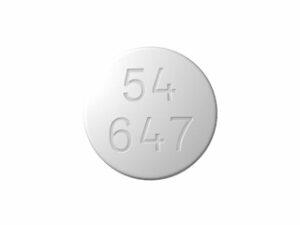
Provera is a brand of medroxyprogesterone acetate, a medicine used to provide or replace progesterone activity in the body. It is commonly used in women for hormonal conditions such as abnormal uterine bleeding and, in some cases, to help protect the womb lining during hormone therapy.
This guide is designed to be clear and patient-friendly. Always follow the instructions provided with your product and the advice of your healthcare professional.
Basic product information
- Medicine: Medroxyprogesterone acetate
- Brand: Provera
- Medicine type: Progestin (synthetic progesterone-like hormone)
- Common forms: Tablets (strengths may vary by country and product)
- Who it’s for: Typically used for people assigned female at birth for specific hormonal and reproductive health indications
Note: Product strength and dosing schedules can differ between indications. Your pharmacy label will show your exact dose.
How Provera works (mechanism of action)
Progesterone plays a key role in regulating the menstrual cycle and supporting a healthy uterine lining. Medroxyprogesterone acetate acts as a progestin—a synthetic version of progesterone with similar effects in the body.
Depending on the dose and how it is used, Provera may:
- Stabilise or thin the uterine lining (endometrium), which can help reduce heavy or irregular bleeding
- Regulate the menstrual cycle and support predictable bleeding patterns in some settings
- Counter the effects of oestrogen on the endometrium when oestrogen therapy is used, helping lower the risk of endometrial overgrowth
- In some circumstances, reduce hormone-driven growth of certain tissues (as guided by your clinician)
Pharmacokinetics (how the body processes it)
Pharmacokinetics describes absorption, distribution, metabolism, and elimination.
- Absorption: After oral dosing, medroxyprogesterone acetate is absorbed from the gastrointestinal tract. The rate and extent of absorption can vary between individuals.
- Distribution: The drug is distributed throughout the body and binds to plasma proteins.
- Metabolism: It is metabolised primarily in the liver.
- Elimination: Metabolites are cleared mainly via the kidneys (urinary excretion) and through biliary routes.
- Duration of effect: Hormonal effects can last beyond the immediate dosing window because tissue levels may persist after dosing stops.
Practical note: Because different doses are used for different conditions, the time to improvement can vary. Your healthcare provider will usually tell you what timeline to expect.
Typical uses and indications
Provera is used for a range of progesterone-responsive conditions. The most common indications include:
- Abnormal uterine bleeding due to hormone imbalance (for example, anovulatory bleeding)
- Secondary amenorrhoea (absence of periods) when progesterone deficiency or imbalance is suspected, and after other causes have been assessed
- Endometrial protection when oestrogen therapy is prescribed (to help prevent endometrial thickening)
- Other hormone-related conditions where a clinician determines progesterone activity is appropriate
Important: The right indication depends on your symptoms, medical history, and investigations. Do not use Provera to self-treat undiagnosed abnormal bleeding.
Dosing and timing (what to expect)
Dosage schedules differ by indication and product strength. A clinician may prescribe:
- Continuous dosing (taken daily without breaks) for certain regimens
- Sequential or cyclic dosing (taken for part of the cycle, followed by a break), especially when used alongside oestrogen therapy
- Short courses for bleeding control or to induce a withdrawal bleed
Typical timing expectations:
- Some people notice bleeding changes within a few days to up to around 1–2 weeks after starting, depending on the reason it was prescribed.
- A withdrawal bleed (bleeding after stopping a course) may occur after you complete cyclic dosing.
- For cycle regulation, it may take one or more cycles to see a stable pattern.
How to take it:
- Take your tablet as directed by your prescriber.
- Choose a consistent time of day to help remember doses.
- If you miss a dose, follow your healthcare professional’s advice or the medicine information leaflet supplied with your product.
Food interactions
In many patients, medroxyprogesterone acetate tablets can be taken with or without food. Food is not typically known to produce major changes in effect.
- If you get nausea: taking the tablet with a small snack may help.
- Keep hydration steady: drink water as usual.
Tip: If your medicine label advises “take with food” or “take on an empty stomach,” follow that specific instruction.
Alcohol interactions and medicines interactions
Alcohol
Moderate alcohol may not directly “cancel out” Provera, but alcohol can worsen side effects such as:
- dizziness or light-headedness
- sleep disturbance
- nausea or stomach upset
- mood changes
General advice: If you drink alcohol, do so in moderation and pay attention to how your body reacts while taking Provera.
Interactions with other medicines
Certain medicines can affect hormone levels by changing liver enzyme activity. This may influence how well Provera works or change side-effect risk.
Tell your healthcare professional if you use any of the following (not an exhaustive list):
- Enzyme-inducing medicines used for seizures (e.g., some antiepileptics)
- Some treatments for tuberculosis (e.g., rifampicin-related medicines)
- St John’s wort (herbal product)
- Medicines that affect blood clotting or have clotting risk (your clinician will advise on monitoring)
- Other hormone medicines (oestrogens, other progestins)
Also consider: If you start or stop any medicine, including supplements and herbal products, ask whether any adjustment or extra monitoring is needed.
Safety profile: common side effects and when to seek help
Common side effects
Side effects vary by dose, schedule, and individual health. People may experience:
- Irregular bleeding or spotting (especially early in treatment)
- Headache
- Nausea
- Bloating or fluid retention
- Breast tenderness
- Mood changes (some people report mood swings)
- Changes in libido
- Changes in menstrual pattern (which is often an expected effect, depending on the indication)
Serious side effects — get urgent medical help
Contact urgent medical services or seek immediate care if you develop symptoms that could indicate a serious reaction, including:
- Signs of a blood clot: sudden shortness of breath, chest pain, coughing blood, severe leg swelling/pain
- Severe allergic reaction: swelling of face/lips, trouble breathing, widespread rash
- Severe headache or neurological symptoms (weakness on one side, difficulty speaking)
- Yellowing of the skin or eyes (jaundice), dark urine, or significant abdominal pain
- Very heavy bleeding (soaking pads quickly) or bleeding with dizziness/fainting
Who should be extra cautious
Progestins can be unsuitable or require careful consideration in some situations. Ask your healthcare professional if you have (or have had):
- Liver disease
- Unexplained vaginal bleeding
- History of thromboembolic events (blood clots)
- Breast cancer or hormone-sensitive cancers
- Severe depression or significant mood disorders
Practical use tips (how to take Provera more comfortably)
- Track your bleeding pattern: note start/stop dates and heaviness (light, moderate, heavy) especially during the first 1–2 cycles.
- Use a reminder: phone alarms or pharmacy packaging can help prevent missed doses.
- Manage nausea: consider taking with food or at bedtime if you find it helps.
- Stay hydrated and monitor swelling: if fluid retention occurs, discuss with your clinician.
- Don’t stop early without advice: stopping suddenly can affect bleeding patterns and the intended therapeutic effect.
- Review your contraceptive plan: Provera is not a reliable method of contraception. If pregnancy prevention is needed, discuss appropriate options.
- Keep follow-up appointments: your clinician may check response to therapy and rule out other causes of symptoms.
Alternative options
Depending on your diagnosis and goals, alternative treatments may include:
- Different progestins (other progesterone-like medicines) with different dosing schedules
- Combined hormonal therapy (oestrogen + progestin) in selected cases
- Non-hormonal approaches for heavy menstrual bleeding (for example, medicines that reduce bleeding in specific circumstances)
- Levonorgestrel intrauterine systems (LNG-IUS) used for certain bleeding problems and endometrial conditions
- Procedural or surgical options for structural causes of bleeding (such as fibroids or polyps), when appropriate
Best next step: If Provera does not suit you or your symptoms persist, ask your healthcare professional about alternative options tailored to the underlying cause.
Market and legal context in Australia (overview)
In Australia, access to medicines is regulated under the Australian Regulatory Guidelines and the Therapeutic Goods Administration (TGA) framework. Medicines are listed with safety and quality information, including indications, warnings, and approved usage conditions.
Important: Product availability, pack sizes, and branding may vary. Your pharmacist can confirm what’s currently supplied and ensure the right strength matches your treatment plan.
Product labeling and information: Always read the consumer medicine information leaflet and follow the pharmacy label. If anything is unclear, ask a pharmacist.
Recent guidance and monitoring (what clinicians commonly emphasise)
While individual plans vary, clinicians generally focus on:
- Confirming the cause of abnormal bleeding before starting or continuing hormone therapy
- Assessing risk factors for clotting, liver issues, and hormone-sensitive conditions
- Using the lowest effective dose for the shortest appropriate time for the condition being treated
- Reviewing response over time (symptom improvement, bleeding pattern, side effects)
Practical monitoring: If you are taking Provera in a longer-term or cycle-based regimen, you may be advised to attend periodic reviews to ensure the benefit continues and risks remain acceptable.
Delivery and availability (online pharmacy information)
Provera availability can vary depending on supplier stock, formulation strength, and demand. Online pharmacies typically deliver via tracked services with appropriate packaging to protect tablets during transport.
- Dispatch timing: depends on the pharmacy’s cut-off times and whether stock is immediately available.
- Packaging: tablets are usually sent in manufacturer-approved containers or blister packs.
- Tracking: many services provide shipment tracking updates via email/SMS.
- Cold-chain: Provera tablets typically do not require refrigeration.
Delivery to you: ensure the delivery address is correct and that someone can receive the parcel if required by the courier.
Storage: store at room temperature, away from heat, moisture, and direct sunlight. Keep out of reach of children.
FAQ
1) What is Provera used for?
Provera (medroxyprogesterone acetate) is used for conditions where progesterone activity is needed, such as abnormal uterine bleeding, secondary amenorrhoea (with certain causes assessed), and endometrial protection in specific hormone therapy regimens.
2) How quickly should I notice results?
Some people experience changes in bleeding within days to around 1–2 weeks, depending on the reason for treatment. If you’re using Provera cyclically, you may notice a withdrawal bleed after completing a course. Cycle regulation can take more time (often one or more cycles).
3) Can I take Provera with food?
In most cases, Provera tablets can be taken with or without food. If you feel nauseated, taking it with a snack or at bedtime may help. Follow your specific instructions on the product label.
4) Is Provera an effective contraceptive?
No. Provera is not considered a reliable method of contraception. If pregnancy prevention is needed, discuss suitable contraceptive options with a healthcare professional.
5) What if I miss a dose?
Missed-dose advice depends on your dosing schedule and indication. Check the consumer medicine information or ask your pharmacist for guidance. If you’re unsure, contacting a pharmacist is safer than guessing.
6) What side effects are common?
Common side effects include irregular bleeding/spotting, headache, nausea, breast tenderness, bloating, fluid retention, and mood changes. Some changes may be expected as your body adjusts.
7) When should I seek urgent help?
Seek urgent medical attention if you develop signs of a blood clot (such as sudden shortness of breath, chest pain, or severe leg swelling), severe allergic reactions, jaundice, or very heavy bleeding with dizziness or fainting.
8) Can I drink alcohol while taking Provera?
Moderate alcohol may not directly interact, but it can worsen side effects like dizziness, nausea, or mood changes. If you notice you feel unwell, consider avoiding alcohol until you understand how Provera affects you.
9) Are there medicine interactions?
Yes. Some medicines can affect hormone levels (for example, certain seizure medicines, tuberculosis treatments, and St John’s wort). Tell your pharmacist about all medicines and supplements you take.
10) Who should be cautious with Provera?
Extra caution may be needed if you have liver disease, a history of blood clots, unexplained vaginal bleeding, hormone-sensitive cancers, or significant mood disorders. Your clinician will assess suitability for your situation.
Summary
Provera (medroxyprogesterone acetate) is a progestin medicine used in selected hormonal conditions, most commonly to help manage abnormal uterine bleeding, address progesterone-related menstrual issues, and provide endometrial protection in certain hormone therapy regimens. By replacing progesterone activity, it can stabilise the uterine lining and influence menstrual patterns.
For best outcomes, take Provera exactly as directed, track your symptoms, and seek medical advice if you experience concerning side effects such as very heavy bleeding or symptoms suggestive of a blood clot.
Disclaimer: This information is general and not a substitute for personalised medical advice. If you have questions about whether Provera is appropriate for you, speak with a healthcare professional.