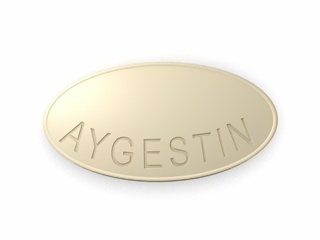
Aygestin (Norethindrone Acetate) — Patient-Friendly Medicine Information (Australia)
Aygestin is a prescription medicine that contains norethindrone acetate, a type of progestin (a synthetic form of the hormone progesterone). It is used to treat hormone-related conditions affecting the menstrual cycle and the lining of the uterus.
This page explains how Aygestin works, how it is commonly taken, what to expect, and important safety information—written in a clear, patient-friendly way for people in Australia.
Key Product Information
- Medicine name: Aygestin
- Active ingredient: Norethindrone acetate
- Drug type: Progestin (hormone therapy)
- Common forms: Tablets
- What it’s used for: A range of conditions related to abnormal uterine bleeding, endometriosis-related symptoms, and other hormone-dependent issues
- How it’s taken: Usually by mouth once daily (exact schedule depends on the condition)
How Aygestin Works (Mechanism of Action)
Norethindrone acetate is converted in the body to a biologically active progestin. Progestins help regulate the menstrual cycle and influence how the lining of the uterus (the endometrium) grows and sheds.
In general, Aygestin:
- Thins and stabilises the endometrium, which can reduce or prevent abnormal uterine bleeding.
- Counteracts oestrogen’s effects on the uterine lining, where appropriate.
- May reduce endometriosis-related symptoms by affecting hormone signalling that supports endometrial tissue growth.
- Changes cervical mucus and may affect ovulation in some people, though it is not designed as a contraceptive.
Pharmacokinetics (How the Body Handles It)
Pharmacokinetics describes what happens to a medicine after you take it—how it is absorbed, processed, and eliminated.
- Absorption: Aygestin is absorbed through the digestive system after oral dosing.
- Metabolism: The drug is metabolised primarily in the liver.
- Active form: Norethindrone acetate is converted to norethindrone (the active progestin effect).
- Elimination: Metabolites are eliminated mainly through urine and/or faeces (depending on individual metabolism).
Practical meaning for patients: Taking the tablet at the same time each day can help maintain steady hormone effects. Because the drug is metabolised by the liver, people with significant liver disease may be advised not to take progestins.
Typical Uses in Adults
Aygestin may be used for hormone-dependent conditions, including:
- Abnormal uterine bleeding (for example, heavy or irregular bleeding related to hormonal imbalance)
- Endometriosis and symptoms associated with it, in selected cases
- Other gynaecological indications where a progestin is appropriate, based on clinical assessment
Important note: The exact reason you are taking Aygestin determines the dose and schedule. Some regimens are used continuously, while others are taken in a cycle.
When to Take Aygestin (Timing and Consistency)
Aygestin is usually taken once daily. For best effect:
- Choose a consistent time each day.
- Swallow the tablet whole with water (unless your prescriber or pharmacist advises otherwise).
- Try to avoid missed doses; if you miss a dose, follow the advice in the product information or ask your pharmacist for guidance based on your schedule.
What to expect: Changes in bleeding patterns can take days to weeks. Some people notice improvements sooner, while others may need a short period for the endometrium to respond.
Food Interactions (Can You Take It With Meals?)
In general, Aygestin can be taken with or without food. Food does not typically prevent absorption.
- If you find tablets upset your stomach, taking them with a meal or snack may help.
- Maintain a consistent routine so your daily exposure stays steady.
Tip: If you’re taking other medicines, consider timing them to avoid confusion—use a daily medication reminder if helpful.
Alcohol and Medicine Interactions
Alcohol: Moderate alcohol use is not universally contraindicated with progestins, but alcohol may worsen side effects such as dizziness, drowsiness, nausea, or headache in some people.
Best approach:
- Limit alcohol while you’re getting used to the medicine.
- If you notice increased side effects after alcohol, reduce or avoid it.
Medicine interactions: Some medicines can affect how norethindrone is metabolised. This may change the effectiveness of Aygestin or increase the risk of side effects.
Examples of medicine classes that may interact include:
- Enzyme-inducing drugs (some anti-seizure medications, certain tuberculosis medicines, and some other therapies)
- Hepatic enzyme interactions that may alter steroid hormone levels
- Medicines that affect blood clotting (warfarin and others) where hormone therapy could influence bleeding risk or drug effect
Always check: Tell your pharmacist about all medicines you use (including over-the-counter products and herbal supplements). This is especially important if you take medicines for epilepsy, HIV, tuberculosis, or blood thinning.
Indications (Approved Clinical Reasons)
Aygestin is used in Australia for specific medical indications where progestin therapy is appropriate. The exact indication and regimen may vary by clinician and patient history.
Common indication themes include:
- Control of abnormal uterine bleeding
- Management of endometriosis-related symptoms
- Other conditions requiring progestin effects on the endometrium
Why indication matters: Progestin dosing schedules can differ. Some conditions are treated with a short course; others require longer therapy. Your dose will be chosen based on your goals and risk profile.
Dosing Information (General Guidance)
Doses vary by condition and by your individual circumstances. The information below is provided as general education and may not match every patient’s plan.
How dosing regimens are commonly structured:
- Continuous daily dosing for some bleeding or endometrial indications
- Cyclic dosing for other regimens, where treatment is repeated in planned intervals
- Adjusted dose if response is incomplete or side effects occur
What you can do at home:
- Follow your medicine plan exactly as directed by your healthcare professional.
- Do not adjust your dose yourself.
- If you have unusual bleeding or severe symptoms, contact a clinician promptly.
If you miss a dose: The correct action depends on your schedule (continuous vs cyclic dosing) and how long it has been since the missed dose. Check the written medicine information provided with your supply, or ask your pharmacist for personalised guidance.
Safety Profile and When to Seek Help
Aygestin is generally well tolerated by many people when used appropriately. However, like all medicines, it has potential risks and side effects.
Common Side Effects
These may occur, especially in the first weeks:
- Changes in bleeding pattern (spotting or irregular bleeding)
- Nausea, bloating, or mild stomach discomfort
- Headache
- Breast tenderness
- Changes in mood (for example, irritability or emotional changes)
- Acne or skin changes
- Fluid retention
Less Common but Serious Risks
Seek urgent medical care if you develop symptoms that could indicate a serious complication, such as:
- Signs of a blood clot: sudden shortness of breath, chest pain, coughing blood, one-sided leg swelling/pain
- Severe headaches with neurological symptoms (e.g., weakness, trouble speaking, vision changes)
- Yellowing of skin or eyes (jaundice), dark urine, severe itching—possible liver problems
- Severe abdominal pain or persistent vomiting
- Very heavy bleeding (soaking through pads rapidly or passing large clots)
Caution for certain conditions: Progestins may not be suitable for everyone. Your clinician may consider factors such as prior blood clots, certain liver conditions, known hormone-sensitive cancers, unexplained vaginal bleeding, or other medical history.
Pregnancy and Breastfeeding Considerations
- Pregnancy: Hormonal medicines should be used only when appropriate for your condition and personal risk assessment. If you think you may be pregnant, contact a clinician promptly.
- Breastfeeding: Progestins may be considered in breastfeeding under professional guidance. Discuss benefits and potential effects with your healthcare professional.
Practical Use Tips (Making Treatment Easier)
- Create a daily routine: Take it at the same time each day with water.
- Track bleeding: Keep brief notes on days of spotting, flow level, and any pain. This can help your clinician evaluate response.
- Watch for side effects early: If headaches, mood changes, or nausea become bothersome, speak to your pharmacist or clinician.
- Use a medication reminder: Smartphone alarms or pill organisers can reduce missed doses.
- Don’t use it as contraception: Aygestin is not a contraceptive. If pregnancy prevention is required, discuss suitable contraception options.
Alternative Options (Discuss With Your Clinician)
Depending on the underlying cause of symptoms, several other treatment options may be considered for abnormal uterine bleeding or endometriosis. Your healthcare professional will choose based on your goals, medical history, and risk factors.
Potential alternatives include:
- Other hormonal therapies (different progestins or combined hormonal methods in selected cases)
- Non-hormonal treatments (such as medicines to reduce menstrual blood loss in certain situations)
- Intrauterine options (for some patients, a progestin-releasing intrauterine system may be considered)
- Surgical options for certain structural causes of bleeding (where appropriate)
- For endometriosis: other hormonal regimens or pain management strategies may be recommended
Important: Alternatives are not interchangeable without medical review. Switching can change bleeding patterns and side-effect profiles.
Market and Legal Context for Australia
In Australia, medicines like Aygestin are regulated under the national medicines framework and may be supplied through authorised channels. Hormonal therapies are subject to prescribing and dispensing requirements designed to ensure safety and appropriate use.
What that means for patients:
- You should receive medicine information and advice from qualified healthcare professionals.
- Online pharmacies in Australia operate within legal requirements for supply, identity verification (where applicable), and appropriate medication handling.
- Always confirm the medicine strength, dose instructions, and expiry date before use.
Recent Guidance and Treatment Considerations
Clinical guidance for abnormal uterine bleeding and endometriosis continues to evolve as evidence develops. While specific local recommendations should always be confirmed with your clinician, current best-practice commonly focuses on:
- Assessing causes of abnormal bleeding (including ruling out red flags)
- Balancing benefits and risks of hormone therapy for each individual
- Monitoring response over the first treatment cycles or months
- Reviewing persistent or worsening symptoms rather than continuing indefinitely without reassessment
If your bleeding pattern changes significantly or symptoms persist, it is important to have a follow-up assessment.
Delivery and Availability (Online Pharmacy in Australia)
Aygestin availability can vary by pharmacy supplier and stock levels. When you order through an online pharmacy, supply may be:
- Sent directly to your nominated address within Australia (where supported by the pharmacy)
- Delivered in manufacturer packaging with clear dosing information
Before dispatch: Some online orders may require confirmation steps based on the product and your order details.
Delivery tips:
- Ensure your contact details are correct.
- If you have a change-of-address, update it before dispatch if possible.
- For deliveries requiring signature, be available or redirect according to the carrier instructions.
How to Store Aygestin
Follow the storage instructions provided with your medicine. In general:
- Keep tablets in their original container
- Store at room temperature unless the label states otherwise
- Keep out of reach of children
- Do not use after the expiry date
Aygestin — Summary Table
| Category | Details |
|---|---|
| Medicine | Aygestin |
| Active ingredient | Norethindrone acetate |
| Type | Progestin (synthetic progesterone) |
| Common role | Helps regulate uterine lining and reduce abnormal uterine bleeding |
| How taken | Usually once daily by mouth (schedule depends on condition) |
| Food | Generally can be taken with or without food |
| Alcohol | May worsen side effects in some people; moderation advised |
| Key safety | Watch for signs of blood clots, liver problems, or very heavy bleeding |
FAQ — Aygestin (Norethindrone Acetate)
1) What is Aygestin used for?
Aygestin is a progestin medicine used for conditions such as abnormal uterine bleeding and, in selected patients, endometriosis-related symptoms. The exact indication and dose depend on your diagnosis and medical history.
2) How soon will my bleeding improve?
Some people notice changes within days to weeks, while others need longer. If bleeding becomes very heavy, persists, or worsens, seek medical advice rather than waiting.
3) Can I take Aygestin with food?
Yes. Aygestin is generally taken with or without food. If it upsets your stomach, consider taking it with a meal.
4) What if I miss a dose?
What to do depends on your dosing schedule and timing. Check the written product information supplied with your medicine, or contact your pharmacist for guidance tailored to your regimen.
5) Does Aygestin work as contraception?
Aygestin is not a contraceptive. If you need pregnancy prevention, discuss reliable contraception options with a clinician.
6) Are there interactions with other medicines?
Yes. Some medicines can affect hormone metabolism or change bleeding risk. Tell your pharmacist about all medicines you take, including herbal products and over-the-counter medicines.
7) Can I drink alcohol while taking Aygestin?
Moderate alcohol may be tolerated, but alcohol can worsen side effects such as nausea, dizziness, or headaches in some people. If you notice increased symptoms, reduce or avoid alcohol.
8) What side effects are common?
Common side effects include changes in bleeding, headache, nausea or bloating, breast tenderness, mood changes, and acne or skin changes. Many improve as your body adjusts.
9) When should I seek urgent help?
Seek urgent care if you develop symptoms suggesting a blood clot (chest pain, sudden shortness of breath, one-sided leg swelling), severe neurological symptoms, jaundice or severe liver symptoms, or very heavy bleeding.
10) How should I store Aygestin?
Store tablets in their original packaging, at room temperature unless stated otherwise on the label, and keep out of reach of children. Do not use after the expiry date.
Need More Help?
If you have questions about how Aygestin fits your situation—such as managing side effects, interactions with your current medicines, or understanding your treatment plan—your pharmacist is a helpful first contact. For urgent concerns or severe symptoms, seek immediate medical attention.