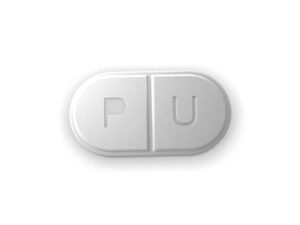
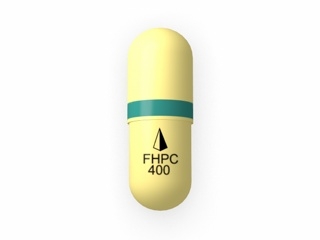


Ponstel (Mefenamic Acid) – Patient Guide (Australia)
Ponstel contains mefenamic acid, a medicine from the NSAID family (non-steroidal anti-inflammatory drugs). It is commonly used to relieve pain and inflammation, particularly for certain types of menstrual discomfort. This guide explains how Ponstel works, how to take it, what to expect, and important safety information for use in Australia.
| Product name | Active ingredient | Medicine type | Typical uses |
|---|---|---|---|
| Ponstel | Mefenamic acid | NSAID (pain reliever/anti-inflammatory) | Menstrual pain (dysmenorrhoea) and pain associated with inflammation |
| Common strengths | e.g., 250 mg capsules (availability may vary) | Oral | Short-term use |
Key points at a glance
- Used for: Pain relief—especially painful periods (dysmenorrhoea).
- How it works: Reduces substances (prostaglandins) involved in pain, fever and inflammation.
- How to take: Often taken after food to reduce stomach upset (your label instructions may differ).
- Time to start working: Pain relief may begin within about 1–2 hours for many people.
- Be cautious: NSAIDs can increase the risk of stomach irritation/ulcers, kidney issues, and cardiovascular risks in some people.
- Not for everyone: Avoid or use only with careful advice if you have a history of ulcers, kidney disease, or certain heart conditions.
What is Ponstel?
Ponstel is a brand of mefenamic acid, an oral NSAID. NSAIDs reduce pain and inflammation by targeting the body’s production of prostaglandins.
In Australia, mefenamic acid is used for specific pain conditions. It is generally intended for short-term management, depending on the condition being treated.
How Ponstel works (mechanism of action)
Mefenamic acid works by inhibiting the cyclo-oxygenase (COX) enzymes, which are involved in making prostaglandins. Prostaglandins contribute to:
- Pain and heightened sensitivity to pain
- Inflammation (swelling and tissue irritation)
- Fever (in some conditions)
By lowering prostaglandin levels, Ponstel can reduce cramping, tenderness, and inflammation-related discomfort—particularly in conditions where prostaglandins are elevated (such as menstrual pain).
Pharmacokinetics (how the body handles it)
Pharmacokinetics describes absorption, distribution, metabolism, and elimination. While individual responses vary, typical patterns for mefenamic acid include:
- Absorption: After oral dosing, mefenamic acid is absorbed through the gastrointestinal tract.
- Peak levels: Blood levels typically rise over the hours after a dose; the exact timing can vary by formulation and whether it is taken with food.
- Distribution: It is distributed throughout the body and may bind to plasma proteins.
- Metabolism: The medicine is processed primarily in the liver.
- Excretion: Metabolites are removed mainly via kidneys (urine) and also via the bile and faeces.
Important practical implication: Because metabolism and elimination involve the liver and kidneys, people with liver or kidney impairment may be at higher risk of side effects and may need careful evaluation.
Typical uses and indications
Ponstel is mainly used for:
- Dysmenorrhoea (painful menstrual periods)
- Other pain where an anti-inflammatory NSAID is appropriate (as supported by clinical practice and product information)
It is generally recommended for short-term symptom relief, not for long-term continuous use unless specifically advised by a clinician.
When to take Ponstel (timing)
The best timing can depend on the condition being treated and your individual plan. For many people:
- Menstrual pain: Taking Ponstel soon after symptoms begin (or at the start of cramps) may help reduce discomfort as prostaglandin activity rises.
- For ongoing pain: Take doses at regular intervals as directed so pain control stays consistent.
Tip: If you routinely experience cramps, some people find relief is improved when they begin treatment early—however, follow the instructions on the pack and any advice provided with your order.
Dosing overview (adult use)
Dosing should always follow the label directions or pharmacy instructions provided with your product. Below is a general framework often used for mefenamic acid in clinical practice; always confirm the dose and schedule on your specific pack.
- Adults: Common regimens involve doses taken several times per day for a limited period.
- Duration: Use is typically limited to the shortest period needed for symptom control.
- Missed dose: If you miss a dose, take it when remembered unless it is close to the next dose. Do not double up.
Children and adolescents: NSAID dosing in younger people must be carefully calculated and supervised. Use only if appropriate for age and condition and with correct dosing guidance from healthcare professionals.
How to take Ponstel
- Swallow whole with water—do not crush or chew capsules unless your product information specifically allows it.
- Take with food (or immediately after food) to reduce stomach upset.
- Stay hydrated, particularly if you’re experiencing vomiting, diarrhoea, or reduced fluid intake.
- Avoid taking with other NSAIDs (e.g., ibuprofen, naproxen, diclofenac) unless specifically advised.
Food interactions (what to watch)
Food can affect how quickly and comfortably the medicine is tolerated.
- Taking with or after food: Often reduces risk of stomach irritation and improves tolerability.
- Fasting/empty stomach: May increase the chance of nausea, stomach pain, or heartburn.
There are no major “specific foods” that universally prevent mefenamic acid from working, but general stomach-protection principles apply—particularly for those prone to reflux or gastritis.
Alcohol interactions
Avoid alcohol while taking Ponstel unless you’ve been told it is safe for you. Alcohol can increase the risk of:
- Stomach irritation, ulcers, and bleeding
- Dizziness or worse side effects
- Kidney stress in some circumstances (especially if dehydrated)
If you choose to drink, keep it minimal and take the medicine with food. Stop and seek advice if you develop abdominal pain, black stools, vomiting blood, or significant nausea.
Medicine interactions (important)
Ponstel can interact with other medicines, increasing the risk of side effects or reducing effectiveness. Before using Ponstel, consider the following interaction groups:
Other NSAIDs and pain medicines
- Avoid combining with other NSAIDs (e.g., ibuprofen, naproxen, aspirin for pain) due to higher risk of stomach and kidney complications.
Blood thinners (anticoagulants) and antiplatelets
- Increased risk of bleeding when NSAIDs are used with medicines such as warfarin, apixaban, rivaroxaban, dabigatran, or clopidogrel.
Blood pressure medicines and kidney-related drugs
- NSAIDs may reduce the effect of some blood pressure medicines (including ACE inhibitors and ARBs) and can increase risk of kidney problems, particularly in dehydrated people.
- People on diuretics (“water tablets”) may have increased risk of dehydration-related kidney injury.
Diuretics (“water tablets”)
- Combining an NSAID with a diuretic can increase kidney risk, especially if you’re older or dehydrated.
Corticosteroids
- Using NSAIDs with steroids (e.g., prednisolone) can raise risk of stomach ulceration/bleeding.
SSRIs/SNRIs (antidepressants)
- Some antidepressants increase bleeding risk; combined use with NSAIDs may increase gastrointestinal bleeding risk.
Lithium and methotrexate
- NSAIDs can raise blood levels of lithium or methotrexate, increasing toxicity risks.
Diabetes medicines
- NSAIDs may influence blood sugar in some people; monitor closely if you use diabetes medication.
General safety rule: If you take regular medicines, it’s wise to check for interactions with a pharmacist. If you are unsure, bring a list of your medicines when ordering or seek advice.
Safety profile: who should be extra careful?
Most people tolerate mefenamic acid without major problems when taken correctly for short periods. However, NSAIDs can cause significant side effects in some individuals. Be particularly cautious if you have any of the following:
- History of stomach ulcers, bleeding, or gastritis
- Kidney disease or reduced kidney function
- Heart disease, stroke history, or uncontrolled high blood pressure
- Asthma triggered by NSAIDs
- Fluid retention or heart failure
- Liver disease
- Age over 65 (risk may be higher)
People at higher risk may need an alternative medicine or additional monitoring.
Common side effects
Common side effects can include:
- Stomach upset (indigestion, nausea)
- Heartburn
- Headache
- Dizziness
- Abdominal pain
Serious side effects—seek urgent help
Stop using Ponstel and seek urgent medical advice if you experience any of the following:
- Signs of gastrointestinal bleeding: black/tarry stools, vomiting blood, or severe abdominal pain
- Allergic reactions: swelling of the face/lips, wheezing, rash, or difficulty breathing
- Severe skin reactions: blistering rash, peeling skin, sores in the mouth
- Reduced urination, swelling in legs/feet, or symptoms of kidney trouble
- Chest pain, sudden shortness of breath, weakness on one side, or signs of stroke
Practical use tips
- Use the lowest effective dose for the shortest time needed.
- Take with food and plenty of water.
- Do not “stack” NSAIDs: avoid adding other NSAIDs for extra effect.
- Track symptoms: if pain persists beyond the expected timeframe, consider medical review.
- Be alert if you miss doses—inconsistent dosing may increase breakthrough pain.
Alternative options
If Ponstel is not suitable, there may be other options depending on the cause of the pain and your health history.
For pain relief
- Paracetamol (acetaminophen): may be an option for pain relief and is gentler on the stomach than NSAIDs for many people.
- Other NSAIDs (e.g., ibuprofen) may be considered in some circumstances, but they share many of the same risks.
For menstrual pain (dysmenorrhoea)
- Hormonal options may be considered for recurrent or severe period pain (discuss with a healthcare professional).
- Non-drug measures: heat packs, rest, hydration, and gentle exercise can help.
Important: Don’t switch between NSAIDs without considering the overlapping risks to the stomach, kidneys, and cardiovascular system.
Market and legal context for Australia
In Australia, medicines containing mefenamic acid are provided under the regulatory framework administered by the Australian Therapeutic Goods Administration (TGA). Availability and classification may vary by product, strength, and formulation.
Online pharmacy supply in Australia typically follows relevant regulations regarding safe supply, identity verification, and appropriate triage for medicine use. Your pharmacy may ask screening questions (e.g., age, pregnancy status, ulcer history, kidney disease, other medicines) to support safe use.
Note: Product information and access requirements can change over time, so always follow the latest instructions provided with your purchase.
Recent guidance and risk awareness (what to know)
NSAID safety remains a key focus internationally and in Australia due to known risks. Recent healthcare guidance continues to emphasise:
- Lowest effective dose and shortest duration for NSAID therapy
- Increased caution in people with higher cardiovascular or gastrointestinal risk
- Awareness of kidney risk in older adults, dehydration, or concurrent kidney-affecting medicines
If you are using NSAIDs frequently or you have significant medical risk factors, a pharmacist or doctor can help you choose a safer option and develop a plan.
Delivery and availability in Australia
Availability of Ponstel (mefenamic acid) can vary by pharmacy stock levels and supplier availability. When ordering online, you may see:
- Estimated dispatch times after payment confirmation
- Delivery options by standard or express post (depending on location)
- Packaging that protects the product and complies with retail distribution norms
If Ponstel is temporarily unavailable, some pharmacies may offer:
- Similar NSAID options (where appropriate), or
- Alternative pain relief products based on your needs and safety screening
FAQ
Is Ponstel used for period pain?
Yes. Ponstel (mefenamic acid) is commonly used for dysmenorrhoea (painful menstrual periods). Many people take it early when cramps begin for better symptom control.
How quickly does mefenamic acid work?
Pain relief may begin within about 1–2 hours for many people, though timing can vary. Taking it after food may help reduce stomach side effects.
Can I take Ponstel with food?
Generally, yes—many people find taking NSAIDs with or after food reduces stomach irritation. Always follow your pack instructions.
Can I drink alcohol while taking Ponstel?
It’s best to avoid alcohol because it can increase the risk of stomach irritation and bleeding. If you choose to drink, keep it minimal and take the dose with food.
Can I take Ponstel with other pain medicines?
Avoid combining with other NSAIDs. Paracetamol may be an alternative for some people, but check for your specific situation and other medicines you take.
Who should not use Ponstel?
You should be cautious or seek advice if you have a history of ulcers or gastrointestinal bleeding, kidney disease, heart disease, NSAID-triggered asthma, or certain other serious conditions. A pharmacist can help assess suitability.
What should I do if I miss a dose?
Take it when you remember unless it is close to the next scheduled dose. Do not take a double dose.
How long can I take Ponstel?
NSAIDs are usually used for the shortest duration required. If pain persists or you need it repeatedly, speak with a pharmacist or clinician for reassessment and safer long-term management.
Are there warning signs that mean I should stop?
Yes. Stop and seek urgent advice if you experience symptoms of stomach bleeding, a serious allergic reaction, severe skin reactions, or signs of kidney or heart complications.
What are safer alternatives if I have a sensitive stomach?
Paracetamol may be gentler for some people. However, if your pain is inflammatory or menstrual cramps are severe, a pharmacist can suggest options that balance relief with safety.
Summary
Ponstel (mefenamic acid) is an oral NSAID used to relieve pain and inflammation—especially menstrual pain. It works by reducing prostaglandins, which helps ease cramping and discomfort. When taken correctly with food for the shortest time needed, many people experience good relief. However, because NSAIDs can affect the stomach, kidneys, and cardiovascular system, careful attention to dose, timing, and interactions is essential.
If you have questions about suitability, interactions with your current medicines, or the best way to manage your symptoms, a pharmacist can provide tailored guidance based on your health profile.