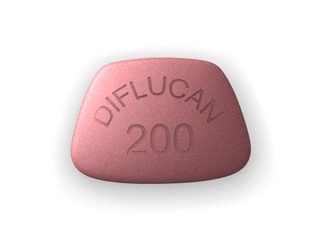


Diflucan (Fluconazole) – Patient Guide (Australia)
Diflucan is a well-known antifungal medicine containing fluconazole. It is used to treat a range of fungal infections, particularly Candida and some other fungal species. This guide explains how Diflucan works, how it is used, important safety information, and what to know about interactions and practical tips.
Note: Always follow the instructions provided with your medicine. If you have any questions—especially if you are pregnant, immunocompromised, have liver disease, or take multiple medicines—speak with a healthcare professional.
Basic product information
| Product | Active ingredient | Common forms | Typical strengths (examples) |
|---|---|---|---|
| Diflucan | Fluconazole | Oral capsules or oral suspension | 50 mg, 100 mg, 150 mg (strengths may vary by availability) |
How it is supplied: Depending on dose and formulation, Diflucan may be supplied in capsule or liquid form. Availability can differ across pharmacies and stock levels.
How Diflucan works (mechanism of action)
Fluconazole belongs to the class of medicines called azoles. It works by targeting an essential step in fungal cell growth.
- It inhibits fungal enzymes involved in making ergosterol, an important component of fungal cell membranes.
- Without ergosterol, the fungal cell membrane becomes weak or unstable.
- This leads to stopping fungal growth and, depending on the organism and site of infection, may help clear the infection.
Fluconazole is particularly effective against many strains of Candida (for example, Candida albicans), and it can also treat certain other fungal infections as advised by a clinician.
Pharmacokinetics (how your body handles fluconazole)
Pharmacokinetics describes how the drug is absorbed, distributed, metabolised, and eliminated.
- Absorption: Fluconazole is generally well absorbed after oral dosing.
- Distribution: It spreads through body fluids and tissues, including mucosal surfaces. It can reach sites where fungal infections occur.
- Metabolism: A portion is metabolised (broken down) in the body, mainly in the liver.
- Elimination: Fluconazole is primarily removed through the kidneys (urine).
- Half-life: It has a relatively long half-life, which is one reason it can sometimes be taken as a single dose for certain infections.
Why this matters: The dosing schedule is designed around how long fluconazole stays active in your system and how quickly the infection resolves.
Typical uses and indications
Diflucan (fluconazole) is used for fungal infections. Common indications may include:
- Vaginal candidiasis (thrush): Many cases respond to oral fluconazole, sometimes as a single dose depending on local guidance and individual circumstances.
- Oral thrush (candidiasis): Infection in the mouth or throat may be treated with oral therapy.
- Oesophageal candidiasis: Infection in the food pipe; treatment duration is typically longer than for mild infections.
- Systemic or invasive candidiasis (more serious infections): Usually requires specialist management and longer courses.
- Other fungal infections: Fluconazole may be used in selected cases where the fungus is susceptible.
Important: Antifungal choice depends on the likely organism and infection site. Fluconazole is not suitable for every type of fungal problem.
Timing and how to take Diflucan
How you take Diflucan depends on the dose and the infection being treated. For many patients, the following principles help:
- Try to take it at the same time each day if you are prescribed a course.
- Single dose regimens may be used for some vaginal thrush episodes; symptoms may improve within days, but complete resolution can take longer.
- Complete the course even if you feel better early.
- If symptoms return quickly or do not improve, seek medical advice. Persistent symptoms may indicate resistance, an incorrect diagnosis, or an additional cause.
When should you start to feel better? Many people notice improvement within a few days. If you do not see improvement, or symptoms worsen, consult a healthcare professional.
Food interactions: can you take it with meals?
Fluconazole can generally be taken with or without food. Food is not known to significantly reduce its absorption for most patients.
- With food: You may take it during or after meals if that helps with comfort.
- Without food: Also usually fine.
If you experience nausea or stomach upset, taking Diflucan with food may help.
Alcohol interactions
While moderate alcohol is not always strictly contraindicated, alcohol can increase the risk of side effects such as dizziness and may be harsh on the stomach. Because fluconazole is metabolised by the liver, heavy or frequent alcohol use may increase strain on the liver.
- Avoid heavy drinking while taking Diflucan.
- If you have liver disease or a history of abnormal liver tests, discuss alcohol use with your healthcare professional.
Medicine interactions (important)
Fluconazole can interact with other medicines because it may affect liver enzymes involved in drug metabolism. This can change blood levels of other medications and increase side effects or reduce effectiveness.
Always tell your healthcare professional or pharmacist about all medicines you take, including:
- Prescription medicines
- Over-the-counter medicines
- Herbal products (e.g., St John’s wort)
- Vitamins and supplements
Examples of medicines that may interact
Exact interaction risk depends on your dose, health status, and the specific medicine. Common categories include:
- Warfarin and other blood thinners: fluconazole may increase bleeding risk by raising anticoagulant effect.
- Some medicines that affect heart rhythm: the combination may increase risk of abnormal heart rhythm (QT prolongation).
- Some anti-seizure medicines: fluconazole can change levels of certain anticonvulsants.
- Some diabetes medicines: interactions may affect glucose control in some patients.
- Immunosuppressants (e.g., tacrolimus, ciclosporin): levels may rise, increasing toxicity risk.
- Other antifungals or antibiotics: may alter effectiveness or side effect profile.
What to do: Do not start or stop other medicines while taking Diflucan without advice. If you are on a blood thinner, you may need additional monitoring.
Dosing: what is typical?
Dosing depends on the infection type, severity, and your kidney and liver function. Below are general dosing patterns seen in clinical practice; your exact dose should be based on your healthcare advice.
| Infection type (common examples) | Typical adult dosing approach | Duration |
|---|---|---|
| Vaginal candidiasis (thrush) | Often a single 150 mg dose for uncomplicated episodes (may vary) | Single dose or as directed |
| Oral thrush (candidiasis) | Often 50–100 mg daily | Typically 7–14 days (may vary) |
| Oesophageal candidiasis | Often 200–400 mg daily | Typically 14–21 days (may vary) |
| Invasive/systemic candidiasis | Dose is individualised and often higher, based on hospital protocols | Usually weeks or longer, depending on response |
Children: Dosing for children is weight- and condition-specific and should be determined by a clinician. Use only as directed for paediatric patients.
Kidney or liver impairment: Dose adjustments may be necessary. Fluconazole is cleared largely by the kidneys and is metabolised partly in the liver.
Safety profile and side effects
Most people tolerate Diflucan well. However, like all medicines, it can cause side effects.
Common side effects
- Nausea
- Stomach upset or abdominal pain
- Headache
- Diarrhoea
- Dizziness
Less common but important risks
- Liver-related side effects: Fluconazole can, in some cases, affect liver enzymes or cause hepatitis. Seek medical advice promptly if you develop symptoms such as:
- Yellowing of the skin/eyes (jaundice)
- Dark urine
- Severe fatigue
- Persistent nausea/vomiting
- Unexplained itching
- Rash or allergic reactions: Stop and get urgent medical help if you develop swelling of the face/lips, trouble breathing, or widespread blistering rash.
- Heart rhythm issues: People with certain risk factors or interacting medicines may have increased risk of QT prolongation.
When to seek urgent care
- Difficulty breathing, wheezing, or swelling of the face/lips
- Fainting or severe dizziness
- Severe allergic rash (especially blistering or peeling)
- Signs of liver injury (jaundice, dark urine, severe fatigue)
Driving and machinery: If fluconazole makes you dizzy or affects your alertness, avoid driving or operating machinery until you feel normal again.
Practical use tips (help your treatment work better)
- Confirm the symptoms match a fungal infection: Redness, itch, and thick discharge can suggest vaginal thrush, but similar symptoms can occur with other conditions.
- Do not reuse old topical products or self-treat repeatedly without advice if symptoms keep returning.
- Keep the area dry and comfortable: Wear breathable underwear and avoid overly tight clothing.
- Avoid irritants: Scented soaps, douches, and bubble baths may worsen irritation.
- Take the full dose schedule: Missing doses can reduce effectiveness.
- Track response: Note improvement timing; most antifungal treatments show clear improvement over a few days.
- Consider contributing factors: Antibiotic use, diabetes, hormonal changes, immune suppression, and frequent moisture can increase risk of thrush.
Alternative options for fungal infections
Depending on the infection site and severity, alternatives to Diflucan/fluconazole may include:
- Topical antifungals (e.g., clotrimazole or miconazole for vaginal/oral topical indications, where appropriate)
- Other oral antifungals such as itraconazole or voriconazole for certain indications (selected by clinicians)
- Nystatin for some oral candidiasis cases (especially in certain populations)
- Supportive measures such as hygiene changes and treatment of underlying causes (e.g., managing diabetes)
Choosing an alternative: The best option depends on the organism, location, previous treatment history, pregnancy status, and potential drug interactions.
Australia: market and legal context (what this means for you)
In Australia, medicines are regulated under the Therapeutic Goods Administration (TGA) and medicines are placed into schedules (e.g., prescription-only or pharmacist-only categories) based on safety, quality, and risk.
- Diflucan (fluconazole) may be supplied under specific regulatory requirements depending on formulation, strength, and indication.
- Online pharmacies must follow Australian requirements for product authenticity, supply practices, and patient information.
- Some antifungal medicines are available for particular conditions through approved pathways, while other situations may require additional assessment.
Recent guidance: Clinical approaches for thrush and other fungal infections may evolve, including recommendations around diagnosis, risk assessment (e.g., pregnancy, recurrent infection), and antimicrobial stewardship. If you have recurrent symptoms or treatment failure, seek professional guidance.
Delivery and availability (online pharmacy)
Availability of Diflucan can vary by:
- Strength and formulation (capsules vs oral suspension)
- Stock levels and distribution timelines
- Whether substitutes are permitted under pharmacy processes
Delivery considerations: Most online pharmacies in Australia aim to dispatch orders promptly during business hours. Delivery times depend on your location (metropolitan vs regional/remote) and courier service. Store your medicine as directed on the label and keep it out of reach of children.
Packaging: Your order should arrive in protective packaging. Check that the product name, strength, and expiry date match what you ordered.
Alcohol and medicine interaction reminders
- Avoid heavy alcohol while taking fluconazole.
- Tell your pharmacist about every medicine you take—especially blood thinners, heart rhythm medicines, immunosuppressants, anti-seizure medicines, and diabetes treatments.
- Do not double up doses if you miss one; follow advice on the product packaging or ask your pharmacist what to do.
FAQ – Diflucan (Fluconazole)
1) How quickly will Diflucan work?
Many people notice symptom improvement within a few days. For some infections, complete resolution can take longer. If you feel worse or no improvement occurs after the expected timeframe, contact a healthcare professional.
2) Can I take Diflucan more than once if symptoms return?
Sometimes infections recur, but repeated self-treatment is not ideal without assessment. Recurrent symptoms may indicate ongoing triggers (e.g., antibiotics, diabetes), incomplete clearance, or a different cause than initially suspected.
3) Is Diflucan safe during pregnancy or breastfeeding?
Fluconazole safety in pregnancy and breastfeeding depends on the dose and the infection being treated. Speak with a healthcare professional for individualised advice before using Diflucan.
4) Does Diflucan interact with the contraceptive pill?
Fluconazole can interact with some medications. For hormonal contraception, interactions are not always the same for every situation. If you use oral contraception, ask your pharmacist whether any specific interaction applies to your regimen.
5) What if I miss a dose?
If you forget a dose, take it when you remember unless it is close to the next dose. Do not take two doses at once. If you are unsure, ask a pharmacist for guidance based on your prescribed schedule.
6) Are there lifestyle steps that help thrush clear faster?
Yes. These include keeping the area dry, wearing breathable underwear, avoiding irritants (scented products), and addressing contributing factors such as antibiotics or blood sugar control.
7) Can sexual activity affect vaginal thrush?
Thrush can cause discomfort and irritation during sex. In some cases, partner treatment or avoidance strategies may be considered, depending on the situation. Seek professional advice if symptoms persist or recur.
8) Is Diflucan effective for all types of fungal infections?
No. Fluconazole is most reliable for infections caused by susceptible fungi, such as many Candida species. Other fungal infections may require different antifungals or additional evaluation.
9) What symptoms suggest I should stop and seek medical advice?
Stop using Diflucan and seek prompt medical advice for signs of severe allergic reaction, severe rash, trouble breathing, fainting, or symptoms of liver problems (jaundice, dark urine, severe fatigue).
10) How should I store Diflucan?
Store the medicine according to the label instructions, typically at room temperature away from moisture and heat. Keep out of reach of children and check expiry dates.
Summary
Diflucan (fluconazole) is an oral antifungal medicine used to treat a variety of fungal infections, especially infections caused by Candida. It works by interfering with fungal cell membrane production, has favourable oral absorption, and can be taken with or without food. While many people experience only mild side effects, important interactions and safety considerations—particularly liver effects and certain drug combinations—should be taken seriously. If symptoms persist, recur, or you have risk factors such as pregnancy, liver disease, kidney impairment, or multiple medicines, seek professional guidance.