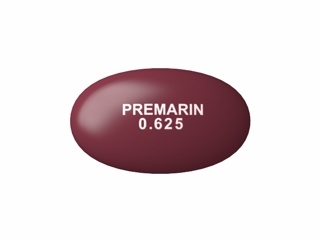


Brand Premarin (Conjugated Estrogens) — Patient Information (Australia)
Premarin is a brand of conjugated estrogens, a medicine containing naturally derived estrogen hormones. It is used to treat certain hormone-related conditions, most commonly problems caused by menopause (such as hot flushes) and, in some circumstances, to help prevent thinning of the womb lining (endometrium) when combined with a progestogen.
This page is designed to explain how Premarin works, how it is typically used, and what to consider for safe, practical use in Australia. Individual needs vary—always follow the advice of your healthcare professional and the instructions on your medicine label.
Quick Overview
- Medicine name: Brand Premarin
- Active ingredient: Conjugated estrogens
- Type: Estrogen hormone therapy (systemic)
- Common uses: Menopausal symptoms and certain endometrial-related indications (often with a progestogen depending on your situation)
- Common dosage forms: Typically oral tablets (other formulations may be available depending on product listing)
- Key safety themes: Blood clot and stroke risk (higher in certain groups), breast and endometrial effects, gallbladder and migraine considerations
What Is Premarin?
Premarin contains conjugated estrogens—a mixture of estrogenic compounds. Estrogens are female sex hormones that play an important role in the reproductive system and influence many other tissues, including bone, skin, the urinary tract, and the cardiovascular system.
After menopause, estrogen levels decline, which can lead to symptoms such as hot flushes and night sweats. Estrogen therapy can reduce these symptoms for some people.
How Premarin Works (Mechanism of Action)
Estrogens act by binding to estrogen receptors in different tissues. Once activated, these receptors influence gene expression and help restore hormone signals that decline with menopause.
- Thermoregulation: Estrogen affects hypothalamic pathways involved in temperature control, which can reduce hot flushes and night sweats.
- Urogenital system: Estrogen can improve vaginal dryness and irritation, and can help urinary symptoms related to genitourinary syndrome of menopause.
- Endometrium (womb lining): Estrogen can stimulate endometrial growth. If you have a uterus, a progestogen is usually needed to reduce the risk of endometrial overgrowth and cancer associated with unopposed estrogen.
- Bone: Estrogen helps slow bone loss, improving bone density and reducing fracture risk in appropriate patients.
Pharmacokinetics (Absorption, Metabolism, and Elimination)
Pharmacokinetics describes what the body does to the medicine. Estrogens are absorbed through the gastrointestinal tract when taken by mouth, then distributed to tissues. They are metabolised primarily in the liver.
- Absorption: Oral estrogens are absorbed from the small intestine; food may influence the speed and extent of absorption.
- Distribution: Estrogens circulate bound to plasma proteins, including sex hormone–binding globulin (SHBG) and albumin.
- Metabolism: Estrogens are metabolised in the liver through pathways that include conjugation and oxidation. Some metabolites may retain hormonal activity.
- Excretion: Estrogen metabolites are eliminated mainly via bile into the gut and then removed in faeces; a smaller portion may be excreted via urine.
Individual blood levels and response can vary depending on age, liver function, other medicines, and overall health.
Typical Use in Australia
In clinical practice, Premarin may be considered for the treatment of menopausal symptoms, and in some situations to prevent bone loss when other treatments are not suitable.
Your exact regimen depends on whether you still have a uterus and on your personal medical history.
Common indications
- Vasomotor symptoms: relief of hot flushes and night sweats associated with menopause.
- Genitourinary symptoms: vaginal dryness and discomfort related to estrogen deficiency (often alongside other local therapies depending on severity).
- Prevention of postmenopausal osteoporosis: in selected patients at risk of bone thinning or fractures.
- Endometrial protection when applicable: estrogen therapy may require a progestogen if you have a uterus to reduce endometrial risk.
If you have not had a hysterectomy, clinicians generally consider the need for combined therapy (estrogen plus a progestogen). The correct approach reduces the risk of endometrial hyperplasia and related complications.
When to Take Premarin (Timing and Consistency)
Premarin is generally taken once daily, depending on the prescribed schedule and the product instructions. Consistency helps maintain stable hormone levels.
- Choose a routine time: e.g., morning or evening—pick a time you can remember daily.
- Take with water: swallow the tablet whole unless your brand instructions specify otherwise.
- Missed dose guidance: if you miss a dose, take it when you remember if it is close to the usual time. If it is nearly time for the next dose, skip the missed dose and continue your normal schedule. Do not double doses.
- Regular review: your clinician should periodically review whether you still need hormone therapy, the lowest effective dose, and whether risks have changed.
For some indications, treatment may be started at a lower dose and adjusted based on symptom control and tolerability.
Food Interactions
Food can influence how quickly oral medicines are absorbed. With estrogen tablets, this may affect the onset of effects rather than the overall safety profile.
- General approach: many patients can take Premarin with or without food.
- If you notice changes: if symptoms worsen or you experience unusual side effects when timing changes, consider taking it at a consistent time each day (with or without food, whichever you tolerate best).
Always check the specific product leaflet for your exact formulation for the most accurate guidance.
Alcohol and Medicine Interactions
Alcohol
Moderate alcohol intake may not directly contraindicate estrogen therapy, but alcohol can affect hormone metabolism and may increase risks in some contexts (for example, liver strain or interactions with other medicines). If you consume alcohol, do so in moderation and discuss your pattern of use with your clinician—especially if you have liver disease or elevated liver enzymes.
Interactions with other medicines
Premarin can interact with other medicines that affect liver enzymes (particularly CYP450 pathways) or proteins involved in drug transport. These interactions may reduce effectiveness or increase side effects.
- Enzyme inducers: some medicines can lower estrogen levels, potentially reducing symptom control and altering bleeding patterns. Examples can include certain anticonvulsants and some antibiotics/antivirals.
- Herbal products: St John’s wort may reduce hormone levels by inducing liver enzymes.
- Anticoagulants and antiplatelet medicines: estrogen therapy can affect clotting risk; if you use blood thinners, you need careful clinical review.
- Other hormone therapies: combining different hormone products may increase side effects and risks.
- Thyroid medicines: estrogen may change thyroid-binding proteins; thyroid dose may need review in some people.
If you are taking any medicines regularly—prescription or non-prescription—check for interactions. Provide your pharmacist with a complete list of products, including supplements.
Dosing (Typical Regimens and How Dose Is Chosen)
Dosing varies by indication, age, symptom severity, and individual risk factors. Premarin dosing should follow the product instructions and the plan set by your healthcare professional.
How clinicians typically determine the dose
- Start low, adjust as needed: many patients begin at the lowest effective dose.
- Assess response: symptoms like hot flushes should improve; if not, dose adjustment may be considered.
- Consider uterus status: people with a uterus generally require a progestogen strategy; those without a uterus may have different treatment considerations.
- Duration: the goal is symptom relief for the shortest time consistent with treatment goals, with periodic reassessment.
Example dosing patterns (for understanding)
For patient understanding, estrogen regimens can be continuous or cyclic depending on the progestogen schedule. Your exact tablet strength and schedule will be specified for your condition.
| Regimen style | What it means | When it may be used |
|---|---|---|
| Continuous estrogen | Estrogen is taken every day without planned breaks. | Often used when combined with an appropriate progestogen plan depending on uterus status. |
| Cyclic estrogen (sequential) | Estrogen is taken for part of the cycle, often with a planned progestogen schedule. | May be considered for certain endometrial protection strategies. |
Important: dosing and progestogen timing must be coordinated to protect the endometrium if you still have a uterus.
Safety Profile (What to Know)
Like all medicines, Premarin has potential side effects. Many patients tolerate hormone therapy well, but there are important risks and warning signs to recognise early.
Common side effects
- Nausea or stomach discomfort
- Breast tenderness or breast swelling
- Headache or migraine changes
- Vaginal spotting or changes in bleeding pattern (especially early in therapy)
- Fluid retention or bloating
- Leg cramps or changes in mood (varies by person)
Serious risks (seek medical attention urgently if symptoms occur)
Estrogen therapy can increase the risk of certain serious conditions, particularly in people with specific risk factors. Prompt medical assessment is essential if you experience symptoms suggestive of these events.
- Blood clots (deep vein thrombosis, pulmonary embolism): swelling or pain in one leg, sudden shortness of breath, chest pain, or coughing blood.
- Stroke or heart attack: sudden weakness/numbness on one side, trouble speaking, severe dizziness, chest discomfort, or sudden breathlessness.
- Liver problems: yellowing of skin or eyes (jaundice), dark urine, severe abdominal pain.
- Possible endometrial problems: unusual bleeding or spotting after a period of no bleeding.
- Breast changes: new lumps, skin dimpling, nipple changes, or discharge not previously present.
Who needs extra caution
- History of blood clots, stroke, or certain cardiovascular conditions
- Known or suspected estrogen-dependent cancers
- Unexplained vaginal bleeding
- Severe liver disease
- Migraine with aura or certain neurological conditions (dose and suitability may differ)
- Strong family or personal history that raises concern for thrombosis or cancer risk
Your clinician may discuss risk factors and the safest alternative options before starting or continuing therapy.
Practical Use Tips for Premarin
- Keep a symptom diary: note hot flush frequency, sleep quality, and any bleeding changes for the first few months.
- Monitor side effects early: breast tenderness, nausea, or spotting are common initially; report persistent or severe symptoms.
- Do not stop suddenly without advice: if you need to discontinue, discuss a plan—especially if symptoms return.
- Maintain follow-up: regular reviews help confirm the lowest effective dose and reassess ongoing suitability.
- Use safe lifestyle measures: stay active, maintain a healthy weight, and avoid smoking—these can reduce cardiovascular and clotting risks.
- Breast and pelvic awareness: follow screening recommendations (e.g., breast screening) and report unusual symptoms promptly.
Alternative Options
If Premarin is not suitable or not effective, several other options may be considered depending on your symptoms and risk profile. Alternatives include:
Non-hormonal options for hot flushes
- Certain prescription non-hormonal medicines used for vasomotor symptoms
- Behavioural strategies (cooling, layered clothing, reducing triggers)
- Some lifestyle and complementary approaches (discuss with a healthcare professional before using supplements)
Hormonal alternatives
- Different systemic estrogen preparations: other forms of estrogen may be available.
- Local vaginal estrogen: for vaginal dryness and urinary symptoms with primarily local effects, which can reduce systemic exposure for some people.
- Combined regimens: for those with a uterus, a progestogen strategy is often used alongside estrogen.
Bone protection options
- Other osteoporosis therapies may be preferred depending on your fracture risk and preferences.
- Calcium and vitamin D, alongside weight-bearing exercise, may be recommended as part of overall bone health.
Your clinician can help select the best balance of symptom relief and safety based on your medical history.
Market and Legal Context for Australia (What to Expect)
In Australia, hormone medicines are regulated and must be supplied in line with the Therapeutic Goods framework. Availability can vary by brand, strength, and formulation, and supply may be affected by wholesaler stock and pharmacy ordering patterns.
Premarin is an established product. However, availability in specific strengths or pack sizes can change, so online pharmacy inventory may update frequently.
Australian healthcare guidance generally emphasises:
- Using the lowest effective dose
- Reviewing treatment regularly
- Individualising therapy based on personal risk factors
- Ensuring appropriate progestogen protection if you have a uterus
Recent Guidance (General Approach to Menopausal Hormone Therapy)
In recent years, professional guidance has increasingly focused on balancing symptom benefit with individualised risk. Common themes include:
- Individual risk assessment before starting systemic hormone therapy
- Symptom-led use (treating bothersome symptoms rather than using hormones routinely without clear benefit)
- Regular re-evaluation to confirm ongoing need
- Endometrial safety for those with an intact uterus (appropriate progestogen regimen)
- Consideration of timing: benefits may differ depending on how long it has been since menopause onset
Because recommendations evolve, it’s helpful to review your treatment plan at follow-up appointments and to discuss updates with your clinician.
Delivery and Availability (Online Pharmacy in Australia)
Availability of Premarin may vary by pack size and strength. Online pharmacies typically dispatch once the order is processed and stock is confirmed.
- Dispatch times: depend on inventory and order cut-off times.
- Tracking: many online pharmacies provide tracking once your parcel is sent.
- Cold storage: Premarin tablets generally do not require refrigeration unless the product labelling indicates otherwise.
- Substitutions: if a brand or strength is temporarily unavailable, a pharmacy may offer alternatives based on what is legally permitted and what suits your prescription needs and clinical scenario.
If you need an urgent supply, contact our customer care team so we can confirm stock status and the fastest delivery options.
Storage and Handling
- Store at room temperature in a dry place.
- Keep the medicine in its original packaging to protect it from light and moisture.
- Keep out of reach of children.
- Do not use after the expiry date on the carton or blister pack.
FAQ — Premarin (Conjugated Estrogens)
1. What is Premarin used for?
Premarin (conjugated estrogens) is used to treat certain symptoms related to menopause, such as hot flushes and night sweats, and may be used for other estrogen-responsive conditions depending on your medical history. If you have a uterus, additional hormone treatment is often needed to protect the womb lining.
2. How long does it take to work?
Many people notice improvements in hot flushes and night sweats within weeks. Other effects, such as vaginal comfort or bone-related benefits, may take longer. Your response should be reviewed with your clinician after an initial period.
3. Can I take Premarin with food?
Many patients can take estrogen tablets with or without food. The key is to take it consistently at the same time each day and follow the product leaflet instructions.
4. What should I do if I miss a dose?
If you miss a dose, take it when you remember if it is close to the time you usually take it. If it is near the next dose, skip the missed dose and continue as normal. Do not take double doses.
5. Is it safe to drink alcohol while taking Premarin?
Moderate alcohol intake may be acceptable for some people, but alcohol can affect liver metabolism and overall health. If you drink alcohol regularly or have liver problems, discuss this with your healthcare professional.
6. What medicines commonly interact with Premarin?
Some medicines that affect liver enzymes or hormonal metabolism can change estrogen levels. Herbal products like St John’s wort may also interact. Tell your pharmacist about all medicines and supplements you use so they can check for interactions.
7. Will Premarin cause bleeding?
If you still have a uterus, some vaginal spotting or bleeding can occur—particularly early in therapy. Ongoing or unexpected bleeding should be assessed by a clinician.
8. What are the warning signs that mean I should seek urgent help?
Seek urgent medical attention for symptoms that could indicate a blood clot or stroke, such as sudden breathlessness, chest pain, weakness on one side, severe headache, or swelling/pain in one leg. Also seek urgent help for signs of severe liver problems (e.g., jaundice).
9. Are there non-hormonal alternatives?
Yes. Non-hormonal options are available for some menopausal symptoms, and local vaginal treatments may suit those with primarily vaginal or urinary symptoms. The best option depends on your symptoms and health risks.
10. How often should my treatment be reviewed?
Hormone therapy should be reviewed periodically to confirm it remains appropriate, uses the lowest effective dose, and that benefits continue to outweigh risks. The schedule can vary based on your situation.
Need Help Choosing the Right Option?
If you have questions about Premarin, potential interactions, or what alternatives may suit your symptoms, a pharmacist can help you understand your options and how to use your medicine safely.