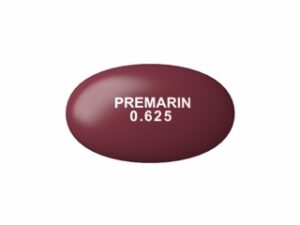
Estradiol (Hormone Therapy) – Patient-Friendly Guide (Australia)
Estradiol is a form of oestrogen, a naturally occurring female sex hormone. In medicine, estradiol is used to treat hormone-related symptoms and conditions. The right form (for example, tablets, patches, gels, or rings) and the right dose are important for safety and effectiveness.
This guide explains how estradiol works, how it behaves in the body, common uses, practical tips, and key safety considerations. It is written for patients in Australia and includes general information you may see in product information.
Quick Overview
- Active ingredient: Estradiol (oestrogen)
- Medicine class: Hormone replacement therapy (HRT) / oestrogen therapy
- Common forms: Patches, gels, creams, tablets, vaginal preparations (varies by product)
- Typical goals: Reduce menopausal symptoms, treat oestrogen deficiency, support certain gynaecologic conditions
- Key safety topics: Blood clots, stroke risk, breast cancer risk (depending on regimen), endometrial safety, drug interactions
Basic Product Information
Estradiol medicines contain 17β-estradiol or an equivalent oestrogen component. Available presentations differ by brand and indication, and your product instructions should be followed closely.
| Feature | What to know |
|---|---|
| What it is | Oestrogen hormone medication (estradiol) |
| Where it acts | Receptors in tissues such as the brain, uterus, breast, bone, blood vessels, and skin |
| How it’s used | Depends on the form: skin absorption (patch/gel), mouth (tablet), or local vaginal delivery |
| How it’s monitored | Symptom response, blood tests when needed, and follow-up for safety (often including breast and pelvic health) |
| Who it’s for | Women with oestrogen deficiency or specific hormone-responsive conditions (individual suitability varies) |
How Estradiol Works (Mechanism of Action)
Estradiol is an oestrogen that works by binding to oestrogen receptors in target tissues. Once activated, it influences gene activity and helps restore hormone balance.
- Menopausal symptom relief: Oestrogen helps reduce symptoms such as hot flushes and night sweats by affecting temperature-regulating centres in the brain.
- Vaginal and urinary comfort: It improves the thickness and moisture of vaginal and urinary tissues, helping relieve dryness and discomfort.
- Bone health: Oestrogen helps slow bone breakdown, supporting bone density.
- Uterine lining effects: Estradiol can stimulate the uterine lining (endometrium). If you have a uterus, your treatment plan must address endometrial protection (often with a progestogen depending on the regimen).
Pharmacokinetics: How Estradiol Moves Through the Body
“Pharmacokinetics” describes how the body absorbs, distributes, metabolises, and eliminates estradiol. Key points vary by product type.
Absorption
- Oral tablets: Estradiol is absorbed through the digestive tract but may be affected by “first-pass” metabolism in the liver.
- Transdermal (patch/gel): Estradiol is absorbed through the skin, generally resulting in steadier blood levels and less first-pass liver effect.
- Vaginal preparations: Absorption is typically lower systemically compared with systemic therapy, but systemic absorption can still occur depending on dose and formulation.
Distribution
Estradiol circulates in the bloodstream and binds to transport proteins (including sex hormone–binding globulin). This influences how much is available to tissues.
Metabolism
Estradiol is metabolised primarily in the liver into various metabolites. These metabolites are less hormonally active and are eventually cleared from the body.
Elimination
Metabolites are mainly excreted through urine and bile. Individual clearance can vary with age, liver function, and other medicines.
Patient tip: If you are switching between brands or forms (for example, from a patch to gel), speak with your healthcare professional. Bioavailability may differ, meaning the “same dose” may not produce identical blood levels.
Typical Uses and Indications
Estradiol is used for conditions related to oestrogen deficiency and hormone responsiveness. The exact indication depends on the product and route of administration.
Common indications
- Relief of menopausal symptoms (such as hot flushes and night sweats) due to natural or treatment-related menopause.
- Genitourinary syndrome of menopause (vaginal dryness, discomfort, pain with intercourse, urinary symptoms), depending on product type.
- Prevention of postmenopausal osteoporosis in appropriate patients (where relevant to overall treatment strategy).
- Oestrogen replacement for women with ovarian failure or premature ovarian insufficiency under medical guidance.
If you have a uterus, treatment plans often include a progestogen to reduce the risk of endometrial overgrowth. If you do not have a uterus, regimens may differ.
How to Take Estradiol: Timing and Routine
Timing depends on the dosage form. Below are general principles; always follow the specific instructions provided with your product.
Transdermal patches
- Often applied once or twice weekly depending on the patch design.
- Apply to clean, dry, intact skin, usually on the abdomen, buttock, or upper outer thigh (varies by brand).
- Rotate sites to reduce skin irritation.
- If a patch falls off or is not functioning properly, instructions vary—contact your healthcare provider or check product guidance.
Skin gels/creams
- Typically applied once daily.
- Apply at the same time each day for steadier levels.
- Allow the gel to dry fully before dressing.
- Avoid transferring to others by covering the application site with clothing and washing hands after application (unless hands are the area being treated).
Oral tablets
- Usually taken at a set time daily.
- Consistency helps maintain stable hormone exposure.
Vaginal estradiol preparations
- Often used on a loading/initial schedule then reduced to maintenance frequency.
- Use as directed to avoid under- or over-treatment.
Practical routine: Consider pairing your dose with an established habit (e.g., brushing teeth in the morning, applying patch after a weekly shower). Set phone reminders to support adherence.
Dosing: What “Dose” Means for Estradiol
Estradiol dosing is individual. Your prescriber considers:
- Age and time since menopause
- Reason for treatment (symptoms, prevention, vaginal symptoms)
- Whether you have a uterus
- Other health factors (for example, clot risk, liver health)
- Formulation and strength of the specific product
Because estradiol comes in different strengths and forms, it’s not appropriate to list a single universal dose for all patients. Your product instructions should include your exact regimen (dose and schedule).
General dosing principles (patient-friendly)
- Use the lowest effective dose for the shortest time needed to control symptoms (a common approach in hormone therapy planning).
- Review regularly (often within the first few months and then periodically) to decide whether to continue, adjust, or stop.
- Do not double up if you miss a dose without checking product-specific guidance.
Food Interactions
Food interactions depend mainly on whether estradiol is taken by mouth (oral tablets).
- Oral estradiol: Food may affect absorption for some formulations. In general, if your product instructions advise taking with or without food, follow those directions for best results.
- Transdermal and vaginal preparations: Food does not usually affect absorption in the same way as oral medicines.
If you’re unsure, check the instructions on your specific brand or ask your pharmacist. Consistent timing (with or without meals) is often more important than the occasional variation.
Alcohol and Medicine Interactions
Alcohol may not directly neutralise estradiol, but it can affect overall health and medication safety—particularly where liver health, blood pressure, and clot risk are considerations.
- Moderation is recommended: If you drink alcohol, do so in moderation and consider your personal risk factors.
- Practical caution: Alcohol can worsen sleep quality and trigger hot flushes in some people, which may reduce the benefit of therapy.
- Drug interaction awareness: Some medicines that affect liver enzymes can change estradiol levels; alcohol may add strain on the liver indirectly.
Seek advice if you have liver disease, a history of blood clots, or you are starting multiple new medicines.
Medicine Interactions (Common Concern Areas)
Estradiol can interact with other medicines, mainly through liver enzyme pathways and changes in hormone-binding or clearance. Always review your medication list with a healthcare professional or pharmacist.
Medicines that may affect estradiol levels
- Enzyme inducers (some anti-epileptics, certain antibiotics/rifamycins, and other medications) may reduce estradiol effectiveness.
- Enzyme inhibitors may increase estradiol levels, raising side-effect risk.
Other medicines to mention
- Thyroid medicines (oestrogens may affect thyroid-binding proteins).
- Corticosteroids and some blood pressure medicines (monitoring may be needed).
- Anticoagulants/antiplatelets (hormone therapy can influence clot risk; careful planning is essential).
- Herbal products: some supplements may affect hormone metabolism; confirm safety before use.
If you start or stop any medicine, tell your healthcare professional—particularly in the first weeks after changes.
Safety Profile: Important Risks and When to Get Help
Like all medicines, estradiol can cause side effects. Most patients experience mild effects, but certain symptoms may signal serious problems requiring urgent medical attention.
Common side effects
- Breast tenderness or swelling
- Mild nausea or bloating
- Headache
- Mood changes
- Vaginal spotting (especially during the early adjustment period)
- Skin irritation at the application site for patches/gels
Serious warning signs (seek urgent medical care)
- Symptoms of blood clots: sudden shortness of breath, chest pain, coughing blood, one-sided leg swelling or pain
- Signs of stroke: sudden weakness/numbness on one side, trouble speaking, facial drooping, sudden severe headache
- Severe persistent abdominal pain
- Vision changes (especially sudden loss of vision)
Endometrial (uterine lining) safety
If you have a uterus, unopposed oestrogen can increase the risk of endometrial hyperplasia and cancer. Many treatment regimens include a progestogen to reduce this risk. The exact approach depends on your situation and product schedule.
Breast and cardiovascular considerations
- Breast cancer risk can vary by type of hormone therapy and duration. Follow your recommended screening schedule.
- Cardiovascular and clot risk depends on age, time since menopause, personal and family history, and whether therapy is transdermal or oral.
Personal risk matters: Before starting estradiol, discuss clot history, smoking status, migraines with aura, high blood pressure, diabetes, and family history of breast or clotting disorders.
Practical Use Tips for Better Results
Skin care and application (for patches/gels)
- Use intact skin only; avoid broken, irritated, or recently shaved areas (follow your product instructions).
- Do not apply lotions or creams directly under the patch site unless allowed by product guidance.
- Wash hands after handling gel unless your hands are the intended application area.
- Prevent accidental transfer to others—especially children and partners—by covering the site after drying.
Managing spotting or irregular bleeding
Light bleeding or spotting can occur during the first months as the body adjusts. However, any bleeding after a period of no bleeding should be discussed promptly with your healthcare professional.
Storage and handling
- Store according to label directions (temperature and protection from moisture/light if relevant).
- Keep out of reach of children.
Alternative Options
Depending on your symptoms and health profile, alternatives to estradiol may include:
Non-hormonal approaches
- For hot flushes: some non-hormonal medicines and lifestyle strategies may help
- Lifestyle measures: cooling techniques, layered clothing, reducing triggers (spicy foods, alcohol for some people)
- For vaginal dryness: vaginal moisturisers and lubricants
- Pelvic floor strategies and local therapies for genitourinary symptoms
Other hormone options
- Other oestrogen forms (different strengths or delivery systems)
- Different systemic HRT combinations depending on whether you have a uterus
- Selective local therapies for vaginal symptoms (when appropriate)
The best alternative depends on whether your priority is hot flush relief, vaginal symptoms, prevention of bone loss, or treatment of oestrogen deficiency.
Market and Legal Context for Australia
In Australia, medicines are regulated through the Therapeutic Goods Administration (TGA). Availability and product presentation may differ depending on the manufacturer, indication, and classification.
Hormone therapies are subject to ongoing clinical guidance focusing on safety, appropriate patient selection, and regular review. This includes consideration of cardiovascular and clot risk, breast cancer risk, and endometrial protection when relevant.
Always check: product details and eligibility requirements for your specific medicine and strength, as these can vary by formulation.
Recent Guidance (General Themes)
Clinical guidance for hormone therapy in Australia commonly emphasises:
- Individualised decision-making based on symptoms, age, time since menopause, and risk factors
- Lowest effective dose and regular re-evaluation
- Appropriate regimen selection (especially endometrial protection for those with a uterus)
- Preferential consideration of routes where relevant to risk (for example, transdermal options are often considered when appropriate)
If you are starting estradiol now or switching forms, it’s particularly important to review your overall risk profile and ensure your regimen matches the intended therapeutic goal.
Delivery and Availability (Online Pharmacy in Australia)
Estradiol products may be available through authorised channels. Availability can vary depending on the specific brand, strength, and form (patch, gel, tablet, or vaginal product).
What can affect availability?
- Stock levels and pharmacy ordering schedules
- Form and dose strength demand
- Manufacturer supply changes
Delivery expectations
- Delivery times vary by location and service level.
- Medicines are typically dispatched in secure packaging.
- Some products may require signature on delivery depending on the carrier and product handling requirements.
Tip: If you have an urgent need, check expected dispatch and delivery times before placing your order.
FAQ: Estradiol (Australia)
1) What is estradiol used for?
Estradiol is used to treat oestrogen deficiency-related conditions, most commonly menopausal symptoms (such as hot flushes and night sweats) and, depending on product type, vaginal and urinary symptoms of menopause. It may also be used in certain cases of premature ovarian insufficiency or other hormone-responsive conditions.
2) How long does it take to work?
Some symptoms (like hot flushes) may improve within weeks, while other benefits (such as bone-related changes) take longer. Vaginal symptoms may improve sooner with local preparations, but timelines vary by person and regimen.
3) Can I stop estradiol suddenly?
Stopping may cause symptoms to return, depending on the reason for treatment and how long you’ve used it. If you plan to stop or change your regimen, discuss a tapering or review plan with your healthcare professional.
4) What should I do if I miss a dose?
Missed-dose advice depends on the form and the product instructions. In general, do not double up unless your instructions specifically say to. Check your product label or guidance, and contact a pharmacist if you’re unsure.
5) Is transdermal estradiol safer than oral?
Many clinicians consider transdermal (patch/gel) options in appropriate patients because they may have different effects on liver proteins and clot-related risk profiles compared with oral therapy. Safety still depends on your individual risk factors and overall regimen.
6) Do I need additional medicine if I have a uterus?
Often, yes. Oestrogen can stimulate the uterine lining. Many treatment plans therefore include a progestogen to help protect the endometrium. The correct approach depends on your product type and personal medical history.
7) Can estradiol cause weight gain?
Some people report changes in weight, but estradiol is not typically a direct cause of significant weight gain. Changes in appetite, lifestyle, and age-related factors may contribute. If weight changes are persistent or worrying, discuss them with your healthcare professional.
8) What side effects are most common?
Common side effects include breast tenderness, nausea, headache, mood changes, and (for patches/gels) local skin irritation. Light bleeding or spotting can occur early in treatment.
9) When should I seek urgent help?
Seek urgent medical care if you develop symptoms that could indicate a blood clot or stroke, such as sudden shortness of breath, chest pain, coughing blood, one-sided leg swelling, sudden weakness/numbness on one side, trouble speaking, or sudden severe headache. Also get help for severe persistent abdominal pain or sudden vision changes.
10) Are there alternatives if I can’t use estradiol?
Yes. Alternatives may include non-hormonal treatments for hot flushes, moisturisers/lubricants, local therapies for vaginal symptoms, and other medication options depending on your specific condition.
Summary
Estradiol is an oestrogen medicine used for hormone-related symptoms and conditions, particularly around menopause and oestrogen deficiency. It works by replacing or supplementing oestrogen signalling in the body and can improve symptoms like hot flushes and vaginal discomfort. Because estradiol can affect the uterine lining and may influence clot and breast risk profiles, safety depends on correct selection of dose, delivery form, and—if you have a uterus—endometrial protection. Regular review, attention to timing, and awareness of interactions and warning signs are key to using estradiol safely and effectively.
Important: If you have questions about suitability, interactions, or your specific regimen, speak with a pharmacist or healthcare professional before making changes.