

Anastrozole (Australia) — Patient-Friendly Medicine Information
Anastrozole is a medicine commonly used to treat certain types of hormone-dependent breast cancer. It belongs to a class of medicines called aromatase inhibitors. By lowering oestrogen levels in the body, anastrozole can help slow or stop the growth of cancers that rely on oestrogen.
This page is designed to be easy to understand and to help you use your medicine safely. Always follow the instructions given by your treating clinician and the advice on the medicine label.
Basic product information
| Category | Details |
|---|---|
| Generic name | Anastrozole |
| Medicine type | Oestrogen-lowering (aromatase inhibitor) |
| Common strengths | Usually 1 mg tablets (varies by brand) |
| How it works | Blocks aromatase to reduce oestrogen production |
| Typical dosing frequency | Once daily (as directed) |
| Who it is often used for | Postmenopausal women with hormone receptor–positive breast cancer |
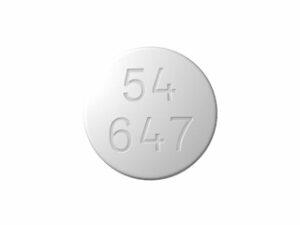
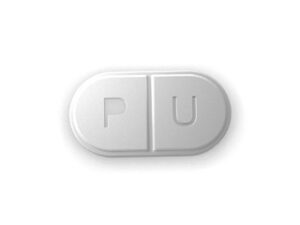
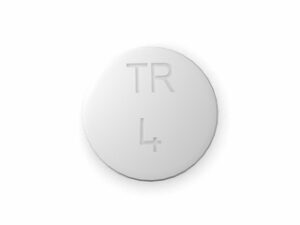
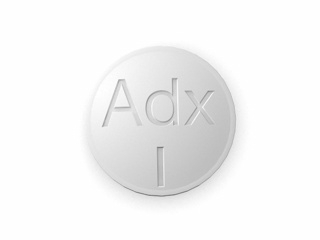
Important: Brand names and product appearances can differ between suppliers. Confirm you have the correct medicine and strength before taking it.
How anastrozole works (mechanism of action)
In the body, aromatase is an enzyme that helps convert androgen hormones into oestrogen. After menopause, the majority of oestrogen is produced this way in peripheral tissues (such as fat and muscle).
Anastrozole works by inhibiting aromatase. This leads to:
- Lower oestrogen levels in the body
- Reduced stimulation of oestrogen receptor–positive breast cancer cells
- Slowing or preventing cancer growth that depends on oestrogen
Pharmacokinetics (how the body processes it)
Understanding pharmacokinetics can help explain why anastrozole is usually taken once daily and what to expect from steady effects over time.
- Absorption: Anastrozole is absorbed after oral dosing. Food has relatively little effect on the overall absorption.
- Peak concentration: Blood levels peak after a short time following a dose.
- Distribution: It distributes throughout the body and binds to plasma proteins.
- Metabolism: Primarily metabolised in the liver through processes such as CYP-mediated pathways (specific enzymes may vary).
- Elimination: Metabolites are cleared mainly through the kidneys. The medicine has an elimination half-life that supports once-daily dosing for many patients.
- Steady state: With daily use, drug levels reach a stable range after repeated dosing.
Individual factors—such as liver function, other medicines, and overall health—can influence how your body responds.
Typical use (what it’s prescribed for)
Anastrozole is used for hormone receptor–positive breast cancer in postmenopausal people (and in some clinical situations, under specialist assessment). It may be used at different stages of breast cancer management, including:
- Adjuvant treatment to reduce the risk of cancer recurrence after surgery
- Extended adjuvant therapy in eligible patients following initial treatment
- Treatment of advanced (metastatic) disease where the cancer is hormone responsive
- Management of hormone-dependent breast cancer where oestrogen suppression is an appropriate strategy
The exact plan depends on your cancer type, menopausal status, previous therapies, and overall risk.
When to take anastrozole (timing and routine)
Anastrozole is typically taken , at about the same time each day. Consistency helps you maintain steady oestrogen suppression.
- Choose a time: Morning or evening—pick the time that best fits your routine.
- Take with or without food: Food usually does not require special timing adjustments.
- Do not double up: If you miss a dose, follow the guidance below under “FAQ” (Missed dose).
- Keep taking it: Continue for as long as your clinician recommends, even if you feel well.
Food interactions
Unlike some medicines, anastrozole does not usually have major food restrictions. Many people can take it with a meal, between meals, or at bedtime according to preference.
If you experience stomach upset, you may find it easier to take with food. However, always follow your medication label and clinician instructions.
Alcohol interactions
Alcohol is not known to cause a direct interaction with anastrozole in the way that some medicines do, but caution is still advised.
- Limit alcohol: Moderate alcohol intake is generally preferred during cancer treatment.
- Watch for side effects: Alcohol may worsen symptoms like nausea, dizziness, fatigue, or sleep disturbance in some people.
- Consider liver health: Because anastrozole is metabolised by the liver, heavy alcohol consumption may increase strain on the liver.
Discuss alcohol use with your healthcare team, especially if you have liver concerns or are taking other medicines that affect the liver.
Medicine interactions
Interactions can occur when medicines affect how anastrozole is metabolised or when they increase the risk of overlapping side effects. Always inform your pharmacist or clinician about all medicines you take, including:
- Prescription medicines
- Over-the-counter medicines
- Herbal products and supplements
- Vitamins or mineral preparations
Key interaction considerations include:
- Hormonal medicines: Other hormone therapies (including certain oestrogen-containing products) may counteract anastrozole’s effect. Do not use oestrogen-containing creams or tablets unless specifically approved by your clinician.
- Strong CYP inducers or inhibitors: Because anastrozole is processed in the liver, medicines that significantly influence metabolic enzymes may change its levels. Examples may include some seizure medicines or certain antibiotics/antifungals (the exact interaction depends on the product).
- Bone health medicines: If you’re using bone-protecting medicines, discuss schedules and any supplement timing (e.g., calcium/vitamin D).
- Other cancer medicines: Combining therapies should be managed by your oncology team to balance benefits and risks.
If you’re unsure about a product, ask your pharmacist before starting it.
Dosing (typical dose and how to take it safely)
The most common adult dose of anastrozole is 1 mg once daily. Your clinician will specify the dose and duration based on your condition.
- Swallow whole: Take the tablet with water.
- Consistency matters: Try to take it at the same time each day.
- Missed dose: See FAQ below.
- Do not stop early: Stopping anastrozole without medical advice can reduce the intended benefit.
Dose adjustments may be considered in special circumstances (such as severe kidney impairment or significant liver disease) and should be determined by your clinician.
Indications (who it is used for)
Anastrozole is indicated for hormone receptor–positive breast cancer in postmenopausal people. Your treatment team will confirm suitability based on:
- Menopausal status
- Oestrogen receptor (ER) and/or progesterone receptor status of the tumour
- Disease stage (early, locally advanced, or metastatic)
- Previous treatments (such as surgery, radiation, chemotherapy, or other endocrine therapies)
Safety profile (side effects and what to watch for)
Like all medicines, anastrozole can cause side effects. Not everyone will experience them. Some effects are expected and can be managed with supportive care.
Common side effects
- Hot flushes
- Joint pain (arthralgia) and muscle aches
- Headache
- Fatigue
- Nausea
- Reduced bone mineral density (long-term risk)
- Dry skin or skin changes
- Vaginal dryness or discomfort
Serious or urgent warning signs
Seek urgent medical advice if you experience any of the following:
- Signs of a severe allergic reaction: swelling of face/lips, difficulty breathing, hives
- Chest pain or shortness of breath
- Severe persistent pain or neurological symptoms (weakness, trouble speaking)
- Unexplained bruising or bleeding (rare)
- Severe symptoms of liver problems: yellowing of skin/eyes, dark urine, severe fatigue
Bone health and fracture risk
Because anastrozole lowers oestrogen, it may reduce bone density and increase fracture risk over time. Your clinician may recommend:
- Baseline and follow-up bone density tests (e.g., DEXA scans)
- Calcium and vitamin D intake
- Weight-bearing exercise and muscle-strengthening activities
- Bone-protecting medicines if you are at higher risk
Never start bone medications without confirming the plan with your healthcare team.
Practical use tips (how to get the best results)
- Build a daily habit: Use a phone reminder or link your dose to a regular routine (e.g., after breakfast).
- Track symptoms: Note hot flushes, joint discomfort, mood changes, or sleep issues—this helps your clinician tailor supportive strategies.
- Manage joint pain early: Gentle movement, stretching, and staying active often helps. Your clinician may suggest analgesics or physiotherapy if appropriate.
- Support bone health: Ensure adequate calcium and vitamin D intake and aim for safe, regular exercise.
- Skin and vaginal comfort: Use moisturisers or vaginal moisturisers/lubricants as recommended. Avoid oestrogen-containing products unless approved.
- Keep appointments: Ongoing monitoring for bone density and general health is important during long-term therapy.
- Medication list: Carry a list of all your medicines, including supplements, for every medical visit.
Alternative options (other medicines and strategies)
Depending on your cancer characteristics and previous treatment history, clinicians may consider other endocrine therapies or different oestrogen-lowering approaches. Options can include:
- Other aromatase inhibitors (for example, letrozole or exemestane)
- Selective oestrogen receptor modulators (such as tamoxifen, depending on suitability)
- Oestrogen receptor downregulators (in certain circumstances)
- Ovarian suppression strategies in selected premenopausal patients (specialist-led)
Choice of alternative depends on menopausal status, tumour biology, side effect tolerance, and overall treatment goals. If anastrozole causes persistent side effects, discuss switching options with your oncology team.
Market and legal context in Australia
In Australia, medicines are regulated under the Therapeutic Goods Administration (TGA). Cancer medicines and other prescription therapies are distributed through appropriately licensed channels.
When purchasing online, ensure the pharmacy is operating in line with Australian regulations, uses secure payment methods, and provides clear product information (including manufacturer details, strength, expiry dates, and dispensing/handling standards where applicable).
Availability can vary by brand and supply chain. Generic products may be available depending on current TGA listing, manufacturer supply, and contractual arrangements with pharmacies.
Recent guidance and clinical monitoring (what commonly matters now)
Clinical practice continues to evolve as more data becomes available. While your individual plan is always clinician-led, commonly emphasised themes in endocrine therapy include:
- Ongoing assessment of bone health (risk stratification, timely DEXA scanning, and early intervention if needed)
- Side effect management, particularly joint symptoms and cardiovascular risk factors
- Adherence support (helping patients maintain regular daily dosing)
- Regular review of drug–drug interactions as your other medicines change over time
If new guidance affects monitoring or supportive care, your healthcare team will incorporate it into your plan.
Delivery and availability (Australia)
Online pharmacies in Australia typically offer home delivery options depending on location and product classification. Availability can depend on stock levels and manufacturer supply.
- Stock levels: In-demand items may occasionally have limited stock. Checking availability during checkout can help.
- Dispatch times: Most orders are dispatched within business days where possible.
- Packaging: Medicines should be packed to protect tablets from damage and maintain appropriate storage conditions.
- Delivery updates: Many services provide tracking or delivery notifications.
If you need an urgent supply for a dose day, consider placing the order early and checking estimated delivery timelines during checkout.
How to store anastrozole
- Store tablets according to the instructions on the packaging (commonly at room temperature, away from excessive heat and moisture).
- Keep medicines in their original packaging until use.
- Keep out of reach of children.
- Do not use after the expiry date on the carton or blister.
FAQ
What is anastrozole used for?
Anastrozole is used to treat certain types of hormone receptor–positive breast cancer by lowering oestrogen levels. It may be used in early stages to reduce recurrence risk, or in more advanced hormone-responsive disease.
How do I take anastrozole?
Usually, take one tablet once daily with water. Try to take it at the same time each day. You can generally take it with or without food.
What should I do if I miss a dose?
If you miss a dose, take it as soon as you remember on the same day. If it is close to the time for your next dose, skip the missed dose and take your next dose at the usual time. Do not take a double dose.
If you’re unsure, ask your pharmacist for advice based on your dosing schedule.
Can I take anastrozole with food?
Yes. Food does not usually require special timing adjustments for anastrozole. If food helps reduce stomach discomfort, taking it with a meal may be convenient.
Are there foods I should avoid?
There are no specific foods that typically need to be avoided solely due to anastrozole. However, overall nutrition matters during cancer treatment—choose a balanced diet as advised by your healthcare team.
Is it safe to drink alcohol while on anastrozole?
Alcohol is not typically described as having a direct interaction with anastrozole, but moderation is recommended. If you experience side effects such as nausea or dizziness, consider limiting alcohol and speak with your pharmacist or clinician—especially if you have liver concerns.
What side effects are most common?
Common side effects include hot flushes, joint pain, headache, fatigue, and nausea. Long-term use may affect bone density, so monitoring and preventive measures are important.
How can I manage joint pain?
Stay gently active (walking, stretching), consider physiotherapy, and discuss symptom relief options with your clinician. Early management can improve comfort and help you continue therapy.
Will anastrozole affect my bones?
It can. Anastrozole lowers oestrogen, which may reduce bone mineral density. Your clinician may order bone density tests and may recommend calcium/vitamin D and/or bone-protecting medication depending on your risk.
Can I use moisturisers or vaginal products?
Many non-oestrogen vaginal moisturisers and lubricants can help with dryness and discomfort. Avoid oestrogen-containing products unless specifically approved. Ask your pharmacist if you’re unsure.
What other medicines should I tell you about before starting?
Tell your pharmacist about all prescription medicines, over-the-counter products, herbal supplements, and vitamins. This includes any hormonal treatments and medicines that may affect liver enzymes.
When should I seek urgent help?
Seek urgent medical help for signs of severe allergic reaction (swelling, breathing difficulty), serious chest symptoms, severe persistent symptoms, or signs of liver problems such as yellowing of the skin/eyes.
Disclaimer: This information is a guide for patients and is not a substitute for medical advice. If you have questions about suitability, side effects, or interactions, speak with your pharmacist or clinician.