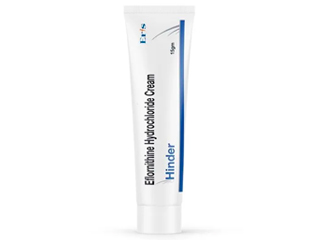
Vaniqa (Eflornithine) — Patient-Friendly Medicine Information (Australia)
Vaniqa is a prescription medicine used to help reduce the growth of unwanted facial hair in some adults. This page explains how it works, how it’s usually used, what to expect, and important safety information.
If you have questions about whether Vaniqa is appropriate for you, speak with a healthcare professional. Information below is general and may not cover your specific situation.
Key Product Information
| Product name | Vaniqa |
|---|---|
| Active ingredient | Eflornithine |
| Form | Cream for topical use |
| Typical strength | Usually 11.5% eflornithine (cream) |
| Common use | Reducing unwanted facial hair growth in women (where suitable) |
| How it’s applied | Thin layer to affected facial areas |
| Onset of visible benefit | Often after 4–8 weeks of regular use |
| Maintenance | Continued use helps maintain results |
What Vaniqa Is Used For (Indications)
Vaniqa is indicated to reduce the growth of unwanted facial hair in adult women with unwanted hair growth of the face that is suitable for topical treatment.
- It is designed for facial hair (not for body hair).
- It works best for existing visible hair and can help slow down growth, so hair becomes less noticeable between removals.
- It does not remove hair instantly and does not replace hair removal methods.
How Vaniqa Works (Mechanism of Action)
Eflornithine works by slowing hair growth at a biological level. It inhibits an enzyme called ornithine decarboxylase (ODC), which plays a role in the production of polyamines needed for cell growth and activity within hair follicles.
By reducing the activity of this enzyme, Vaniqa helps make hair growth slower and less frequent. Over time, this can lead to finer, less noticeable facial hair for some people.
Pharmacokinetics (Absorption, Distribution, Metabolism, Elimination)
Because Vaniqa is used on the skin, only small amounts are expected to be absorbed into the bloodstream. The overall goal is local action in the treated skin and hair follicles.
- Absorption: Systemic absorption is generally low with topical use.
- Distribution: Any absorbed portion distributes throughout the body, but levels are typically low.
- Metabolism: Eflornithine is processed by the body through normal metabolic pathways.
- Excretion: The medicine and its processed components are eliminated primarily via the kidneys.
Your clinician may consider kidney function if you have significant kidney impairment, though routine monitoring is not typical for most people.
Typical Treatment Approach and Timing
Vaniqa is usually used as a regular maintenance treatment rather than a one-time course. Visible improvements take time because hair growth cycles require weeks to change.
When you’ll likely see results
- First changes: Some people notice a difference after about 4 weeks.
- More noticeable reduction: Commonly by 6–8 weeks.
- Ongoing benefit: Continued consistent use can help maintain the reduction in growth.
How often to use
The usual regimen is twice daily on the affected facial areas. Many people apply it in the morning and evening.
Practical timeline
- Morning: Clean and fully dry the skin → apply a thin layer → wash hands after.
- Evening: Clean and fully dry the skin → apply a thin layer → wash hands after.
- Hair removal: You may still need shaving/waxing/depilatories for cosmetic reasons. Vaniqa helps reduce growth rate over time.
Dosing and How to Use Vaniqa
Follow your healthcare professional’s directions and the product label. The information below describes typical use patterns.
Typical dose
- Frequency: Usually twice daily.
- Amount: A thin layer over the affected area only.
- Do not over-apply: More cream does not necessarily increase effectiveness, and it may increase irritation.
Step-by-step application tips
- Wash the face with a gentle cleanser.
- Pat dry completely (do not apply on wet skin).
- Apply a thin layer to the unwanted hair–bearing areas.
- Rub in gently until it disappears.
- Wash hands after application.
- Avoid eyes and lips: Do not apply near the eyes, inside nostrils, or on open wounds.
Missed dose
If you miss a dose, apply it when you remember unless it is close to the next dose. Do not apply extra cream to make up for a missed dose.
How long to use
- For best results, use regularly for at least 6–8 weeks before judging effectiveness.
- To maintain benefit, treatment typically needs to be continued.
Food Interactions
Vaniqa is applied to the skin and systemic absorption is generally low. For this reason, food interactions are not expected to be clinically significant. There are no specific dietary restrictions known to be required for Vaniqa.
Alcohol and Other Medicine Interactions
Alcohol
There are no specific known direct interactions between Vaniqa and alcohol. However, alcohol may affect skin dryness or irritation in some people, and irritated skin may reduce comfort and treatment tolerance.
- If you notice increased irritation when using alcohol-containing skincare products, consider switching to gentler options.
- If you have sensitive skin, use caution with products that can dry or irritate.
Interactions with other medicines (topical and oral)
Because Vaniqa is mainly used on the surface of the skin, meaningful interactions with many medicines are unlikely. Still, interactions can occur indirectly—most commonly through skin irritation when used alongside other topical products.
- Other topical hair/skin products: If you use exfoliants, retinoids, benzoyl peroxide, strong acids, or medicated creams, you may experience irritation.
- See-thru irritation: Avoid applying Vaniqa at the same time as harsh skincare unless your clinician advises otherwise.
- Systemic medicines: Clinically relevant systemic interactions are not expected in most patients due to low absorption.
Tell your healthcare professional about all medicines and skin products you use, including over-the-counter items.
Safety Profile and Side Effects
Like all medicines, Vaniqa can cause side effects. Many people experience mild, temporary skin reactions. If you develop a severe reaction, stop using the product and seek medical advice promptly.
Common side effects
- Skin irritation (redness, burning, stinging)
- Dryness or flaking
- Itching
- Acne-like eruptions or follicle irritation
Less common but serious effects (seek urgent advice)
- Severe allergic reaction (swelling of face/lips, hives, trouble breathing)
- Severe blistering, peeling, or worsening pain
- Eye exposure (immediate rinsing and medical advice may be needed)
Who should be extra careful
- Sensitive or easily irritated skin
- People with eczema or broken skin in the treatment area
- Pregnancy and breastfeeding: Discuss with a healthcare professional before use.
- Kidney disease: Seek medical advice, since elimination occurs primarily through the kidneys.
Practical Use Tips for Best Results
The results you see can depend on consistent use and skin compatibility. These practical tips can improve comfort and effectiveness.
- Apply to dry skin: Always pat the area dry before applying.
- Use a thin layer: Over-application can increase irritation without improving results.
- Give it time: Don’t judge too early—hair growth changes take weeks.
- Be patient with the process: Hair may still grow during the early weeks; Vaniqa slows growth rather than stopping it instantly.
- Consider moisturising: If tolerated, use a gentle moisturiser on non-irritated areas or as advised by your clinician.
- Be careful with concurrent skincare: Reduce the use of strong exfoliants/irritants if you notice burning or redness.
- Sun protection: If your skin is more reactive, use sunscreen and avoid excessive sun exposure on treated areas.
Hair removal methods alongside Vaniqa
Vaniqa works on hair growth rates. Many people continue shaving or other methods while using it. If you use waxing or depilatories, follow package directions and avoid applying Vaniqa immediately to freshly treated or irritated skin.
Alternative Options for Unwanted Facial Hair
Several options exist, and the best choice depends on your skin type, hair thickness, budget, and preference for long-term vs temporary results. Common alternatives include:
- Mechanical hair removal: Shaving, trimming, depilatory creams (may cause irritation for some).
- Electrolysis: Permanent for individual hairs but requires multiple sessions.
- Laser hair reduction: Can reduce density over time; effectiveness depends on hair colour and skin type.
- Hormonal treatments: For certain hormonal conditions, a clinician may consider medical therapy.
- Other topical products: Some options exist, though evidence and suitability vary.
For long-term planning, a dermatologist or GP can help you compare options based on your hair characteristics and skin sensitivity.
Australia: Market and Legal/Regulatory Context
In Australia, medicines are regulated under the TGA (Therapeutic Goods Administration). Vaniqa is a regulated medicine and is supplied through appropriate channels.
- Availability: Vaniqa is typically available via legitimate dispensing pathways that comply with Australian pharmacy requirements.
- Quality and safety: Approved products meet standards for manufacturing, quality control, and labelling.
- Use guidance: It is important to use only products intended for Australian market supply and follow local guidance.
Pharmacy and medicine access can change over time. Your local pharmacist or healthcare professional can confirm the latest availability and suitable alternatives.
Recent Guidance and Ongoing Considerations
Guidance for topical hair-reduction therapies may evolve with new evidence, product availability, and safety updates. As practices can differ across prescribers and patient circumstances, it’s wise to keep following the instructions on your current product packaging and any advice from your healthcare professional.
- If you experience persistent or worsening irritation, seek medical review.
- If you do not see improvement after a sufficient trial period, discuss whether the treatment is the right fit.
- Always inform your clinician of any additional skincare or medicine changes you introduce during treatment.
Delivery and Availability (Australia)
Online pharmacies in Australia may supply Vaniqa depending on product availability and regulatory requirements. Delivery options and timeframes vary by provider and location.
- Order processing: Orders are typically processed during business hours.
- Shipping times: Delivery estimates depend on your postcode and couriers.
- Packaging: Medicines are generally shipped in secure packaging with appropriate labelling.
- Stock availability: Popular products can occasionally go out of stock; delivery may be delayed in those cases.
If you need Vaniqa urgently for an ongoing treatment plan, check current stock status before placing an order.
Storage Instructions
Store Vaniqa according to the instructions on the package. In general, keep medicines:
- At controlled room temperature (unless label states otherwise)
- Out of direct sunlight
- With the cap tightly closed
- Out of reach of children
Frequently Asked Questions (FAQ)
1. How soon will Vaniqa start working?
Many people notice improvement after 4 weeks, with more obvious results around 6–8 weeks. Hair growth cycles take time, so consistent use is important.
2. Do I still need to remove hair while using Vaniqa?
Vaniqa helps slow growth, but it does not remove existing hair instantly. You may still need shaving, trimming, or other hair removal methods for appearance.
3. Can I apply Vaniqa after washing, showering, or swimming?
Apply it only when the skin is fully dry. If your skin is irritated or wet, wait until it has completely settled and dried.
4. Where exactly should I apply it?
Apply a thin layer to the affected facial areas as directed. Avoid eyes, lips, nostrils, and any broken or infected skin.
5. What if I get burning or redness?
Mild irritation can occur. If symptoms are uncomfortable or worsening, stop use and contact a healthcare professional. Consider whether you’re using other irritating skincare products at the same time.
6. Does Vaniqa work for everyone?
Results vary. Vaniqa is most helpful for reducing growth rate in suitable patients. If you don’t see benefit after a reasonable trial period, talk to a clinician about other options.
7. Are there food or alcohol interactions?
Food interactions are not expected to be significant because Vaniqa is applied to the skin. Specific alcohol interactions are not known, but alcohol-containing products may affect skin dryness/irritation.
8. Can I use moisturisers or other skincare products?
You can usually use gentle skincare, but avoid combining at the same time with harsh or strongly irritating products. If irritation occurs, simplify your routine and seek advice.
9. What should I do if I accidentally get Vaniqa in my eyes?
Rinse immediately with clean water and seek medical advice if irritation persists or is severe.
10. When should I stop treatment and seek help?
Stop and seek urgent advice if you develop signs of a serious allergic reaction, severe blistering/peeling, or significant worsening pain.
Summary
Vaniqa (eflornithine) cream helps reduce the growth of unwanted facial hair by slowing key biological processes in hair follicles. It is typically used twice daily on dry, clean facial skin and may take several weeks for visible improvement. The most common side effects involve skin irritation; careful application and gentle skincare can improve comfort.
If you’re considering Vaniqa, discussing your skin type, current hair removal routine, and any other medicines or skincare products you use can help you make the safest and most effective plan.