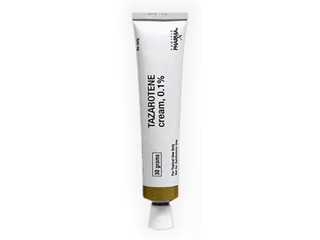
Tazorac (Tazarotene) — Patient Guide for Australia
Tazorac is a topical medicine containing tazarotene, a form of vitamin A (a “retinoid”). It is used to improve the skin conditions of certain acne types, psoriasis, and other related problems by helping normal skin cells grow and shed more effectively.
This guide explains how Tazorac works, how to use it safely, what to expect, and how it fits into skin-care routines in Australia.
Quick Product Information
- Active ingredient: Tazarotene
- Product name: Tazorac
- Form: Cream or gel (strength may vary by product)
- Medicine class: Topical retinoid
- Main use cases: Acne, plaque psoriasis, and certain other skin conditions as directed by local product guidance
- How it’s applied: Once daily to the affected area (commonly in the evening)
Note: Strength, exact indications, and age limits can differ between formulations. Always check the specific product label and follow your clinician’s advice where applicable.
How Tazorac Works (Mechanism of Action)
Tazarotene is a topical retinoid. Once applied to the skin, it helps regulate cell growth and turnover. It works mainly by binding to retinoid receptors in the skin, which affects how skin cells behave.
- Normalises skin cell turnover: Helps reduce excessive skin cell shedding that can contribute to blocked pores and scaling.
- Reduces inflammation: Can calm inflammatory processes involved in acne and some inflammatory skin conditions.
- Improves keratinisation: Supports more normal formation of skin layers and reduces abnormal thickening/plaques.
- Helps prevent clogged pores: For acne, it can reduce comedones (clogged pores) and improve overall texture.
Because skin cell behaviour changes gradually, results usually take time—often weeks rather than days.
Pharmacokinetics (How the Body Handles Tazarotene)
Tazorac is applied to the skin. Only a small fraction of the medicine typically penetrates into the bloodstream compared with oral medicines. The medication is processed primarily by the skin and then converted into an active metabolite.
- Absorption: Generally limited when used as directed on intact skin.
- Metabolism: Converted to its main active metabolite (tazarotenic acid) in the body.
- Distribution: Minimal systemic distribution under normal topical use.
- Elimination: Metabolites are cleared via the body’s normal pathways (commonly hepatic metabolism and renal excretion).
Practical takeaway: systemic side effects are uncommon with topical use, but local skin reactions (dryness, irritation, redness) are common—especially during the first weeks.
What Tazorac Is Typically Used For in Australia
Tazorac is commonly used for the following dermatological indications, depending on formulation and local product guidance:
- Acne vulgaris (including certain inflammatory and non-inflammatory lesions)
- Plaque psoriasis (adult patients in appropriate cases, as directed)
- Other dermatologic conditions where topical retinoids are appropriate, as specified by the product’s approved use and clinician direction
If you are unsure whether your condition is suitable, check your product label or speak to a pharmacist for guidance.
Indications, Eligibility, and Important Considerations
- Age: Indications and age suitability may differ between products. Confirm the label instructions.
- Skin area: Avoid applying to eyes, lips, corners of the nose, or open wounds unless advised.
- Pregnancy and fertility planning: Retinoids are generally avoided during pregnancy due to potential risks to the unborn baby. If you are pregnant, planning pregnancy, or breastfeeding, discuss risks with a healthcare professional before using tazarotene.
- Sun sensitivity: Retinoids can increase sensitivity to sunlight. Sun protection is important.
Dosing and When to Apply
For most patients, Tazorac is used as a thin layer to the affected skin, typically once daily, often at night because retinoids may irritate more with daytime sun exposure. Your exact dosing may depend on the condition being treated and the product strength.
Typical approach (common practice)
- Start low: Apply a small amount once daily, or even every second night initially if your skin is sensitive.
- Build gradually: After a couple of weeks, some people can increase frequency if tolerated.
- Use sparingly: A pea-sized amount may be enough for a small area; apply only to affected areas.
Example timing
- Evening routine: Cleanse → fully dry skin → apply a thin layer → moisturise if needed.
- Hands: Wash hands after application (unless treating the hands).
Do not: Apply more than prescribed, or use more often, to “speed up” results—this often increases irritation without improving outcomes.
How to Use Tazorac Safely (Practical Use Tips)
- Prepare your skin: Use a gentle cleanser and pat the area dry completely before applying.
- Use a thin layer: Spread evenly over the affected area. Avoid excess product.
-
Moisturise strategically: If dryness occurs, apply a moisturiser either before (a “buffer”) or after the retinoid.
- Buffering method: moisturiser first → wait a few minutes → apply Tazorac.
- Follow-up method: apply Tazorac → moisturiser after 10–20 minutes if tolerated.
- Sun protection: Use broad-spectrum sunscreen (SPF 30+), wear protective clothing, and avoid tanning beds.
- Avoid irritants: Limit alcohol-based toners, exfoliating acids (unless specifically recommended), and harsh scrubs during the first weeks.
- Be patient: Early irritation doesn’t always mean it’s not working; some reactions improve as the skin adapts.
What to Expect: Timing and Results
Tazorac is not a “quick fix.” Improvements generally occur over time, with skin adaptation taking place in the background.
- First 1–2 weeks: Possible dryness, redness, mild burning/stinging, or peeling. This may be reduced by starting slowly and using moisturisers.
- Weeks 3–6: Many people begin to notice fewer new lesions and smoother skin texture.
- After 8–12 weeks: More complete improvement may be seen, depending on the condition.
If severe irritation develops, stop and seek advice from a healthcare professional or pharmacist.
Food Interactions
Because Tazorac is a topical medication, it has minimal relevance to food. No specific dietary restrictions are usually required.
However, if you also take other retinoid-related medicines by mouth (or have significant liver-related conditions), speak to a clinician for personalised advice.
Alcohol and Other Medicine Interactions
Alcohol
There is no direct “alcohol interaction” typical for a topical retinoid in the way that some oral medicines do. That said:
- Avoid alcohol-based skin products (e.g., many astringents or toners) on the same area, as they can worsen dryness and irritation.
- Be careful with scented products: Fragrance and harsh formulations can increase irritation during treatment.
Other medicines (skin and systemic)
Interactions are mainly about additive irritation rather than changes in drug levels.
- Other topical retinoids: Avoid combining with other strong retinoids (unless advised), as this may increase irritation.
- Exfoliating acids: Products with glycolic acid, salicylic acid, or similar keratolytics may increase dryness—especially at the start.
- Topical benzoyl peroxide: For acne, it may be possible to use alongside Tazorac, but start carefully. Some people prefer alternating nights to reduce irritation.
- If your regimen includes benzoyl peroxide, consider applying one active at a time until your skin adapts.
- Moisturisers and gentle cleansers: Generally helpful and can reduce adverse effects.
- Systemic medicines: If you take other medicines with vitamin A/retinoid activity or have liver concerns, discuss your medicines with a healthcare professional.
Always inform your pharmacist about all skin products and medicines you use, including over-the-counter items.
Safety Profile: Side Effects and Warnings
Like all medicines, Tazorac can cause side effects. Many are local skin reactions and often improve with time or by adjusting how you use the product.
Common side effects
- Dry skin (xerosis)
- Redness (erythema)
- Peeling or flaking
- Burning, stinging, or itching
- Skin sensitivity or irritation, especially at the start
Less common but important effects
- Severe dermatitis or blistering (seek advice urgently if this occurs)
- Worsening irritation after increasing frequency
- Changes in skin colour at the application site (temporary in many cases)
When to seek medical help
Seek urgent advice if you develop signs of a serious allergic reaction (e.g., swelling of the face/lips, difficulty breathing, widespread hives) or severe skin reactions.
Who should be extra cautious
- People with eczema or very sensitive skin may need a slower start and stronger moisturising routine.
- Anyone with a history of excessive sunburn should be diligent with sun protection.
- Pregnancy and breastfeeding: Discuss risks with a healthcare professional before use.
Practical Routine Examples (How to Fit Tazorac Into Daily Life)
Example: Acne routine (evening-focused)
- Night: Gentle cleanser → dry → apply thin layer Tazorac to acne-prone areas → moisturiser
- Morning: Gentle cleanser → moisturiser → sunscreen SPF 30+
- Optional: If you use benzoyl peroxide or salicylic acid, alternate nights during the first month to reduce irritation.
Example: Plaque psoriasis routine (as directed)
- Night: Clean and dry plaques → apply thin layer to affected areas → moisturiser if needed
- Day: Keep the skin hydrated; protect from sun.
- Consistency: Use as prescribed; flare cycles may require ongoing planning.
Alternative Options
Alternatives depend on the condition being treated (acne vs plaque psoriasis) and how sensitive your skin is. Your pharmacist or dermatologist can tailor options. Common alternative categories include:
- Other topical retinoids (different strengths or formulations)
- Topical benzoyl peroxide or topical antibiotics for acne (where appropriate)
- Topical corticosteroids for psoriasis flares (often short-term or targeted)
- Vitamin D analogues used for psoriasis (in selected regimens)
- Oral treatments for more severe acne (handled by clinicians)
If Tazorac causes persistent irritation or isn’t suitable, switching to another active ingredient or adjusting the frequency may help.
Australia: Market, Legal, and Access Context
In Australia, topical prescription medicines are regulated under national medicines and scheduling rules. Availability can vary by product brand and strength. Pharmacists can advise on:
- Which strengths and formulations are stocked locally
- Whether a product is suitable based on the listed indications and patient factors
- How to use it safely with your current skin-care products
For online pharmacy purchases, you may be asked to confirm product details and usage expectations during ordering. Always follow the instructions included with your specific product pack.
Recent guidance: Treatment guidance for acne and psoriasis is periodically updated by dermatology and public health bodies. While the core role of retinoids remains, recommendations often emphasise:
- Starting gradually to reduce irritation
- Sun protection and moisturising
- Careful avoidance of combination products that intensify irritation
- Clear patient education on timing and expected results
Delivery and Availability (Online Pharmacy in Australia)
Availability of Tazorac can depend on stock levels, product strength, and whether the item is held locally or supplied via distribution. Typical online ordering and delivery features include:
- Ordering: Select the appropriate strength/formulation and quantity
- Packaging: Products are supplied in original manufacturer packaging when sourced through legitimate channels
- Delivery time: Varies by location (metro vs regional)
- Temperature/handling: Topical creams and gels are generally stable under normal shipping conditions, but storage instructions should be followed
If you need help choosing the right formulation, contact a pharmacist before ordering.
Storage
- Store at controlled room temperature as stated on the pack
- Keep out of reach of children
- Do not use after the expiry date printed on the packaging
Frequently Asked Questions (FAQ)
1) How long does it take for Tazorac to work?
Many people notice changes after 3–6 weeks, with more improvement often seen by 8–12 weeks. Skin irritation can appear in the first couple of weeks as your skin adjusts.
2) Can I use moisturiser with Tazorac?
Yes. Moisturisers can reduce dryness and irritation. You may apply moisturiser either before (buffering) or after Tazorac, depending on what feels most comfortable.
3) Where should I apply Tazorac?
Apply only to the affected areas. Avoid the eye area, mouth corners, and broken or irritated skin unless your clinician specifically instructs otherwise.
4) What if my skin becomes too irritated?
Reduce the frequency (e.g., use every second night), use a moisturiser buffer, and avoid other potentially irritating products. If you develop severe redness, swelling, blistering, or worsening symptoms, stop and seek medical advice.
5) Can I use Tazorac with sunscreen?
Strongly yes. Sunscreen helps reduce irritation and protects healing skin. Choose a broad-spectrum product and apply every morning.
6) Can I use Tazorac with benzoyl peroxide?
Some acne regimens combine them, but it can increase dryness. Many people alternate products by night at the beginning. Ask a pharmacist if you’re unsure how to combine actives safely.
7) Does Tazorac interact with alcohol?
There is no typical direct interaction from drinking alcohol. However, avoid alcohol-based skin products on treated areas, as they can worsen dryness and irritation.
8) Can I shave or use hair removal products on treated skin?
Avoid applying Tazorac immediately before shaving or hair removal, as irritation is more likely. Wait until skin feels comfortable and follow safe hair removal practices. If irritation occurs, pause and seek advice.
9) Is it safe to use Tazorac during pregnancy or breastfeeding?
Retinoids are generally avoided during pregnancy due to potential risks. If you are pregnant, planning pregnancy, or breastfeeding, discuss the safest options with a healthcare professional before use.
10) What should I do if I forget a dose?
Apply it when you remember if it’s still close to your usual time. If it’s near the next dose, skip the missed dose—do not double up.
Summary Table: Key Points at a Glance
| Topic | What to Know |
|---|---|
| Active ingredient | Tazarotene (topical retinoid) |
| Typical use | Applied thinly once daily to affected areas (often at night) |
| Mechanism | Normalises skin cell turnover, reduces inflammation |
| Results | Usually weeks; ~3–6 weeks for noticeable changes; up to 8–12 weeks for best effect |
| Common side effects | Dryness, redness, peeling, stinging/irritation (often early) |
| Food interactions | Usually no dietary restrictions because it’s topical |
| Alcohol / skin products | Avoid alcohol-based skincare products on treated areas |
| Sun safety | Use sunscreen and protective clothing; reduce sun exposure |
| Safety notes | Avoid use in pregnancy; be cautious if breastfeeding—discuss with a healthcare professional |
Final Tips for a Better Experience
- Start slowly: If you’re prone to irritation, build up frequency gradually.
- Moisturise consistently: Dry skin can make retinoid therapy feel much harder.
- Protect from the sun: Daily sunscreen is a key part of treatment success.
- Keep the routine simple: Avoid multiple “strong actives” at the same time until your skin adapts.
- Follow pack instructions: Product strengths and directions can differ.
If you have questions about suitability for your condition, skin type, or existing skin-care products, a pharmacist can help you plan a safer routine.