
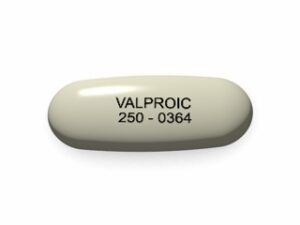
Valparin® (Valproic Acid / Valproate) — Patient Information (Australia)
Valparin® is a brand of valproic acid (also referred to as valproate). It is an anti-seizure medicine used to control certain types of epilepsy and other neurological conditions. It may also be used for specific mood-related conditions in selected patients, depending on local prescribing guidelines.
This page explains how Valparin works, how it’s taken, what to expect, and important safety considerations—especially for children, pregnant people, and those using other medicines or alcohol.
Quick product overview
| Category | Details |
|---|---|
| Medicine name | Valparin® (valproic acid / valproate) |
| Medicinal ingredient | Valproate (commonly described as valproic acid or divalproex sodium depending on formulation) |
| Therapeutic group | Anticonvulsant / anti-seizure medicine |
| Typical forms | Tablets, capsules and/or oral solutions (availability varies) |
| Common dosing pattern | Once or twice daily depending on the formulation and treatment plan |
| Key monitoring | Liver function tests, full blood count/platelets, and sometimes valproate blood levels |
How Valparin works (mechanism of action)
Valproate helps reduce abnormal electrical activity in the brain. The exact mechanisms are complex, but several actions are thought to contribute:
- Increases GABA activity: Valproate is believed to enhance the effect of gamma-aminobutyric acid (GABA), a calming neurotransmitter that helps stabilise nerve activity.
- Modifies ion channel activity: It can influence sodium and other channels involved in nerve signalling, reducing seizure propagation.
- Effects on neuronal firing: It may reduce the likelihood that brain cells generate repetitive, seizure-triggering signals.
For some people, the medicine can also help prevent seizure patterns and improve seizure control over time.
Pharmacokinetics: what the body does to Valparin
Pharmacokinetics describes how the body absorbs, distributes, metabolises, and eliminates valproate.
Absorption
Valproate is absorbed through the gastrointestinal tract. Absorption and peak levels can vary between formulations (for example, immediate-release vs modified-release products).
Distribution
Valproate distributes widely in the body and can cross into the brain and other tissues. It is also highly bound to proteins in the blood, which is relevant when interacting medicines are used.
Metabolism
Valproate is primarily metabolised by the liver. This is why liver health and liver function tests are important, and why certain liver conditions or interacting medicines may require extra caution.
Elimination
Elimination is mainly through the kidneys after liver metabolism. The half-life may vary between individuals and can be influenced by age, liver function, and other medicines.
What Valparin is used for (indications)
Valparin is used to treat conditions where seizure control is required. Indications can vary by formulation and local guidance. Common uses include:
Neurological indications
- Epilepsy: Control of seizures in adults and children for certain seizure types.
- บาง types of seizures: It may be used for multiple seizure types (e.g., generalised seizures), depending on the person’s condition and specialist assessment.
Mood-related indications (in selected patients)
In some situations, valproate may also be used for mood stabilisation in bipolar disorder or for related conditions, based on clinical judgment and suitability. Because of important pregnancy safety concerns, risk assessment is essential.
Always follow the treatment plan provided by your clinician and the product-specific information for the exact Valparin formulation you’re using.
Timing and how to take Valparin
Consistent daily dosing is important for steady control of seizures. Timing requirements depend on whether your product is immediate-release or modified-release.
General timing guidance
- Take at the same times each day to help maintain steady blood levels.
- If your dosing schedule is twice daily, space doses evenly (for example, morning and evening).
- If your dose is once daily, take it at the time your clinician recommends (often at the same time each day).
With or without food?
Valproate may be taken with or without food, but taking it with food may reduce nausea or stomach upset for some people. The most important factor is to be consistent with how you take it.
Food interactions and what to watch for
Many patients can take Valparin with meals safely. However, there are a few practical points:
- Consistency matters: If you typically take your dose with food, try not to switch suddenly to an empty stomach (or vice versa) without advice.
- Gastrointestinal effects: Nausea, indigestion, or stomach discomfort can occur; food may help.
- Hydration: Staying well hydrated can help overall tolerance.
There are no widely established “must avoid” foods for valproate like there are for some other medicines, but individual tolerance varies.
Alcohol and medicine interactions
Alcohol
It’s generally recommended to avoid or minimise alcohol while taking valproate. Alcohol may worsen side effects such as dizziness and drowsiness, and it can increase the risk of liver harm.
If you choose to drink alcohol, discuss it with your clinician or pharmacist—especially if you have liver issues, drink regularly, or are taking other sedating medicines.
Other medicines: important interaction themes
Valproate can interact with many medicines. Some interactions change blood levels of valproate or other drugs; others increase the chance of side effects.
- Medicines affecting liver enzymes: Some anti-seizure medicines and other drugs can alter valproate metabolism, requiring monitoring or dose adjustments.
- Protein-binding interactions: Because valproate binds to blood proteins, other highly protein-bound medicines may affect free (active) levels.
- Medicines that affect bleeding: Valproate can lower platelet count in some people, which may increase bleeding risk when combined with medicines affecting blood clotting.
- Sedating medicines: Combining with other medicines that cause drowsiness can increase impairment and fall risk.
- Carbapenem antibiotics: Some antibiotics (class effects) may significantly reduce valproate levels and should generally be avoided unless a specialist advises otherwise.
- Oestrogen-containing medicines (relevance to pregnancy planning): Oestrogen-containing therapies can affect seizure control and may alter valproate levels.
Tell your pharmacist about all medicines and supplements you take, including over-the-counter products (like pain relief, cold and flu remedies, and herbal supplements).
Dosing: typical approach and what to expect
Dose and schedule are individual. Factors include age, body weight, seizure type, liver function, other medicines, and formulation. Your clinician will determine the starting dose and slowly adjust as needed for seizure control with manageable side effects.
Starting and adjusting
- Starting dose: Often lower at first to improve tolerance.
- Adjustment: Gradual dose increases may occur until seizures are well controlled.
- Monitoring: Blood tests may be used to check liver health and (in some cases) valproate levels.
Typical adult and paediatric dosing patterns (general guidance)
Exact dosing should follow local product guidance and specialist assessment. Commonly, valproate is dosed based on body weight in children and based on clinical response in adults.
If you are using Valparin in a child, dosing is especially individual and should be confirmed with the prescriber and pharmacy dispensing labels.
Do not change your dose suddenly
Stopping valproate abruptly can increase seizure risk. If a change is needed, it is usually done gradually under medical supervision.
Safety profile: key risks and when to seek help
Valparin is effective for many people, but it has important safety considerations. Pay special attention to the risk of serious liver injury and birth defects.
Major warnings (especially relevant to pregnancy)
- Pregnancy and breastfeeding concerns: Valproate is strongly associated with an increased risk of congenital malformations (birth defects) and developmental problems.
- Risk management: If pregnancy is possible, risk assessment and effective contraception planning are essential.
- Do not discontinue without advice: Changing seizure medicines during pregnancy or planning must be handled with specialist guidance to maintain seizure control and reduce risk.
If you are pregnant, planning pregnancy, or could become pregnant, contact your clinician urgently to discuss safer options and an appropriate plan.
Other important safety issues
- Liver problems: Symptoms may include unusual fatigue, weakness, loss of appetite, vomiting, abdominal pain, dark urine, or yellowing of the skin/eyes (jaundice). Seek urgent medical attention if these occur.
- Pancreatitis: Severe stomach pain (especially with vomiting) can indicate inflammation of the pancreas and requires urgent assessment.
- Low platelets or blood cell changes: Easy bruising, bleeding, or frequent infections may require prompt medical review.
- Drowsiness and dizziness: These can impair driving and operating machinery.
- Weight gain and appetite changes: Some people notice increased appetite or weight changes.
- Tremor or gait changes: Neurological side effects can occur and may improve with dose adjustment.
- Skin reactions: Seek medical help for blistering, rash with fever, or severe skin reactions.
When to seek urgent help
- Signs of serious allergy (swelling of face/lips, breathing difficulty)
- Yellow skin/eyes, dark urine, severe persistent vomiting, severe abdominal pain
- Unexplained bruising or bleeding
- Confusion, marked sleepiness, or new severe neurologic symptoms
Practical use tips for getting the best results
How to stay consistent
- Use a daily reminder: A phone alarm or medication organiser can help you avoid missed doses.
- Keep a medication list: Include all current medicines and supplements for every doctor/pharmacist visit.
- Track seizure control: A simple diary (date/time, type of seizure, triggers) can help clinicians adjust treatment.
Missed dose guidance (general)
If you miss a dose, take it when you remember unless it is close to the time for the next dose. In general, do not double up. Because instructions can vary by product and dosing schedule, check your medication label or ask your pharmacist for specific advice.
Do not stop suddenly
If you’re planning surgery, feeling unwell, or considering stopping, discuss it first. Sudden changes can worsen seizure control.
Alternative options (what else may be considered)
Treatment for seizures is individual. Alternative anti-seizure medicines may be considered based on seizure type, age, comorbidities, and safety priorities (including pregnancy risk). Your clinician may suggest one or more of the following options depending on suitability:
- Levetiracetam
- Lamotrigine
- Carbamazepine
- Oxcarbazepine
- Topiramate
- Brivaracetam
- Zonisamide
Some alternatives have different side-effect profiles and different interactions. For people who are pregnant or may become pregnant, clinicians may prioritise medicines with lower teratogenic risk.
Market and legal context in Australia (safety, access, and monitoring)
In Australia, medicines containing valproate are subject to strict safety communication due to the risk of harm in pregnancy. Healthcare providers and pharmacists use risk-screening and patient education to help ensure valproate is used appropriately.
What this means for patients
- Additional counselling may be required when starting or continuing valproate.
- Monitoring tests may be scheduled to check liver health and blood counts.
- Pregnancy prevention planning may be discussed if pregnancy is possible.
Recent guidance (high-level)
International and Australian safety communications for valproate have consistently focused on: pregnancy prevention, informed risk acknowledgement, and specialist review of risks versus benefits. Guidance may include stronger restrictions in people who could become pregnant and enhanced monitoring and documentation practices.
For the most up-to-date requirements, your local pharmacist or treating specialist can provide details relevant to your situation.
Delivery and availability in Australia
Availability of Valparin can vary by formulation (e.g., tablet vs oral solution) and stock levels. Online pharmacies typically source medicines through licensed supply chains and dispatch based on current inventory.
Delivery considerations
- Dispensing and identification: Medicines may require patient details and verification steps.
- Cold-chain: Valproate products usually do not require refrigeration under standard conditions, but follow product storage directions.
- Delivery timeframes: These depend on your location and the pharmacy’s dispatch schedule.
- Repeat supply planning: If you take valproate long-term, order with enough time for dispatch and delivery.
If your order is delayed or a product is temporarily unavailable, the pharmacy may contact you to discuss alternatives or substitutions consistent with clinical safety and product availability.
FAQ: Valparin (valproic acid / valproate)
1) How long does it take for Valparin to work?
Some people notice benefits within days, while others require weeks as the dose is adjusted and steady levels are reached. Your clinician will monitor your seizure control and side effects during dose changes.
2) Can I drive while taking Valparin?
If Valparin makes you drowsy, dizzy, or slows your reaction time, you should avoid driving and operating machinery until you know how it affects you. Follow local road safety rules and your clinician’s advice.
3) What should I do if I miss a dose?
Take it when you remember unless it’s near the next dose. Do not double up. Check your label or ask your pharmacist for product-specific instructions.
4) Is Valparin safe for children?
Valproate can be used in children for appropriate seizure types, but it requires careful dosing and monitoring (including liver function and blood tests). Discuss risks and benefits with the child’s treating team.
5) Why is pregnancy such a concern with valproate?
Valproate is associated with increased risks of birth defects and developmental problems. For people who could become pregnant, pregnancy prevention planning, specialist review, and careful risk management are essential.
6) Can I drink alcohol with Valparin?
It’s generally best to avoid or minimise alcohol. Alcohol can increase drowsiness and may increase harm to the liver. If you have questions about what is safe for you, ask your pharmacist or clinician.
7) What tests will I need while taking Valparin?
Common monitoring includes liver function tests and blood counts (platelets and other blood cells). Your clinician may also check valproate blood levels in specific circumstances.
8) Are there medicines I should avoid?
Some medicines can significantly interact with valproate or increase side effects. Always tell your pharmacist about all medicines and supplements. If you need an antibiotic or a new medicine for another condition, ask whether it interacts with valproate.
9) Can I switch between different valproate formulations?
Not all valproate products release medicine in the same way. Switching formulations may require dose adjustments and monitoring. Only change product type if advised by your clinician and pharmacist.
10) What side effects are common?
Common side effects can include nausea, stomach discomfort, drowsiness, dizziness, tremor, weight changes, and changes in appetite. If side effects are severe or persistent, discuss with your clinician.
Important patient reminder
This information is general and not a substitute for personalised medical advice. If you have questions about your individual condition, interactions, pregnancy planning, or side effects, speak with your pharmacist or treating clinician.