Valproic Acid: Patient-Friendly Medicine Information (Australia)
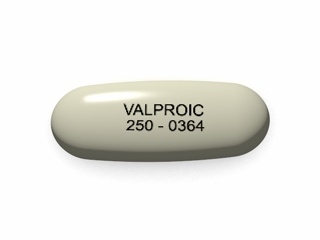
Valproic Acid is a medicine used to treat certain neurological and mood-related conditions. It belongs to a group of medicines often referred to as antiepileptics and mood stabilisers. People commonly know it by different brand names and formulations (for example, enteric-coated or extended-release products), depending on your prescription and local availability.
This guide explains how valproic acid works, what it’s used for, how it’s typically taken, and important safety information. It is written to be clear and practical for patients and carers in Australia.
Quick product information
| Category | Details |
|---|---|
| Generic name | Valproic Acid |
| Common uses | Epilepsy (seizures), bipolar disorder (in some cases), and other neurologic/mood indications |
| Common formulations | Immediate-release, delayed/enteric-coated, and extended-release (varies by brand) |
| How it works | Helps reduce abnormal electrical activity in the brain and stabilises mood mechanisms |
| Medicine class | Anticonvulsant / antiepileptic; mood stabiliser |
| Availability | Available via prescription medicines channels in Australia (product availability can vary by supplier) |
How valproic acid works (mechanism of action)
Valproic acid works in several ways that help control seizures and stabilise mood in certain conditions. While the exact picture can vary depending on the individual and the condition treated, commonly described mechanisms include:
- Increasing levels of GABA (gamma-aminobutyric acid), a naturally occurring calming neurotransmitter in the brain.
- Modifying electrical activity in neurons, which can reduce the likelihood of abnormal firing associated with seizures.
- Effects on ion channels involved in neuronal excitability.
- Additional actions relevant to mood regulation, contributing to its use as a mood stabiliser in selected patients.
Pharmacokinetics: how the body handles valproic acid
Pharmacokinetics describes how the medicine is absorbed, distributed, metabolised, and eliminated. Key points include:
- Absorption: Valproic acid is absorbed through the gastrointestinal tract. The speed and pattern depend on the formulation (immediate-release vs extended-release vs delayed/enteric-coated).
- Distribution: It distributes throughout body tissues. It is highly protein-bound, meaning changes in blood proteins or other medicines can affect the “free” active drug level.
- Metabolism: Valproic acid is primarily processed in the liver (metabolised by hepatic enzymes). This is one reason liver health and interactions are important.
- Elimination: Most metabolites are removed through the kidneys.
- Half-life: Half-life can vary by formulation and individual factors, affecting how often doses are given and why missed doses matter.
Because of individual variability and formulation differences, clinicians may monitor blood levels for some patients to help optimise safety and effectiveness—especially when starting therapy, changing dose, or managing interactions.
Typical uses (indications)
Valproic acid is used for conditions where reducing abnormal neuronal activity or stabilising mood is beneficial. Indications can vary depending on the formulation and local prescribing practices.
Common indications may include:
-
Epilepsy and seizure disorders
- Including focal (partial) seizures, generalised seizures, and mixed seizure types (depending on the patient).
- Used when seizures need long-term control.
-
Bipolar disorder (mood stabilising role)
- Often considered for prevention of mood episodes in appropriate patients.
- Other neurologic indications may be considered by specialist teams in certain circumstances.
Your care team will determine the most appropriate use based on diagnosis, medical history, other medicines, age, and risk factors.
How to take valproic acid: timing & dosing basics
Dosing is individual. Factors include the formulation, condition being treated, age, body weight, liver function, and how you respond to treatment. Follow your medicine label and clinician instructions.
Timing
- Try to take it at the same times each day to keep blood levels steadier.
- If you take it twice daily, aim for roughly 12 hours apart.
- If you’re on an extended-release product, the schedule may be less frequent than immediate-release—use the exact instructions for your specific product.
Dose adjustment and monitoring
Valproic acid therapy often starts at a lower dose and is gradually adjusted. Monitoring may include:
- Clinical response (seizure control or mood stability)
- Blood tests (where advised), such as liver function tests and full blood counts
- Valproate blood levels when interactions or formulation changes occur, or if there are concerns about toxicity or inadequate effect
Typical dosing ranges (general information)
Because doses vary significantly by formulation, indication, and patient factors, the safest approach is to follow the prescribed dose. Below is general background that may help you understand typical dosing approaches:
- Adults: often start low and gradually titrate; total daily dose may range commonly from around 500 mg/day to 2000 mg/day depending on condition and response.
- Children: dosing is usually calculated by weight and titrated carefully under specialist guidance.
Important: Do not compare mg amounts across different brands or formulations directly. Immediate-release and extended-release products are not always interchangeable on a like-for-like basis.
Food interactions: can you take valproic acid with meals?
Valproic acid may be taken with food or on an empty stomach depending on the formulation and tolerability. In many cases, taking it with meals can help reduce stomach upset.
- If you experience nausea or stomach discomfort, taking doses with food may improve comfort.
- Consistency matters: if you normally take it with food, try to keep your routine stable.
- For certain formulations (e.g., delayed/enteric-coated), follow the specific instructions on your product label.
Alcohol and medicine interactions
Valproic acid can affect the brain and the nervous system. Alcohol may increase drowsiness, dizziness, and impaired coordination. For safety, it’s generally recommended to avoid alcohol or keep it minimal—and to discuss this with your clinician if alcohol use applies.
Medicine interactions to discuss with a pharmacist or doctor
Interactions can change how valproic acid works or increase side effects. Common categories include:
- Other anti-epileptic medicines: combinations can alter drug levels and side-effect risk.
- Medicines that affect liver enzymes (hepatic metabolism): some drugs can change valproate concentrations by speeding up or slowing down metabolism.
- Warfarin and other anticoagulants: valproate may affect bleeding risk depending on the situation and monitoring.
- Topiramate: combination use is associated with increased risk of hyperammonemia (high ammonia levels) and related neurologic effects in some cases.
- Aspirin and other salicylates (in some circumstances): may influence protein binding and valproate levels—especially in children.
- Some antidepressants and antipsychotics: may add to sedation or affect overall psychiatric stability.
Always tell your healthcare team
- All prescription medicines
- Any over-the-counter products (including herbal medicines)
- Vitamins or supplements (some can affect metabolism or clotting)
Do not start or stop medicines abruptly. If you miss a dose or are switching medicines, ask for advice on the safest approach.
Safety profile: important warnings and side effects
Like all medicines, valproic acid can cause side effects. Many are mild and improve with time, but some reactions require urgent medical attention. The most important safety topics include liver health, blood cell effects, and specific warnings for certain populations.
Seek urgent medical help if you experience
- Signs of liver problems: unusual tiredness, vomiting, loss of appetite, pain in the upper abdomen, dark urine, yellowing of the skin/eyes (jaundice)
- Severe allergic symptoms: swelling of the face/lips, trouble breathing, widespread rash
- Severe bruising or bleeding: unexpected nosebleeds, bleeding gums, large bruises
- Confusion, marked drowsiness, or unusual behaviour—especially if accompanied by vomiting or worsening alertness
- Severe persistent headache or neurological symptoms that feel different from your usual pattern
Common side effects
- Drowsiness or tiredness
- Nausea, stomach discomfort
- Tremor or changes in coordination
- Weight gain (varies between individuals)
- Hair changes (sometimes hair thinning)
- Headache
Less common but important risks
- Pancreatitis (inflammation of the pancreas): severe abdominal pain, with or without vomiting
- Blood count changes: low platelets or other blood cell abnormalities
- Hyperammonemia: elevated ammonia, which can cause confusion or reduced alertness
- Embryo/fetal risk in pregnancy: valproate is associated with increased risk of birth defects and developmental issues
Pregnancy and reproductive safety (high priority)
Valproic acid carries well-recognised risks in pregnancy, including risk to the developing baby. If pregnancy is possible or planned, it is essential to discuss:
- Reliable contraception
- The risk-benefit balance for your individual condition
- Whether an alternative medicine could be safer
- Early referral to a specialist service for pre-conception planning
If you become pregnant or are planning pregnancy, contact your healthcare team promptly for guidance.
Practical use tips (to help you stay on track safely)
- Use a medication routine: link doses with daily activities (breakfast/dinner) or set reminders.
- Keep the same formulation: if you switch brand or formulation (immediate vs extended-release), ask whether timing changes.
- Do not crush or split extended-release tablets/capsules unless your specific product instructions allow it.
- Hydration and nutrition: staying well-hydrated can help overall tolerance; maintain regular meals.
- Watch for early side effects: report new drowsiness, mood changes, or unusual bruising promptly.
- Driving and operating machinery: valproate can cause drowsiness or dizziness in some people. Avoid driving until you know how it affects you.
If you miss a dose: general guidance
Missed doses can be important for seizure control and mood stability. General advice:
- If you remember soon after, take the dose as directed by your label.
- If it’s near the time of the next dose, skip the missed dose and continue your normal schedule.
- Do not double up unless your healthcare professional specifically instructs you.
If you’re unsure, consult a pharmacist or your care team—especially if you miss more than one dose.
Alternative options (what you might discuss with your clinician)
There are several alternatives for epilepsy and mood disorders. The best choice depends on your diagnosis, seizure type, age, comorbidities, and interaction profile.
For epilepsy, possible alternatives may include:
- Levetiracetam
- Lamotrigine
- Carbamazepine
- Oxcarbazepine
- Topiramate
- Other antiepileptics depending on your condition
For bipolar disorder, possible alternatives may include:
- Lamotrigine
- Lithium
- Some antipsychotic medications used as mood stabilisers
- Other specialist-selected options
Switching medicines can require gradual changes to avoid rebound seizures or mood instability. Always discuss changes with your healthcare team.
Market and legal context in Australia
In Australia, medicines containing valproic acid are regulated as prescription medicines. Availability and brand selection can vary between pharmacies and suppliers. An online pharmacy listing may show current stock status at the time of order, but supply can change.
Safety policies and clinical guidelines in Australia emphasise risk management, including appropriate monitoring and careful consideration of pregnancy-related risks. Healthcare professionals may also consider patient factors such as age, reproductive potential, liver health, and interaction risks when deciding on therapy.
If you’re using valproic acid under a structured plan (for example, ongoing review and monitoring), ensure follow-up appointments and blood tests occur as advised.
Recent guidance and monitoring themes (general overview)
Over recent years, international and national safety updates have focused strongly on reducing avoidable harm, particularly:
- Pregnancy prevention and risk communication (for people who can become pregnant)
- Regular safety monitoring such as liver function and blood counts
- Awareness of drug interactions that may increase valproate exposure or side effects
- Prompt recognition of serious adverse effects like liver injury and pancreatitis
- Use of the safest formulation and dose schedule tailored to the individual
Guidance may evolve over time. Your pharmacist or prescriber can provide the most current local advice for your situation.
Delivery and availability (Australia)
Online pharmacies in Australia typically offer delivery options that may include express or standard post depending on location and supplier. Availability of valproic acid can fluctuate based on stock levels and formulation (for example, delayed/extended-release).
What to expect when ordering
- Stock updates: the website may display whether an item is currently available.
- Substitutions: substitutions between formulations should be avoided unless your prescriber/pharmacist approves.
- Packaging and labelling: products are normally supplied in original packaging with clear dosing instructions.
- Delivery times: vary by postcode and dispatch schedule.
If you need your medicine urgently, contact customer support so they can advise on dispatch timing or alternatives that are safe and appropriate.
FAQ: Valproic Acid
1) What is valproic acid used for?
Valproic acid is used mainly for seizure disorders (epilepsy) and may also be used for bipolar disorder or other conditions under specialist direction. The exact indication depends on your diagnosis and the specific formulation.
2) How long does it take to work?
Some seizure control benefits may be noticed as the dose is built up, but stabilisation can take time. For mood-related outcomes, improvements may also take weeks. Consistent dosing and follow-up are important.
3) Can I stop valproic acid if I feel better?
Do not stop suddenly. Stopping can increase the risk of seizures returning or mood symptoms worsening. Any change should be discussed with your healthcare professional, often involving a gradual plan.
4) Is it safe to take with food?
Many people take valproic acid with food to reduce stomach upset. Follow the instructions for your specific product and keep the routine consistent.
5) Can I drink alcohol while taking valproic acid?
Alcohol may increase side effects such as drowsiness and dizziness. It’s generally advised to avoid or minimise alcohol, and to discuss your situation with a pharmacist or prescriber.
6) What interactions should I be aware of?
Important interactions may include other anti-epileptic medicines, drugs that affect the liver, anticoagulants (such as warfarin), and some other medicines. Always share your full list of medicines and supplements with your pharmacist.
7) What side effects are most concerning?
Contact urgent medical care for signs of liver problems (jaundice, severe fatigue, vomiting), severe allergic reactions, bleeding/bruising, severe abdominal pain (possible pancreatitis), or confusion/marked drowsiness that feels unusual.
8) Do I need blood tests?
Many patients benefit from periodic monitoring, which may include liver function tests, full blood counts, and sometimes valproate blood levels. Your clinician will advise what applies to you.
9) Can valproic acid affect driving?
It can cause drowsiness or dizziness in some people. Avoid driving or operating machinery until you know how it affects you and you meet your local safety requirements.
10) Are there alternatives if valproic acid isn’t suitable?
Yes. There are other medicines for epilepsy and bipolar disorder. The most appropriate alternative depends on your diagnosis, age, seizure type, and risk factors—your healthcare team can guide you through options safely.
Important reminder
This information is designed to help you understand valproic acid. For advice tailored to you—especially regarding dosing, missed doses, interactions, pregnancy planning, and monitoring—speak with your pharmacist or prescriber.