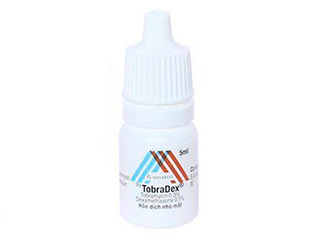
Tobradex (Obramycin/Dexamethasone) Eye Drops & Ointment — Patient Guide (Australia)
Tobradex is a medicine used for eye inflammation and infection. It contains two active ingredients: obramycin (an antibiotic) and dexamethasone (a corticosteroid).
This guide explains what Tobradex does, how it works, typical uses, how to take it safely, and what to watch for. It is written for people in Australia and uses general health information. Always follow the instructions given by your prescriber and the product label.
Basic product information
| Feature | Details |
|---|---|
| Brand | Tobradex |
| Active ingredients | Obramycin (antibiotic) + Dexamethasone (corticosteroid) |
| Common forms | Eye drops and eye ointment |
| Therapeutic class | Topical antibiotic + steroid combination for ocular use |
| Main purpose | Treats eye conditions where bacterial infection and inflammation occur together |
| Route of administration | Topical use in the eye (not for swallowing) |
How Tobradex works (mechanism of action)
Tobradex combines two medicines with complementary effects:
- Obramycin (antibiotic): Works against susceptible bacteria by interfering with bacterial protein synthesis. This helps reduce the number of bacteria causing infection.
- Dexamethasone (corticosteroid): Reduces inflammation by suppressing inflammatory pathways. It can decrease redness, swelling, pain, and other symptoms related to inflammation.
Together, the antibiotic addresses bacterial causes, while the steroid helps manage the inflammatory response that often occurs in eye infections or after eye procedures.
Pharmacokinetics (absorption, distribution, and metabolism)
Because Tobradex is used in the eye, the medicine acts mainly at the local site of application. Exact absorption can vary from person to person and between eye drops and ointment.
- Local ocular effects: The medicine reaches the conjunctiva and cornea to treat infection and inflammation.
- Systemic absorption: A small amount may enter the bloodstream through the eye tissues and nasal drainage. This is usually limited, but it can increase if drops/ointment are used frequently or if correct technique is not used.
- Metabolism & elimination: Like other corticosteroids and antibiotics, absorbed drug is processed by the body and eliminated over time. Clinically important systemic effects are uncommon when used as directed.
A practical technique—such as punctal occlusion (gently pressing the inner corner of the eye)—can reduce drainage into the nose and may help limit systemic absorption.
What Tobradex is typically used for (indications)
Tobradex is used for eye conditions where there is: (1) bacterial involvement and (2) significant inflammation.
Common indications (general examples) may include:
- Blepharitis or other anterior eye infections where inflammation is present and bacterial infection is suspected or confirmed.
- Conjunctivitis with an inflammatory component when bacterial infection is part of the cause and steroid use is appropriate.
- Post-procedure inflammation where a bacterial risk is present and inflammation needs steroid control (as advised by your clinician).
- Other clinician-diagnosed mixed infection/inflammation situations.
Important: Tobradex may not be suitable for all red or painful eyes. Steroids can worsen certain infections (for example, herpes simplex in the eye). Your clinician will decide the best treatment based on your symptoms and examination findings.
When to use it (timing and duration)
Tobradex is usually used for short periods. The exact schedule depends on the condition and severity.
- Typical routine: Multiple doses per day at evenly spaced times.
- Possible early adjustments: Some regimens start more frequently and then reduce as symptoms improve.
- Do not extend use: Using steroid-containing eye drops for longer than advised increases risk of side effects such as raised eye pressure and cataract formation.
If you miss a dose, follow the label instructions or clinician advice. In general, use it when you remember unless it is close to the next dose—do not double up.
Dosing (eye drops and ointment)
Dosing must be individualised. Below are general dosing patterns commonly used for combination antibiotic/steroid eye products. Always use the exact regimen provided with your specific Tobradex presentation.
General dose patterns (illustrative)
- Eye drops: Often prescribed several times daily, then reduced as symptoms improve.
- Eye ointment: Often used less frequently than drops due to thicker formulation and longer contact time.
Technique matters to ensure adequate contact time and to reduce contamination. After applying, keep the eyes gently closed for a short period.
How to apply eye drops (practical step-by-step)
- Wash and dry your hands.
- If using contact lenses, remove them before use (see “Food interactions and other considerations” for lens guidance).
- Shake the bottle if the label indicates shaking is needed.
- Tilt your head back and gently pull down the lower eyelid to form a small pocket.
- Hold the dropper above the eye. Avoid touching the eye with the tip.
- Instil the prescribed number of drops into the pocket.
- Release the eyelid and close your eye gently.
- Press the inner corner of the eye for 1–2 minutes (punctal occlusion) if you were taught this technique.
- Wipe any excess with a clean tissue.
How to apply eye ointment
- Wash hands.
- Pull down the lower eyelid to form a pocket.
- Apply a small strip of ointment (as directed) into the pocket.
- Keep the eye closed gently for a short time.
- Ointment can blur vision temporarily—plan accordingly (for example, at night).
Food interactions
No specific food interactions are expected with Tobradex because it is used in the eye. However, as with any medicine, keep your regimen consistent and follow your clinician’s advice.
If you are taking other medications by mouth, let your clinician know what you take, especially if you have glaucoma or a history of viral eye infections.
Alcohol and medicine interactions
Alcohol
There is usually no direct interaction between Tobradex and alcohol because of the topical route. However, if you feel unwell, dizzy, or your vision is affected, avoid driving or operating machinery and consider limiting alcohol.
Interactions with other medicines
Tobradex may interact indirectly with other eye medicines due to how the eye area is treated. Tell your pharmacist/doctor about all medicines you use, including:
- Other eye drops/ointments: If using more than one product, separate them to avoid dilution. Common practice is to wait at least 5–10 minutes between products (check your label or clinician advice).
- Glaucoma medicines: Dexamethasone can raise eye pressure in susceptible people, which may counteract glaucoma treatments.
- Other steroid-containing medications: Additional steroids from other sources may increase steroid-related risks.
- Antivirals or antibiotics for other conditions: Your clinician may adjust treatment depending on your diagnosis.
- Any history of herpes infections in the eye: Steroids can worsen certain viral infections.
If you’re unsure whether your condition requires Tobradex, seek advice promptly—using the wrong eye treatment can delay proper care.
Safety profile and side effects
Most people tolerate Tobradex well when used correctly and for the recommended period. However, because it contains a steroid, there are specific risks to be aware of.
Common or expected side effects
- Temporary stinging, burning, or discomfort after application
- Blurred vision (more common with ointment)
- Redness or mild irritation
- Watery eyes
Seek medical advice urgently if you experience
- Severe eye pain or rapidly worsening symptoms
- Significant light sensitivity
- Marked swelling of the eyelids or around the eye
- Any sign of allergic reaction (e.g., rash, facial swelling, breathing difficulty)
- Vision changes that persist or worsen (especially if associated with pain or halos around lights)
Important steroid-related risks
Dexamethasone can cause or worsen certain problems in some people, particularly with longer use or higher frequency:
- Raised intraocular pressure (IOP) → may lead to glaucoma damage if untreated
- Cataract formation (with prolonged use)
- Delayed wound healing in certain corneal conditions
- Infection worsening: steroids can suppress immune response, potentially allowing certain infections to worsen, including herpes simplex keratitis.
Who should be extra cautious
- People with glaucoma or a family history of glaucoma
- People with thin corneas or previous corneal problems
- People with suspected viral eye infections (for example, painful red eye with history of cold sores)
- Anyone needing treatment for longer than a short course, where eye pressure monitoring may be recommended by a clinician
Practical use tips for better results
- Use consistent timing: Set reminders if you need multiple doses daily.
- Good hand hygiene: Avoid contamination of the dropper/ointment tube.
- Avoid touching the eye: Keep the tip clean and away from lashes/corneas.
- Contact lenses: If you wear contact lenses, avoid using them during treatment unless your clinician specifically advises it. Lenses can trap medication and increase irritation risk. Ask your pharmacist for specific guidance.
- Wait between products: If you use artificial tears or other eye medicines, separate dosing by 5–10 minutes (or as advised).
- Don’t stop early unless instructed: Even if symptoms improve, complete the course recommended by your clinician.
- Protect vision: Ointment can blur vision—avoid driving until your vision clears.
Indications versus “red eye”: when Tobradex may not be appropriate
A red, painful, or watery eye can have many causes—bacterial infection, viral infection, allergy, dry eye, injury, or other inflammatory conditions.
Tobradex contains a steroid, which can be harmful in some conditions. Do not use Tobradex to self-treat without an appropriate assessment, especially if you have:
- Suspected herpes simplex infection in the eye (often associated with prior cold sores)
- Significant corneal ulcer symptoms
- Severe pain out of proportion to redness
- Contact lens–related pain (urgent review may be needed)
If you are unsure, seek medical advice promptly to ensure the correct diagnosis and treatment plan.
Alternative options
Alternative treatments depend on the underlying cause of your symptoms. Your clinician may choose:
- Antibiotic-only eye drops/ointment when steroid treatment is not needed.
- Anti-inflammatory drops (non-steroid options in some cases) when infection risk is excluded.
- Antiviral treatment if viral eye infection is suspected or confirmed.
- Lubricants (artificial tears) if the main cause is dry eye or irritation rather than infection.
For chronic or recurrent eye inflammation, management may include longer-term strategies and monitoring. Your pharmacist or clinician can advise on the most appropriate choice for your diagnosis.
Market and legal context in Australia
In Australia, medicines are regulated under the Australian Therapeutic Goods Administration (TGA) framework. Eye medicines containing antibiotic and corticosteroid components are generally supplied in accordance with local regulatory requirements. Availability may vary by presentation and manufacturer.
For online purchasing, reputable Australian pharmacies ensure appropriate screening and supply conditions are met. Always purchase from an authorised supplier and verify the medicine name, strength, and form (drops versus ointment) before use.
If you have concerns about suitability (for example, glaucoma risk, steroid sensitivity, or suspected viral infection), seek advice before starting treatment.
Recent guidance and safety updates (general)
While product-specific updates may vary, ophthalmic steroid-containing medicines are regularly emphasised in healthcare guidance due to safety considerations such as:
- Checking for conditions where steroid treatment may be inappropriate (notably certain viral infections and corneal ulcers)
- Monitoring for raised eye pressure in longer courses or higher-risk patients
- Encouraging correct administration technique to reduce contamination and systemic absorption
If you have been using Tobradex for more than a short period or you have symptoms that do not improve, follow up promptly with a healthcare professional.
Delivery and availability in Australia
Tobradex eye drops and/or ointment may be available through authorised online pharmacies, subject to supply schedules and stock availability. Delivery options typically include standard and express shipping across Australian states and territories.
- Stock status: Availability can change; check the listing for current information.
- Cold chain: Eye medications are usually stored at room temperature; follow the label instructions.
- Packaging: Medicines are normally delivered in protective packaging. Do not use if the seal is broken.
- Check expiry date: Do not use beyond the expiry date printed on the carton or bottle/tube.
For urgent eye symptoms, consider whether timely clinical review is needed rather than relying solely on delivery timing.
FAQs
1) What is Tobradex used for?
Tobradex is used to treat eye conditions where there is both bacterial infection and inflammation, under appropriate medical assessment. It contains the antibiotic obramycin and the anti-inflammatory steroid dexamethasone.
2) How fast will I feel better?
Some improvement in redness and discomfort can occur within a day or two, but the exact timing varies depending on the cause. If symptoms worsen or do not improve as expected, contact a healthcare professional promptly.
3) Can I wear contact lenses with Tobradex?
Generally, contact lenses should be avoided during eye infection/inflammation treatment unless your clinician advises otherwise. Lenses can worsen irritation and may trap medication. Ask your pharmacist for guidance specific to your situation.
4) Should I stop Tobradex once my eye looks better?
Do not stop early unless instructed. Completing the recommended course helps reduce the chance of incomplete treatment or relapse. If you experience side effects or worsening symptoms, seek advice.
5) What should I do if I miss a dose?
Use it when you remember unless it is close to your next dose. Do not double the dose to catch up. If you miss multiple doses, ask your pharmacist or clinician for advice.
6) Can Tobradex raise eye pressure?
Yes. Because it contains dexamethasone (a steroid), Tobradex can raise intraocular pressure in some people. This risk is higher with prolonged use or in people with glaucoma. If you have risk factors, ask about monitoring.
7) Is Tobradex safe for children?
Tobradex may be used in children in appropriate circumstances under medical guidance. Dosing and suitability depend on the diagnosis, age, and severity. Always follow clinician advice and use the correct formulation.
8) What if I have a history of herpes (cold sores) or viral eye disease?
Inform your clinician. Steroids can worsen certain viral infections in the eye. An accurate diagnosis is important. If you develop severe pain, light sensitivity, or blurred vision, seek urgent eye care.
9) Can I use Tobradex with other eye drops?
Often yes. If you use more than one product, separate them by about 5–10 minutes (or as directed) to prevent dilution and ensure each medicine has time to work.
10) Is there any interaction with food or alcohol?
No specific food interaction is expected. There is generally no direct alcohol interaction, but avoid driving or risky activities if vision becomes blurred after applying the ointment.
Quick checklist before using Tobradex
- I have been assessed for the cause of my eye symptoms (infection vs. other causes).
- I know whether I am using drops or ointment.
- I understand the dosing schedule and duration.
- I wash my hands and use correct application technique.
- I avoid contact lenses unless specifically permitted.
- I seek urgent help if I have severe pain, worsening symptoms, or vision changes.
Remember: Tobradex is a combination of an antibiotic and a steroid. It can be very effective when used for the right condition—but it is not suitable for every “red eye.” When in doubt, get prompt professional advice.