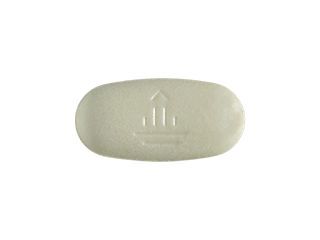


Telmisartan (for example, tablets): Patient Guide (Australia)
Telmisartan is a medicine used to help control high blood pressure and to protect the heart in certain people. It belongs to a widely used class of medicines called angiotensin II receptor blockers (ARBs). This guide explains how telmisartan works, how it is used, what to expect, and practical tips to help you take it safely and effectively in Australia.
Important: This information is intended for general education. Your individual situation may require different advice. Always follow the instructions provided by your healthcare professional and the product label.
1) Basic Product Information
- Generic name: Telmisartan
- Medicine type: Angiotensin II receptor blocker (ARB)
- Common strengths (varies by brand): 20 mg, 40 mg, 80 mg tablets
- How it is taken: Usually once daily by mouth
- Typical dosing schedule: Daily, at about the same time each day
- Who it’s for: Adults with high blood pressure (hypertension); and for some patients at risk of cardiovascular events
Note: Brand names differ across manufacturers. Your pharmacy will supply the exact product ordered.
2) Mechanism of Action (How Telmisartan Works)
Telmisartan blocks the action of angiotensin II, a hormone that narrows blood vessels and triggers fluid retention. Specifically, telmisartan:
- Prevents angiotensin II from binding to the AT1 receptor (a key step in blood vessel constriction)
- Helps blood vessels relax, lowering blood pressure
- Reduces stress on the heart by decreasing afterload (the force the heart pumps against)
Because it doesn’t directly lower aldosterone production the way some other drug types do, telmisartan tends to have a different side-effect pattern than medicines such as ACE inhibitors.
3) Pharmacokinetics (How the Body Handles Telmisartan)
Pharmacokinetics describes absorption, distribution, metabolism, and excretion—how your body processes the medicine.
- Absorption: Telmisartan is absorbed after oral administration. Its absorption can be influenced by food (see “Food Interactions” below).
- Peak levels: The maximum concentration in the blood typically occurs a few hours after taking a dose.
- Distribution: Telmisartan is highly bound to blood proteins, helping it remain in circulation.
- Metabolism: It is metabolised mainly by pathways in the liver.
- Elimination: The medicine is excreted largely via the biliary/fecal route; a smaller portion is excreted via the kidneys.
- Duration of effect: Telmisartan is long-acting, which is why many people take it once daily.
Kidney and liver considerations: Dosing may require adjustment in people with certain liver conditions. People with kidney disease may also need monitoring, especially for kidney function and potassium levels.
4) Typical Uses and Indications in Australia
Telmisartan is commonly used for:
- Hypertension (high blood pressure): To lower blood pressure and reduce the risk of cardiovascular complications.
- Reducing cardiovascular risk in selected patients: In some adults at higher risk (e.g., those with established cardiovascular disease or risk factors), telmisartan may be used as part of an overall prevention plan.
How it fits in your overall care: Telmisartan is often used alongside other heart and risk-reducing measures such as lifestyle changes, cholesterol management, and—when appropriate—antiplatelet therapy.
5) Timing and How to Take Telmisartan
Telmisartan is usually taken once daily. Many people choose a routine time such as:
- Morning with breakfast, or
- Evening before bed
Key practical points:
- Try to take your dose at the same time each day.
- You can take telmisartan with or without food, but food may slightly change absorption (see below).
- If you miss a dose, take it when you remember unless it’s close to your next dose. Do not take a double dose to catch up.
For consistent blood pressure control: It may take several weeks for the full effect to be evident. Don’t stop or adjust the dose based only on early changes.
6) Food Interactions and What to Expect
Telmisartan can be taken with or without food. However, certain meals may affect how much telmisartan your body absorbs.
- Typical effect: Food may reduce the maximum concentration and/or slightly delay absorption.
- Clinical impact: For most people, this difference is not large enough to require switching to a fasting schedule.
Practical tip: Choose a routine (with breakfast or without) and keep it consistent. If your healthcare professional advises a specific approach, follow that advice.
7) Alcohol and Medicine Interactions
Alcohol
Alcohol can lower blood pressure and may increase dizziness or light-headedness, particularly at the start of treatment or after dose changes. Drinking alcohol excessively can also worsen dehydration, which may affect kidney function.
- Practical guidance: If you drink alcohol, do so in moderation and monitor for symptoms such as dizziness.
- Be cautious if you: feel faint, have low blood pressure, or take other medicines that affect blood pressure.
Other medicine interactions (common examples)
Tell your healthcare professional or pharmacist about all medicines and supplements you use, including non-prescription products.
- Potassium supplements or potassium-sparing diuretics (e.g., spironolactone, eplerenone): may raise potassium levels.
- Non-steroidal anti-inflammatory drugs (NSAIDs) (e.g., ibuprofen, diclofenac, naproxen): can reduce kidney perfusion and potentially affect kidney function, especially if dehydrated or in older adults.
- Diuretics (“water tablets”): may increase the risk of low blood pressure or kidney changes when starting telmisartan.
- Other blood pressure lowering medicines: may increase the chance of dizziness or low blood pressure.
- Lithium: may increase lithium levels and toxicity risk (requires careful monitoring if used together).
- Medicines affecting the renin–angiotensin system (e.g., ACE inhibitors or other ARBs): combining can increase risks such as kidney problems and high potassium. This is generally avoided unless specifically directed.
Herbal supplements and “natural” products: Some may influence blood pressure, kidney function, or electrolyte balance. If unsure, ask your pharmacist.
8) Dosing (Typical Adult Regimens)
Dosing depends on your condition, blood pressure response, and kidney or liver function. The information below is general and may not match your exact regimen.
| Condition | Typical starting dose | Common maintenance dose | Max dose (general) |
|---|---|---|---|
| Hypertension | Often 40 mg once daily | 20–80 mg once daily (based on response) | Usually up to 80 mg once daily |
| Reducing cardiovascular risk in selected patients | Often 80 mg once daily | 80 mg once daily | Usually 80 mg once daily |
Starting in people at higher risk of low blood pressure: Your healthcare professional may start at a lower dose and monitor you more closely.
Kidney or liver impairment: Dose adjustments and closer monitoring may be needed. Follow your healthcare provider’s instructions.
How to adjust your dose: Dose changes are usually made gradually, often after several weeks, depending on blood pressure readings and tolerability.
9) Safety Profile and Side Effects
Like all medicines, telmisartan can cause side effects. Many people experience none or only mild effects. Serious reactions are uncommon but important to recognise early.
Commonly reported side effects
- Dizziness or light-headedness (more likely at the start or after dose changes)
- Fatigue
- Headache
- Muscle cramps (may occur with electrolyte changes)
Potential effects that may require monitoring
- High potassium (hyperkalaemia): More likely if you also take potassium supplements, potassium-sparing diuretics, or if you have kidney impairment.
- Kidney function changes: Monitoring may be required, especially after starting or increasing the dose.
- Low blood pressure: Particularly in people who are dehydrated, older, or taking diuretics.
Serious warnings—seek urgent medical help if
- Signs of an allergy: swelling of face/lips/tongue, rash with breathing difficulty, severe dizziness
- Severe dizziness/fainting that does not improve
- Symptoms of high potassium (e.g., unusual weakness, slow or irregular heartbeat) especially if accompanied by blood test abnormalities
Pregnancy and breastfeeding
Pregnancy: Telmisartan is generally not suitable during pregnancy due to effects on the developing baby. If pregnancy occurs or is planned, contact a healthcare professional promptly for a safer alternative.
Breastfeeding: Ask a healthcare professional for advice—choice of medicine depends on the infant’s health and available evidence.
10) Practical Use Tips for Better Results
- Check your blood pressure regularly if you’ve been advised to do so. Use the same arm and a reliable home monitor.
- Stay hydrated, particularly during hot weather, exercise, or illness with vomiting/diarrhoea.
- Be careful with “sick day” dehydration: If you develop vomiting, severe diarrhoea, or are unable to eat and drink well, ask your healthcare professional whether to pause certain blood pressure medicines temporarily.
- Keep follow-up appointments for blood tests (commonly kidney function and potassium) when required.
- Use medication reminders (phone alarms, blister packs, or apps) to improve adherence.
Driving and operating machinery: If you feel dizzy or light-headed, avoid driving or hazardous tasks until you know how telmisartan affects you.
11) Alternative Options (If Telmisartan Isn’t Suitable)
If telmisartan is not suitable due to side effects, interactions, or other medical reasons, there are several alternative options commonly considered for blood pressure control and cardiovascular risk reduction.
Other ARBs
- Losartan
- Valsartan
- Candesartan
- Olmesartan
ACE inhibitors
- Perindopril
- Enalapril
- Lisinopril
Other blood pressure classes
- Calcium channel blockers (e.g., amlodipine)
- Thiazide-like diuretics (e.g., indapamide, hydrochlorothiazide)
- Beta-blockers (selected patients)
Combination therapy: Many people with hypertension eventually need more than one medicine. Your clinician may recommend adding another agent rather than switching completely.
12) Market and Legal Context for Australia
In Australia, medicines are regulated by the Therapeutic Goods Administration (TGA). Telmisartan products are supplied according to Australian medicines scheduling and pharmacy requirements.
- Quality and supply: Registered products must meet standards for quality, safety, and performance.
- Pharmacy practice: Pharmacists help ensure correct supply, appropriate counselling, and safe use—particularly for blood pressure medicines that may require monitoring.
- Medicines information: Always check the leaflet/consumer medicine information (CMI) for your specific brand.
Website availability: Online pharmacies in Australia typically require appropriate patient information and may limit sales according to legal and regulatory requirements.
13) Recent Guidance and Monitoring (General Overview)
While individual advice varies, clinicians commonly emphasise the following for ARB therapy such as telmisartan:
- Blood pressure targets: Targets are individualised based on age, comorbidities, and risk.
- Regular monitoring: Kidney function and potassium are often monitored, particularly after dose changes, in older adults, or if there is known kidney disease.
- Medication safety: Avoid unsafe double treatment of the renin–angiotensin system (for example, combining ARBs with ACE inhibitors) unless specifically directed.
- Electrolyte vigilance: High potassium is a key safety concern in susceptible groups.
If you have recently started telmisartan, changed dose, developed an intercurrent illness, or begun interacting medicines (like NSAIDs or potassium supplements), discuss monitoring with your healthcare professional.
14) Delivery and Availability (Australia)
Availability and delivery options vary between pharmacies. Common online ordering features include:
- Stock availability: Telmisartan tablet strengths may differ by brand and supplier.
- Delivery timeframes: Depend on your location (metropolitan vs regional) and shipping method.
- Packaging: Medicines are usually dispatched in secure, tamper-evident packaging.
- Tracking: Many services provide order tracking once dispatched.
Delivery tips: Ensure someone can receive the parcel if required and store tablets as directed on the label (typically at room temperature, away from moisture and heat).
15) FAQ (Frequently Asked Questions)
How long does telmisartan take to work?
Many people notice blood pressure changes within days, but the full benefit can take several weeks. Your clinician may review readings and adjust therapy after an appropriate interval.
Can I take telmisartan with food?
Yes. Telmisartan can be taken with or without food. For consistency, choose a routine that suits you and stick to it.
What should I do if I miss a dose?
Take it when you remember unless it is close to the next dose. Do not take a double dose. If you’re unsure, ask your pharmacist for guidance based on your dosing schedule.
Will telmisartan cause dizziness?
Dizziness can occur, especially when starting treatment or after a dose increase. If dizziness is severe or you faint, seek medical advice promptly.
Do I need blood tests while taking telmisartan?
Often, yes—particularly for kidney function and potassium—depending on your age, kidney status, dose, and other medicines. Follow your clinician’s monitoring plan.
Can I drink alcohol while taking telmisartan?
Moderate alcohol may be acceptable, but alcohol can increase dizziness and lower blood pressure. Avoid excessive alcohol and monitor how you feel.
Are NSAIDs (like ibuprofen) safe with telmisartan?
NSAIDs can interact with blood pressure medicines and may affect kidney function, especially if you are dehydrated or take other medicines that influence kidney function. Use NSAIDs cautiously and discuss alternatives with your pharmacist or doctor.
Can I take telmisartan with supplements?
Some supplements—especially those containing potassium or “salt substitutes”—may raise potassium levels. Always check with your pharmacist before starting supplements.
What happens if I stop telmisartan?
Stopping suddenly can cause blood pressure to rise again. Do not stop without medical advice. If you’re experiencing side effects, speak to your healthcare professional so they can suggest safe options.
Is telmisartan used for heart failure?
Telmisartan may be used in some cardiovascular risk strategies, but the exact indication and choice of therapy depends on your diagnosis and overall condition. Follow your clinician’s plan.
16) When to Seek Advice Quickly
Contact a healthcare professional promptly if you experience:
- Severe dizziness, fainting, or symptoms of very low blood pressure
- Reduced urine output, swelling, or signs of worsening kidney function
- Palpitations, unusual weakness, or signs that may suggest electrolyte problems
- Rash, facial swelling, or breathing difficulty
Summary: Telmisartan is an ARB medication that helps lower blood pressure by blocking the effects of angiotensin II. Taken once daily, it can improve long-term cardiovascular protection for people with hypertension and selected cardiovascular risk profiles. With consistent daily use, appropriate monitoring, and careful attention to interacting medicines (especially NSAIDs and potassium-related products), many people use telmisartan safely as part of their overall health plan.