
Prometrium (Progesterone) – Patient-Friendly Medicine Guide (Australia)
Prometrium is a brand of progesterone, a naturally occurring female sex hormone. It is used to support the hormonal environment needed for key stages of reproductive health, including certain menstrual and uterine conditions, and hormone support in some fertility-related treatments. This guide explains what Prometrium is, how it works, how to take it, what to expect, and important safety information.
Quick facts
- Active ingredient: Progesterone
- Medicine type: Hormone (progestogen) medicine
- Common dosage forms: Oral capsules (commonly micronised progesterone)
- What it’s used for: Depends on your individual condition (see “Typical uses” and “Indications”)
- How it works: Rebalances/provides progesterone in hormone-dependent processes
Basic product information
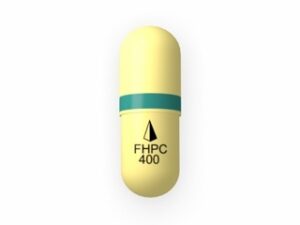
Prometrium contains micronised progesterone in capsule form. Micronisation improves absorption from the gastrointestinal tract compared with some older progesterone preparations.
In Australia, availability and pack sizes may vary. Your local pharmacist can confirm the exact strength and presentation for the product you order. Always check the strength on the pack (e.g., commonly 100 mg capsules, but other strengths may be available depending on supply).
How Prometrium works (mechanism of action)
Progesterone helps regulate the female reproductive system. The hormone acts at progesterone receptors in target tissues, particularly the endometrium (the lining of the uterus).
Main actions
- Endometrial protection and transformation: Progesterone counteracts the effects of oestrogen on the uterus. This supports healthy endometrial function and helps reduce the risk of excessive endometrial growth when oestrogen is present.
- Menstrual cycle regulation: Providing progesterone can help restore or support normal hormonal patterns, especially in conditions where progesterone is low or needs to be supplemented.
- Pregnancy support (in selected situations): Progesterone supports early pregnancy by maintaining the appropriate hormonal environment.
Pharmacokinetics (how the body processes it)
Pharmacokinetics describes how the body absorbs, distributes, metabolises, and excretes progesterone. While individual results may vary, the following gives a general overview relevant to oral micronised progesterone.
Absorption
After oral administration, micronised progesterone is absorbed through the gastrointestinal tract. Absorption may be influenced by food and by the presence of other medications.
Distribution
Progesterone is distributed throughout the body and binds to plasma proteins. It can cross biological barriers, and its effects are mediated by receptor interactions in target tissues.
Metabolism
Progesterone is extensively metabolised in the liver. Metabolites are formed and are largely processed via pathways typical for steroid hormones.
Elimination
The drug and its metabolites are eliminated mainly via the kidneys. The overall duration of effect depends on dose, formulation, and individual metabolism.
Note: Specific pharmacokinetic values (such as peak concentrations and half-life) can vary. Your clinician or pharmacist can provide details for your particular product strength and regimen.
Typical uses and indications (what Prometrium is used for)
Prometrium is used to provide or supplement progesterone in different clinical settings. Common indications in practice may include:
- Hormone replacement therapy (HRT) support: Progesterone may be used to protect the endometrium when oestrogen is given (particularly if you have a uterus).
- Supplementation in fertility treatments: It may be used as luteal phase support or to help maintain hormonal conditions in certain fertility protocols.
- Management of progesterone deficiency-related conditions: In situations where progesterone levels are low or inadequate for normal uterine function.
- Endometrial-related support: Some regimens aim to help prepare or maintain the uterine lining for reproductive outcomes.
The exact indication and regimen depend on your history, ongoing therapies (such as oestrogen), and the goals of treatment. Your pharmacist can also help interpret how your specific regimen fits into your plan.
Dosing: how it’s usually taken
Dosing varies widely depending on the reason you are taking Prometrium, your response to treatment, and any concurrent medicines. It is important to follow your healthcare professional’s instructions precisely.
General dosing principles
- Consistency matters: Try to take doses at roughly the same time each day.
- Cycle timing may apply: Some uses require starting at specific points in the menstrual cycle.
- Duration matters: Do not stop or extend treatment without guidance from your clinician.
- Strength differences: Different strengths may be used; ensure you are using the correct capsule strength.
Example timing patterns (varies by indication)
Below are common patterns seen in clinical practice; your exact plan may differ. Always use your own prescribed directions as the source of truth.
| Use scenario | Typical approach (example) | Important notes |
|---|---|---|
| HRT endometrial protection with oestrogen | Often taken daily or in a planned schedule alongside oestrogen | Timing may depend on whether oestrogen is continuous or cyclical |
| Luteal phase / fertility support | Commonly started around the relevant cycle phase and continued for a defined period | May be paired with other fertility medicines; timing is critical |
| Progesterone supplementation for cycle regulation | Often taken for part of the cycle | The start day and duration depend on the individual plan |
Timing: when to take Prometrium
Many people prefer taking progesterone at night because it may cause drowsiness in some individuals. However, your regimen may require a morning dose or a split schedule.
- Follow your schedule: If you take it once daily, aim for the same time each day.
- If you are taking it twice daily: Space doses evenly (for example, morning and evening) as directed.
- If you miss a dose: Take it as soon as you remember unless it is nearly time for the next dose; do not double up.
If you’re unsure about what to do after missing a dose, ask your pharmacist for advice specific to your dosing schedule.
How to take Prometrium (practical use tips)
Capsules should be taken whole with water. Unless your clinician instructs otherwise, do not open or crush the capsules.
Helpful tips
- Choose a consistent routine: Taking it at the same time daily helps maintain stable effects.
- Use reminders: Smartphone alarms or pill boxes can reduce missed doses.
- Plan for possible sleepiness: If you feel drowsy, avoid driving or operating machinery until you know how it affects you.
- Hydration: Take with a glass of water to help swallowing comfort.
Food interactions: can you take Prometrium with meals?
Food can influence absorption of some oral medications. With oral progesterone, absorption may be affected by the timing of meals. As a practical approach:
- Follow your regimen consistently: If you were advised to take it with food (or on an empty stomach), stick to that pattern.
- Be cautious about major changes: If you typically take it with meals and then change to taking it on an empty stomach, you may notice changes in how you feel.
If you experience new side effects after changing when you eat, speak to your pharmacist.
Alcohol interactions
Alcohol can increase sedation and dizziness when combined with many hormone and central nervous system–active medicines. While progesterone is not a classic “major alcohol interaction” medicine for everyone, it may still be prudent to:
- Avoid or limit alcohol if you feel drowsy or light-headed after taking Prometrium.
- Be extra cautious early in treatment until you know how your body responds.
If you have liver-related concerns or other medical conditions, ask a pharmacist for personalised guidance regarding alcohol use.
Medicine interactions (general guidance)
Progesterone can interact with other medicines, potentially affecting hormone levels or increasing side effects. The most important interactions depend on your personal medication list.
Examples of medicines that may require extra attention
- Liver enzyme–inducing medications (some anti-epileptic medicines and certain other drugs) may alter metabolism.
- Other hormone therapies (oestrogens, additional progestogens) require coordinated regimens.
- Herbal supplements (for example, preparations that may affect liver enzymes) may alter drug levels.
- Certain antibiotics/antifungals or other medicines that can influence metabolism may be relevant.
Tell your pharmacist about all medicines you take, including non-prescription items and supplements.
Safety profile: who should be careful
Prometrium is generally well tolerated when used correctly, but like all medicines it has potential side effects and safety considerations. Some conditions make progesterone unsuitable or require careful risk-benefit assessment.
Common side effects (may occur)
- Sleepiness, dizziness, fatigue
- Headache
- Nausea or stomach discomfort
- Bloating or fluid retention
- Mood changes in some people
- Breast tenderness
- Vaginal bleeding/spotting changes, especially when starting or adjusting dose
Less common but serious warning signs
Seek urgent medical advice if you experience signs of a serious allergic reaction or other serious complications, such as:
- Swelling of the face, lips, tongue, or throat; difficulty breathing
- Severe or persistent headache, vision changes, or new neurological symptoms
- Chest pain, shortness of breath, coughing blood
- Severe leg pain or swelling (especially one-sided)
- Yellowing of the eyes/skin (jaundice), dark urine, or severe upper abdominal pain
- Severe depression or concerning mood changes
Important contraindications and precautions (general)
Progesterone may not be appropriate in certain situations. Examples include (depending on individual risk):
- Known allergy to progesterone or capsule ingredients
- Active liver disease or significant liver impairment (requires careful review)
- Unexplained abnormal vaginal bleeding that needs medical assessment
- Some hormone-sensitive conditions where treatment may need specialist guidance
- A history of blood clots or conditions increasing clot risk (individualised risk assessment is essential)
This is not an exhaustive list. Your pharmacist or clinician can confirm suitability based on your history and current medicines.
Practical advice for managing side effects
- If you feel drowsy: consider taking the dose at night (if compatible with your regimen) and avoid driving until you adjust.
- If you notice nausea: take it consistently with or without food as advised, and avoid large heavy meals right before dosing if that helps.
- If you experience irregular bleeding: track it and discuss with your clinician, especially if bleeding is heavy or persistent.
- If symptoms feel severe or worsen: seek advice promptly rather than waiting.
Alternative options (if Prometrium isn’t suitable)
Alternatives depend on the reason you’re taking progesterone and your overall treatment plan. Depending on availability in Australia, clinicians may consider:
- Other oral progesterone brands with similar active ingredient and different formulation strengths
- Other progestogens used for HRT or cycle support (with different receptor profiles)
- Vaginal progesterone formulations for certain fertility-related protocols or local administration needs
- Different HRT regimens that use appropriate endometrial protection strategies
Always switch only under guidance because changes in route (oral vs vaginal) and drug type can affect timing, dosing, and side effect profile.
Market and legal context in Australia (overview)
Medicines in Australia are regulated to support quality, safety, and appropriate use. In general terms:
- Medicines are supplied through licensed channels that comply with Australian healthcare rules.
- Hormone medicines like progesterone may have specific safety monitoring expectations.
- Pharmacist advice can be important to confirm suitability, dosing schedule, and possible interactions.
Product availability can vary by supply chain and manufacturer distribution. If you cannot find your preferred pack size, a pharmacist can help suggest clinically appropriate alternatives where permitted.
Recent guidance and updates (what to watch for)
Hormone therapies can have evolving guidance around safety monitoring, risk-benefit decisions, and suitability for individual patients. While recommendations differ by indication and personal risk factors, it’s helpful to stay aware of:
- Regular review of ongoing need: particularly for longer-term HRT use.
- Assessment of clot and cardiovascular risk: if you have risk factors or develop new symptoms.
- Liver health: progesterone should be used cautiously if liver impairment is present.
- Individualised risk management: decisions should be based on your history and current medicines.
Your pharmacist can also check for the latest product information and relevant advice for your situation.
Delivery and availability (Australia)
Online pharmacies in Australia typically supply eligible medicines to eligible customers across participating delivery regions. Delivery timeframes depend on stock availability and your location. For the most accurate estimate, check the delivery options at checkout.
Packaging and handling
- Medicines are usually dispatched in protective packaging.
- Store capsules according to the instructions on the pack (commonly at room temperature, away from moisture and heat).
- Keep out of reach of children.
If your order is out of stock, some pharmacies may offer alternatives or notify you about restock timing.
Frequently Asked Questions (FAQ)
1) What is Prometrium used for?
Prometrium is used to provide progesterone support in different situations, such as HRT endometrial protection when oestrogen is used, and progesterone supplementation in selected fertility-related or cycle support protocols. The correct use depends on your clinical indication.
2) How quickly will it start working?
Progesterone affects hormone-responsive tissues and may influence symptoms or bleeding patterns within days for some people, but hormonal adjustments can take longer. If you’re using it as part of a defined protocol, adherence to timing is especially important.
3) Can I take Prometrium with food?
Many people can take oral progesterone with or without food, but absorption and side effects may be affected by timing. Follow your prescribed instructions and keep your routine consistent.
4) What should I do if I miss a dose?
If you miss a dose, take it when you remember unless it is close to the next scheduled dose. Do not take double doses to compensate. For advice tailored to your schedule, contact your pharmacist.
5) Does Prometrium cause drowsiness?
Some people feel sleepy or dizzy. If this happens to you, consider taking it at night (if compatible with your dosing plan) and be cautious with driving and machinery.
6) Can I drink alcohol while using Prometrium?
Alcohol may increase dizziness or sedation. If you feel affected after taking Prometrium, limit or avoid alcohol and discuss concerns with a pharmacist or clinician, particularly if you have liver issues.
7) What medicines may interact with progesterone?
Interactions can occur with medicines that affect liver metabolism, other hormone therapies, and some supplements. Tell your pharmacist about everything you take so they can check for potential interactions.
8) Are there any serious side effects I should watch for?
Yes. Seek urgent care for severe allergic symptoms, symptoms of blood clots (such as chest pain or one-sided leg swelling), sudden neurological symptoms, or signs of liver problems (jaundice, severe abdominal pain).
9) How long can I take Prometrium?
Duration depends on your indication. Some regimens are short-term (protocol-based), while others may be ongoing with periodic review. Always follow the planned duration and discuss changes with your clinician.
10) What if Prometrium isn’t the right option for me?
There are alternative progestogens and progesterone formulations (including vaginal preparations in some protocols). A pharmacist and clinician can help choose the most suitable option based on your condition and treatment goals.
When to seek help
If you develop new or worsening symptoms, you have concerns about bleeding changes, or you are unsure about your dosing schedule, contact a healthcare professional promptly. Pharmacists are also available to discuss safe use, storage, and potential interactions.
Reminder: This guide is general patient information. Your individual plan may differ based on your health profile and treatment goals. Always follow the instructions provided for your specific regimen.