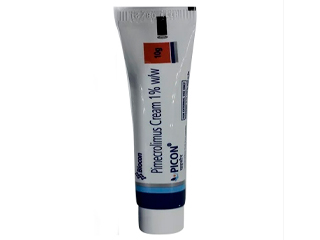
Pimecrolimus (Topical)
Pimecrolimus is a medicine used to help manage certain types of inflammatory skin conditions. It belongs to the group of medicines known as topical calcineurin inhibitors. When applied correctly to affected skin, it may reduce symptoms such as redness and itch associated with eczema-like conditions.
This guide is designed to be patient-friendly and helpful for understanding how pimecrolimus works, how to use it safely, and what to expect. Always follow the instructions provided with your specific product and consult a healthcare professional if you are unsure.
Basic product information
| Feature | What to know |
|---|---|
| Medicine name | Pimecrolimus |
| Common use | Inflammatory skin conditions (commonly eczema/atopic dermatitis) |
| Form | Topical cream |
| Medicine class | Topical calcineurin inhibitor |
| Where it’s applied | Skin only (not eyes, mouth interior, or mucous membranes) |
| How it’s used | Thin layer to affected areas, usually twice daily initially as directed |
In Australia, topical pimecrolimus preparations are typically available through pharmacy channels. Availability and pack sizes can vary by brand. If you’re trying to purchase online, ensure you check the product details, strength, and expiry date.
How pimecrolimus works (mechanism of action)
Skin inflammation in conditions like eczema involves immune signals that drive redness, swelling, and itching. Pimecrolimus works by suppressing part of the immune response in the skin.
Specifically, pimecrolimus inhibits calcineurin, an enzyme involved in activating immune cells. This helps reduce the release of inflammatory substances in the skin, helping to calm flare-ups and improve symptoms.
- Targets inflammation: helps reduce immune-driven inflammation in affected skin.
- Supports symptom control: may lessen itch, redness, and irritation.
- Not a steroid: it is not a corticosteroid; it belongs to a different medicine class.
Pharmacokinetics (how the body handles it)
Pimecrolimus is applied to the skin, and only small amounts are expected to enter the bloodstream. In general, topical calcineurin inhibitors have low systemic absorption when used as directed.
- Absorption: limited absorption through intact skin; more absorption may occur if applied over large areas, under occlusion, or on broken skin.
- Distribution: if any is absorbed, it is processed by the body similarly to other lipophilic substances.
- Metabolism & elimination: small absorbed amounts are metabolised and cleared primarily by the body’s normal pathways.
Because systemic levels are typically low, pimecrolimus is usually considered to have a relatively low risk of whole-body effects compared with medicines taken by mouth.
Typical uses (indications)
Pimecrolimus is commonly used for the treatment of atopic dermatitis (eczema) in people where topical anti-inflammatory treatment is needed. It may be used for short-term control and/or intermittent use to help manage flare-ups, depending on local clinical advice and product instructions.
Your pharmacist or doctor may recommend pimecrolimus for:
- Reducing flare-ups and calming inflammation.
- Managing areas prone to eczema when symptoms begin.
- Alternative options for patients who prefer a non-steroid topical approach.
The exact age range and scope of use can depend on the specific product registered in Australia and the latest guidance. Always follow the directions provided on the pack or by your healthcare professional.
How and when to use pimecrolimus (timing)
General approach
Pimecrolimus is typically applied as a thin layer to affected skin only. The timing often depends on whether you are treating a flare, maintaining control, or using the medicine intermittently at early signs of eczema.
Common timing patterns
- At the start of symptoms: apply as advised when you notice redness, itching, or irritation beginning.
- During flare-ups: many regimens involve applying the cream twice daily until symptoms improve, as directed by your clinician or pack instructions.
- Intermittent use: some patients use it for flare control and then stop when the skin settles, restarting with early signs—again, only if recommended for your situation.
Practical step-by-step use
- Wash and dry hands before application.
- Clean the affected area gently if needed, then let skin dry.
- Apply a thin layer of cream to the affected skin (avoid rubbing vigorously).
- Let it absorb before dressing.
- Wash hands again unless hands are the treatment area.
If the medicine is accidentally applied to places you don’t intend (such as around the eyes or inside the mouth), rinse with water.
Dosing (what dose looks like)
Dosing with topical pimecrolimus is usually described by how much cream to apply and where, rather than by body weight. The exact regimen depends on the product strength and local instructions.
In many clinical settings, dosing is:
- Adults and children (as stated in the product directions): typically a thin layer to affected areas, often twice daily initially.
- Duration: continue only for as long as advised, usually until symptoms settle, then follow the intermittent plan or stop if instructed.
Do not apply pimecrolimus more frequently or over larger areas than recommended, and avoid covering treated areas with airtight dressings unless instructed.
If you are unsure about the correct amount for an area (for example, face versus limbs), ask your pharmacist for guidance.
Food interactions
Because pimecrolimus is applied to the skin and typically has minimal systemic absorption, food interactions are not expected. There are no common dietary restrictions specifically related to pimecrolimus cream.
However, if you notice that certain foods appear to trigger eczema for you (individual responses vary), it can be useful to discuss allergy testing or an elimination approach with a clinician rather than changing diet without advice.
Alcohol and medicine interactions
For pimecrolimus, significant interaction with alcohol is not expected due to its topical use and low systemic absorption. That said, alcohol may worsen skin irritation or dryness in some people, which could indirectly affect eczema symptoms.
Other medicines interactions
Topical interactions depend on what else you apply to the skin. In general:
- Other skin treatments: avoid mixing products in the same area at the same time unless advised.
- Moisturisers: moisturising creams can usually be used, but apply them after pimecrolimus has had time to absorb, or as advised.
- Sun exposure: minimise unnecessary UV exposure; see safety section for details.
If you are using other topical medicines (for example, corticosteroids, antifungals, or antiseptics), talk to your pharmacist about a suitable schedule (which one first, and when to separate applications).
Safety profile (side effects and precautions)
Common side effects
Many people tolerate pimecrolimus well. The most commonly reported effects are local skin reactions, typically mild and temporary.
- Burning, stinging, or warmth at the application site (often early in treatment)
- Redness or mild irritation
- Dry skin
- Itch that may fluctuate as eczema changes
Serious or concerning reactions
Seek medical advice urgently if you experience signs of a severe allergic reaction (such as widespread rash, swelling of face/lips, difficulty breathing) or if your skin condition rapidly worsens.
Contact a clinician promptly if you notice:
- Signs of infection in the treated area (increasing pain, pus, honey-coloured crusting, fever, rapidly spreading redness)
- Severe blistering or worsening dermatitis that doesn’t settle
- Eye exposure problems such as persistent irritation or pain
Black box / warning context (important)
Topical calcineurin inhibitors have historically included safety communications regarding potential risks. While most people use them without serious problems, it’s important to:
- Use the smallest amount that controls symptoms.
- Apply intermittently as directed when symptoms flare rather than continuous daily use long-term unless advised.
- Use carefully in accordance with product instructions and medical advice.
Follow the directions on your pack and discuss your individual risk factors with a healthcare professional if you have concerns.
Precautions before using
- Broken or infected skin: do not apply to open, infected areas unless a clinician has advised it.
- Avoid mucous membranes: do not apply to eyes, inside the mouth, inside the nose, or other mucous membranes.
- Sun protection: avoid strong sunlight and tanning beds on treated areas. Use protective clothing and sunscreen where appropriate.
- Children: use only for ages and situations stated on the specific Australian product information.
Practical use tips (getting better results)
Use moisturisers strategically
Eczema care often works best with a “whole skin” routine. Moisturising regularly helps restore the skin barrier. You can often:
- Apply moisturiser after pimecrolimus has absorbed.
- Choose fragrance-free products if your skin is sensitive.
- Keep baths short and lukewarm, then moisturise promptly.
Apply only to affected areas
A thin layer is usually enough. Over-application may increase local irritation and systemic exposure.
Don’t cover with airtight dressings
Avoid occluding treated areas with airtight wraps unless specifically instructed by a clinician. Occlusion can increase absorption.
Track triggers and pattern
Many eczema flares relate to irritants or triggers such as fragranced detergents, overheating, sweating, dry air, and rough fabrics. Keeping a simple diary can help you identify patterns.
When to expect improvement
Many users notice improvement within days, but eczema varies. If your symptoms do not improve after the period stated by your clinician or pack instructions, review the diagnosis and treatment plan with a healthcare professional.
Alternative options for eczema treatment
Depending on the severity and location of your eczema, healthcare professionals may consider several alternatives or combinations. These may include:
- Topical corticosteroids: often used for short courses to rapidly reduce inflammation.
- Topical antifungals: if a fungal cause is suspected (especially for rash in specific patterns).
- Topical antibiotics or antiseptics: if bacterial infection is present or suspected.
- Other topical calcineurin inhibitor: tacrolimus is another medicine in the same class.
- Emollients/moisturisers: foundation therapy for maintaining the skin barrier.
- Phototherapy or systemic therapies (specialist-led): for moderate-to-severe disease not controlled with topicals.
The best option depends on factors such as age, where the eczema is (face, folds, limbs), how extensive it is, and how frequently it flares. Your pharmacist can help explain common differences, but a clinician is best placed to tailor therapy.
Market and legal context in Australia
In Australia, medicines are regulated through the Therapeutic Goods Administration (TGA). Products approved for use in Australia have specific instructions in their product information. Online pharmacies may sell listed or prescribed medicines depending on the regulatory status and channel.
For patient safety, Australian brands and labelling provide clear guidance about:
- Indications and age groups
- Strength of the product
- How often and how long to apply
- Warnings (for example, use on the face and avoidance of sun exposure)
If you are comparing products, check that the brand name and concentration match the one you intend to use.
Recent guidance (general trends)
Clinical practice continues to focus on safe, targeted topical therapy and protecting the skin barrier. Ongoing guidance commonly emphasises:
- Using topical anti-inflammatories appropriately for flare control
- Minimising unnecessary long-term continuous use unless advised
- Early treatment at the start of symptoms
- Infection assessment when eczema worsens
- Sun-safe practices for topical immunomodulators
Because individual recommendations can differ, it’s important to follow the product information and professional advice relevant to you.
Delivery, availability, and purchasing online (Australia)
Online pharmacies in Australia may offer pimecrolimus subject to local regulations, stock levels, and product availability. Delivery options and timeframes vary by supplier and location.
What to check when ordering
- Brand and strength: confirm you’re purchasing the correct formulation.
- Expiry date: choose a pack with a good remaining shelf life.
- Quantity: ensure you order enough for your intended treatment period.
- Shipping: review delivery fees and estimated timeframes.
Storage
Store pimecrolimus cream according to the label. Typically, this means keeping it in a cool, dry place away from direct sunlight, and keeping the cap closed when not in use.
Frequently asked questions (FAQ)
1. What is pimecrolimus used for?
Pimecrolimus is used to help manage eczema (atopic dermatitis) by reducing inflammatory immune activity in the skin. It’s commonly used to calm flare-ups and improve symptoms such as redness and itching.
2. How quickly will it work?
Some people see improvement within days. If you do not see adequate improvement within the timeframe recommended by your clinician or pack instructions, seek advice to confirm diagnosis and adjust treatment.
3. Can I use it on my face?
It may be used on certain facial eczema areas depending on product instructions. Because the skin on the face is sensitive and pimecrolimus can irritate if it spreads into the eyes, apply carefully and avoid eye contact. Follow the specific instructions on your Australian product pack.
4. Should I apply moisturiser before or after pimecrolimus?
Usually, you apply pimecrolimus first, allow it to absorb, and then apply moisturiser. If you use other topical medicines, ask your pharmacist for the safest order and timing.
5. Can I use pimecrolimus with other eczema treatments?
In some cases, combinations are used—such as moisturisers and intermittent anti-inflammatories. However, applying multiple strong topical agents at once can increase irritation. It’s best to separate products and follow professional guidance.
6. Is pimecrolimus a steroid?
No. Pimecrolimus is not a corticosteroid. It is a topical calcineurin inhibitor, which is a different class of medicine.
7. Can children use pimecrolimus?
It depends on the age indications and directions for the specific product available in Australia. Always check the pack instructions and seek advice from a healthcare professional for children, especially for infants and very young children.
8. What should I do if my skin gets worse?
If your eczema rapidly worsens, becomes very painful, or shows signs of infection (such as oozing, crusting, or spreading redness), contact a healthcare professional. Do not continue applying without advice if infection is suspected.
9. Does it matter if I miss a dose?
If you miss an application, apply it when you remember unless it’s close to the next scheduled dose. Avoid doubling up. Continue with the normal schedule as directed.
10. Are there any food, alcohol, or lifestyle considerations?
Food interactions are not expected for topical pimecrolimus. Alcohol is not expected to interact directly, but it may indirectly worsen dryness or irritation in some people. Practise good skin care, avoid known irritants, and protect treated areas from sunlight.
11. When should I stop using pimecrolimus?
Stop or reduce use when symptoms settle if this matches the instructions given to you. For intermittent regimens, you typically restart at the first signs of flare-up. Follow the plan provided by your clinician or the pack instructions.
Summary
Pimecrolimus is a topical calcineurin inhibitor used to help treat eczema by reducing immune-driven inflammation in the skin. It has low systemic absorption when used correctly and is often chosen as a non-steroid option for flare control. Applying a thin layer to affected areas, using the right timing, protecting skin from irritants and sunlight, and moisturising regularly can help improve outcomes.
If you have questions about suitability, side effects, or how to combine pimecrolimus with other eczema treatments, speak with a pharmacist or healthcare professional.