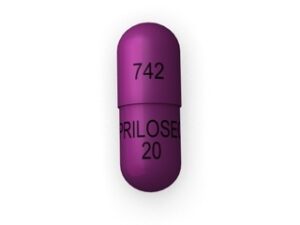
Pepcid (Famotidine) — Patient Guide (Australia)
Pepcid contains famotidine, a medicine used to reduce stomach acid. It is commonly used to relieve symptoms of heartburn and indigestion related to acid. This guide explains what Pepcid is, how it works, when to take it, what to watch for, and how it may interact with food and other medicines.
Note: Always read the consumer medicine information (CMI) provided by your pharmacist or on the product packaging. If you are unsure whether Pepcid is right for you, speak with a pharmacist or other healthcare professional.
Key Product Information
| Medicine | Active ingredient | Common uses | Form | Typical dosing frequency |
|---|---|---|---|---|
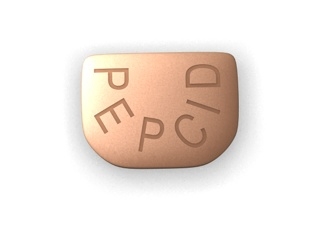
| Pepcid | Famotidine | Heartburn, indigestion, acid-related stomach symptoms | Tablets (various strengths depending on product) | Usually once or twice daily (or as directed) |
Brand name: Pepcid
Generic name: Famotidine
Class: H2-receptor antagonist (H2 blocker)
How Pepcid Works (Mechanism of Action)
Pepcid works by blocking histamine-2 (H2) receptors on acid-producing cells in the stomach. Normally, histamine signals the stomach to produce acid. By reducing this signalling, famotidine:
- lowers acid secretion in the stomach
- helps relieve symptoms caused by excess stomach acid
- supports healing of some acid-related irritation when used appropriately
Famotidine does not neutralise acid immediately like some antacids do, but it reduces acid production and helps symptoms last for longer periods.
Pharmacokinetics (How the Body Handles Famotidine)
Pharmacokinetics describes how the medicine is absorbed, distributed, metabolised, and eliminated.
- Absorption: Famotidine is absorbed from the gastrointestinal tract. Onset of symptom relief can occur within about 1 hour, though timing varies between people.
- Distribution: It distributes into body tissues, including the stomach lining where it reduces acid secretion.
- Metabolism: Famotidine is not extensively metabolised in the liver.
- Elimination: It is primarily eliminated through the kidneys. This means kidney function can affect how quickly it leaves your body.
- Duration: Because it blocks H2 receptors, its effects typically last several hours; dosing schedules are designed to maintain symptom control.
Kidney impairment: If you have reduced kidney function, you may need a lower dose or longer dosing intervals. Ask a pharmacist for advice.
What Pepcid Is Typically Used For (Indications)
Pepcid is used for conditions related to excess stomach acid, including:
- Heartburn (a burning sensation in the chest or throat)
- Indigestion and discomfort related to acid
- Gastro-oesophageal reflux disease (GORD/GERD) symptoms such as acid reflux
- Reflux-related symptoms (e.g., sour taste, burning, regurgitation)
- Dyspepsia (upper abdominal discomfort due to acid or related factors)
- Offered for short-term relief of acid-related stomach symptoms, depending on the specific product and local guidance
Not for everyone: While Pepcid can help acid-related symptoms, ongoing or severe symptoms may need medical assessment, especially if the cause is not clearly acid-related.
Timing: When to Take Pepcid
Correct timing can improve symptom control.
- For heartburn/acid symptoms: Take Pepcid at the times recommended on the pack or as advised by your pharmacist.
- Common approach: Many people take famotidine after meals and/or at bedtime when symptoms occur, particularly reflux at night.
- If used for planned prevention: It can be taken before the time when symptoms typically occur (e.g., before a trigger meal or at night), following product directions.
Practical tip: If you keep a brief symptom diary (time of meals, symptom onset, dose taken), you can identify the best timing for your routine.
Dosing (Typical Adult Use)
Dosing depends on the product strength and your symptoms. Always follow the package instructions or the advice of your pharmacist.
- Adults: Pepcid dosing is commonly taken once or twice daily for acid-related symptoms, depending on the product and indication.
- Children: Use only if the product is indicated for children and dosing is confirmed by a pharmacist or healthcare professional.
- Older adults: Often use standard dosing, but kidney function should be considered.
- Kidney impairment: Dose may need adjustment. Consult a pharmacist if you have kidney disease.
Important: Do not exceed the maximum daily dose listed on the pack. If symptoms persist or keep returning, do not simply increase dosing without professional advice.
Food Interactions: Does Pepcid Need to Be Taken With or Without Food?
Famotidine can generally be taken with or without food. However, for some people, timing relative to meals can affect comfort and symptom control.
- If your symptoms occur after meals, taking it after eating may help.
- If your symptoms are worse at night, taking a dose before bedtime may be beneficial.
General advice: Use the dosing schedule that best matches when your reflux/heartburn typically occurs.
Alcohol and Medicine Interactions
Alcohol
Alcohol can worsen reflux and heartburn by relaxing the valve between the oesophagus and stomach and by irritating the digestive tract. While famotidine can reduce acid, it may not fully prevent symptoms triggered by alcohol.
- Try to limit alcohol if you notice it triggers reflux symptoms.
- If you drink, consider taking Pepcid as directed and monitor symptom response.
Interactions With Other Medicines
Pepcid is an H2 blocker. It can interact with certain medicines, mainly through changes in stomach acidity or absorption patterns.
Tell your pharmacist if you take any of the following (not exhaustive):
- Medicines that require an acidic environment for best absorption (some antifungals and other drugs may be affected).
- Atazanavir (an antiretroviral) may require careful management.
- Sucralfate (used for ulcers) may need spacing in dosing.
- Iron supplements (absorption may be reduced for some people when acid is suppressed).
- Medicines for heart rhythm or other conditions where you have multiple treatments—your pharmacist can check for any relevant interactions.
Spacing tip: If you take medicines that interact with stomach acidity, your pharmacist may suggest taking them at different times. Do not self-adjust without guidance.
Safety Profile (What to Watch For)
Most people tolerate famotidine well. Like all medicines, it can cause side effects in some individuals.
Common Side Effects
- Headache
- Dizziness
- Constipation or diarrhoea (less common)
- Nausea
Less Common but Important Effects
- Fatigue
- Skin rash or itching
Seek Urgent Medical Help If You Have
- Signs of allergy such as swelling of the face/lips, severe rash, wheezing, or difficulty breathing
- Severe or worsening symptoms (especially if symptoms are not typical for your usual heartburn)
When to Contact a Doctor/Pharmacist Promptly
- Symptoms persist beyond a few days despite use
- Frequent heartburn (e.g., most days) or symptoms are increasing
- You have difficulty swallowing, vomiting, or blood in vomit or stool
- Unexplained weight loss or persistent upper abdominal pain
- New symptoms if you are over about 50 years and have never had them before
Practical Use Tips for Better Results
- Use consistently with your trigger pattern: If you know when symptoms usually start (after late meals, spicy foods, or at bedtime), align dosing accordingly.
- Avoid large late meals: Eating heavily close to bedtime often triggers reflux, even if acid is reduced.
- Stay upright after meals: Remaining upright for at least 2–3 hours can reduce reflux episodes.
- Choose reflux-friendly habits: Reduce spicy, fatty, or acidic foods if they trigger you.
- Check other medicines: Some pain relievers (like certain NSAIDs) can irritate the stomach; ask a pharmacist if you use these regularly.
- Don’t treat red-flag symptoms casually: If you have warning signs (trouble swallowing, bleeding, severe pain), get medical advice promptly.
Alternative Options for Acid-Related Symptoms
Depending on your symptoms, timing needs, and personal health factors, your pharmacist may suggest other options.
Antacids
- How they work: Neutralise stomach acid already present.
- Best for: Quick, short-term relief.
- Considerations: Effects can be shorter than H2 blockers.
Alginate-based products
- How they work: Forms a physical “raft” barrier that can reduce reflux symptoms.
- Best for: Post-meal and nighttime reflux for some people.
Proton Pump Inhibitors (PPIs)
- How they work: Stronger and longer acid suppression than H2 blockers.
- Best for: Frequent reflux, especially when symptoms persist or when ulcers are involved (under guidance).
- Considerations: Usually taken daily and may require time to reach full effect.
Lifestyle strategies
- Weight management if relevant
- Smaller meals
- Limiting alcohol and smoking
- Adjusting sleep position (e.g., elevate head of bed)
If your symptoms are frequent or ongoing, discussing the best option for you with a pharmacist is often more effective than switching randomly.
Market and Legal Context (Australia)
In Australia, medicines like famotidine products are supplied under the national regulatory framework overseen by the Therapeutic Goods Administration (TGA). The availability of specific strengths and pack sizes can vary, and products may be:
- available without prescription depending on the formulation and approved indications
- subject to pharmacy/pharmacist advice for certain supply categories
- supported by consumer medicine information (CMI) outlining appropriate use, contraindications, warnings, and dosing
Important: Always ensure you’re using a product that is currently approved for sale in Australia and follow the directions on the packaging or as provided by your pharmacist.
Recent Guidance and Ongoing Medical Advice (General)
Guidance around reflux and dyspepsia generally focuses on:
- Starting with appropriate symptom relief while monitoring response
- Seeking assessment if symptoms persist, worsen, or show red-flag features
- Reviewing long-term use and choosing the lowest effective dose for the shortest necessary duration
While famotidine can help many people, persistent or frequent symptoms may require assessment to confirm the diagnosis (for example, GORD, ulcer disease, medication-related irritation, or other causes).
Delivery and Availability (Online Pharmacy)
Pepcid (famotidine) is often available through online pharmacies in Australia, depending on current stock and product approvals. Delivery timeframes can vary by:
- Your location (metro vs regional areas)
- Courier service availability
- Order processing times and stock levels
What to expect when ordering:
- Clear product details (strength, pack size, active ingredient)
- Secure payment and order confirmation
- Tracking updates (where offered)
- Proper packaging to help protect tablets in transit
Storage: Store tablets in a cool, dry place, away from direct sunlight, and keep out of reach of children. Follow the storage instructions on the pack.
Frequently Asked Questions (FAQ)
1. Is Pepcid the same as other acid reducers?
Pepcid (famotidine) is an H2 blocker. Other acid reducers include antacids, alginate products, and PPIs. They work differently, and the “best” option depends on your symptom pattern and medical history.
2. How quickly will Pepcid work?
Many people notice symptom improvement within about 1 hour, though it can vary. If your symptoms are frequent, a planned schedule (as directed on the pack) often works better than “as-needed” alone.
3. Can I take Pepcid every day?
Some people use it regularly for symptom control. However, if you need it most days or symptoms keep returning, it’s a good idea to discuss with a pharmacist or doctor to ensure the underlying cause is appropriately managed.
4. Can I take Pepcid with food?
Yes, famotidine can generally be taken with or without food. For many people, taking it according to when symptoms occur (after meals or before bedtime) gives the best results.
5. What should I do if I miss a dose?
If you miss a dose, take it when you remember unless it’s close to the next scheduled dose. Do not take double doses to make up for a missed one. Refer to the pack instructions or ask your pharmacist.
6. Who should be extra careful with Pepcid?
Extra caution may be needed if you have kidney disease, are pregnant or breastfeeding, or take multiple medications. Talk to a pharmacist for personalised advice.
7. Can Pepcid interact with my other medicines?
It can interact with certain medicines, especially those affected by changes in stomach acidity. If you take any regular medicines, ask a pharmacist to check for interactions.
8. What symptoms mean I should stop self-treating and seek help?
Seek prompt medical advice if you experience difficulty swallowing, vomiting blood, black or bloody stools, unexplained weight loss, persistent severe pain, or symptoms that don’t improve despite correct use.
9. Can I drink alcohol while taking Pepcid?
Alcohol can worsen reflux and heartburn in many people. Pepcid may reduce acid but may not fully prevent alcohol-triggered symptoms. Consider limiting alcohol and monitor how you feel.
10. What are common lifestyle steps that can help alongside Pepcid?
Try smaller meals, avoid eating late, reduce trigger foods (fatty/spicy/acidic foods), stay upright after meals, and consider elevating the head of your bed if symptoms occur at night.
Summary
Pepcid (famotidine) is an H2 blocker that reduces stomach acid and can help relieve symptoms such as heartburn, indigestion, and reflux-related discomfort. For many people, it provides dependable relief when taken at the right times and combined with reflux-friendly habits. If symptoms are frequent, worsening, or accompanied by warning signs, speak with a pharmacist or doctor for proper assessment and tailored management.