
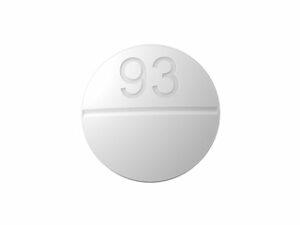
Nexium (Esomeprazole) — Patient-Friendly Guide (Australia)
Nexium is a well-known medicine that contains esomeprazole, a proton pump inhibitor (PPI). It helps reduce stomach acid production and is commonly used to treat conditions where excess or harmful acid plays a role. This guide explains how Nexium works, when it’s used, how to take it, what to consider with food and other medicines, and practical tips to get the best results.
Note: Always follow the instructions provided with your specific Nexium product and the advice of your healthcare professional.
Basic product information
| Product | Active ingredient | Drug class | Common forms (varies by brand/strength) |
|---|---|---|---|
| Nexium | Esomeprazole | Proton pump inhibitor (PPI) | Tablets/capsules and other strengths depending on market availability |
In Australia, PPIs including esomeprazole are widely used for managing acid-related gastrointestinal conditions. Availability may differ by strength, formulation, and local supply.
How Nexium works (mechanism of action)
Esomeprazole belongs to the group of medicines known as proton pump inhibitors. It works by blocking the “proton pump” (H+/K+-ATPase) in the stomach lining—an essential step for producing stomach acid.
- Lower acid production: Less acid is released into the stomach.
- Heals and protects: Reduced acidity helps allow irritated oesophageal tissue and the stomach lining to recover.
- Long-lasting effect: PPIs bind to the proton pump and help maintain reduced acid for an extended period.
Because PPIs work by affecting acid production at the cellular level, they are typically most effective when taken correctly before meals (timing section below).
Pharmacokinetics (how the body handles esomeprazole)
While individual responses vary, the key pharmacokinetic features of esomeprazole that matter to patients are:
- Absorption: Esomeprazole is absorbed after oral dosing. Effects depend on the formulation and timing relative to food.
- Onset: Acid suppression begins soon after dosing, but maximum effect develops over several days of regular use for many conditions.
- Distribution and metabolism: The medicine is processed mainly by liver enzymes and removed from the body through metabolism and excretion.
- Duration of action: Even though the drug is eliminated over time, the acid-suppressing effect can persist due to how it blocks proton pumps.
Your specific dosing schedule is designed to maximise acid control and treatment outcomes.
Typical uses in Australia
Nexium (esomeprazole) is commonly used for conditions related to excess acid or acid irritation, including:
- Gastro-oesophageal reflux disease (GORD/GERD): For symptoms like heartburn and acid reflux.
- Erosive oesophagitis: Healing and symptom relief when the oesophagus has been damaged by acid.
- Maintenance therapy: To help prevent relapse in certain patients with a history of erosive disease.
- Peptic ulcer disease: Often as part of a regimen, depending on the underlying cause.
- H. pylori infection: Frequently used in combination with antibiotics and acid suppression to eradicate the bacteria (regimen details depend on local guidelines and individual factors).
- Prevention of NSAID-related gastric/duodenal injury: In people taking anti-inflammatory medicines who have a higher risk of ulcers or bleeding (as advised by a clinician).
The “right” use depends on your symptoms, diagnosis, and risk factors—your healthcare professional can help determine the best approach.
Timing: when to take Nexium for best results
Timing is crucial for PPIs. Taking Nexium shortly before food allows it to work when your stomach’s acid pumps are most active.
General timing guidance
- Take it before meals: Usually 30 to 60 minutes before eating.
- Once daily: Many people take it before breakfast.
- Twice daily dosing (if prescribed/required): Take the second dose before the evening meal.
If you miss a dose, take it when you remember unless it’s close to the next dose. Don’t double up unless directed.
How to take the tablet/capsule
- Swallow whole: Many formulations should be swallowed whole with water.
- Check the product instructions: Some presentations have special handling instructions. Always follow the label directions.
Food interactions: what to know
Food can reduce the effectiveness of PPIs if taken at the wrong time. While Nexium can still work if you eat, it is generally less effective when taken after meals because the proton pumps are already active.
- Avoid taking with food: Aim for before meals as described above.
- Small snacks: If you must eat, keep it minimal and discuss timing adjustments with your pharmacist or doctor.
If you have a complex schedule (shift work, late meals, or irregular eating), ask a healthcare professional for an individual plan to maintain consistent acid control.
Alcohol and interactions with other medicines
Alcohol
There is no universally required “must avoid” rule for alcohol with Nexium. However, alcohol can worsen reflux symptoms for many people by irritating the oesophagus and relaxing the valve between the stomach and oesophagus.
- If you drink alcohol: Watch whether symptoms worsen and consider limiting intake during treatment.
- Safety: If you have a history of gastric ulcers or bleeding, or you’re taking other medicines that increase bleeding risk, discuss alcohol use with a healthcare professional.
Important medicine interactions
Nexium can interact with some medicines. Interaction risk depends on dose, duration of use, and your overall health. Always provide your pharmacist/doctor with a complete list of medicines and supplements.
Examples of medicines that may need attention
- Clopidogrel: Acid suppression can reduce the activation of clopidogrel in some cases. Your prescriber may choose an alternative strategy if needed.
- Warfarin: Long-term use may affect clotting control in some people. Monitoring (INR) may be needed.
- Some antifungals and anti-HIV medicines: Because metabolism can be influenced, dose adjustments may be required.
- Methotrexate (high-dose): PPIs may affect methotrexate levels; clinicians may monitor closely.
- Medicines requiring acid for absorption: Reduced stomach acidity can affect absorption of certain drugs (examples include some iron salts and some specific antivirals).
Antacids and alginates: These can often be used for breakthrough symptoms (e.g., fast relief products), but keep in mind they are for temporary symptom control, not long-term healing. Ask your pharmacist about the best “add-on” option.
If you have been taking Nexium for a while, avoid stopping suddenly without advice—acid rebound can occur in some people.
Indications (when Nexium is used)
Indications are the medical reasons a medicine is used. Nexium is indicated for acid-related conditions such as:
- Relief of symptoms and healing of acid-related inflammation in the oesophagus (e.g., reflux disease and erosive oesophagitis).
- Maintenance of remission in selected patients at risk of relapse.
- Treatment of peptic ulcer disease under appropriate clinical guidance.
- H. pylori eradication regimens when used with antibiotics and acid suppression strategies.
- Prevention of ulcers in people taking NSAIDs who may have increased risk.
If your symptoms are new, severe, or persistent, it’s important to seek medical advice for an accurate diagnosis.
Dosing: typical regimens (general information)
Dosing depends on the condition being treated, symptom severity, and your medical history. The safest and most accurate dosing is the one on your product label or as directed by your healthcare professional.
Below are general patterns used for acid-related conditions (actual doses may vary by product strength and patient factors):
Common dosing patterns
- GORD/GERD: Often started at once daily for symptom control and healing, with adjustment depending on response.
- Erosive oesophagitis: May require a higher dose and/or longer course.
- Maintenance therapy: Lower ongoing doses may be used after healing.
- Ulcers and H. pylori regimens: Usually involve combination therapy where esomeprazole is taken with other medicines.
- NSAID ulcer prevention: Dose and duration are determined by risk factors and ongoing NSAID use.
If your symptoms don’t improve within the expected timeframe, or if they return quickly after stopping, speak to a pharmacist or doctor to reassess.
Safety profile: side effects and when to get help
Most people tolerate esomeprazole well. However, like all medicines, it can cause side effects. Many side effects are mild and temporary, but some symptoms require urgent medical attention.
Common side effects (may occur)
- Headache
- Nausea or stomach discomfort
- Diarrhoea or constipation
- Flatulence (wind)
- Dry mouth
Less common but important considerations
- Allergic reactions: Rash, itching, swelling of face/lips, or breathing difficulty.
- Severe persistent diarrhoea: Could indicate infection or other bowel issues and should be assessed.
- Low magnesium (with longer-term use): May cause muscle cramps, weakness, dizziness, or abnormal heart rhythms.
- Vitamin/mineral changes: Long-term PPI use may affect absorption of some nutrients (e.g., magnesium, and potentially vitamin B12 in certain cases).
- Bone fracture risk (long-term use): Some studies suggest a small increased risk of fractures with long-term or high-dose PPI use. This does not usually apply to short courses, but it is relevant for prolonged therapy.
Seek medical advice urgently if
- Symptoms include vomiting blood or black/tarry stools
- Difficulty swallowing, painful swallowing, or food sticking
- Unexplained weight loss
- Chest pain that could be heart-related, severe or worsening symptoms
- Severe allergic signs (swelling, trouble breathing)
Practical use tips to improve results
For reflux and heartburn
- Take it on schedule: PPIs work best consistently rather than “as needed” for many reflux conditions.
- Use supportive measures: Consider smaller meals, avoid late-night eating, and elevate the head of the bed if advised.
- Identify triggers: Common triggers include spicy foods, fatty meals, caffeine, alcohol, and smoking.
For ulcers or H. pylori regimens
- Complete the full course: If antibiotics are part of your regimen, finish them even if you feel better.
- Follow timing carefully: Antibiotics and PPIs often have coordinated schedules for best eradication rates.
General adherence tips
- Plan for routine: Set a daily reminder—especially if taking before breakfast.
- Keep a symptom diary: Track timing, severity, and triggers to help determine whether treatment is working.
- Don’t overuse: Using PPIs longer than necessary should be discussed with your pharmacist or doctor.
Stopping Nexium: rebound acid and tapering
When PPIs are used over time, stomach acid production can rebound when they are stopped. This “rebound” can cause renewed heartburn symptoms.
- If you’ve been using Nexium for more than a few weeks: discuss a step-down plan with your pharmacist or doctor.
- Transition strategy: Some people reduce the dose gradually, then use antacids or alginates for breakthrough symptoms while adjusting lifestyle measures.
Alternative options (what else can help)
Depending on your condition, options may include:
Other PPIs
- Omeprazole, lansoprazole, and others may be used for similar indications.
- Switching should be discussed, particularly if you’ve had good control with esomeprazole.
H2 receptor antagonists
- Famotidine and similar medicines may be used for milder symptoms or short-term relief.
- They typically act more quickly but may be less potent than PPIs for healing erosive disease.
Antacids and alginates
- Antacids: Neutralise existing stomach acid for rapid relief.
- Alginates: Form a barrier that can reduce reflux symptoms.
- Often used for breakthrough symptoms alongside a longer-term plan.
Lifestyle measures
- Weight management if relevant
- Avoiding late meals
- Reducing triggers (caffeine, alcohol, spicy/fatty foods)
- Smoking cessation
- Head-of-bed elevation
If symptoms are persistent despite treatment, your doctor may suggest further assessment, including investigations to rule out other causes.
Market and legal context for Australia
In Australia, medicines containing esomeprazole are supplied under the country’s medicines regulation framework. Availability can vary based on:
- Strength and formulation (some may be supplied as lower-dose options for certain indications)
- Local scheduling and category of supply for that product
- Pharmacist advice requirements for safe use
Regardless of supply category, pharmacists and clinicians may require information about your medical history, current medicines, and any red-flag symptoms before recommending the most appropriate option.
Always refer to the specific product pack instructions and current Australian guidance from relevant health authorities and professional bodies.
Recent guidance (general trends in clinical practice)
Over recent years, clinical guidance has increasingly emphasised:
- Right dose, right duration: using the minimum effective dose for the shortest appropriate time.
- Reviewing long-term therapy: periodic reassessment for ongoing need, especially for patients on extended PPI courses.
- Step-down approaches: considering gradual reduction when symptoms are controlled and no longer require continuous high-level acid suppression.
- Checking safety factors: being mindful of nutrient deficiencies and risk considerations with long-term use.
If you’re using Nexium long-term, it’s good practice to review your treatment plan with a pharmacist or doctor at intervals.
Delivery and availability (Australia)
Nexium (esomeprazole) may be available through Australian pharmacies and pharmacy-led online services depending on stock. Delivery timing depends on your location, courier selection, and order cut-off times.
- Stock availability: Some strengths or formulations may be limited at times.
- Packaging: Medicines are typically supplied in original manufacturer packaging.
- Order updates: Most online pharmacies provide tracking or confirmation messages.
If you need a specific strength or formulation, choose the exact product listed for Nexium to ensure you receive the correct medicine.
FAQ
1) How fast does Nexium work?
Some acid suppression can start soon after the first dose, but many people notice more consistent symptom relief over the next few days. For healing of erosive oesophagitis, improvement often takes longer and depends on the condition and dose.
2) Should I take Nexium every day or only when I have symptoms?
It depends on your diagnosis. Many reflux conditions respond best with scheduled dosing for a treatment period. After symptoms settle, your healthcare professional may recommend a step-down plan or a lower maintenance approach.
3) Can I take Nexium with antacids?
Many people use antacids or alginates for breakthrough symptoms while taking a PPI. For best advice, consult your pharmacist about what’s suitable and how to space doses.
4) What happens if I miss a dose?
If you miss a dose, take it when you remember unless it’s close to the next dose. Don’t take two doses at the same time unless directed.
5) Are there any foods I should avoid?
There are no universal food bans, but reflux triggers are individual. For effectiveness, take Nexium before meals rather than with food. Consider avoiding foods that worsen your reflux symptoms, especially spicy or fatty meals, late-night eating, and alcohol.
6) Can Nexium be taken long term?
Some patients do require longer-term therapy, but long-term use should be periodically reviewed. Discuss ongoing need, dose, and monitoring considerations with your pharmacist or doctor.
7) Is Nexium safe for everyone?
Most people tolerate it well, but certain conditions and medications may require extra caution. Tell your pharmacist/doctor about your medical history, pregnancy/breastfeeding status, kidney/liver conditions, and all medicines you use.
8) Does Nexium interact with other medicines?
Yes, some interactions are possible, including with clopidogrel, warfarin, certain antifungal or antiviral medicines, and others. Provide a full list of medicines and supplements to your pharmacist.
9) When should I see a doctor?
Seek medical advice urgently for red-flag symptoms such as vomiting blood, black/tarry stools, trouble swallowing, unintentional weight loss, or severe chest pain.
10) What are common side effects?
Common side effects can include headache, nausea, diarrhoea or constipation, stomach discomfort, and gas. Contact a healthcare professional if symptoms are severe, persistent, or concerning.
Summary
Nexium (esomeprazole) reduces stomach acid by blocking proton pumps, helping relieve and heal symptoms of reflux and other acid-related conditions. For best results, take it before meals and follow a consistent schedule. Like all medicines, it can interact with certain drugs and may require review if used long term. If you have persistent or severe symptoms, red-flag features, or medication concerns, consult a healthcare professional.