Nootropil (Piracetam) — Patient Information (Australia)
Nootropil is a brand of piracetam, a medicine used in certain conditions that affect memory, learning, and related cognitive functions. This page explains how piracetam works, how it’s taken, what to expect, and important safety and interaction information.
Please note: Individual needs vary. Always follow the dosing instructions provided by your healthcare professional or the instructions on the product label.
Quick Product Facts
- Medicine name: Nootropil (Piracetam)
- Active ingredient: Piracetam
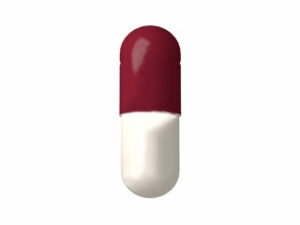
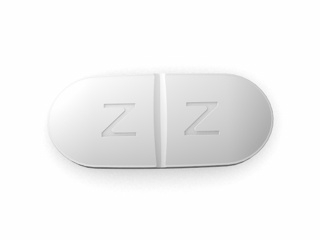
- Common forms: Oral tablets/capsules and oral solution (varies by product)
- Uses: Memory and cognitive-related conditions as advised by a clinician; sometimes used for myoclonus (jerking) under medical guidance
- How it works: Supports brain cell function and neurotransmission
- Typical dosing: Depends on the condition, age, and kidney function
What Is Piracetam?
Piracetam belongs to a group of medicines often referred to as “nootropics” or cognitive enhancers. In Australia, piracetam products are generally regulated according to the TGA framework and may be made available through different pathways depending on indication and product status.
Nootropil has been used internationally for decades. The evidence base for different indications varies, and the benefit for any individual depends on diagnosis and overall treatment plan.
Mechanism of Action (How Nootropil May Work)
Piracetam’s exact mechanism is not fully understood, but several effects on brain physiology have been described:
- Membrane and cell function: May influence the fluidity and flexibility of cell membranes, including those of neurons.
- Neurotransmission support: May affect how neurons communicate, potentially influencing pathways involved in learning and memory.
- Microcirculation effects: May influence aspects of blood flow and red blood cell behaviour in some settings.
- Neuronal metabolism: May support neuronal energy metabolism and reduce abnormal neuronal firing in some conditions.
In practical terms, many people use piracetam with the goal of supporting cognitive performance. For conditions such as myoclonus, dosing and response depend heavily on the underlying neurological cause and specialist management.
Pharmacokinetics (Absorption, Distribution, Metabolism, Excretion)
Pharmacokinetics describe how the body processes a medicine. Key features for piracetam include:
- Absorption: After oral dosing, piracetam is generally absorbed effectively from the gastrointestinal tract.
- Distribution: Piracetam distributes into tissues, including the brain, which is one reason it is used for central nervous system-related symptoms.
- Metabolism: Piracetam is largely not extensively metabolised by the liver.
- Excretion: Piracetam is primarily eliminated by the kidneys. This makes kidney function a key factor in dosing and safety.
- Half-life: The elimination half-life is typically several hours (exact values can vary by study and patient factors).
Because piracetam is mainly cleared by the kidneys, dose adjustments are commonly needed for people with reduced renal function.
Typical Uses and Indications
“Indication” means the condition(s) for which a medicine may be used. Piracetam has been used for:
- Myoclonus (jerking movements): In some settings, piracetam has been used as an add-on therapy or alternative in certain types of myoclonus.
- Cognitive-related symptoms: In some countries and clinical contexts, piracetam has been used for memory or cognitive impairment. The expected benefit varies by diagnosis.
For any off-label or non-standard use, it’s important to discuss risks and benefits with a clinician, including whether there are more established options for your specific condition.
Dosing (General Guidance)
Dosing depends on the condition being treated, your age, and especially your kidney function. The table below provides typical ranges reported in clinical use; your exact dose should be confirmed with the product label or your healthcare professional.
| Condition/Goal | Typical dosing approach (adults) | Notes |
|---|---|---|
| Myoclonus | Often started at a lower dose and increased gradually in divided doses | Response may take time; specialist supervision is commonly required. |
| Cognitive support | Often taken in divided doses per day | Some people trial the medicine for a set period and review benefit with a clinician. |
| Older adults / reduced kidney function | Lower dosing or less frequent dosing may be required | Kidney clearance is a major safety factor. |
Divided dosing: Many regimens use multiple doses per day to maintain consistent blood levels.
Do not increase your dose to speed up results without medical advice, particularly because the medicine is cleared by the kidneys.
When to Take Nootropil (Timing & Routine)
Timing can make it easier to remember doses and may help with tolerability. Common practical approaches include:
- Morning dose: If you take multiple doses, start with a morning dose to align with daytime activity.
- Evening dose: Some people prefer not to take late doses if they notice restlessness. If you feel this, adjust timing earlier in the day.
- Consistency: Take it around the same times each day.
- Trial period: For cognitive symptoms, discuss a planned review period with your clinician so you can decide whether it’s helping.
If you miss a dose, take it when you remember unless it’s close to the next dose. Avoid taking extra doses to “catch up.”
Food Interactions (Can You Take It With Meals?)
Piracetam may be taken with or without food. Food is not generally known to significantly change its effectiveness. However, taking it with meals can help reduce stomach upset for some people.
- If you have a sensitive stomach: Consider taking it with food.
- For simpler routines: Choose a consistent method (with or without meals).
Alcohol and Medicine Interactions
Alcohol
Moderate alcohol may not directly “cancel out” piracetam, but combining alcohol with any centrally acting medicine can complicate your experience (e.g., changes in alertness, coordination, sleep quality).
- Best practice: Limit alcohol intake and avoid binge drinking.
- Safety: If you notice increased drowsiness or reduced coordination, avoid alcohol and driving/operating machinery.
Other medicines
Piracetam is not heavily metabolised by the liver, which can reduce the risk of many classic metabolic drug interactions. However, drug–drug interactions can still occur through kidney clearance, additive effects, or changes in bleeding risk.
Important interaction considerations:
- Blood-thinning medicines and antiplatelet agents: Piracetam has been associated with altered platelet function in some contexts. Extra caution is needed if you take medicines such as warfarin or antiplatelet therapy (for example, aspirin or clopidogrel).
- Kidney-cleared medicines: Because piracetam is mainly excreted by the kidneys, people with kidney impairment (or on other kidney-cleared medicines) should ensure dosing is appropriate.
- Seizure-related medicines: If you take anti-seizure medicines, inform your clinician—adjustments may be required depending on condition and response.
If you’re unsure whether any of your medicines could interact, ask your pharmacist. Provide a list of all prescriptions, non-prescription medicines, and supplements you use.
Safety Profile (What to Watch For)
Like all medicines, Nootropil (piracetam) can cause side effects. Many people tolerate it well, but the following information can help you recognise potential issues.
Common side effects
- Gastrointestinal discomfort: nausea, stomach discomfort, or diarrhoea (varies by person)
- Headache
- Nervous system effects: agitation, restlessness, or dizziness in some individuals
- Sleep changes: either insomnia or changes in sleep quality may occur
Less common but important risks
- Bleeding risk considerations: Particularly if you take blood-thinning medicines or have a bleeding disorder. Seek prompt advice if you notice unusual bruising, bleeding, black/tarry stools, or blood in urine.
- Allergic reactions: Seek urgent care if you develop swelling of the face/lips, breathing difficulty, widespread rash, or severe itching.
- Kidney-related concerns: If kidney function is reduced, side effects may be more likely without dose adjustment.
Who should be extra cautious?
- People with kidney impairment
- People taking anticoagulants or antiplatelet medicines
- People with seizure disorders or on anti-seizure therapy (especially for myoclonus-related indications)
- Older adults (monitor response and adjust based on kidney function)
Practical Use Tips
- Start low and review: If you and your clinician decide to use piracetam for cognitive symptoms, consider a structured trial with a review date.
- Track changes: Keep notes on memory, focus, sleep, and any side effects—this helps you and your healthcare team decide if it’s worthwhile.
- Hydration matters: Adequate hydration supports kidney function. If you have a fluid restriction, follow clinician advice.
- Medication list: Keep an updated list of all medicines and supplements to reduce interaction risk.
- Driving and machinery: If you feel dizzy, unusually restless, or drowsy, avoid driving/operating machinery until you know how you respond.
If you experience bothersome side effects, don’t stop suddenly unless you’ve been advised to do so. Contact your pharmacist or clinician for guidance on dose adjustment.
Alternative Options
Alternatives depend on the underlying diagnosis (for example, mild cognitive impairment, dementia-related symptoms, cognitive decline due to another condition, or myoclonus). In many cases, other strategies may have stronger evidence or broader safety support.
Examples of alternative approaches (discuss with a clinician):
- For cognitive symptoms: Lifestyle measures (sleep optimisation, physical activity, cognitive training, hearing/vision correction), and—where appropriate—medicines used for specific dementia syndromes.
- For myoclonus: Established neurological treatments may be considered depending on cause (e.g., specialist-directed therapies).
- For overall brain health: Address reversible contributors such as depression, medication side effects, thyroid dysfunction, vitamin deficiencies (e.g., B12), and sleep disorders.
Supplements marketed as “nootropics” vary widely in quality and evidence. If you’re considering supplements alongside piracetam, check the ingredients and interaction risks with a pharmacist.
Market and Legal Context in Australia
In Australia, medicines are regulated by the Therapeutic Goods Administration (TGA). Availability can depend on whether a product is approved for a specific indication, the formulation, and the category under which it is supplied.
Availability may differ between brands, strengths, and dosage forms, and may be impacted by supply changes and regulatory updates. If a particular Nootropil product is not currently listed for general supply, alternative approved formulations or locally available options may be offered.
Always ensure you purchase from reputable sources that comply with Australian requirements and provide genuine stock with appropriate labelling.
Recent Guidance and Ongoing Review (General Health Context)
Clinical guidance for cognitive disorders and myoclonus evolves over time as new evidence becomes available. While piracetam has a long history of use, clinicians may weigh:
- the strength of evidence for a particular condition
- expected benefit vs. potential side effects
- individual risk factors (especially kidney function and concurrent medicines)
- availability of other more strongly supported treatments
If you’re using piracetam for cognitive symptoms, it’s sensible to reassess effectiveness after a planned trial and discuss any long-term use with a clinician.
Delivery and Availability (Online Pharmacy)
When ordering online in Australia, availability depends on stock levels and product scheduling. Typical steps include:
- Order processing: Orders are processed after confirmation and payment.
- Dispatch: Dispatch times vary depending on stock and warehouse workflow.
- Delivery: Delivery timelines depend on your location (metro vs. regional) and the selected shipping method.
- Packaging: Medicines are typically packaged to protect integrity and provide appropriate labelling.
To avoid delays, ensure your delivery details are accurate and that someone is available to receive the parcel if required.
FAQ — Nootropil (Piracetam)
1) What is Nootropil used for?
Nootropil (piracetam) is used in certain cognitive-related conditions and, in some clinical settings, for myoclonus. The suitability for your situation depends on diagnosis and individual risk factors.
2) How long does it take to work?
Some people notice changes within days to weeks, but for cognitive symptoms the benefit (if any) may take longer. For conditions like myoclonus, response can vary and may require careful dose adjustment. If there’s no meaningful improvement after an agreed trial period, discuss stopping or changing strategy with a pharmacist or clinician.
3) Can I take Nootropil with food?
Yes. It can usually be taken with or without food. Taking it with food may help if you experience stomach discomfort.
4) What if I miss a dose?
If you miss a dose, take it when you remember unless it’s close to your next scheduled dose. Do not take double doses to make up for the missed one.
5) Is piracetam safe for older adults?
Older adults can often use piracetam, but dosing may need adjustment, particularly with reduced kidney function. Extra caution is advised, and monitoring for side effects is important.
6) Can I drink alcohol while taking Nootropil?
It’s best to limit alcohol. Alcohol can worsen sleep and coordination and may make side effects feel stronger. If you notice dizziness, restlessness, or reduced alertness, avoid alcohol and driving/operating machinery.
7) Are there interactions with blood thinners?
Caution is recommended. If you take anticoagulants or antiplatelet medicines, speak with a pharmacist about bleeding risk and whether any extra monitoring is needed.
8) Does piracetam affect the kidneys?
Piracetam is cleared by the kidneys. It doesn’t usually “damage” kidneys, but reduced kidney function can increase drug levels, raising the chance of side effects. Dose adjustment may be needed for kidney impairment.
9) Can I take it with other nootropics or supplements?
Some supplements may increase side effects or overlap effects (e.g., on alertness or bleeding risk). Ask your pharmacist if you’re considering additional products, especially if they contain ingredients with known interaction potential.
10) What should I do if I get side effects?
If side effects are mild, contacting a pharmacist for advice may be sufficient. Seek urgent medical care for severe allergic reactions or signs of significant bleeding (unusual bruising, persistent bleeding, black/tarry stools, or blood in urine).
Summary
Nootropil (piracetam) is a long-established medicine used in certain cognitive-related conditions and, in some settings, for myoclonus. It supports brain-related mechanisms and is primarily eliminated by the kidneys, making dose adjustment important for people with reduced renal function.
For best results, take it consistently at the recommended times, consider whether food helps tolerability, and review effectiveness after a planned trial period if it’s being used for cognitive support. Always check interactions—particularly with blood-thinning medicines—and seek professional advice if you have kidney problems or complex medication regimens.