Minocin (Minocycline hydrochloride) – Patient Information (Australia)
Minocin is an antibiotic medicine containing minocycline hydrochloride. It belongs to the tetracycline group and is used to treat certain bacterial infections and inflammatory conditions. This page explains how Minocin works, how it’s used, key safety information, interactions, and practical tips for patients in Australia.
Note: Always follow your clinician’s instructions and read the consumer medicine information (CMI) provided with your medicine.
1) Basic product information
| Category | Details |
|---|---|
| Medicine name | Minocin (minocycline hydrochloride) |
| Drug class | Tetracycline antibiotic |
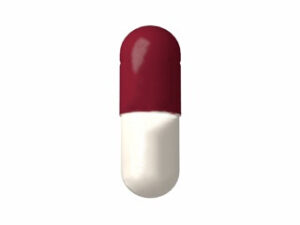
| Common forms | Oral tablets/capsules (strengths vary by product) |
| Typical dosing schedule | Often once or twice daily depending on the indication |
| Therapeutic use | Infections and selected inflammatory conditions |
2) How Minocin works (mechanism of action)
Minocycline works by inhibiting bacterial protein synthesis. Specifically, it binds to the 30S ribosomal subunit of susceptible bacteria. This prevents bacteria from producing proteins needed for growth and survival, which helps stop the infection from progressing.
In addition to its antibacterial effects, minocycline can have anti-inflammatory activity that may contribute to improvement in certain inflammatory skin conditions.
3) Pharmacokinetics (how the body handles it)
- Absorption: Minocycline is absorbed from the gastrointestinal tract. Absorption can be reduced by substances that bind tetracyclines (e.g., antacids containing aluminium/magnesium, and dairy/calcium-containing products).
- Distribution: It distributes into various tissues and fluids, including skin and some systemic compartments.
- Metabolism: Minocycline is metabolised to some extent in the body.
- Elimination: Minocycline and its metabolites are eliminated mainly through the kidneys and biliary routes. Clearance can vary between individuals.
- Half-life: The dosing frequency is designed to maintain effective levels; an approximate elimination half-life supports once- or twice-daily regimens depending on the indication.
If you have liver or kidney problems, dose selection may require extra care—discuss this with a healthcare professional.
4) Typical uses and indications
Minocin is used for conditions where minocycline is appropriate based on likely bacteria, local resistance patterns, and patient factors.
Common indications may include:
- Acne vulgaris (especially where other treatments have not been sufficient)
- Certain bacterial infections such as respiratory or skin infections caused by susceptible organisms (as directed by a clinician)
- Other specific infections where minocycline is considered suitable
Important: The exact approved use for a product and strength depends on the formulation and Australian prescribing guidelines. Your clinician will determine whether Minocin is suitable for your condition.
5) When to take Minocin (timing and schedule)
Minocin is typically taken at the same times each day to maintain consistent medicine levels.
General timing tips
- With food vs. empty stomach: Minocycline may be taken with food if it upsets your stomach. Some people find taking it with a meal reduces nausea.
- Spacing from minerals: Keep a gap between Minocin and iron, zinc, magnesium, calcium, or antacids (details below under interactions).
- Consistency: If you take it with food, try to keep the same approach daily.
Do not double up if you miss a dose. Take it as soon as you remember unless it’s close to the next dose.
6) Food interactions and what to avoid
Some foods and supplements can reduce absorption or increase side effects.
Food/supplement interactions to consider
- Dairy products (calcium): Milk, yoghurt, and other calcium-rich foods may reduce absorption. It’s usually best to avoid taking Minocin at the same time as large amounts of dairy.
- Minerals and supplements: Iron, zinc, magnesium, calcium supplements can bind tetracyclines and reduce effectiveness.
- Antacids: Products containing aluminium or magnesium may interfere with absorption.
- General approach: If these are needed, separate them from Minocin by several hours (your pharmacist can advise the best spacing based on your regimen and product).
Practical example: If you take Minocin in the morning, consider taking iron or antacids later in the day rather than at the same time.
7) Alcohol and medicine interactions
Alcohol may increase the risk of side effects such as nausea, dizziness, and stomach irritation. While an absolute “no alcohol” rule may not apply to everyone, it’s generally wise to:
- Limit or avoid alcohol while taking Minocin, especially if you experience dizziness or stomach upset.
- Avoid heavy drinking, particularly during the first days of treatment when you’re assessing your tolerance.
Other medicine interactions: Minocycline can interact with several medicines and supplements. A pharmacist can check your list for clinically significant interactions.
8) Medication interactions (common ones to discuss)
Interactions vary by individual factors. Always provide your healthcare professional with a complete list of medicines, supplements, and herbal products.
Examples of interaction categories
- Iron, zinc, magnesium, calcium supplements and antacids: may reduce absorption—separate dosing.
- Warfarin (and other blood thinners): antibiotics can alter gut flora and affect bleeding risk; monitoring may be needed.
- Oral retinoids (e.g., isotretinoin): can increase risk of certain serious side effects such as increased intracranial pressure.
- Other antibiotics: some combinations may be unnecessary or increase side effects depending on the situation.
- Diuretics and other medicines: rare but important interactions may occur; confirm before starting.
If you’re taking multiple medicines, separation of doses may be necessary, or alternative choices may be considered.
9) Dosing guidance (how it’s commonly used)
Dosing depends on the condition being treated, severity, and individual patient factors (including age and kidney/liver function). Your prescriber will provide a specific dose and duration.
Typical dosing patterns (general guidance)
- Adults: Often once or twice daily depending on indication.
- Children: Minocycline use in children may be restricted due to risks affecting teeth and bones; clinician guidance is essential.
Duration: Antibiotic courses are usually taken for a specific length. Finishing the planned course is important even if you feel better early.
What to do if you miss a dose
- Take the missed dose as soon as you remember.
- If it’s close to the next dose, skip the missed one.
- Do not take two doses at once.
Monitoring: If your condition doesn’t improve after the expected time, or if symptoms worsen, seek medical advice.
10) Safety profile (what to watch for)
Like all medicines, Minocin can cause side effects. Many are mild and improve as your body adjusts. However, some reactions require urgent assessment.
Common side effects
- Nausea, stomach discomfort
- Dizziness or light-headedness
- Headache
- Diarrhoea (mild)
- Skin sensitivity to sunlight
Serious side effects – seek urgent medical help
- Severe or persistent diarrhoea, especially watery or bloody diarrhoea (possible antibiotic-associated colitis)
- Signs of allergy: swelling of face/lips, hives, trouble breathing
- Severe rash, blistering, or peeling skin
- Yellowing of skin/eyes (jaundice), dark urine, or severe fatigue (possible liver issues)
- Severe headache with visual changes or neurological symptoms (possible increased intracranial pressure)
- Chest tightness or shortness of breath
Sun sensitivity (photosensitivity)
Minocycline can increase sensitivity to sunlight, raising the risk of sunburn. Consider:
- Using sunscreen (SPF 30+ or higher) and reapplying
- Wearing protective clothing and avoiding peak UV exposure
- Seeking advice if you develop an unexpected rash after sun exposure
11) Practical use tips for better results
- Take it consistently: Use the same timing each day.
- Separate minerals: If you use iron, zinc, magnesium, calcium, or antacids, separate them by several hours (confirm exact timing with your pharmacist).
- Hydrate: A glass of water can help reduce irritation and support swallowing comfort.
- Don’t skip sunscreen: Photosensitivity is a common concern—protect your skin.
- Give it time: For acne, improvement often takes weeks rather than days. Continue as directed and reassess if no response.
- Track side effects: If dizziness or stomach upset happens, taking with food may help (unless your instructions say otherwise).
- Complete the course: Stopping early can reduce the chance of successful treatment and may contribute to resistance.
Storage: Store as directed on the package (typically at room temperature, away from moisture and heat). Keep out of reach of children.
12) Missed doses, stopping, and when to contact a clinician
Don’t stop Minocin early without advice—especially if it’s being used to treat an infection.
Contact a healthcare professional promptly if:
- Your symptoms are not improving within the expected timeframe
- You develop severe diarrhoea, rash, breathing difficulty, or signs of allergy
- You experience persistent dizziness or severe headaches
- You develop yellowing of skin/eyes or dark urine
13) Alternative options
Alternatives depend on the condition being treated, culture results, severity, allergy history, and local guidelines. Options may include other antibiotics or non-antibiotic treatments (for skin conditions).
Possible alternatives may include (examples)
- Other tetracyclines (e.g., doxycycline) for certain infections or acne
- Macrolides (e.g., azithromycin/erythromycin) where appropriate
- Topical therapies for mild-to-moderate acne (e.g., benzoyl peroxide, topical retinoids, topical antibiotics depending on guidance)
- Non-antibiotic acne options such as hormonal treatments or other oral agents in selected cases
Your clinician can help you choose the most suitable option based on your medical history and the cause of your symptoms.
14) Market & legal context in Australia (overview)
In Australia, antibiotics such as minocycline are regulated medicines. Availability through pharmacy and online channels must follow Australian medicine laws and the requirements of the Therapeutic Goods Administration (TGA) and relevant state/territory regulations.
Your purchase and supply process should include appropriate screening for safe use and access to consumer information (CMI). If you’re unsure whether Minocin is appropriate for your situation, speak with a pharmacist.
Local prescribing and stewardship: Australia uses antimicrobial stewardship principles to reduce resistance. This includes using antibiotics only when needed, choosing the right medicine for the likely bacteria, and using the shortest effective duration.
15) Recent guidance and clinical considerations (Australia)
While product label and guideline details may be updated over time, the following principles are widely emphasised:
- Confirm indication and appropriateness: Minocycline should be used for conditions where it is recommended.
- Review benefit vs. risk: Monitor for side effects such as dizziness, photosensitivity, and rare serious reactions.
- Consider resistance patterns: Choice of antibiotic may depend on local resistance data and susceptibility testing where available.
- Safety in special populations: Extra caution is needed in pregnancy planning, children, and people with liver disease or other significant comorbidities.
Always refer to the current CMI and current clinical guidance for the most up-to-date safety information and dosing instructions.
16) Delivery and availability (Australia)
Minocin is typically available through Australian pharmacies and may be delivered via online pharmacy services that comply with local laws. Availability can vary by strength and formulation.
What you can expect from a reputable online pharmacy
- Secure checkout and identity/prescription or medicine supply verification processes where required
- Clear product details such as strength, form, and expiry information
- Careful packaging to protect tablets/capsules during transport
- Delivery estimates and tracking options
If a product is out of stock, the pharmacy may offer alternatives (subject to suitability) or notify you of expected restock times.
17) FAQ
How long does Minocin take to work?
For infections, improvement is often seen within days, depending on the condition and bacteria involved. For acne, noticeable improvement commonly takes several weeks. If there is no improvement or symptoms worsen, seek medical advice.
Can I take Minocin with food?
Yes—many people tolerate Minocin better with food, particularly if it causes nausea. Follow the instructions provided with your specific product.
Can I drink alcohol while taking Minocin?
Alcohol may increase side effects such as dizziness or stomach irritation. It’s generally best to limit or avoid alcohol, especially if you notice side effects.
What should I avoid while on Minocin?
Avoid taking Minocin at the same time as dairy/calcium-rich products, iron, zinc, magnesium, or antacids, as these can reduce absorption. Also minimise sun exposure and use sunscreen due to photosensitivity risk.
Is Minocin safe for everyone?
Minocycline isn’t suitable for some people (for example, those with specific allergies or certain conditions). Special caution is also important for pregnancy planning, children, and people with liver disease. A pharmacist or clinician can advise based on your health history.
What are the warning signs of a serious reaction?
Seek urgent help if you develop severe rash, trouble breathing, swelling, severe or persistent diarrhoea, jaundice, severe headache with visual changes, or signs of liver problems.
Can Minocin be used for acne?
Minocycline is commonly used for acne in selected cases where systemic therapy is appropriate. Your clinician will consider severity, prior treatments, and safety factors.
What if I miss a dose?
Take it when you remember unless it’s near your next dose. Do not take a double dose.
Does Minocin interact with other medicines?
Yes. It may interact with supplements (iron, zinc, calcium, magnesium), antacids, and some prescription medicines. Tell your pharmacist about everything you take to confirm safe timing and suitability.
Need more help?
If you have questions about dosing timing, interactions with supplements, side effects, or whether Minocin is suitable for you, contact a pharmacist or healthcare professional. For emergencies or severe symptoms, seek urgent medical care immediately.