
Maxolon (Metoclopramide) — Patient Information (Australia)
Maxolon is a medicine that contains metoclopramide. It is used to help relieve symptoms caused by delayed stomach emptying and certain types of nausea and vomiting. This page explains how Maxolon works, when it’s typically used, how to take it safely, and what to watch for.
Always follow the directions on the label or those given by your healthcare professional. If you are unsure about your dose or whether Maxolon is suitable for you, seek medical advice.
Quick Facts
- Active ingredient: Metoclopramide
- Common uses: Nausea and vomiting, and symptoms related to delayed stomach emptying (gastroparesis)
- Formulations: Available in Australia in various forms (e.g., tablets, liquid, and in some settings injectable forms)
- Common onset: Nausea and vomiting may improve within hours, depending on the cause and formulation
- Key safety concerns: Can cause drowsiness and, in some people, unwanted movements or restlessness; risk increases with longer use
Basic Product Information
Maxolon contains metoclopramide, a medicine that affects the brain and the digestive tract. It helps the stomach move food along more effectively and also helps reduce nausea signals.
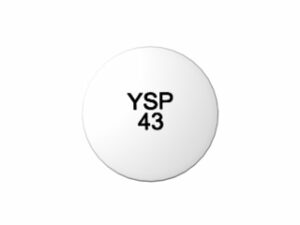
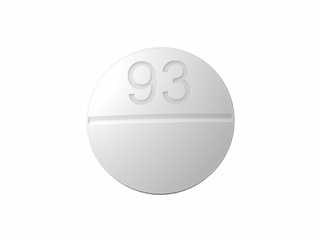
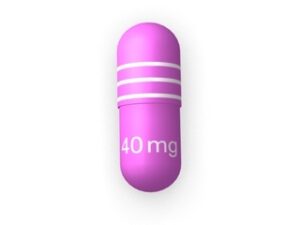
How it may come to you: Maxolon may be supplied as tablets or as an oral liquid depending on availability. Your pharmacist can confirm the specific presentation you are purchasing and the strength.
Branding: Maxolon is the brand name; the generic name is metoclopramide.
How Maxolon Works (Mechanism of Action)
Metoclopramide works through two main actions:
- Anti-nausea effect (brain action): It blocks dopamine (D2) receptors in the central nervous system, which can reduce nausea and vomiting signals.
- Pro-motility effect (gut action): It also enhances movement in the upper gastrointestinal tract, improving the coordination of stomach contractions and helping with stomach emptying.
Practical outcome: By speeding up gastric emptying and reducing nausea pathways, Maxolon can help relieve symptoms such as nausea, vomiting, bloating, and early fullness related to delayed stomach emptying.
Pharmacokinetics (How the Body Handles It)
Pharmacokinetics describe how metoclopramide is absorbed, distributed, metabolised, and eliminated.
- Absorption: Metoclopramide is absorbed after oral dosing, with onset typically occurring within a short period. The exact speed may vary by formulation, dose, and individual factors.
- Distribution: It reaches the brain and body tissues, which explains both its anti-nausea effects and potential neurological side effects.
- Metabolism & elimination: Metoclopramide is metabolised and cleared by the body primarily through renal and hepatic pathways. Clearance may be reduced in people with kidney impairment or other health conditions, which can increase side effects.
- Duration of effect: The effect may last several hours, depending on the reason for treatment and the formulation taken.
Important: If you have kidney problems, liver disease, or are elderly, you may require careful dose selection and monitoring.
Typical Uses of Maxolon
Maxolon is commonly used for:
- Nausea and vomiting associated with conditions such as gastroenteritis, migraine-related nausea, or after certain medical treatments (as determined by a clinician).
- Delayed gastric emptying (gastroparesis), which can cause symptoms like nausea, vomiting, bloating, and feeling full quickly.
- Upper gastrointestinal symptoms linked to impaired motility, where improving stomach emptying helps relieve discomfort.
Note: Specific “indications” and appropriate use may vary depending on the formulation and local prescribing guidance. Always use it for the condition your clinician/pharmacist recommended.
When to Take It (Timing and How to Use)
The best timing depends on what you’re treating and whether it’s being used as a short-term rescue medication or as part of a structured plan.
- For nausea/vomiting: It is often taken shortly before meals or when symptoms start, depending on the advice you received.
- For delayed stomach emptying: It is commonly scheduled around meals to improve digestion and reduce post-meal symptoms.
- Spacing doses: Try to keep doses evenly spaced across the day as directed.
Practical tip: If your symptoms are predictable (e.g., after eating), taking Maxolon around meal times may help. If symptoms are unpredictable, timing may be based on when nausea typically begins for you.
Food Interactions and Eating Tips
Food can affect how you feel after taking oral medicines, and in some cases, it may influence absorption or symptom severity.
- With meals: Many people find Maxolon easier on the stomach when taken with or after food. If you were instructed to take it before meals, follow that guidance.
- High-fat meals: Fatty meals can slow gastric emptying and may make symptoms worse despite treatment. If you have gastroparesis or recurrent nausea, smaller, low-fat meals may help.
- Hydration: If you are vomiting, focus on fluids (small sips regularly). Severe dehydration requires urgent care.
If vomiting persists: Seek medical advice, especially if you cannot keep fluids down.
Alcohol and Medicine Interactions
Alcohol: Drinking alcohol while taking Maxolon may increase side effects such as sleepiness, dizziness, or impaired alertness. If you choose to drink, keep it minimal and avoid driving or operating machinery if you feel affected.
Important medicine interactions:
- Medicines that affect the brain: Combining metoclopramide with sedatives (e.g., some antihistamines that cause drowsiness, benzodiazepines, strong pain medicines, or sleep medications) may increase drowsiness and dizziness.
- Other dopamine-related medicines: Because metoclopramide acts on dopamine pathways, combining it with other medicines that also affect dopamine receptors can change effect and side-effect risk.
- Anticholinergic medicines: These may reduce motility or counteract pro-motility effects, potentially making Maxolon less effective.
- Medicines causing movement disorders: Taking metoclopramide alongside certain medicines associated with involuntary movements may increase risk.
Always tell your pharmacist or clinician about: all medicines you take (including herbal products, vitamins, and supplements), especially if you’re taking multiple nausea medicines or medicines for Parkinson’s disease or mental health conditions.
Indications (When Maxolon May Be Recommended)
In Australia, Maxolon (metoclopramide) may be used when symptoms such as nausea, vomiting, or delayed gastric emptying are present and when benefits outweigh risks.
Common clinical indications include:
- Symptomatic treatment of nausea and vomiting due to gastrointestinal causes or other conditions as advised.
- Management of gastroparesis or other forms of delayed gastric emptying.
- Support of gastrointestinal motility in specific scenarios where a pro-motility approach is appropriate.
Not suitable for everyone: Some people should avoid metoclopramide due to increased risk of neurological side effects or other contraindications. Your healthcare professional can assess suitability.
Dosing (General Guidance)
Dosing depends on the condition being treated, your age, kidney function, and the specific formulation (tablet vs liquid). The information below is general—always confirm your individual dose with the product label and your clinician/pharmacist.
Adults (general)
- Doses are usually divided across the day.
- Treatment is often intended for short-term use where possible, due to neurological side-effect risk with longer exposure.
Children
Use in children requires careful dosing and assessment by a clinician. Do not use without appropriate age- and weight-appropriate instructions.
People with kidney or liver impairment
- Reduced kidney or liver function may increase metoclopramide levels.
- A lower dose or less frequent dosing may be required.
Maximising safety: Never exceed the recommended dose, and use the shortest duration that provides symptom relief unless your clinician has advised otherwise.
Safety Profile and Important Warnings
Like all medicines, Maxolon can cause side effects. Many are mild and temporary, but some require prompt action.
Common side effects
- Drowsiness or fatigue
- Dizziness
- Restlessness (akathisia)
- Diarrhoea or abdominal discomfort
Serious side effects (seek urgent advice)
- Uncontrolled muscle movements or involuntary movements (twitching, abnormal facial movements, or spasms)
- Severe restlessness with inability to sit still
- Signs of allergic reaction (swelling of face/lips, rash, breathing difficulty)
- High fever, severe stiffness, confusion (rare but urgent)
Neurological risk—why duration matters
Metoclopramide can cause movement-related side effects, especially with:
- Longer-term use
- Higher doses
- Older age
- People who have existing movement disorders or take certain interacting medicines
Driving and machinery
Because Maxolon may cause sleepiness or dizziness, avoid driving or operating machinery until you know how the medicine affects you.
Pregnancy and breastfeeding
If you are pregnant, trying to conceive, or breastfeeding, discuss with a healthcare professional before using Maxolon. The decision balances potential benefits with the available safety information.
Practical Use Tips (How to Get the Best Results)
- Use a symptom diary: Track when nausea occurs, timing of doses, meals, and any side effects. This helps your clinician adjust the plan.
- Hydration matters: If nausea leads to reduced fluid intake, focus on fluids and seek medical help if you cannot keep liquids down.
- Smaller meals: If you have delayed stomach emptying, smaller, more frequent meals may reduce symptoms.
- Watch for restlessness: If you feel unusually restless, stop and contact your pharmacist or clinician promptly for advice.
- Don’t “double up” doses: If you miss a dose, take it only if it’s close to the next scheduled time and as advised on the product label—do not take extra to compensate.
- Keep to the recommended duration: Metoclopramide is generally used for the shortest time necessary for symptom control.
Alternative Options
Depending on your symptoms and cause, your pharmacist or clinician may consider alternatives such as:
- Other anti-nausea medicines (your choice depends on the underlying cause of nausea and the side-effect profile)
- Acid-reducing medicines if symptoms relate to reflux or gastritis
- Pro-kinetic therapies in select cases, where appropriate
- Non-medicine strategies such as dietary changes, hydration planning, and avoiding triggers
Why alternatives matter: Maxolon can be effective, but if side effects occur or if it isn’t suitable for you, other strategies may be safer or better matched to your condition.
Australia: Market and Legal/Guidance Context
In Australia, medicine availability, classification, and supply arrangements are regulated to ensure safe use. Metoclopramide-containing products may be supplied under specific conditions depending on the presentation and intended use.
General expectations for consumers:
- Follow label instructions and any directions given by your healthcare professional.
- Be aware that for some indications, clinicians may recommend a limited duration because of known risks with longer-term use.
- Use only for the person and condition for which it was recommended.
Recent guidance: Regulatory and professional guidance globally has emphasised restricting duration and dose where possible due to neurological side effects. In Australia, healthcare providers are expected to apply current local advice and product information to minimise risk.
Delivery and Availability (Online Pharmacy)
Availability and delivery timeframes may vary by supplier and your location within Australia. When you place an order online, your pharmacy may:
- Verify product availability and stock status
- Confirm the correct strength and formulation
- Dispatch your order using standard delivery services (or express options if available)
Delivery tips:
- Ensure your delivery address is correct.
- Be aware of delivery days/times—especially if you require signature on delivery.
- Store the medicine as directed on the label (e.g., out of reach of children, in appropriate temperature conditions).
If you need urgent help: If you are very unwell (e.g., severe vomiting, signs of dehydration, severe abdominal pain, or blood in vomit), seek urgent medical care rather than relying on online delivery timelines.
FAQ — Frequently Asked Questions
1) Is Maxolon the same as metoclopramide?
Yes. Maxolon is a brand name. The active ingredient is metoclopramide.
2) How quickly will Maxolon work for nausea?
Many people notice improvement within a few hours, but response varies depending on the cause of nausea, the formulation, and individual factors. If you don’t feel any benefit or symptoms worsen, contact a healthcare professional.
3) Can I take Maxolon with food?
It depends on your specific instructions and the reason you’re using it. Some people prefer taking it with or after food to reduce stomach upset. If you were told to take it before meals, follow that advice.
4) What should I do if I miss a dose?
Check the product label for guidance. In general, don’t take extra doses to make up for a missed one. If you’re unsure, ask your pharmacist for advice.
5) Is Maxolon safe for long-term use?
Metoclopramide is generally used for the shortest time necessary because the risk of movement-related side effects can increase with longer duration and higher exposure. Your clinician may still prescribe it if the benefits outweigh the risks for your situation, with appropriate monitoring.
6) What side effects mean I should stop and get help?
Seek prompt medical advice if you develop involuntary movements, severe restlessness, symptoms of an allergic reaction, or severe fever with confusion/stiffness. For urgent symptoms, seek emergency care.
7) Can I drink alcohol while using Maxolon?
Alcohol may increase dizziness or sleepiness. If you use alcohol, keep it minimal and avoid driving or machinery use if you feel affected.
8) Will Maxolon interact with my other medications?
It can. Tell your pharmacist about all medicines, including over-the-counter products and supplements—particularly sedatives, anticholinergic medicines, and medicines that affect dopamine pathways.
9) Who should be extra careful when taking metoclopramide?
Extra caution is needed in older adults, people with kidney impairment, those taking interacting medicines, and anyone with a history of movement disorders. Your pharmacist can advise based on your medicines and health history.
10) Are there alternatives if Maxolon isn’t suitable?
Yes. Depending on the cause of nausea/vomiting or delayed gastric emptying, your healthcare professional may recommend different anti-nausea options, acid-reducing medicines, dietary changes, or other therapies.
Medication Summary
Maxolon (metoclopramide) can help reduce nausea and vomiting and improve stomach emptying. It works by blocking dopamine receptors and supporting upper gastrointestinal movement. While it can be effective, it also has potential neurological side effects, so it should be used at the recommended dose and for the shortest suitable duration.
If you have concerns about side effects or the right timing for your condition, speak with your pharmacist.
| Aspect | What to Know |
|---|---|
| Active ingredient | Metoclopramide (Maxolon brand) |
| Main effects | Reduces nausea/vomiting; improves stomach motility and emptying |
| Common timing | Often around meals or when nausea begins, depending on your condition |
| Food considerations | Some may prefer with/after food; triggers like high-fat meals may worsen symptoms |
| Alcohol | May increase drowsiness/dizziness; avoid driving if affected |
| Key safety risk | Movement-related side effects; risk increases with longer use/high doses |
| When to seek help | Severe restlessness, involuntary movements, allergic reaction, or urgent systemic symptoms |
| Alternatives | Other anti-nausea options and treatment approaches depending on the cause |