Indocin (Indomethacin) – Patient Information (Australia)
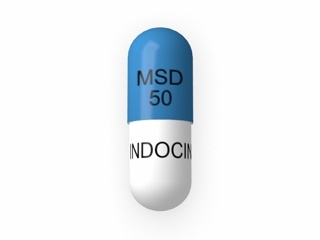
Indocin is a brand name for indomethacin, a medicine from the non-steroidal anti-inflammatory drug (NSAID) family. Indomethacin is used to reduce pain, inflammation, and fever in certain conditions. It works by blocking specific substances in the body that drive inflammation and pain.
This page is designed to help you understand how Indocin works, when it’s used, what to watch for, and how to use it more safely. If you have questions about your specific situation, ask a pharmacist or clinician for advice.
Basic product information
- Generic name: Indomethacin
- Brand name: Indocin
- Medicine type: NSAID (anti-inflammatory pain medicine)
- Common forms: Tablets and, depending on availability, other formulations (e.g., extended/controlled-release products)
- How it is taken: By mouth (swallowed with water)
- Key effect: Reduces prostaglandins (inflammation and pain mediators)
Important: Different formulations may release the medicine at different rates. Always follow the dose and instructions for the particular product you have.
Mechanism of action
Inflammation and pain are partly driven by natural chemicals called prostaglandins. Prostaglandins are produced through the action of enzymes known as cyclooxygenase (COX-1 and COX-2).
Indomethacin works by inhibiting cyclooxygenase enzymes, which lowers prostaglandin production. This leads to:
- Reduced inflammation
- Reduced pain
- Reduced fever
Because indomethacin affects COX enzymes broadly, it can also reduce protective prostaglandins in the stomach and kidneys—this is why gastrointestinal (GI) and kidney-related side effects are important to consider.
Pharmacokinetics (how the body handles it)
Understanding pharmacokinetics can help explain onset, peak effect, and why food may matter.
| Parameter | What typically happens with indomethacin |
|---|---|
| Absorption | Indomethacin is absorbed after oral dosing. Food can affect the speed of absorption, though the overall effect may be similar depending on formulation. |
| Time to peak | Conventional formulations generally reach peak levels within a few hours; controlled/extended-release forms may peak later. |
| Protein binding | It is highly protein-bound, which can influence drug interactions. |
| Metabolism | Primarily metabolised in the liver. |
| Elimination | Metabolites are eliminated largely via the kidneys, with some excretion through other pathways. |
| Half-life | Indomethacin has a relatively short to intermediate half-life, so dosing frequency depends on the formulation and condition. |
Why this matters: Indomethacin can begin working within hours. However, the full anti-inflammatory benefit may take several days for ongoing inflammatory conditions. Kidney or liver impairment may require extra caution.
Typical use in practice
Indocin is used for conditions where anti-inflammatory and pain-relieving effects are needed. It is particularly considered in specific inflammatory conditions where indomethacin has evidence of benefit.
Common indications
- Acute gout attacks (painful inflammation due to urate crystals)
- Various forms of arthritis, as determined by a clinician (e.g., inflammatory arthritic conditions)
- Ankylosing spondylitis (inflammatory back pain/arthritis)
- Other painful inflammatory conditions where an NSAID is appropriate
Note: Indications may vary by product type and by local prescribing practices. Always use according to the instructions provided with your medicine and local healthcare guidance.
Timing and how to take Indocin
How you time doses can influence side effects and effectiveness. Follow the schedule on your medicine label.
General guidance
- Take with food or right after meals to reduce stomach irritation.
- Use the lowest effective dose for the shortest period needed.
- Do not crush or alter controlled-release products unless the product information specifically allows it.
- Stay consistent with timing if multiple daily doses are prescribed.
If you miss a dose
- Take it when you remember unless it’s close to the next dose.
- Do not take double doses to make up for a missed dose.
- If you’re unsure, ask your pharmacist.
Food interactions and stomach protection
Food and antacids can affect tolerability. Indomethacin can irritate the GI tract.
Practical tips
- Take with meals or with milk (if suitable for you).
- Avoid taking on an empty stomach when possible.
- If you have a history of heartburn or ulcers, discuss stomach-protection options with a pharmacist or clinician.
Food-related considerations
Some people find that meals reduce nausea and abdominal discomfort. While food may delay absorption slightly, this is often a reasonable trade-off for better comfort and adherence.
Alcohol interactions
Combining NSAIDs with alcohol can increase the risk of stomach irritation and bleeding.
- For safer use, consider avoiding alcohol or limiting it while taking Indocin.
- Seek medical advice urgently if you experience black/tarry stools, vomiting blood, or severe stomach pain.
Medicine interactions (important)
Indomethacin may interact with other medicines, which can increase side effects or change effectiveness. Inform your pharmacist or clinician about everything you take, including over-the-counter products, vitamins, and herbal remedies.
Medicines to be cautious with
- Other NSAIDs (e.g., ibuprofen, naproxen, diclofenac): increased risk of GI bleeding and kidney problems.
- Blood thinners (e.g., warfarin): higher bleeding risk.
- Antiplatelet medicines (e.g., aspirin, clopidogrel): increased bleeding risk.
- SSRIs/SNRIs (e.g., sertraline, fluoxetine, venlafaxine): may increase GI bleeding risk when combined with NSAIDs.
- Corticosteroids (e.g., prednisolone): higher risk of stomach irritation and bleeding.
- Diuretics (e.g., hydrochlorothiazide) and ACE inhibitors/ARBs (e.g., enalapril, losartan): can affect kidney function, especially in older adults or those with dehydration.
- Lithium: indomethacin may raise lithium levels (risk of toxicity).
- Methotrexate: increased risk of toxicity if doses are higher or used together.
- Digoxin: may increase digoxin levels.
- Some diabetes medicines (e.g., sulfonylureas): NSAIDs may affect glucose control in some people.
Herbal and “natural” products
Some supplements can affect bleeding risk or interact with liver metabolism. Mention any products such as ginkgo, garlic supplements, or turmeric/extracts to a pharmacist.
Dosing (general information)
Dose depends on the condition being treated, your age, kidney function, and whether other medicines are used. The correct dose should be determined by a clinician and based on the specific Indocin formulation you have.
Important: The information below is general and not a substitute for the instructions on your medicine label.
Typical dosing principles
- Use the lowest effective dose to control symptoms.
- Avoid long-term use unless clearly needed and monitored.
- Some conditions are treated with short courses; others may require longer management.
Examples of dosing patterns (illustrative)
In clinical practice, indomethacin doses may be taken multiple times daily for inflammatory conditions, and higher-frequency dosing may be used during acute flares. Different formulations (e.g., immediate-release vs controlled-release) can change the dosing schedule.
Always follow: the exact dose and frequency written on your prescription label or product instructions for your specific formulation.
Indications and when Indocin may be chosen
Indomethacin has a history of use in inflammatory and pain conditions. Clinicians may select it when:
- Other NSAIDs are not suitable or have not provided enough relief.
- The condition has evidence of benefit with indomethacin (for example, certain inflammatory disorders and acute gout).
- A careful assessment suggests benefits outweigh risks for you.
Because it can have significant side effects in some people, clinicians often consider your risk factors (history of ulcers, kidney disease, heart disease, bleeding risk, or other interacting medicines) before choosing an NSAID.
Safety profile (what to watch for)
Like other NSAIDs, indomethacin can cause side effects. Many are mild, but some effects can be serious.
Common side effects
- Stomach discomfort, indigestion, heartburn
- Nausea
- Headache or dizziness
- Fluid retention (swelling of ankles/feet) in some people
Serious side effects (seek urgent medical attention)
- Signs of stomach or intestinal bleeding:
- Black/tarry stools
- Blood in vomit or vomit that looks like coffee grounds
- Severe or persistent stomach pain
- Allergic reactions:
- Swelling of face/lips, wheezing, difficulty breathing
- Rash with blisters or widespread rash
- Kidney problems:
- Reduced urination
- Sudden weight gain or swelling
- Unusual fatigue
- Cardiovascular risks (higher with prolonged use or higher doses):
- Chest pain, shortness of breath
- Weakness on one side of the body, trouble speaking
- Severe skin reactions (rare): fever with rash, peeling skin, or painful sores
- Severe liver issues (rare): yellowing of skin/eyes, dark urine, severe fatigue
Who should be extra cautious
Risk may be higher if you have:
- A history of stomach ulcers or GI bleeding
- Kidney disease or dehydration
- Heart disease, stroke history, uncontrolled high blood pressure
- Asthma triggered by NSAIDs
- Current use of blood thinners, corticosteroids, or other NSAIDs
- Advanced age
Practical use tips
- Check your medicines list: avoid taking other NSAIDs at the same time.
- Stay hydrated, especially during hot weather or if you’re unwell (vomiting/diarrhoea).
- Use short courses where possible, and reassess if symptoms persist.
- Track symptom response: if you don’t feel improvement, don’t simply increase the dose—seek advice.
- Take with food to reduce stomach upset.
- Know the red flags: GI bleeding symptoms, breathing problems, or reduced urination require urgent medical attention.
Alternative options
Depending on your condition and risk factors, other medicines may be considered.
Other NSAIDs
- Ibuprofen, naproxen, diclofenac (selection depends on tolerability and your health profile)
Non-NSAID pain and inflammation options
- Paracetamol (acetaminophen) for pain relief (generally less GI bleeding risk, though it does not reduce inflammation like NSAIDs)
- Topical NSAIDs (e.g., gels/creams) for certain musculoskeletal problems—often lower systemic exposure
- Physiotherapy and exercise strategies for arthritis and chronic pain
Condition-specific alternatives
- Gout flares: other approaches may include different anti-inflammatory regimens or urate-lowering strategies over time (to be discussed with a clinician)
- Inflammatory arthritis: long-term management can involve disease-modifying treatments beyond NSAIDs
Tip: Your pharmacist can help compare options based on your history, other medications, and symptom pattern.
Market and legal context in Australia
In Australia, medicines are regulated through the Therapeutic Goods Administration (TGA). NSAIDs including indomethacin are medicines that may be subject to specific scheduling and supply rules depending on formulation, strength, and product registration.
Online pharmacies in Australia operate under applicable state and federal requirements, including medication verification, appropriate customer information, and safe dispensing practices. Availability can vary by product type and stock levels.
Product labelling may include: strength, dosage form, manufacturer details, and consumer medicine information. Always read the product packaging and accompanying patient information.
Recent guidance and monitoring considerations (Australia-focused)
While recommendations can change, general NSAID safety themes in contemporary guidance include:
- Lowest effective dose and shortest duration to control symptoms
- Greater awareness of GI bleeding risk and cardiovascular risk, particularly at higher doses or longer use
- Importance of considering interactions with anticoagulants, antiplatelets, ACE inhibitors/ARBs, and diuretics
- Extra caution in older adults and people with kidney impairment or dehydration
- Prompt evaluation of red-flag symptoms such as bleeding or reduced urine output
Your pharmacist can advise on whether additional precautions (such as stomach protection) may be appropriate based on your personal risk factors.
Delivery and availability
Availability of Indocin/indomethacin may vary depending on supply chain and the exact product presentation. When ordering online, the pharmacy will typically:
- Confirm your selected product and strength
- Check your details for medication safety requirements
- Provide delivery options and estimated timeframes
Delivery timeframes: These depend on your location and whether the item is in stock. Many pharmacies offer standard and express delivery options.
Packaging and handling: Store your medicine according to the label (commonly at room temperature, away from heat and moisture). Keep it out of reach of children.
FAQ – Frequently asked questions
1) What is Indocin used for?
Indocin (indomethacin) is used to relieve pain and inflammation in selected conditions such as acute gout attacks and certain inflammatory disorders, depending on clinical assessment and the formulation available.
2) How quickly does Indocin work?
Many people notice symptom relief within hours. In inflammatory conditions, the effect may improve over several days. If you don’t notice any improvement or symptoms worsen, speak with a pharmacist or clinician.
3) Should I take Indocin with food?
Yes, it’s generally recommended to take indomethacin with food or right after meals to reduce stomach irritation.
4) Can I take Indocin with ibuprofen or naproxen?
Avoid combining multiple NSAIDs unless a clinician specifically instructs otherwise. Using more than one NSAID increases the risk of stomach bleeding, kidney problems, and other side effects.
5) Is alcohol safe while taking Indocin?
Alcohol can increase the risk of stomach irritation and bleeding. For safer use, avoid or limit alcohol during treatment. Seek urgent help if you experience symptoms of GI bleeding.
6) What should I do if I develop stomach pain or heartburn?
Mild heartburn may improve by taking the dose with food. However, persistent or severe stomach pain, vomiting blood, or black stools require urgent medical attention.
7) Who should not take indomethacin?
People with NSAID allergy or history of reactions, those with certain bleeding disorders, significant active ulcer disease, or severe kidney disease may be at increased risk. Discuss your medical history with a pharmacist before using an NSAID.
8) Does Indocin affect the kidneys?
Yes. NSAIDs can reduce blood flow to the kidneys, especially when dehydrated or used with certain medicines. If you notice reduced urination, swelling, or unusual fatigue, seek medical advice promptly.
9) What interactions are most important?
Particularly important are interactions with other NSAIDs, blood thinners (e.g., warfarin), antiplatelet medicines, corticosteroids, SSRIs/SNRIs, ACE inhibitors/ARBs, diuretics, lithium, and methotrexate. Always provide your full medication list when ordering.
10) Are there alternatives if I can’t tolerate Indocin?
Possible alternatives include other NSAIDs, paracetamol for pain, topical NSAIDs for certain conditions, or non-drug strategies such as physiotherapy and exercise. The best choice depends on your diagnosis and risk factors.
Disclaimer: This information is intended to help you understand Indocin (indomethacin) and make safer choices. It does not replace advice from your pharmacist or clinician. If you have symptoms that worry you or develop serious side effects, seek medical care promptly.