
Celecoxib (Celecoxib) — Patient-Friendly Medicine Information (Australia)
Celecoxib is a medicine used to help reduce pain and inflammation, most commonly in conditions such as arthritis. It belongs to a group of medicines called NSAIDs (non-steroidal anti-inflammatory drugs). This page explains how celecoxib works, how it behaves in the body, how it is typically taken, and the key safety considerations to help you use it more confidently.
This information is designed for general guidance for Australian customers. Always read the product packaging and follow the instructions provided by your healthcare professional or the directions on the product label.
Basic product information
- Medicine name: Celecoxib (Celecoxib)
- Medicine class: NSAID (selective COX-2 inhibitor)
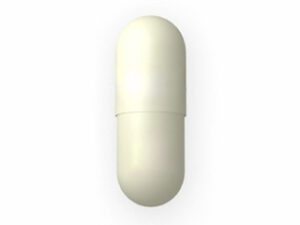
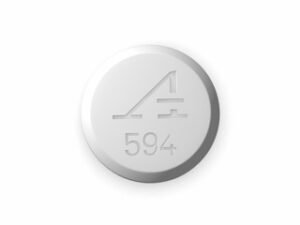
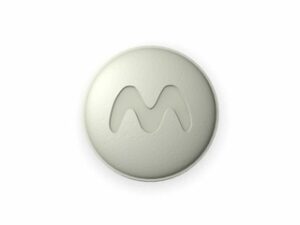
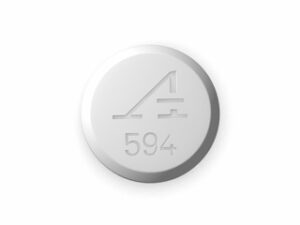
- Common forms: Tablets/capsules (strengths vary by product brand and manufacturer)
- How it helps: Reduces inflammation, pain, and stiffness
- Who it may suit: People needing anti-inflammatory pain relief, particularly when a COX-2 selective option is considered
Availability and exact brand strengths can differ between pharmacies and manufacturers. Your pharmacist can tell you what options are available in your area.
How celecoxib works (mechanism of action)
Inflammation and pain are partly driven by substances called prostaglandins. These are produced by enzymes called cyclooxygenases, mainly COX-1 and COX-2.
Celecoxib selectively inhibits COX-2 (more than COX-1). By reducing COX-2 activity, it helps lower prostaglandin production at sites involved in inflammation.
- Inflammation reduction: helps decrease swelling and tenderness
- Pain relief: can reduce pain during movement
- Stiffness improvement: may help improve morning stiffness in arthritis
Because it is COX-2 selective, celecoxib may cause less gastrointestinal irritation than some non-selective NSAIDs in certain people, but it still carries important NSAID-related risks, including potential effects on the stomach/ulcer risk, kidneys, and cardiovascular system.
Pharmacokinetics: how the body handles celecoxib
“Pharmacokinetics” describes what happens to a medicine after you take it—absorption, distribution, metabolism, and excretion.
Absorption
Celecoxib is absorbed from the gastrointestinal tract after oral dosing. In general, it reaches its highest blood concentration within a few hours of taking a dose (the exact time can vary by formulation and whether you eat).
Distribution
Celecoxib distributes throughout the body and binds to plasma proteins.
Metabolism
The liver metabolises celecoxib, largely via the CYP2C9 enzyme system. This is why interactions with medicines that affect CYP2C9 can be important.
Elimination
Celecoxib and its metabolites are eliminated mainly through the kidneys and/or by metabolic routes. People with impaired kidney or liver function may need extra caution.
Half-life and steady state
Celecoxib has a time course that supports dosing one or twice daily depending on the condition and formulation. If taken regularly, it builds up to steady levels over several days.
Typical use and indications
Celecoxib is used for conditions where inflammation and pain are key features. Indications may vary by product and country guidance, but typical uses include:
- Osteoarthritis (pain relief and functional improvement)
- Rheumatoid arthritis (reducing pain and inflammation)
- Acute pain and inflammation in selected situations as directed by product information
- Other inflammatory musculoskeletal conditions as described in the official product information
Your doctor or pharmacist will consider your medical history—especially stomach problems, heart or stroke risk, kidney function, blood pressure, and interacting medicines—before recommending NSAID therapy.
Timing and how to take celecoxib
General timing
Follow the specific dosing schedule on your label or as advised by your healthcare professional. Many celecoxib regimens are taken once or twice daily, depending on the condition and strength.
Same time each day
Try to take your doses at consistent times to keep pain relief steadier.
Swallowing and missed dose
- Swallow tablets/capsules whole with water, unless your product instructions say otherwise.
- If you miss a dose, take it when you remember unless it’s close to your next dose—then skip the missed dose. Do not double up.
- If you’re unsure, ask your pharmacist for advice based on your exact product strength and schedule.
Food interactions: can you take celecoxib with meals?
Celecoxib can usually be taken with or without food. However, food may affect how quickly it is absorbed.
- With food: may reduce the chance of stomach discomfort for some people.
- Without food: may work faster for some individuals, but may be more likely to cause indigestion.
If you experience stomach upset, taking celecoxib with a meal or after food may be more comfortable. Continue using the same approach consistently unless your clinician advises otherwise.
Alcohol and medicine interactions
Alcohol
Combining NSAIDs (including celecoxib) with alcohol can increase the risk of stomach irritation, ulcers, and bleeding. Alcohol can also worsen dehydration-related kidney stress.
For safety, it’s best to:
- Keep alcohol intake low
- Avoid binge drinking
- Seek advice if you regularly drink alcohol or have a history of ulcers or gastrointestinal bleeding
Common medicine interactions
Celecoxib can interact with several types of medicines. Tell your pharmacist or doctor about everything you take, including over-the-counter products, herbal supplements, and vitamins.
Examples of interactions to discuss
- Other NSAIDs (ibuprofen, naproxen, aspirin for pain): increases risk of side effects, including bleeding
- Blood thinners (warfarin): may increase bleeding risk; INR monitoring may be needed
- Antiplatelet medicines (clopidogrel, aspirin): may increase gastrointestinal bleeding risk
- Selective serotonin reuptake inhibitors (SSRIs) (e.g., sertraline, fluoxetine): may increase bleeding risk
- Blood pressure medicines (ACE inhibitors, ARBs, diuretics): NSAIDs can affect kidney function and reduce antihypertensive effect
- Diuretics: may increase kidney strain when combined with NSAIDs
- CYP2C9 inhibitors or inducers: may change celecoxib levels (examples include some antifungals and anti-epileptics)
- Lithium: NSAIDs can raise lithium levels
- Methotrexate: NSAIDs may increase methotrexate toxicity in some situations
- Kidney-stressing drugs (depending on your regimen): increased risk of kidney problems
This is not a complete list. Always check with your pharmacist for your specific medicines.
Dosing: typical starting points and important notes
The exact dose depends on the condition, your age, overall health, kidney function, liver function, and other medicines you use. Product information may recommend different dosing for different indications.
Do not exceed the recommended dose on your label. If pain is not controlled, contact a healthcare professional rather than increasing the dose on your own.
General approach
- Lowest effective dose: clinicians often aim for the smallest dose that controls symptoms
- Shortest duration: NSAIDs should generally be used for the minimum time needed
- Regular reassessment: if you’re taking celecoxib for more than a short period, regular check-ins may be recommended
Examples of how dosing may be presented
Different products may list strengths such as 100 mg or 200 mg (strengths vary). Some regimens are once daily; others are split into twice daily dosing.
| Condition (example) | Common dosing pattern (general) | Key notes |
|---|---|---|
| Osteoarthritis | Often once or twice daily depending on product | Take at consistent times; use lowest effective dose |
| Rheumatoid arthritis | Often once or twice daily depending on product | Regular follow-up may be needed if used long-term |
| Short-term acute pain/inflammation (where indicated) | May be scheduled for a limited duration | Follow label duration; seek advice if symptoms persist |
For accurate dosing, always rely on the instructions for your exact product and strength. If you are unsure about how many tablets to take and when, ask your pharmacist.
Safety profile: what to watch for
Celecoxib can be effective, but like other NSAIDs, it can cause side effects. Most people tolerate celecoxib well when used correctly, yet some reactions can be serious—particularly in people with cardiovascular risk factors, prior ulcers, kidney disease, or those taking interacting medicines.
Common side effects
- Indigestion, stomach discomfort, heartburn
- Nausea
- Headache
- Fluid retention (swelling) in some individuals
- Dizziness in some cases
Serious warning signs (seek urgent medical advice)
Stop and seek urgent medical attention if you experience signs of serious complications:
- GI bleeding: black/tarry stools, vomiting blood or material like coffee grounds
- Severe stomach pain or persistent vomiting
- Allergic reactions: swelling of face/lips, wheezing, severe rash, blistering
- Chest pain, shortness of breath, weakness on one side, sudden speech or vision problems (possible heart attack or stroke)
- Signs of kidney problems: reduced urination, swelling of feet/ankles, sudden unexplained weight gain
- Severe skin reactions (rare): widespread rash, skin peeling, mouth sores
- Unusual bruising or bleeding when combined with blood thinners
Who needs extra caution
- People with a history of stomach ulcers or gastrointestinal bleeding
- People with heart disease, prior stroke, or significant cardiovascular risk
- People with kidney disease or dehydration risk (e.g., vomiting/diarrhoea, elderly)
- People with liver disease
- People taking medicines that increase bleeding risk or affect kidneys
- People with a history of NSAID-related asthma or severe allergic reactions
Cardiovascular and kidney considerations
NSAIDs may affect blood vessels and can increase the risk of cardiovascular events in susceptible individuals. They can also reduce kidney blood flow—especially when dehydrated or when combined with certain medications.
If you are older, have hypertension, or have kidney concerns, your pharmacist may advise checking risk factors and ensuring adequate hydration.
Practical use tips (to get the best results safely)
- Use the lowest effective dose: if symptoms improve, discuss whether the dose can be reduced.
- Take with food if your stomach feels sensitive: this may improve tolerability.
- Stay hydrated: especially during hot weather or if you’ve been unwell.
- Avoid doubling up NSAIDs: don’t combine with ibuprofen/naproxen for extra relief unless directed.
- Keep a symptom note: record when you take celecoxib and how well it controls pain and stiffness.
- Review medicines regularly: if you use celecoxib long-term, re-check interactions and side effects.
- Consider non-medicine strategies: gentle exercise, physiotherapy, heat/cold therapy, and weight management can complement treatment for arthritis.
If you miss a dose, don’t “catch up” by taking extra tablets. Resume your schedule as directed.
Alternative options for arthritis and inflammatory pain
The best option depends on your condition, your risk profile, and other medicines you take. If celecoxib isn’t suitable, healthcare professionals may consider other strategies.
Other medicine alternatives
- Non-selective NSAIDs (e.g., ibuprofen, naproxen) — may be effective but can carry different gastrointestinal risk
- Paracetamol (acetaminophen) — may help with pain, though it’s typically less anti-inflammatory than NSAIDs
- Topical anti-inflammatories (e.g., topical diclofenac) — useful for some joint/muscle pain with potentially lower systemic exposure
- Other prescription anti-inflammatory medicines where appropriate, including disease-modifying therapies for certain inflammatory conditions
Non-medicine alternatives
- Physiotherapy and structured exercise
- Heat or cold therapy
- Assistive devices and activity modification
- Weight management and ergonomic changes
Discuss alternatives with your pharmacist or doctor, particularly if you have had side effects, or if celecoxib doesn’t provide enough relief.
Market and legal context for Australia (general information)
In Australia, medicine access is regulated under the national framework for therapeutic goods and pharmacy supply. Whether a medicine is available through different channels can depend on the product type and regulatory classification.
For online purchasing, reputable pharmacies follow Australian requirements for identification and supply, and may require appropriate clinical screening where needed.
If you’re unsure about availability for your specific product, contact the pharmacy directly. They can confirm what can be supplied to your location and what information is needed to dispatch safely.
Recent guidance and safety focus
Ongoing healthcare safety emphasis for NSAIDs includes:
- Using the lowest effective dose for the shortest time
- Careful consideration of cardiovascular and gastrointestinal risk
- Assessing kidney function risk factors, especially in older adults or dehydrated people
- Reviewing drug interactions, particularly with blood thinners, antihypertensives, and other NSAIDs
Guidance may evolve as new evidence becomes available. Your pharmacist can provide the most up-to-date practical advice for your situation.
Delivery and availability (Australia-wide)
Availability may vary by stock levels and your selected product strength. Many Australian online pharmacies offer:
- Home delivery to eligible areas
- Stock-based dispatch: delivery times depend on whether the item is in-store or must be sourced
- Tracking updates for dispatched orders (where available)
- Discrete packaging options (depending on pharmacy policy)
Delivery timelines are typically shown at checkout. If you have urgent timing needs (for example, flare-ups), contact customer service to confirm stock and dispatch estimates.
Frequently Asked Questions (FAQ)
1) What is celecoxib used for?
Celecoxib is used to reduce pain and inflammation in conditions such as osteoarthritis and rheumatoid arthritis, and for other approved inflammatory pain indications as described in official product information.
2) How quickly will I feel it working?
Many people notice pain relief within hours to a day, but the full benefit—especially for arthritis—may take longer and build over time with regular dosing. If you don’t notice improvement, speak with your pharmacist or doctor.
3) Can I take celecoxib with food?
Yes, it can often be taken with or without food. Taking it with food may help reduce stomach discomfort for some people.
4) Can I drink alcohol while taking celecoxib?
It’s safest to limit alcohol. Alcohol can increase the risk of stomach irritation and bleeding when combined with NSAIDs. If you drink regularly or have a history of ulcers, ask your pharmacist for tailored advice.
5) Can I take ibuprofen or naproxen at the same time?
Generally, avoid combining multiple NSAIDs unless a healthcare professional specifically instructs you. Combining NSAIDs increases the risk of side effects, including stomach bleeding and kidney problems.
6) What should I do if I miss a dose?
Take it when you remember unless it’s close to your next scheduled dose. If it’s close, skip the missed dose. Don’t take a double dose to make up for the missed one.
7) Are there people who should not take celecoxib?
People with certain medical histories (for example, past serious allergic reactions to NSAIDs, active ulcer/bleeding, significant kidney impairment, or certain cardiovascular risks) may need to avoid celecoxib or use it only under close advice. Speak with your pharmacist for a safety check using your medical history.
8) What are the signs of a serious side effect?
Seek urgent medical help for symptoms such as black stools, vomiting blood, severe stomach pain, facial swelling or breathing difficulty, chest pain, sudden weakness or speech problems, or reduced urination with swelling.
9) Does celecoxib affect kidney function?
NSAIDs can reduce kidney blood flow, which may be more concerning in people who are dehydrated, older, or have kidney disease, or who take certain other medicines. Staying hydrated and following dosing directions can help, but risk still needs consideration.
10) Can celecoxib be taken long-term?
Some people use NSAIDs for longer periods for chronic arthritis, but this should be guided by symptom control and safety monitoring. Long-term use may require periodic check-ins with a healthcare professional.
Important final reminders
- Use celecoxib exactly as directed on your label.
- Avoid taking multiple NSAIDs together.
- Tell your pharmacist about all other medicines and supplements you use.
- Seek urgent advice for symptoms of bleeding, allergy, heart attack/stroke, or severe kidney problems.
- If pain persists or worsens, consult a healthcare professional rather than increasing the dose.
If you have questions about a specific product strength, timing, or possible interactions, your pharmacist can help you confirm the safest way to take celecoxib for your situation.