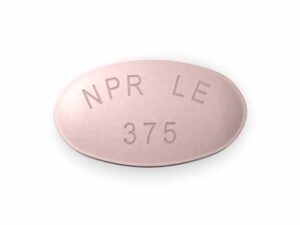


Cyclosporine — Patient Information (Australia)
Cyclosporine is a medicine used to control the immune system. It is commonly prescribed for certain autoimmune conditions and for preventing organ rejection after transplant. Because cyclosporine can affect kidney function and other body systems, it needs careful monitoring and follow-up with your healthcare team.
This guide is written to be patient-friendly and practical. It explains what cyclosporine is used for, how it works, what to expect, and important safety considerations—especially interactions with food, alcohol, and other medicines.
Quick product overview
| Category | Details |
|---|---|
| Medicine name | Cyclosporine |
| How it works | Suppresses immune activity by affecting T-lymphocytes |
| Common forms | Capsules, oral solution (brand/formulation varies) |
| Common monitoring | Blood pressure, kidney function, blood levels (for some regimens), electrolytes |
| Typical duration | Long-term in many conditions; varies by indication |
| Key safety considerations | Kidney effects, high blood pressure, infection risk, drug interactions |
What is cyclosporine?
Cyclosporine is an immunosuppressant medicine. It reduces the activity of the immune system, which can help control diseases where the immune system is overactive (such as some autoimmune conditions), and it helps prevent the immune system from attacking a transplanted organ.
In Australia, cyclosporine products are available through pharmacies, with different formulations depending on the manufacturer and intended use. Some preparations have distinct absorption characteristics—so it is important to keep using the same product unless your doctor advises otherwise.
Mechanism of action (how it works)
Cyclosporine works mainly by targeting a key pathway inside immune cells:
- It binds to a protein called cyclophilin inside T-lymphocytes.
- This complex inhibits calcineurin, a cellular enzyme involved in activating immune responses.
- As a result, it reduces the production of immune signalling molecules (including interleukin-2), lowering T-cell activation.
The overall effect is reduced immune activity, which helps control autoimmune inflammation and prevents rejection after transplantation.
Pharmacokinetics (how the body processes cyclosporine)
Pharmacokinetics describes what the body does to a medicine—absorption, distribution, metabolism, and elimination. Cyclosporine has properties that make monitoring and consistent use particularly important:
- Absorption: Cyclosporine absorption can vary between individuals and between doses. Different formulations may have different bioavailability.
- Peak effects: Blood levels typically rise after dosing and then gradually decline.
- Protein binding: Cyclosporine is highly protein-bound, influencing distribution in the body.
- Metabolism: It is largely metabolised by the liver through the CYP3A4 enzyme system.
- Excretion: Metabolites are eliminated mostly via bile and the gastrointestinal tract.
- Variability: Because absorption and metabolism can be affected by other medicines and certain foods, clinicians may monitor blood levels in some treatment settings.
If you are advised to have blood tests, try to keep dosing consistent before tests (for example, take your medicine at the usual time unless your clinician tells you otherwise).
Typical uses in Australia
Cyclosporine is used in multiple settings, depending on the formulation and the clinical condition. Common uses include:
- Prevention of organ rejection in transplant recipients.
- Autoimmune and inflammatory conditions when immune suppression is required (the exact indications depend on the product and local prescribing practices).
- Certain severe skin or eye inflammatory conditions in selected patients, under specialist supervision.
Your healthcare provider will determine whether cyclosporine is appropriate for your specific diagnosis and risk factors.
How to take cyclosporine: timing and consistency
Take cyclosporine exactly as directed by your clinician and follow the instructions on your product label. Consistency is important because changes in dose timing, formulation, or absorption can influence blood levels and risk of side effects.
Typical timing
- If taken twice daily, try to space doses evenly (for example, morning and evening).
- If taken once daily, choose a consistent time each day.
- Set reminders to avoid missed doses.
What to do if you miss a dose
If you miss a dose, take it when you remember unless it is close to the next dose. Do not take a double dose to make up for the missed one. If you are unsure, check with your pharmacist for advice tailored to your schedule.
Food interactions (important)
Food can influence cyclosporine absorption. Some foods may change how much medicine is absorbed into your bloodstream. To reduce variability, many clinicians advise a consistent routine regarding meals.
General food advice
- Try to take cyclosporine the same way each day relative to meals (for example, always with the same timing to food).
- Follow specific product instructions because different formulations may have different recommended administration with meals.
Grapefruit and similar products
Products containing grapefruit (including juice) may increase cyclosporine levels because of effects on drug-metabolising enzymes. It is often recommended to avoid grapefruit while taking cyclosporine.
Herbal foods and “natural” products
Supplements and herbal products can also affect cyclosporine metabolism. Avoid starting new supplements without checking first. Examples of commonly interacting products include (but are not limited to) some herbal preparations used for sleep, mood, or “immune support.”
Alcohol and medicine interactions
Moderate alcohol may be tolerated by some people, but cyclosporine can affect liver metabolism and may contribute to side effects such as dizziness or stomach upset. Alcohol can also increase the chance of dehydration, which is important because cyclosporine can affect kidney function.
Practical alcohol guidance
- If you choose to drink alcohol, do so in moderation and monitor for side effects.
- Avoid binge drinking and dehydration (for example, with hot weather or illness).
- If you have liver or kidney problems, ask your pharmacist or doctor for specific guidance.
More importantly, cyclosporine has many potential interactions with medicines that should not be taken together. Always check any new medicines or alcohol-containing products with your pharmacist.
Alcohol and medicine interactions (drug interactions overview)
Cyclosporine is metabolised by enzymes in the liver (notably CYP3A4). Medicines that inhibit or induce these enzymes can raise or lower cyclosporine levels, increasing the risk of toxicity or reducing effectiveness.
Medicines that may increase cyclosporine levels
- Some antibiotics (e.g., certain macrolides)
- Some antifungals (e.g., azoles)
- Some HIV antivirals
- Some calcium channel blockers
- Imatinib and other targeted therapies in some cases
Medicines that may decrease cyclosporine levels
- Some anticonvulsants
- Rifampicin-type antibiotics
- Some herbal products such as St John’s wort
Other important interaction concerns
- Kidney-stressing medicines: Combining cyclosporine with certain medicines that can affect kidney function may increase risk of renal impairment.
- Potassium: Some drugs can raise potassium levels, and cyclosporine can contribute to electrolyte changes.
- Live vaccines: While not a typical “drug interaction,” immunosuppression may influence vaccine choices—discuss with your clinician.
Action step: Keep an up-to-date list of all medicines, including over-the-counter products and supplements, and show it to your pharmacist before starting anything new.
Dosing: general guidance
Cyclosporine dosing is individualised based on the condition being treated, your body weight, kidney function, other medicines you take, and—depending on the indication and product—blood level monitoring. Therefore, dosing instructions can vary significantly between patients.
Typical dosing patterns (examples)
- For some indications, dosing may start at a certain dose and be adjusted over time based on response and monitoring.
- Long-term therapy often involves dose adjustment to the lowest effective dose.
- In transplant settings, blood tests are frequently used to guide dosing.
Always follow your product label and clinician instructions. Do not change your dose or stop cyclosporine suddenly unless advised.
Blood level monitoring
In certain cases, your clinician may monitor cyclosporine blood levels to help maintain a balance between efficacy and safety. This is particularly important if you start a new interacting medicine, have vomiting/diarrhoea (which can affect absorption), or if kidney function changes.
Safety profile: what to watch for
Cyclosporine can cause side effects in some people. Many are dose-related and may improve with careful adjustment, but it is essential to seek medical advice promptly if you notice concerning symptoms.
Common or notable side effects
- Changes in kidney function
- High blood pressure
- Increased hair growth and/or gum overgrowth (gingival hyperplasia) in some patients
- Tremor, headaches, or dizziness
- Gastrointestinal upset (nausea, abdominal discomfort)
- Electrolyte changes (e.g., potassium, magnesium)
- Increased risk of infections due to immune suppression
Serious side effects—seek urgent medical help
Contact a healthcare professional urgently (or seek emergency care) if you experience signs of a serious problem, such as:
- Signs of infection: persistent fever, severe chills, unusual shortness of breath, or rapidly worsening illness
- Severe or persistent vomiting/diarrhoea (risk of dehydration and absorption changes)
- Marked swelling, chest pain, severe headache, confusion, or weakness
- Blood in urine, marked reduction in urine output, or severe lower back pain (possible kidney issues)
- Unexplained bruising or bleeding
Long-term risks to discuss
- Infections and certain malignancy risks may be increased with long-term immunosuppression.
- Blood pressure and kidney monitoring remain important over time.
- Metabolic changes may occur in some patients.
Practical use tips (how to get the best and safest results)
- Use the same formulation consistently: If you change brands or formulations, absorption can change. Ask your pharmacist before switching.
- Keep up with monitoring: Regular blood tests help assess kidney function, electrolytes, and sometimes drug levels.
- Maintain hydration: Especially during hot weather or if you are unwell. Dehydration increases kidney risk.
- Check blood pressure: High blood pressure is a key side effect—home checks can help.
- Oral hygiene: Gum changes can occur. Brush gently, floss as advised, and attend dental check-ups.
- Be careful with “new” products: Avoid starting supplements or herbal products without checking interactions.
- Report symptoms early: Catching side effects early often improves outcomes.
Alternative options
“Alternative” depends on the condition being treated, disease severity, your medical history, and other medications. In general terms, clinicians may consider different immunosuppressive or anti-inflammatory medicines.
Possible alternatives (examples)
- Other immunosuppressants (choice depends on diagnosis and transplant regimen)
- Corticosteroids for some inflammatory conditions (often used short-term or in combination)
- Biologic therapies for selected autoimmune diseases (specialist-led)
- Supportive treatments aimed at the underlying disease activity (varies by indication)
If you are considering alternatives, discuss with your healthcare team. Switching immunosuppressive therapy can require careful planning, monitoring, and dose adjustments.
Market and legal context in Australia
In Australia, medicines are regulated under the Therapeutic Goods Administration (TGA) framework. Availability, prescribing practices, and requirements may vary by product and formulation. Your local pharmacy can confirm the status and product specifics for cyclosporine items available at the time of supply.
Because cyclosporine is a potent immunosuppressant, pharmacies and healthcare providers typically emphasise:
- accurate identification of the correct product and strength,
- careful counselling about interactions and monitoring, and
- appropriate follow-up blood tests.
Recent guidance (what patients should know)
Guidance around cyclosporine commonly focuses on:
- Drug interaction awareness, particularly with CYP3A4-related medicines.
- Consistency of formulation and dosing schedule to reduce blood level variability.
- Monitoring of kidney function, blood pressure, electrolytes, and (where relevant) drug levels.
- Infection risk precautions for immunosuppressed patients, including timely medical review if fever or severe symptoms occur.
If you are due to start cyclosporine or change dose, ask your pharmacist or doctor what monitoring schedule applies to your situation and how to manage missed doses or illness (for example, vomiting/diarrhoea).
Delivery and availability (online pharmacy)
Cyclosporine availability can vary depending on the specific brand or formulation. When ordering online, ensure you select the correct:
- product name and strength,
- formulation type (as directed by your clinician),
- pack size and dispensing instructions.
For delivery, most online pharmacies provide standard and express options depending on your location within Australia. Delivery times can change during peak periods or due to supply fluctuations. If cyclosporine stock is delayed, your pharmacy will typically contact you or provide alternative options.
To reduce dispensing errors, check the label on arrival (strength, dosage form, and instructions) and ask your pharmacist if anything seems different from your previous supply.
FAQ (Frequently asked questions)
1) Can I take cyclosporine with food?
Food can affect cyclosporine absorption. It’s best to follow the instructions on your specific product and keep the timing consistent (for example, always around the same meal schedule). If you were told “with food” or “without food,” follow that guidance closely.
2) Why do I need regular blood tests?
Cyclosporine can affect kidney function, blood pressure, and electrolyte levels. In some treatment settings, blood levels of cyclosporine may also be monitored to help maintain effective and safe exposure.
3) What medicines should I avoid while taking cyclosporine?
Many medicines interact with cyclosporine, particularly those that affect CYP3A4 metabolism. Tell your pharmacist about all medicines (including over-the-counter medicines, vitamins, and supplements) so they can screen for interactions.
4) Is grapefruit juice safe?
Grapefruit products may increase cyclosporine levels and raise the risk of side effects. Many clinicians recommend avoiding grapefruit while taking cyclosporine. Ask your pharmacist for advice based on your exact product.
5) Can I drink alcohol?
Alcohol may not be suitable for everyone on cyclosporine. If you choose to drink, do so in moderation and avoid dehydration. If you have liver or kidney concerns, ask your clinician or pharmacist for personalised advice.
6) What if I’m sick with vomiting or diarrhoea?
Vomiting or diarrhoea can affect how much cyclosporine your body absorbs and may increase dehydration risk. Contact your healthcare team if this happens, especially if symptoms are severe or last more than a short period.
7) What side effects are most concerning?
Seek medical advice promptly for signs of infection (fever or severe illness), reduced urination or kidney-related symptoms, severe headaches, chest pain, significant swelling, or persistent vomiting/diarrhoea.
8) Can I stop cyclosporine if I feel better?
Do not stop cyclosporine suddenly unless your clinician advises it. Stopping abruptly can lead to loss of disease control or increased risk of complications depending on your condition.
9) Are vaccines safe?
Immunosuppression can affect vaccine recommendations. Discuss vaccinations with your healthcare team, including whether live vaccines are appropriate for you.
10) Do I need to keep my dose the same if my product changes?
If you switch between brands or formulations, the way the medicine is absorbed can change. Ask your pharmacist whether your new supply matches your previous formulation and whether any dose adjustments or extra monitoring are needed.
Important final reminder
Cyclosporine is a powerful medicine that requires careful use and monitoring. If you have questions about interactions, timing with meals, side effects, or what blood tests mean, your pharmacist is a valuable resource. If you experience severe symptoms or signs of infection, contact a healthcare professional promptly.