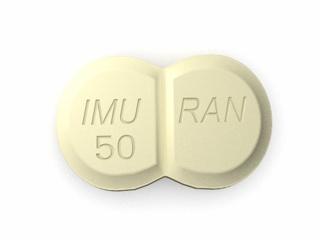

Imuran (Azathioprine) — Patient-Friendly Information (Australia)
Imuran is a brand of the medicine azathioprine, used to treat certain immune-mediated conditions by reducing abnormal immune activity. This guide explains how Imuran works, how it is used, important safety considerations, and practical tips for taking it safely in Australia.
Important: This information is general and does not replace advice from your treating healthcare professional. Azathioprine affects the immune system and can cause serious side effects in some people. Always follow the dosing and monitoring plan provided for you.
1) Basic product information
| Item | Details |
|---|---|
| Medicine | Imuran (azathioprine) |
| Medicine type | Immunosuppressant / antimetabolite |
| How it works | Reduces immune cell proliferation and activity by interfering with purine (DNA/RNA building block) metabolism |
| Common forms | Tablets (strengths vary by product; confirm pack details) |
| Typical dosing schedule | Once or divided dosing daily, depending on condition and tolerance |
| Monitoring needs | Regular blood tests (full blood count, liver tests), and sometimes metabolite testing in specific settings |
2) Mechanism of action (how Imuran works)
Azathioprine is converted in the body to active metabolites. These metabolites help slow the rapid growth of immune cells (particularly lymphocytes) by affecting purine metabolism, which is essential for DNA and RNA synthesis. As immune-cell production decreases, immune-driven inflammation can lessen.
Because the medication works on immune processes, improvements can take time and may continue gradually after starting. The medicine is not intended for immediate, short-term symptom relief.
3) Pharmacokinetics (what the body does with Imuran)
Absorption: Azathioprine is absorbed after oral dosing, but absorption can vary between individuals. Taking it consistently (same time each day) can help maintain steady exposure.
Metabolism: The active pathway involves conversion to metabolites (including 6-thioguanine nucleotides). Metabolism involves several enzymes. Genetic variation (most notably TPMT enzyme activity) can strongly influence risk of toxicity.
Onset and duration: Cellular effects develop over days to weeks. Clinical benefit may take weeks to months depending on the condition.
Elimination: Metabolites are broken down and cleared primarily through hepatic (liver) processing and excretion pathways. Liver function and interacting medicines can influence levels and side effects.
4) Typical use (what Imuran is used for)
Imuran is used for conditions where immune activity plays a key role. Common uses include:
- Prevention of organ transplant rejection (commonly as part of combination therapy)
- Inflammatory bowel disease (for example, ulcerative colitis and Crohn’s disease, particularly in steroid-dependent or refractory cases)
- Autoimmune and immune-mediated conditions where long-term control is needed (your specialist will determine suitability)
- Other specialist-directed indications in accordance with clinical guidelines and local practice
Your treating team may use Imuran alone or in combination with other medicines (such as corticosteroids or other immunomodulators) depending on your diagnosis and disease activity.
5) Timing: when to take Imuran
Azathioprine is typically taken once daily or divided doses depending on the condition and your prescribed plan. The most important “timing” aspect is consistency: take it around the same time each day.
Practical tips for timing
- Same time daily: helps keep exposure more consistent.
- With or without food: many people take it with food to reduce nausea or stomach upset.
- If you miss a dose: follow your healthcare professional’s advice. In general, do not double up to make up for a missed dose.
- Keep a routine: consider linking to a daily habit (after breakfast or after dinner).
6) Food interactions (including “can I take it with meals?”)
Food interactions with azathioprine are usually not dramatic, but many patients find taking it with food improves tolerability (especially if they experience nausea or stomach discomfort).
There are no common “food rules” as strict as some antibiotics or thyroid medications. However, try to avoid sudden major diet changes without discussing them with your healthcare team, and keep consistent habits around dosing.
7) Alcohol and medicine interactions
Alcohol
Alcohol use should be discussed with your doctor or pharmacist. Imuran can affect the liver, and alcohol can also stress the liver. In some people, particularly those with existing liver issues, it may be safer to limit or avoid alcohol.
Medicine interactions (important)
Azathioprine can interact with other medicines, changing effectiveness or increasing the risk of side effects (including bone marrow suppression and infections). Always provide your pharmacist or doctor with a full list of medicines, including:
- Prescription medicines
- Over-the-counter medicines
- Herbal products and supplements
- Vaccination plans (live vaccines may be affected)
Examples of interactions that require caution:
- Allopurinol, febuxostat (for gout) and similar drugs may require azathioprine dose adjustment or avoidance due to altered metabolism.
- Other medicines that suppress the immune system may increase infection risk when combined.
- Warfarin may have altered effects in some situations—monitoring may be needed.
- ACE inhibitors (and other agents) may sometimes be associated with increased blood count changes in specific contexts.
- Cytotoxic chemotherapy and certain immunosuppressants can increase risk of serious adverse effects.
- Medications affecting liver enzymes can influence azathioprine metabolism.
This is not a complete list. Your pharmacist can check for specific interactions with your current medicine list.
8) Indications (when doctors may prescribe Imuran)
The exact indications and dose regimens depend on the diagnosis, severity, treatment history, and your overall health. In general, azathioprine is considered when:
- An immune-mediated condition requires long-term control
- There is a need to reduce steroid exposure in selected situations
- Other therapies have been inadequate or are not suitable
- In transplant settings, it helps prevent immune rejection
If you are being considered for azathioprine, your clinician may assess risk factors for toxicity, including laboratory tests and genetic considerations.
9) Dosing: typical starting and maintenance approach
Azathioprine dosing is individual. Your prescribed dose and schedule are based on factors such as body weight, indication (transplant vs autoimmune disease), liver function, blood counts, and drug interactions.
In many settings, doctors begin at a conservative dose and increase slowly (if appropriate) while monitoring blood counts and liver enzymes. This cautious approach helps reduce the risk of bone marrow suppression and other toxicities.
How clinicians individualise dose
- Body weight: dosing is often weight-based.
- TPMT activity: low TPMT activity can increase toxicity risk; dosing may be reduced or avoided.
- Baseline blood tests: starting therapy usually requires adequate blood counts.
- Liver function: impaired liver function may require closer monitoring or dose changes.
- Concomitant medicines: interacting drugs can necessitate dose adjustments.
Monitoring schedule (common practice)
Although exact schedules vary, many patients have more frequent monitoring during the first months and then at regular intervals once stable. Typical blood tests include:
- Full blood count (FBC) to monitor white blood cells, red blood cells, and platelets
- Liver function tests (ALT, AST, bilirubin, etc.)
- Sometimes additional tests depending on your situation
If your test results change, your doctor may adjust the dose, pause treatment, or investigate other causes (such as infection).
10) Safety profile: what to watch for
Like other immunosuppressants, azathioprine can increase susceptibility to infections and can affect blood cell production. Serious side effects are uncommon in well-monitored patients, but it’s essential to know the warning signs.
Common or expected side effects
- Nausea or stomach upset (often improved by taking with food)
- Loss of appetite
- Fatigue
- Mild liver enzyme elevations may occur and are monitored
- Headache (some people report it)
Serious risks (seek prompt medical advice)
- Infection symptoms such as fever, chills, sore throat, mouth ulcers, persistent cough, burning when passing urine, or unusual fatigue
- Unusual bruising or bleeding (low platelets) or severe tiredness/paleness (low red blood cells)
- Severe rash or signs of allergic reaction (swelling of face/lips, difficulty breathing)
- Severe abdominal pain, persistent vomiting, or marked jaundice (yellowing of skin/eyes)
- Unexpected changes on blood tests identified during monitoring (your doctor will act promptly)
TPMT deficiency and genetic risk
Some people have reduced activity of the enzyme TPMT that is involved in azathioprine metabolism. Low TPMT activity can lead to higher levels of active metabolites and significantly increased risk of bone marrow suppression.
Many clinicians test TPMT status before starting therapy or at the beginning of treatment, depending on local practice and patient risk factors.
Increased long-term risk considerations
Long-term immunosuppression may increase the risk of certain cancers (including skin cancers) and may raise the likelihood of viral infections. Risk varies by dose, duration, and individual factors.
Vaccines and infection prevention
Because azathioprine affects the immune system, the safety of vaccines—especially live vaccines—may be affected. Discuss vaccination plans with your doctor or pharmacist before receiving vaccines.
11) Practical use tips
Keep up with monitoring
Regular blood tests are one of the most important parts of safe azathioprine therapy. If you skip tests, side effects can go unnoticed until more serious problems develop.
Use a consistent routine
- Take it at the same time each day.
- If it upsets your stomach, try taking it with food (if approved for you).
- Use a medication organiser or phone reminder to reduce missed doses.
Sun protection
Long-term immunosuppression may increase skin cancer risk. Consider:
- Daily sunscreen (broad-spectrum)
- Protective clothing and hats
- Regular skin checks for new or changing spots
Infection precautions
- Wash hands regularly.
- Avoid close contact with people who have contagious infections where possible.
- Seek advice promptly if you develop fever or significant symptoms.
Pregnancy and breastfeeding considerations
If you are pregnant, planning pregnancy, or breastfeeding, discuss azathioprine with your specialist. Decisions are individual and require balancing maternal disease control with potential fetal/newborn risks.
12) Alternative options (discuss with your clinician)
Depending on your condition, your healthcare team may consider other medicines that modulate immune activity. Alternatives can differ significantly based on whether you are treating inflammatory bowel disease, autoimmune disease, or preventing transplant rejection.
Possible alternatives include
- Mycophenolate mofetil (often used in transplant settings)
- Methotrexate (used in some autoimmune conditions)
- Biologic medicines targeting specific immune pathways (selection depends on diagnosis)
- Other immunosuppressants such as tacrolimus or cyclosporine in selected settings
- Corticosteroid-sparing strategies to reduce long-term steroid side effects
The “best” alternative depends on your diagnosis, response history, risk factors, and blood test results. Never switch immunosuppressants without specialist guidance.
13) Imuran in Australia: market and legal context
In Australia, azathioprine is supplied through regulated pharmaceutical channels and is generally used under the supervision of healthcare professionals. The availability of specific brands, pack sizes, and strength may vary.
Medicines in Australia are regulated by the Therapeutic Goods Administration (TGA) and are classified by scheduling rules. Supply and dispensing requirements are designed to ensure safe use, especially for medicines that require monitoring.
A pharmacy will commonly require relevant patient information to support safe dispensing, including interaction checks and monitoring arrangements.
Recent guidance and best-practice themes
While guidelines evolve over time, current best-practice themes for azathioprine generally include:
- Baseline and ongoing blood monitoring to detect bone marrow suppression and liver effects early
- Consideration of TPMT status in many patients due to toxicity risk
- Careful review of drug interactions, particularly with agents affecting azathioprine metabolism
- Infection prevention and vaccination counselling for immunosuppressed patients
- Sun protection and ongoing skin surveillance for long-term therapy
Your treating specialist will align your care with relevant national/international guidance and your individual risk profile.
14) Delivery and availability (online pharmacy information)
Imuran (azathioprine) may be supplied through online pharmacies in Australia subject to pharmacy policies, product availability, and eligibility checks. Delivery times vary by location and courier services.
What to expect when ordering online
- Stock availability: if stock is limited, the pharmacy may offer an alternative pack size where appropriate.
- Order processing: some orders require verification and interaction checks.
- Delivery tracking: many pharmacies provide tracking information.
- Product packaging: medications are shipped in manufacturer/approved pharmacy packaging.
If you have urgent needs or travel plans, contact the pharmacy to confirm dispatch timeframes.
15) FAQ
How long does it take for Imuran to work?
Clinical improvement may take weeks to months. Some people notice early changes sooner, but immune modulation often develops gradually. Continue taking it as directed while your healthcare team monitors your response.
Will I need blood tests?
Yes. Regular monitoring (often full blood count and liver function tests) is a key safety requirement to detect potential bone marrow suppression and liver effects early.
What should I do if I feel unwell while taking Imuran?
If you develop symptoms that could indicate infection (such as fever, sore throat, persistent cough, mouth ulcers, or burning urination), contact your healthcare provider promptly. Do not ignore infections, because your immune response may be affected.
Can I drink alcohol while on Imuran?
Alcohol may increase liver strain and may not be suitable for everyone taking azathioprine. Discuss your alcohol intake with your doctor or pharmacist. If you have abnormal liver tests or liver disease, you may need to avoid or greatly limit alcohol.
Are there foods I must avoid?
There are no universally required strict food exclusions. Taking azathioprine with food can help with nausea for many people. Keep your routine consistent and consult your pharmacist for guidance if you have dietary restrictions or additional conditions.
Can I take Imuran with other medications?
Many drug combinations are possible, but some require dose adjustment or avoidance due to significant interactions. Always provide your full medication list to your pharmacist for interaction checking, including over-the-counter products and herbal supplements.
What is TPMT testing?
TPMT testing assesses the activity of an enzyme involved in azathioprine metabolism. Low TPMT activity can increase the risk of toxicity, so testing may be recommended before or during treatment depending on local practice and patient risk.
What are the warning signs of serious side effects?
Seek urgent medical advice for signs of infection (especially fever), unusual bruising or bleeding, severe rash, swelling of the face/lips, breathing difficulties, yellowing of the skin/eyes, or severe persistent abdominal symptoms.
Are vaccinations safe on Imuran?
Immunosuppression can affect vaccine safety and effectiveness. Live vaccines may be unsuitable. Discuss vaccination with your doctor or pharmacist before receiving vaccines.
What if I miss a dose?
Follow your clinician’s advice. In general, do not double the dose to make up for a missed one. If you are unsure, contact your pharmacist for guidance.
Always get personalised advice: If you have questions about whether Imuran is suitable for you, how to take it, or how to manage side effects and monitoring, speak with your treating healthcare professional. Your pharmacist can also help check interactions with your specific medicine list.