

Azathioprine (Azathioprine) — Patient Information (Australia)
Azathioprine is an immunosuppressant medicine used to treat certain autoimmune and inflammatory conditions. It works by reducing the activity of the immune system, helping to control disease activity and prevent flare-ups. This page provides patient-friendly information about how azathioprine works, how it’s used, safety considerations, and practical tips for day-to-day life in Australia.
Basic product information
- Medicine name: Azathioprine
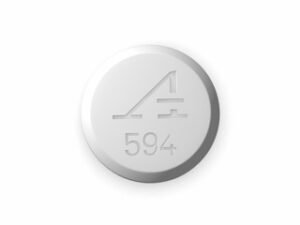
- Common strengths (varies by brand): Tablets are commonly available in 25 mg, 50 mg, and other strengths.
- Drug class: Immunosuppressant (purine synthesis inhibitor / antimetabolite)
- How it’s taken: Usually by mouth, once or more times daily (depending on your regimen).
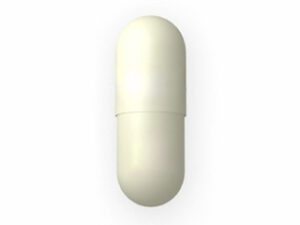
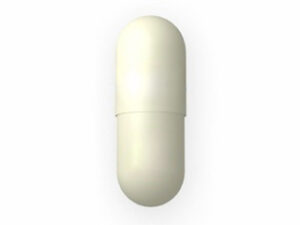
- Typical formulation: Oral tablets (or sometimes other oral forms depending on availability).
Brand names and tablet strengths can differ. Always follow the exact instructions given for your specific product and dose.
How azathioprine works (mechanism of action)
Azathioprine is a “prodrug,” meaning it is converted in the body into active metabolites. The main metabolites interfere with DNA and RNA synthesis in rapidly dividing immune cells. This reduces the proliferation of immune cells and helps to dampen an overactive immune response.
By lowering immune activity, azathioprine can:
- reduce inflammation
- lower immune-mediated damage to tissues
- help maintain disease control over time
What it’s used for (indications)
Azathioprine is used in a range of conditions where the immune system contributes to disease. In Australia, indications may vary depending on specialist assessment and guideline recommendations.
Common uses include:
- Autoimmune hepatitis
- Inflammatory bowel disease (e.g., ulcerative colitis and Crohn’s disease, often as a maintenance option)
- Rheumatoid arthritis (in selected cases, often when other treatments are not suitable)
- Prevention/treatment of organ transplant rejection in combination regimens (specialist-led)
- Other immune-mediated conditions as determined by a specialist
Your doctor may choose azathioprine because it can help control disease long-term while other treatments manage symptoms during the “onset” period.
How quickly it works (timing)
Azathioprine typically does not act instantly. Many people notice benefits only after weeks, and maximal effect may take longer.
- Early response: often within 4–8 weeks (varies)
- Full effect: may take 8–12+ weeks
- Maintenance: once controlled, it is usually continued long-term (as advised)
If you are switching from another medicine, your clinician will guide the transition so disease control is maintained.
Pharmacokinetics (how your body handles azathioprine)
“Pharmacokinetics” describes how a medicine is absorbed, distributed, metabolised, and eliminated. Azathioprine undergoes conversion to active metabolites that can be influenced by genetics and liver function.
Absorption
Azathioprine is absorbed after oral dosing. Individual absorption can vary.
Metabolism
Key points:
- Azathioprine is metabolised mainly in the liver and other tissues.
- Active metabolites are formed via cellular pathways that can be affected by TPMT enzyme activity.
- Some individuals have reduced TPMT function, which increases the risk of toxicity.
Elimination
Metabolites are eliminated primarily via the kidneys and through bile/intestinal routes. The presence of liver or kidney impairment may influence medicine levels and safety monitoring.
Because of these variables, regular blood tests are essential to ensure the medicine is tolerated and is being used safely.
Dosing and how to take azathioprine
Dose decisions are individual and depend on your condition, blood test results, tolerability, age, body weight, and related factors. Your clinician may adjust the dose based on response and monitoring.
Typical dosing approach (general information)
Azathioprine is commonly started at a lower dose and adjusted gradually. A common general pattern is:
- Start low: to reduce risk of side effects
- Adjust based on monitoring: blood counts and liver enzymes
- Maintenance dose: the lowest dose that keeps disease controlled
Practical timing
- Take azathioprine at the same times each day for steady blood levels.
- If prescribed once daily, take it in the morning or evening—choose a time that fits your routine.
- If prescribed twice daily, spread doses evenly (e.g., morning and evening).
What to do if you miss a dose
If you miss a dose:
- Take it when you remember on the same day.
- If it’s close to the next dose, skip the missed dose and continue your schedule.
- Do not take a double dose to make up for the missed one.
If you’re unsure, check the instructions supplied with your medicine or contact your healthcare professional.
Food interactions
Azathioprine may be taken with or without food. For some people, taking it after food or with a snack can reduce stomach discomfort.
- General approach: choose a consistent method (with or without food).
- Gastrointestinal upset: if you experience nausea or stomach upset, try taking it after food (unless your clinician advises otherwise).
Avoid starting new supplements or herbal products without checking compatibility, as they can sometimes affect liver enzymes and bleeding/infection risk.
Alcohol interactions and guidance
Alcohol can affect the liver. Since azathioprine is metabolised partly through liver pathways, drinking alcohol may increase the risk of liver irritation or abnormal liver blood tests.
- Recommendation: discuss alcohol use with your doctor, especially if you have liver disease (e.g., autoimmune hepatitis).
- Caution: keep alcohol intake low or avoid if you have abnormal liver tests.
If you notice symptoms such as unusual fatigue, abdominal pain, dark urine, yellowing of the skin/eyes, or severe nausea, seek medical advice promptly.
Medicine interactions (important)
Azathioprine can interact with other medicines, particularly those that affect bone marrow function, liver metabolism, and infection risk. Tell your healthcare team about all medicines you take, including over-the-counter products and herbal supplements.
Common interaction themes
- Bone marrow suppression risk: medicines that also lower blood cell counts may increase risk of infection, anaemia, or bleeding.
- Liver enzyme effects: drugs that alter liver metabolism can change azathioprine activity.
- Live vaccines: immunosuppression may reduce safety of certain vaccines (see “Vaccines” in safety).
Examples of medicines that may require extra caution
This is not an exhaustive list. Your pharmacist can check interactions for your specific regimen.
- Some allopurinol or febuxostat medicines (used for gout) may strongly affect azathioprine metabolism and require dose changes or avoidance.
- Warfarin (blood thinner) and other anticoagulants may need closer monitoring in some situations.
- Some ACE inhibitors, co-trimoxazole, and other medicines may influence infection risk or blood counts depending on the overall regimen.
- Ribavirin and other antiviral medications can affect tolerance and blood counts in certain contexts.
- Other immunosuppressants and high-dose corticosteroids can add to immunosuppression.
If you are starting, stopping, or changing a medicine, confirm with your pharmacist or prescriber whether monitoring or dose adjustments are needed.
Safety profile and key precautions
Azathioprine can be effective, but it requires careful monitoring due to potential effects on the blood and liver, and because it suppresses parts of the immune response. Many risks are managed through appropriate testing and dose adjustment.
What monitoring is usually required
Monitoring typically includes regular blood tests, often:
- Full blood count (to check white blood cells, red blood cells, and platelets)
- Liver function tests (e.g., ALT/AST and other liver markers)
Frequency can vary depending on your stability, dose, and individual risk factors. Early on, tests are often more frequent; later, they may become less frequent if stable.
TPMT testing (genetic risk)
Some individuals have reduced activity of an enzyme involved in azathioprine metabolism called TPMT. Reduced TPMT activity increases the risk of dangerous bone marrow suppression. TPMT testing may be recommended before starting treatment in many settings.
Common side effects
- Nausea or loss of appetite
- Fatigue
- Diarrhoea (sometimes)
Serious risks (seek medical help urgently)
Contact a healthcare professional urgently if you develop:
- Signs of infection: fever, chills, persistent sore throat, mouth ulcers, or unusual infections
- Signs of low blood counts: unusual bruising, bleeding, severe weakness, or shortness of breath
- Severe allergic reactions: facial swelling, rash with breathing difficulty
- Liver problems: yellowing of eyes/skin, dark urine, severe abdominal pain
Skin and sun safety
Immunosuppressants can be associated with increased risk of certain skin changes over time. Practical steps include:
- Use broad-spectrum sunscreen
- Wear protective clothing and hats
- Check your skin regularly and report new or changing lesions promptly
Vaccines and infection prevention
Because azathioprine reduces immune response, vaccines may have different safety or effectiveness profiles. In general:
- Live vaccines may be unsafe while on immunosuppressive therapy.
- Inactivated vaccines are usually safer, but may be less effective.
Ask your doctor or pharmacist about which vaccines are appropriate for you and when to schedule them.
Practical use tips (day-to-day)
- Stick to your routine: take at the same time each day.
- Attend blood tests: monitoring is essential to reduce complications.
- Track side effects: note new symptoms (especially infection signs) and report them early.
- Medication list: carry an up-to-date list of medicines and allergies.
- Hydration and gut comfort: if you experience stomach upset, consider taking with food.
- Sun protection: use sun-safe habits throughout the year.
If you are managing a chronic condition, consider setting a reminder on your phone for doses and for planned blood tests.
Alcohol and lifestyle considerations
Lifestyle factors can influence overall safety:
- Liver health: limit alcohol and avoid unnecessary liver-stressing products.
- Infection risk: practice good hand hygiene and avoid close contact with people who have contagious illnesses.
- Diet: maintain balanced nutrition; if you have a condition like autoimmune hepatitis or inflammatory bowel disease, follow your specialist dietary guidance.
Alternative options
Depending on your condition and history, your clinician may consider alternatives to azathioprine. Options may include other immunosuppressants or biologic therapies. The “best” option depends on the diagnosis, disease severity, previous treatments, comorbidities, pregnancy plans, and safety profile.
Examples of alternatives (varies by indication):
- Methotrexate (for some autoimmune conditions)
- Mycophenolate mofetil (commonly used in certain transplant/autoimmune settings)
- Biologic medicines (e.g., anti-TNF and other targeted therapies for inflammatory bowel disease or autoimmune disorders)
- Corticosteroids (often used temporarily to control flares while longer-term medicines take effect)
- Other immunomodulators depending on your diagnosis
Discuss alternatives with your specialist. Switching treatments may require careful planning and monitoring.
Azathioprine and pregnancy/breastfeeding (general overview)
Family planning can be an important part of treatment decisions. Guidance may differ based on your specific condition and personal circumstances. If you are trying to conceive, are pregnant, or plan breastfeeding, discuss risks and timing with your doctor as early as possible.
- Some immunosuppressants have specific recommendations regarding contraception and timing.
- Do not stop azathioprine suddenly without medical advice, as uncontrolled disease may also pose risks.
Market and legal context for Australia
In Australia, access to medicines such as azathioprine is regulated under national pharmaceutical and medicines frameworks. Healthcare decisions typically involve coordination between a prescriber and pharmacist, with safety monitoring and appropriate supply arrangements.
Your treating clinician and pharmacist help ensure:
- appropriate suitability for your diagnosis
- baseline and ongoing blood monitoring
- safe dispensing, including verifying dose and interaction risk
Availability may vary by brand, strength, and supply chain. If your usual brand or strength is temporarily unavailable, your pharmacist may suggest an alternative product where appropriate.
Recent guidance and monitoring themes
Ongoing safety monitoring is a cornerstone of azathioprine use. In recent years, routine clinical practice has continued to emphasise:
- Regular blood count monitoring to detect early toxicity
- Liver function tests to monitor hepatic effects
- Risk mitigation for TPMT-related susceptibility (testing and/or careful dosing as advised)
- Infection prevention counselling, including vaccine planning
Because specific recommendations can evolve and vary by indication, always follow the most current plan provided by your treating team.
Delivery and availability (online pharmacy)
We aim to deliver medicines safely and reliably across Australia. Availability depends on stock levels, tablet strength, and brand.
- Shipping: dispatched promptly when your order is confirmed.
- Tracking: your order may include tracking updates where available.
- Packaging: medicines are shipped in appropriate packaging to maintain integrity.
- Substitutions: if a specific brand is unavailable, substitutions may be considered only when allowed and clinically appropriate (subject to pharmacy processes and your instructions).
If you need a specific dose strength urgently, contact customer support so we can help check the fastest available option.
Product comparison table (quick overview)
| Topic | Azathioprine (general information) |
|---|---|
| Primary use | Autoimmune and inflammatory conditions; sometimes transplant-related regimens (specialist-directed) |
| How it works | Reduces immune cell proliferation by interfering with purine/DNA-related pathways |
| Time to benefit | Often 4–8 weeks for early response; maximal effect may take 8–12+ weeks |
| Monitoring | Regular blood counts and liver function tests (schedule varies by individual) |
| Food | May be taken with or without food; food may help stomach upset |
| Alcohol | Can increase liver stress—discuss safe intake, especially with existing liver disease |
| Key safety risks | Low blood counts, liver effects, and increased infection risk |
FAQ
1) Is azathioprine the same as other immunosuppressants?
No. Azathioprine is its own medicine with a distinct mechanism and monitoring requirements. It’s used alongside or instead of other treatments depending on your diagnosis.
2) Why do I need blood tests while taking azathioprine?
Azathioprine can affect bone marrow (blood cell production) and the liver. Regular blood tests help detect problems early and allow dose adjustments to maintain safety.
3) Can I stop azathioprine if I feel better?
Disease control can change over time. Stopping suddenly may lead to flare-ups. If you want to stop or switch treatment, discuss a plan with your specialist and follow their instructions.
4) What should I do if I get an infection while on azathioprine?
Contact your healthcare provider promptly. Do not ignore fever or worsening symptoms. Early assessment helps prevent complications.
5) Will azathioprine affect my immune system so I can’t get vaccinated?
Some vaccines may be unsafe (particularly live vaccines) while you’re immunosuppressed. Many non-live vaccines can still be useful, but their timing and effectiveness may vary. Ask your clinician or pharmacist for vaccine advice.
6) Can I take azathioprine with food?
Yes, it can usually be taken with or without food. If you have nausea or stomach discomfort, taking it after food may help.
7) What medicines should I avoid with azathioprine?
Some medicines can significantly increase azathioprine toxicity or infection/blood count risk. Examples include certain gout medicines (e.g., allopurinol) and other drugs affecting metabolism or blood counts. Always ask your pharmacist to check interactions when starting new medicines or supplements.
8) Is it safe to drink alcohol on azathioprine?
Alcohol can increase liver stress, which may be important if you have liver involvement. Discuss your situation with your doctor, and consider limiting or avoiding alcohol if you have abnormal liver blood tests.
9) Does azathioprine cause hair loss?
Hair thinning can occur with some immunosuppressants, but it is not guaranteed. If you notice significant hair loss, rash, or other concerns, speak to your healthcare provider.
10) What if my prescribed strength isn’t available?
Availability can vary. Contact us so we can check alternative options. Your pharmacist can advise whether a substitute or different strength is appropriate for your situation.
Important: This information is general and may not cover every individual circumstance. Always follow the guidance provided by your healthcare professional, and seek medical advice for concerning symptoms or questions about your treatment.