
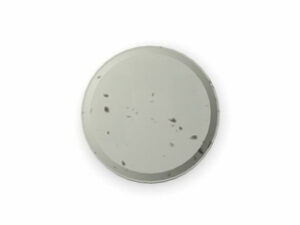
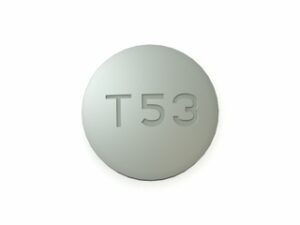
Carbamazepine (Carbamazepine Tablets) — Patient Information
Carbamazepine is a well-established medicine used to treat certain seizure disorders and some nerve-related pain conditions. This guide explains how carbamazepine works, how it’s typically taken, what to expect, and important safety information for people in Australia. Always follow your clinician’s instructions and read the consumer medicine information (CMI) provided with your medicine.
Key Product Information
| Category | Details |
|---|---|
| Medicine name | Carbamazepine |
| Common forms | Tablets (available in immediate-release and, in some brands, modified-release forms) |
| Drug class | Anticonvulsant / anti-epileptic (and also used for neuropathic pain and other specific conditions) |
| How it’s taken | Oral (by mouth); dosing schedule depends on formulation and condition |
| Typical onset of benefit | Seizure control may take days to weeks; pain relief may take days to a couple of weeks |
| Availability in Australia | Generally available through pharmacies; availability and brand/form may vary |
How Carbamazepine Works (Mechanism of Action)
Carbamazepine helps stabilise electrical activity in the brain and nerves. It primarily works by affecting sodium channels in nerve cells. By reducing repetitive firing of overactive nerve signals, carbamazepine can:
- Help prevent certain types of seizures from spreading or recurring
- Reduce abnormal nerve pain signals (particularly in trigeminal neuralgia and some other neuropathic pain states)
- In some conditions, help regulate nerve and muscle activity linked to involuntary movements
Pharmacokinetics (What the Body Does to the Medicine)
Pharmacokinetics describes how carbamazepine is absorbed, distributed, metabolised, and eliminated. Understanding these processes helps explain timing, interactions, and why dosage may be adjusted.
- Absorption: Carbamazepine is absorbed after oral dosing. Food may slightly affect the speed of absorption, but it is generally tolerated with or without food.
- Distribution: It distributes widely throughout the body, including the brain.
- Metabolism: Carbamazepine is processed mainly by liver enzymes (notably CYP3A4). Importantly, it can also induce its own metabolism over time (“auto-induction”), which may reduce levels as treatment continues.
- Active metabolites: Carbamazepine is converted into metabolites (including carbamazepine-10,11-epoxide), which may contribute to effects.
- Elimination: Metabolites are eliminated primarily via the kidneys (in urine) and partly in bile/feces. Elimination half-life may vary, and tends to become shorter after longer-term use due to auto-induction.
Typical Uses in Australia
Carbamazepine is used for specific conditions. The most common indications include:
- Seizure disorders (certain partial/focal seizures and generalised seizure patterns in selected cases)
- Trigeminal neuralgia (nerve pain affecting the face, often severe and triggered by touch or eating)
- Other specialist indications may include certain involuntary movement conditions and other neurologic pain syndromes, depending on clinical judgment and local prescribing practices.
Your exact indication will depend on your diagnosis and response. Do not use carbamazepine for unrelated symptoms.
When to Take Carbamazepine (Timing & Consistency)
Consistent daily timing helps maintain stable medicine levels. Many people take carbamazepine two or three times daily, but the schedule depends on the formulation (immediate-release vs modified-release) and your treatment plan.
- Follow the dosing interval: Try to space doses evenly across the day.
- Morning/evening routine: Choose times that you can maintain long-term.
- Modified-release products: If your product is labelled modified-release, do not crush or split unless instructed.
- Missed doses: If you miss a dose, take it when you remember if it’s not too close to the next dose. If close, skip and resume the usual schedule. Avoid double dosing.
Because carbamazepine can take time to reach full effect and levels may change over weeks, follow up for dose review is important.
Food and Carbamazepine Interactions
Carbamazepine can generally be taken with or without food. Food may slow absorption slightly, which can be helpful if it reduces stomach upset. Practical considerations:
- With food: May reduce nausea or stomach irritation for some people.
- Avoid abrupt changes: Don’t make major changes to eating patterns when you start treatment or when your dose changes, unless advised.
- Grapefruit and grapefruit juice: These may affect drug metabolism. It’s generally safer to avoid grapefruit products unless a healthcare professional confirms it is appropriate for you.
Always check your specific product’s instructions in the CMI for the most accurate guidance.
Alcohol Interactions
Alcohol can increase the risk of side effects such as dizziness, drowsiness, poor coordination, and impaired alertness. Carbamazepine may already cause these effects, particularly during dose changes.
- Avoid or limit alcohol: It’s best to avoid alcohol, especially when starting or increasing dose.
- Driving and machinery: Do not drive or operate machinery if you feel drowsy or unsteady.
- Long-term planning: If you drink alcohol regularly, discuss safe limits with your healthcare professional.
Medicine Interactions (Important)
Carbamazepine can interact with many medicines due to its effects on liver enzymes (it can increase the breakdown of some drugs). It may also be affected by other medicines that change enzyme activity. These interactions can lead to reduced effectiveness or increased toxicity.
The following are examples of medicine categories that commonly require review:
- Other anti-seizure medicines: Levels can change, and some combinations increase risk of side effects.
- Antibiotics and antifungals: Some can raise or lower carbamazepine levels.
- HIV medicines (antiretrovirals): Multiple interaction pathways are possible.
- Antidepressants and antipsychotics: May affect carbamazepine metabolism and/or side-effect profile.
- Oral contraceptives: Carbamazepine may reduce effectiveness of hormonal contraceptives; additional contraception may be needed.
- Blood thinners (anticoagulants): Interactions can affect bleeding or clotting risk.
- Heart rhythm medicines: Some require careful monitoring due to interactions.
- NSAIDs and pain medicines: Some interactions are possible—ask your pharmacist.
Always tell your pharmacist or clinician about all medicines you use including over-the-counter products, vitamins, herbal supplements, and occasional medicines (such as migraine treatments or antibiotics). In particular, avoid starting or stopping medicines without checking first.
If you notice new symptoms after starting carbamazepine or changing another medicine—such as unusual bruising, rash, severe dizziness, worsening seizure control, or signs of infection—seek advice promptly.
Dosing Overview (How Dosage is Approached)
Carbamazepine dosing is individualised. Clinicians often start at a lower dose and gradually adjust based on:
- Your diagnosis and severity
- Age and weight
- Response to treatment
- Side effects experienced
- Concomitant medicines (which may change metabolism)
- Where relevant, blood test results (carbamazepine levels and blood counts)
Because formulations can differ, it’s essential to take the correct strength and schedule from your label and CMI. If you have a modified-release product, do not substitute with an immediate-release product without professional guidance.
Typical dosing pattern (general guidance)
Many adults are treated with divided doses across the day. Pediatric dosing differs and should be determined by a clinician. Your pharmacist can confirm the dosing schedule for your specific product and strength.
Blood tests and monitoring
Monitoring may include:
- Full blood count: To check for rare but serious blood disorders
- Liver function tests: To monitor liver effects
- Sodium levels: Carbamazepine can sometimes lower sodium (hyponatraemia)
- Carbamazepine level (where needed): Especially if there are concerns about adherence, interactions, pregnancy, treatment resistance, or side effects
The monitoring schedule depends on your health profile and the clinical approach in Australia.
Safety Profile (What to Watch For)
Like all medicines, carbamazepine can cause side effects. Many people tolerate it well, but serious reactions can occur. It’s important to understand both common and urgent symptoms.
Common side effects
- Dizziness or light-headedness
- Sleepiness, fatigue, or reduced coordination
- Nausea, vomiting, or stomach upset
- Headache
- Blurred or double vision
- Unsteadiness (especially after dose increases)
Serious side effects — seek urgent medical attention
Contact emergency services or seek urgent medical help if you develop symptoms suggestive of a serious reaction, including:
- Severe skin reactions such as widespread rash, blistering, peeling skin, or sores in the mouth/eyes
- Signs of an allergic reaction such as swelling of the face, lips, tongue, or throat, difficulty breathing
- Fever with rash or severe illness symptoms
- Signs of blood disorders such as unusual bruising, persistent sore throat, or severe infection
- Severe liver problems such as yellowing of the skin/eyes (jaundice), dark urine, severe upper abdominal pain
- Severe or persistent hyponatraemia symptoms such as confusion, severe headache, vomiting, or fainting
Important warnings
- Blood and liver effects: Rare but serious—monitoring may be recommended.
- Drug interactions: Because carbamazepine interacts with many medicines, follow interaction advice carefully.
- Withdrawal: Do not stop suddenly without professional advice; stopping abruptly can worsen seizures.
- Carbamazepine and hypersensitivity risk: People with a history of hypersensitivity reactions to similar medicines may be at higher risk.
Practical Use Tips for Better Tolerability
- Start low, go slow: If you’ve been advised to increase gradually, follow that plan—rapid increases raise side-effect risk.
- Take consistently: Keep dosing times stable each day to help reduce breakthrough symptoms and side effects.
- Be cautious with driving: Dizziness and sleepiness are more likely at initiation or after dose changes.
- Manage nausea: Taking with food may help. Small meals or hydration can also assist.
- Track symptoms: Keep a simple log of seizure activity, pain intensity, side effects, and timing of doses.
- Watch for rash: Contact a healthcare professional promptly if you develop any new rash while starting or adjusting dose.
- Keep a current medicine list: Bring it to appointments, and update it if anything changes.
Alternative Options (If Carbamazepine Isn’t Suitable)
Alternatives depend on the condition being treated (seizures vs nerve pain) and your medical history, including other medicines. Options your clinician may consider include:
For seizure disorders (examples)
- Levetiracetam
- Lamotrigine
- Valproate (in selected patients)
- Oxcarbazepine (closely related for some conditions)
- Topiramate or others, depending on seizure type and tolerance
For trigeminal neuralgia / neuropathic pain (examples)
- Oxcarbazepine
- Gabapentin
- Pregabalin
- Tricyclic antidepressants (selected patients)
- Other specialist options for refractory pain
Do not switch medicines on your own. Each option has its own interaction profile and monitoring needs.
Market & Legal Context for Australia
In Australia, carbamazepine-containing products are regulated medicines and are supplied through licensed pharmacies. Availability, brand selection, and dispensing requirements may vary.
Key points for patients:
- Quality and safety: Medicines supplied in Australia must comply with the regulatory requirements for manufacturing and distribution.
- Pharmacist involvement: Pharmacists play a key role in checking dose, product suitability, and interactions.
- Monitoring and risk management: Ongoing assessment may be recommended because carbamazepine can affect blood counts, liver function, and sodium levels, and it can interact with many medicines.
If you’re buying online, ensure the pharmacy is reputable and complies with Australian requirements for supply and information.
Recent Guidance & Risk Information (Australia-Relevant)
Guidance for carbamazepine continues to emphasise safe use, careful patient selection, and prompt attention to rare serious reactions. Health authorities and clinicians highlight:
- Serious skin reaction vigilance: New rashes—especially early in therapy or after dose changes—should be assessed promptly.
- Interaction awareness: Because carbamazepine can induce liver enzymes, medicine reviews are important whenever starting or stopping other therapies.
- Monitoring: Blood counts, liver function, and sodium may be monitored, depending on risk factors and clinical situation.
- Individual risk factors: Some people have higher risk for adverse reactions based on genetics or prior medicine reactions; clinicians may consider testing or alternative medicines where appropriate.
Your pharmacist and healthcare team can advise on the most up-to-date local recommendations for your circumstance.
Delivery & Availability (Online Pharmacy)
Carbamazepine products are commonly available through Australian pharmacies. For online ordering, availability may vary by:
- Brand and tablet strength
- Immediate-release vs modified-release formulations
- Stock levels in the distribution network
- Prescription or dispensing requirements applicable in your situation
Typical delivery considerations:
- Dispatch times: Orders may be dispatched within 1–2 business days when stock is available.
- Transit times: Delivery timeframes depend on location and courier service.
- Packaging: Medicines are supplied in manufacturer packaging with leaflets and label details.
If you need carbamazepine urgently, contact customer support to confirm stock and estimated delivery times before placing an order.
FAQ — Carbamazepine
1) How long does carbamazepine take to work?
Some people notice changes within days, particularly for nerve pain. For seizure control, improvement may occur over days to weeks. Dose adjustments and medicine interactions can affect how quickly steady benefit is reached.
2) Can I take carbamazepine with food?
Usually yes. Taking it with food may reduce stomach upset. Follow your product label/CMI for specific instructions.
3) What should I do if I miss a dose?
Take it when you remember if it’s not close to the next dose. If you’re near the next scheduled dose, skip the missed dose and resume your normal schedule. Avoid taking a double dose.
4) Is carbamazepine safe to drink alcohol with?
Alcohol can worsen side effects like dizziness and drowsiness. It’s generally best to avoid alcohol, especially at treatment start or after dose increases. Discuss your situation with your pharmacist or clinician.
5) What medicines should I be cautious with?
Carbamazepine can interact with many medicines, including other anti-seizure medicines, antibiotics/antifungals, antidepressants, oral contraceptives, anticoagulants, and some heart rhythm medicines. Always tell your pharmacist about everything you take.
6) Can carbamazepine cause a rash?
Mild rashes can occur, but serious skin reactions are rare and can be dangerous. Any new or worsening rash—especially with fever, blisters, peeling, or mouth/eye sores—needs urgent medical assessment.
7) Why does my dose sometimes change?
Carbamazepine levels and sensitivity can change over time due to metabolism induction. Side effects, seizure/pain control, and interactions may all influence dosing adjustments.
8) Can I stop carbamazepine suddenly?
Do not stop suddenly unless a healthcare professional advises it. Stopping abruptly can lead to worsening seizures and other problems.
9) Does carbamazepine affect contraception?
Carbamazepine may reduce the effectiveness of hormonal contraceptives. If you use contraception, ask your pharmacist or clinician about reliable options and whether additional methods are needed.
10) Where can I find the correct strength and instructions?
Check the carton and label for your tablet strength and dosing directions. The consumer medicine information (CMI) contains detailed guidance for your specific product.