
Imodium (Loperamide) – Relief for Diarrhoea
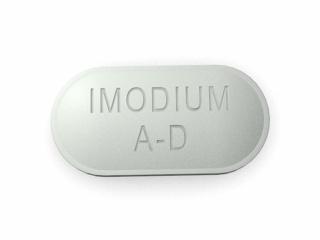
Imodium contains loperamide, an anti-diarrhoeal medicine used to help control diarrhoea by reducing bowel movements. It is commonly used for short-term relief of diarrhoea in adults and children (depending on age and product strengths/brands).
This guide is written for patients and explains how Imodium works, how to take it safely, what to expect, and when to seek medical advice.
Quick facts
- Active ingredient: Loperamide
- Medicinal type: Anti-diarrhoeal (antimotility) medicine
- Common uses: Symptomatic treatment of diarrhoea
- Available forms: Capsules, tablets or liquid depending on the brand/product
- Common setting: Adult and travel-related diarrhoea (when appropriate)
What Imodium is and how it helps
Diarrhoea can be uncomfortable and disruptive. Imodium works by slowing the movement of the intestines, allowing your body more time to absorb fluids and electrolytes from the stool. This helps to:
- Reduce the number of bowel movements
- Make stools firmer
- Relieve urgency to go to the toilet
Imodium is meant for symptom control. It does not treat the underlying cause of diarrhoea (such as infections or inflammation). If diarrhoea is caused by something serious, stopping it without proper evaluation may delay appropriate care.
Mechanism of action
Loperamide is an opioid-like medicine that works locally in the gut. It binds to opioid (mu) receptors in the intestinal wall. This leads to:
- Reduced intestinal motility: the gut moves more slowly
- Increased transit time: allowing more fluid absorption
- Less fluid loss: stools become less watery
Because loperamide acts primarily in the bowel, it is effective for diarrhoea control. However, it must be used carefully and not in certain diarrhoea types (see Safety and when not to use).
Pharmacokinetics (how the body handles loperamide)
While individual absorption and metabolism can vary, the general pharmacokinetic profile of loperamide includes:
- Absorption: Absorbed from the gastrointestinal tract.
- Metabolism: Extensively metabolised in the liver (first-pass metabolism).
- Elimination: Mainly excreted via the faeces and, to a lesser extent, in urine.
- Central nervous system effects: At recommended doses, it has limited penetration into the brain due to transport mechanisms, but overdose or misuse can increase risk of serious adverse effects.
This is one reason it’s important to use the correct dose and avoid exceeding maximum daily limits.
Typical uses and indications
Imodium is indicated for the symptomatic treatment of diarrhoea in people who can safely use an anti-diarrhoeal. In Australia, loperamide-containing products are commonly used for:
- Acute diarrhoea (e.g., sudden onset diarrhoea)
- Diarrhoea associated with diet or short-term causes
- Travel-related diarrhoea where supportive care is appropriate
- Chronic diarrhoea in certain conditions as directed by product information (age and cause matter)
Your product label will specify exact approved indications and age groups. Always follow the instructions on the pack.
When to seek medical advice (important)
Do not rely on Imodium alone if diarrhoea could indicate a serious condition. Seek urgent medical help if you have:
- Blood in stool or black/tarry stools
- High fever (especially persistent fever)
- Severe abdominal pain or a swollen/distended abdomen
- Signs of dehydration such as extreme thirst, dizziness, reduced urination, dry mouth, or lethargy
- Diarrhoea lasting more than 48 hours in adults without improvement
- Diarrhoea in infants/young children—always follow local paediatric guidance and product label
If diarrhoea is due to certain infections or inflammatory bowel conditions, stopping gut movement could be harmful.
Do not use loperamide if:
- There is suspicion of dysentery (e.g., bloody diarrhoea)
- You have high fever with diarrhoea
- You have severe ulcerative colitis flare or suspected inflammatory complications
- It has not been appropriate for the patient’s age as per product directions
How to take Imodium (dosing guidance)
Dosing depends on your age and the product form you’re using (capsules/tablets/liquid). Always check the pack label for the most accurate instructions for your specific product.
Adults and children (general guidance)
Many OTC loperamide products use a “start higher, then adjust” approach for acute diarrhoea. The exact mg amount and maximum daily dose can vary by brand and formulation.
Typical approach (follow your label):
- Start dose: Often given after the first loose stool
- Maintenance: Taken after subsequent loose stools
- Maximum daily dose: Must not be exceeded
- Stop when: Stools firm up and diarrhoea stops
If your product includes specific dosing schedules for children, use them strictly. For children, dosing must be age-appropriate and weight-appropriate where required.
| Patient group | Typical dosing approach | Key safety point |
|---|---|---|
| Adults | Start after first loose stool, then take after subsequent loose stools as directed. Stop when diarrhoea improves or as per label time limit. | Do not exceed the labelled maximum daily dose. |
| Children | Use only if the specific product is approved for the child’s age and follow the exact label. | Seek medical advice if diarrhoea is severe or persistent. |
| Older adults | Generally use the adult dose if appropriate, but be cautious with dehydration and other medicines. | Consider hydration and electrolyte replacement. |
Timing and when the medicine starts working
Imodium usually begins to work within a short time after you take it. Many people notice reduced urgency or fewer bowel movements within hours. The goal is symptom relief while you also focus on hydration.
- Take after loose stool: If you are using a dose after each episode, follow label directions.
- Do not “stack” doses: Avoid taking extra doses to “make it work faster.”
- Stop if it’s not helping: If diarrhoea is not improving after the recommended time on the label, stop and seek advice.
Food interactions
Loperamide can generally be taken with or without food. However, diarrhoea itself can affect absorption and your ability to eat and drink. To support recovery:
- Hydrate first: Use oral rehydration solutions (ORS) where possible.
- Small, bland meals: Foods such as toast, rice, bananas and soup may be easier to tolerate.
- Avoid heavy/fatty foods: These may worsen symptoms in some people.
If you’re vomiting, you may not absorb oral medicines well—consider rehydration strategies and seek advice for persistent symptoms.
Alcohol interactions
There is no specific “hard” interaction between loperamide and alcohol that is universal for all patients, but alcohol can worsen dehydration and gastrointestinal irritation, which may make diarrhoea worse.
- Avoid alcohol: Especially while you have diarrhoea or feel weak.
- Consider your tolerance: If you take other medicines that affect the nervous system or liver, avoid alcohol to reduce risk.
Most importantly, never exceed recommended loperamide dosing—overuse and misuse increase the risk of serious side effects.
Medicine interactions
Loperamide can be affected by other medicines that influence liver metabolism and drug transport. Some interactions can increase loperamide levels in the body, raising the risk of adverse effects, including effects on heart rhythm.
Talk to a pharmacist or doctor if you use any of the following (examples)
- Medicines that inhibit P-glycoprotein (P-gp) or related transport systems
- Certain antifungal medicines and antibiotics that can affect drug metabolism
- Some antidepressants or antipsychotics (depending on product and dose)
- Some heart rhythm medicines or medicines that affect the QT interval
- Other medicines that can cause drowsiness or affect the central nervous system
If you’re unsure, it’s best to ask a pharmacist with your full list of medicines and supplements.
Avoid combining with multiple anti-diarrhoeal products. Using more than one product can increase the dose of loperamide unintentionally.
Practical use tips (how to get the best results safely)
- Focus on rehydration: If diarrhoea is ongoing, use an oral rehydration solution (ORS) rather than relying solely on anti-diarrhoeals.
- Keep track of stool frequency: It helps you judge whether the medicine is working.
- Use the lowest effective dose: Follow the label for each loose stool and maximum daily dose.
- Consider hygiene: Wash hands thoroughly and stay hydrated to reduce spread of infectious diarrhoea.
- Don’t use longer than advised: Imodium is usually for short-term symptom control. If diarrhoea persists, get checked.
- Stop if red flags appear: Blood in stool, fever, severe pain, or worsening symptoms are reasons to stop and seek advice.
Safety profile
Common side effects
Not everyone experiences side effects. Possible effects include:
- Constipation or reduced bowel movements
- Gas (bloating)
- Nausea or stomach discomfort
- Dizziness in some people
Serious side effects (seek urgent help)
Serious harm is rare when used as directed, but risks increase with overdose, misuse, or interactions. Seek urgent medical attention if you experience:
- Fainting, severe dizziness, or palpitations
- Severe abdominal pain or progressive swelling
- Signs of severe constipation or inability to pass stool/gas with pain
- Unusual drowsiness, confusion, or slowed breathing (especially after excessive dosing)
Who should be extra cautious?
- Children: Use only age-appropriate dosing from the specific product label.
- Older adults: Dehydration and medication interactions can increase risk.
- People with liver problems: Metabolism can be affected—ask a pharmacist for advice.
- People taking interacting medicines: Check with a healthcare professional before use.
Safety warnings and “do not use” scenarios
Loperamide is not suitable for every cause of diarrhoea. Anti-motility treatment may be inappropriate when the body needs to expel harmful substances or when there is inflammation or infection requiring specific treatment.
- Do not use if diarrhoea includes blood or is accompanied by high fever.
- Avoid if you suspect a severe infection that needs medical evaluation.
- Use caution if you have inflammatory bowel disease—ask a professional if uncertain.
- Never exceed the maximum dose on the package.
Alternatives for diarrhoea relief
Depending on the cause and severity, there are several alternatives or complementary approaches:
- Oral rehydration solution (ORS): Essential for preventing dehydration.
- Fluid and electrolyte replacement: Water, soups, sports drinks diluted with water, and ORS.
- Dietary measures: Bland foods, avoiding alcohol and very fatty/spicy foods.
- Probiotics: Some people find they help shorten diarrhoea duration, particularly for certain causes.
- Antibiotics: Only appropriate in specific infections and under medical guidance.
- Other anti-diarrhoeals: Options vary by product and indication; pharmacist advice is recommended.
If you’re unsure which approach fits your situation, a pharmacist can help you choose the most appropriate option and advise on safety.
Market and legal context for Australia (general)
In Australia, loperamide products such as Imodium are regulated under the national medicines framework. Many are available through pharmacies and may be classified for OTC (over-the-counter) supply depending on formulation and strength. Supply rules can differ by product type and age group, and labels provide the directions for safe consumer use.
Online pharmacies serving Australia must comply with applicable advertising, information, and supply requirements. You should always read the product label and any consumer medicine information (CMI) provided for the specific brand.
Note: Availability can vary by brand and packaging. If you’re purchasing online, check the product details page for size, strength and form.
Recent guidance (what to prioritise when diarrhoea occurs)
Guidance commonly emphasises hydration and appropriate red-flag assessment. Recent public health messaging for diarrhoea care typically highlights:
- Rehydration is first-line: Use ORS and monitor for dehydration.
- Use anti-diarrhoeals cautiously: They may be inappropriate for blood-stained diarrhoea, fever, or suspected dysentery.
- Seek care if symptoms persist: Ongoing diarrhoea beyond recommended timeframes requires review.
- Infectious spread prevention: Hand hygiene reduces transmission.
Always follow the directions on the package and consult a healthcare professional if you are concerned.
Delivery and availability
Imodium (loperamide) is commonly stocked by Australian pharmacies and may be available online for home delivery. Delivery options, dispatch timeframes and shipping costs vary by retailer.
- Order verification: Online orders typically require basic customer information to confirm suitability.
- Pack size: Check whether you’re purchasing capsules, tablets, or liquid, and the strength (mg per unit).
- Storage: Store according to label instructions (commonly at room temperature, away from moisture and heat).
If you need urgent symptom relief, compare delivery time estimates and consider selecting in-stock items.
FAQ
1) Can I take Imodium for any type of diarrhoea?
No. Avoid Imodium if you have blood in your stool, high fever, severe abdominal pain, or suspected dysentery. Anti-diarrhoeals are for symptom control in appropriate situations. If unsure, check the label and speak with a pharmacist.
2) How fast does Imodium work?
Many people notice improvement within a few hours. The exact timing can vary by person and product form. If diarrhoea is not improving within the labelled timeframe, stop using it and seek advice.
3) Should I drink more water while taking Imodium?
Yes. Imodium helps reduce stool frequency, but it does not replace lost fluids. Hydration with ORS or fluids is important, especially if diarrhoea is ongoing.
4) Can I take Imodium with food?
Usually yes. You may take it with or without food. If diarrhoea affects appetite or you feel sick, focus on sipping fluids and rehydration rather than forcing meals.
5) Is it safe to take Imodium with other medicines?
Many people can, but interactions are possible—especially with medicines that affect liver metabolism or drug transport. If you take regular medications or have other health conditions, consult a pharmacist with your list of medicines.
6) Can I drink alcohol while using Imodium?
It’s best to avoid alcohol during diarrhoea. Alcohol can worsen dehydration and may make symptoms feel worse. Also, never exceed the recommended loperamide dose.
7) What if I have constipation after taking Imodium?
Constipation can occur. Stop using Imodium and drink fluids. If constipation is severe, painful, or you cannot pass gas, seek medical advice.
8) What should I do if diarrhoea lasts longer than 48 hours?
If symptoms persist beyond the recommended period on the label—particularly if you’re not improving—seek medical advice. Ongoing diarrhoea may require investigation or different treatment.
9) Is Imodium suitable for children?
Use only if the specific product is approved for the child’s age and follow the package directions exactly. For young children, diarrhoea can lead to dehydration quickly—seek advice sooner if symptoms are severe.
10) What happens if I take too much loperamide?
Overdose can be dangerous and increases the risk of serious side effects, including heart rhythm problems and severe effects on the nervous system. If you suspect overdose, seek urgent medical help immediately.
Summary
Imodium (loperamide) is a trusted anti-diarrhoeal medicine used for short-term symptom relief of diarrhoea by slowing intestinal movement. When used correctly and in the right situations, it can reduce urgency and make stools less watery. However, it is not appropriate for all causes of diarrhoea. Prioritise hydration, watch for red-flag symptoms, follow the pack directions for dosing, and seek advice if diarrhoea persists or worsens.