
Pentasa (Mesalamine) – Patient-Friendly Guide (Australia)
Pentasa is a brand of mesalamine (also called 5-aminosalicylic acid or 5-ASA). It is commonly used to help manage inflammatory bowel diseases, particularly ulcerative colitis. This guide explains how it works, how it’s used, what to expect, and practical tips to support safe and effective treatment in everyday life in Australia.
1) Basic product information
Active ingredient: Mesalamine (5-ASA)
Brand: Pentasa
Medicine type: Anti-inflammatory bowel medicine (an aminosalicylate)
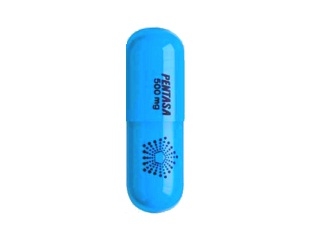
Common forms: Usually available as granules and/or tablets depending on the product strength and formulation.
Where it acts: Primarily in the lining of the bowel.
Brand availability and exact presentation can vary. Your local pharmacist can confirm the specific form and strength supplied to you.
2) What Pentasa does (mechanism of action)
Pentasa works mainly by reducing inflammation in the bowel. While the exact pathway can be complex, mesalamine’s anti-inflammatory effects are thought to include:
- Reducing inflammatory chemicals involved in the bowel’s immune response.
- Antioxidant activity that helps limit tissue damage caused by inflammation.
- Supporting a healthier bowel lining environment, which may improve symptoms and help maintain remission.
Unlike some medicines that broadly suppress immunity, mesalamine aims to deliver anti-inflammatory effects directly within the gastrointestinal tract.
3) How it moves through the body (pharmacokinetics)
The way mesalamine releases from Pentasa formulations is designed to help the medicine act in the bowel. Although individual responses vary, the general pharmacokinetic features include:
- Absorption: A portion of mesalamine may be absorbed through the intestinal wall; however, much of the benefit is local action in the gut.
- Metabolism: Mesalamine is largely converted to metabolites (notably acetyl-5-ASA) in the body and intestinal tissues.
- Distribution: Most activity is within the gastrointestinal tract; systemic levels are generally lower than local bowel concentrations.
- Elimination: The medicine and metabolites are cleared primarily via the kidneys and through bowel elimination.
Because kidney function is important for safe use, clinicians often check kidney function—especially during longer-term therapy.
4) Typical uses (indications)
Pentasa is used to treat and help maintain remission in inflammatory bowel conditions, particularly:
- Ulcerative colitis (mild to moderate disease; used for active disease and maintenance therapy depending on severity)
- Proctitis and left-sided ulcerative colitis (depending on clinical plan)
Your treating healthcare professional will determine the most suitable form, dose, and duration based on your condition, location of disease, and prior response.
5) Timing and how to take Pentasa
Taking Pentasa correctly helps ensure consistent bowel delivery and better symptom control.
- Consistency matters: Try to take doses at the same times each day.
- With or without food: Many people can take Pentasa with food; however, follow the instructions on your specific product pack.
- Complete the course: Even if symptoms improve, mesalamine is often used to maintain remission.
Missed dose: If you miss a dose, take it when you remember unless it’s close to the next dose. Do not take extra doses to make up for a missed one. If you’re unsure, ask your pharmacist.
6) Dosing – common schedules (general information)
Dosing can vary by disease severity, body weight (in children), and product strength. Below are typical dosing ranges used in practice; final dose should follow your clinical plan and the specific product information.
| Condition | Typical dosing approach (adults) | Notes |
|---|---|---|
| Active ulcerative colitis | Often started at higher daily doses, divided across the day | Your prescriber/pharmacist may adjust based on response and tolerance. |
| Maintenance of remission | Daily dose may be lower than for active disease, often divided | Even after symptom improvement, continuing therapy can help reduce relapse risk. |
| Proctitis/left-sided disease | May be treated with targeted regimens depending on location | Some people require different formulations or additional therapies. |
Important: Because different Pentasa formulations (e.g., tablets vs granules) may have different strengths and administration instructions, always use the exact instructions that come with your product.
7) Food interactions and what to watch for
For most people, food does not cause major interactions with mesalamine. However, taking Pentasa as directed can still matter for comfort and consistent daily dosing.
- General advice: Take with a meal if it helps reduce stomach discomfort.
- Hydration: Drink water with your dose unless your product instructions say otherwise.
- Avoid abrupt changes: If you notice symptoms worsen after a certain meal pattern, speak to your pharmacist or doctor.
If you’re using a formulation like granules, product instructions typically specify whether they should be mixed with food or taken directly—follow the pack directions closely.
8) Alcohol and medicine interactions
Alcohol does not have a direct, classic “dangerous interaction” with mesalamine for most individuals. However, alcohol can still affect ulcerative colitis through:
- GI irritation and symptom flare risk (for some people)
- Dehydration and bowel changes
- Impact on overall health and medication adherence
Practical approach: If you choose to drink alcohol, start with small amounts and observe how your symptoms respond. If your bowel disease becomes unstable, consider avoiding alcohol until you’re back in control.
For interactions with other medicines, always keep your pharmacist informed about everything you take, including supplements and “herbal” products.
9) Other medicine interactions to consider
Mesalamine can interact with some medicines, and some interactions are related to kidney function and inflammation balance.
- Nephrotoxic medicines: Combining with medicines that may affect the kidneys can increase kidney risk. Examples include certain non-steroidal anti-inflammatory drugs (NSAIDs) used frequently or in high doses.
- Azathioprine/mercaptopurine: If used together (commonly in IBD care), clinicians may monitor blood counts and liver function.
- Warfarin: Any changes in gut inflammation or medication could affect bleeding risk. If you take warfarin, ask for specific monitoring advice.
This list is not exhaustive. Please consult your pharmacist for guidance based on your full medication list.
10) Safety profile – common and important side effects
Most people tolerate mesalamine well. Like all medicines, Pentasa can cause side effects in some individuals. Below are safety topics to know.
Common side effects
- Headache
- Nausea or stomach discomfort
- Diarrhoea
- Rash or itching (in some cases)
Less common but important risks
- Kidney problems (nephritis): Rarely, mesalamine can affect the kidneys. Symptoms may include reduced urine output, swelling (especially ankles/face), or unusual fatigue. Kidney tests are often used to monitor safety.
- Liver issues: Rarely, abnormal liver function may occur.
- Hypersensitivity reactions: Seek urgent medical advice if you have signs such as facial swelling, severe rash, breathing difficulties, or severe dizziness.
- Worsening colitis symptoms: If symptoms significantly worsen after starting therapy, it may indicate intolerance or disease activity requiring reassessment.
Allergic reaction warning: If you experience severe symptoms (e.g., trouble breathing, swelling, severe rash), seek urgent medical care immediately.
11) Practical use tips for everyday life
- Create a routine: Link doses to daily activities (e.g., breakfast and dinner) to improve consistency.
- Use a medication organiser: Pill boxes or blister packs can help prevent missed doses.
- Follow formulation instructions: Tablets and granules have different administration methods. Always follow the specific product leaflet.
- Track symptoms: Note stool frequency, urgency, blood in stool, abdominal pain, and fatigue. This helps clinicians judge response.
- Hydration and diet: During flares, many people benefit from staying hydrated and eating foods that suit their gut tolerance.
- Keep monitoring appointments: Kidney function and blood tests may be recommended, especially if you’ve been on therapy for some time.
- Don’t stop suddenly: If you need to stop or change, do so with clinical guidance.
12) Alternatives to Pentasa (mesalamine) and other treatment options
If Pentasa isn’t suitable or symptoms are not controlled, there are alternative options. These may include:
- Other mesalamine brands and formulations: Different release profiles, tablets, granules, and rectal therapies may be chosen based on disease location and response.
- Rectal mesalamine: Suppositories or enemas can be useful for proctitis or left-sided disease.
- Other IBD medicines: Doctors may consider corticosteroids for short-term flare control, immunomodulators, or biologic therapies depending on severity.
- Supportive care: Treatment of anaemia, nutritional support, and symptom-focused strategies can improve quality of life.
Your clinician can help choose the most appropriate option based on your specific case, past treatment response, and safety considerations.
13) Market and legal context in Australia (overview)
In Australia, availability and supply of medicines are regulated. In general:
- IBD medicines like mesalamine are supplied through licensed pharmacies in accordance with Australian medicines legislation and pharmacy requirements.
- Pharmacies may require valid prescriber documentation for certain items, depending on product classification and local rules.
- Authorised health professionals can provide tailored advice about suitability, dosing, and monitoring.
Always check the product listing details on the pharmacy website and follow the instructions included with the medicine you receive.
14) Recent guidance and monitoring (practical notes)
Clinical practice in IBD commonly emphasises:
- Ongoing monitoring: Kidney function checks are frequently recommended for patients on long-term mesalamine due to the rare risk of renal adverse effects.
- Review of response: If symptoms do not improve, clinicians may evaluate adherence, correct formulation use, and whether dose adjustments or additional therapies are needed.
- Safety awareness: Reporting new symptoms early supports timely assessment.
Guidance can evolve as new evidence emerges. For the most up-to-date recommendations, it’s best to consult your healthcare team.
15) Delivery and availability (online pharmacy)
Delivery options depend on the online pharmacy’s service area and the product’s supply status. In Australia, you can typically expect:
- Packaged dispatch: Medicines are usually dispatched in protective packaging to reduce damage in transit.
- Tracking: Some services provide tracking once your order ships.
- Delivery times: Vary by state/territory and shipping method.
- Availability updates: Stock status may change; popular strengths or formulations can sometimes sell out.
If you need a specific strength or formulation (e.g., granules vs tablets), select the exact product listed or ask customer support for alternatives that match the intended use.
16) Side-by-side comparison: Pentasa vs other mesalamine options (quick view)
| Option | What it’s typically chosen for | Key practical differences |
|---|---|---|
| Pentasa (mesalamine) | Inflammation control in ulcerative colitis and maintenance in appropriate patients | Formulation determines where/how mesalamine is released in the bowel |
| Other oral mesalamine brands | Same general goals, sometimes with different release profiles | May affect symptom control for certain bowel segments |
| Rectal mesalamine | Proctitis/left-sided disease | Different administration method (suppositories/enemas) |
| Non-5-ASA IBD treatments | When symptoms are moderate-severe or not controlled on mesalamine | Often require different monitoring and medical oversight |
17) Frequently Asked Questions (FAQ)
How long does Pentasa take to work?
Some people notice symptom improvement within days, while others take longer (often several weeks). Maintenance benefit builds over time. If you don’t see improvement, discuss with your healthcare team rather than stopping.
Can I take Pentasa with food?
Many people can take mesalamine with food. Always follow the specific instructions on your pack or the directions given by your pharmacist, because different formulations can have different recommendations.
What should I do if I miss a dose?
Take it as soon as you remember unless it’s nearly time for the next dose. Don’t double up. If you’re unsure, ask your pharmacist for advice based on your schedule.
Does Pentasa cure ulcerative colitis?
Pentasa is designed to reduce inflammation and help control symptoms and maintain remission. Ulcerative colitis is usually a long-term condition, and treatment goals often include preventing flare-ups.
Is it safe to drink alcohol while taking Pentasa?
There is typically no direct dangerous interaction for most people, but alcohol can trigger or worsen bowel symptoms. If you choose to drink, do so cautiously and monitor how you feel.
Do I need blood or urine tests?
Your clinician may recommend periodic monitoring, especially kidney function and sometimes blood tests, depending on your overall health and duration of treatment.
What symptoms mean I should contact a doctor urgently?
Seek urgent medical help if you develop severe allergic signs (trouble breathing, facial swelling, widespread severe rash) or symptoms suggesting kidney problems (e.g., decreased urination, significant swelling, or severe unusual fatigue).
Can Pentasa be used in children?
Mesalamine may be used in paediatric ulcerative colitis in appropriate cases. Dosing must be carefully selected by a healthcare professional based on the child’s age, weight, and condition severity.
What if my symptoms worsen after starting Pentasa?
Worsening symptoms can reflect disease activity, intolerance, or incorrect administration of the formulation. Contact your healthcare team promptly for assessment.
18) Important reminders
- Follow your product instructions: Administration details vary by formulation.
- Don’t stop without advice: Abrupt changes can affect disease control.
- Report side effects early: Especially kidney-related symptoms.
- Keep your healthcare team informed: About other medicines, supplements, and any changes in health.
This page is designed to help you understand Pentasa (mesalamine) in everyday terms. For personal medical advice tailored to your condition, speak with a qualified healthcare professional or pharmacist.