Etoricoxib: Patient-Friendly Guide (Australia)
Etoricoxib is an anti-inflammatory medicine from the coxib (COX-2 selective) group. It is used to reduce pain and inflammation in specific conditions, particularly where inflammatory symptoms are prominent. This guide explains how etoricoxib works, how it is taken, typical timing, food and alcohol considerations, common interactions, practical tips, and what to discuss with your healthcare professional.
This page is designed to be easy to read and helpful. Always follow the instructions provided with your medicine and ask a healthcare professional if you have questions, especially if you have heart, kidney, liver, stomach, or blood-pressure concerns.
Basic product information
| Category | Details |
|---|---|
| Medicine name | Etoricoxib |
| Drug class | Selective COX-2 inhibitor (coxib) |
| Main effects | Reduces pain, inflammation, and fever |
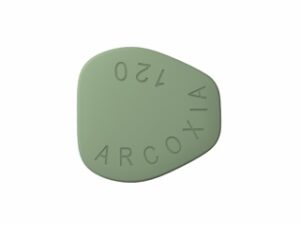
| Common strengths | Available in multiple strengths depending on product (e.g., 30 mg, 60 mg, 90 mg, 120 mg) |
| Dosage form | Tablets |
| Typical course | Condition-dependent (often short-term for flares; sometimes longer for chronic inflammatory disorders) |
In Australia, brands and pack sizes can vary. Your pharmacy label will indicate the strength and dosing instructions for your specific product.
How etoricoxib works (mechanism of action)
Etoricoxib belongs to a class of medicines called COX-2 selective inhibitors. In the body, inflammation-related chemicals are produced through enzymes called cyclo-oxygenases (COX).
- COX-2 is commonly associated with inflammation and pain signaling.
-
By selectively reducing COX-2 activity, etoricoxib can lower the production of prostaglandins, which helps to reduce:
- pain
- swelling (inflammation)
- stiffness
Because etoricoxib is more selective for COX-2 than some traditional NSAIDs, it may have a different stomach side-effect profile. However, it can still carry risks, including gastrointestinal and cardiovascular effects, especially at higher doses or in people at higher risk.
Pharmacokinetics: how the body handles etoricoxib
Understanding pharmacokinetics can help you take the medicine at the right time and recognise how food may affect absorption.
Absorption
After an oral dose, etoricoxib is absorbed and reaches peak blood levels in about 1 hour (approximately 1 hour on average). The onset of symptom relief can vary by person and by condition.
Distribution
Etoricoxib is widely distributed throughout the body and binds to proteins in the blood.
Metabolism
It is mainly metabolised in the liver. The liver’s ability to process the medicine can be influenced by existing liver disease and by some interacting medicines.
Elimination
Metabolites are cleared primarily through the kidneys and partly through other routes. The medicine’s effect generally corresponds to its blood levels over time.
Half-life (duration of action)
Etoricoxib has a long duration of action, which allows for once- or twice-daily dosing for many indications (dose frequency depends on condition and strength).
Typical uses (indications) in everyday terms
Etoricoxib is used to relieve pain and inflammation associated with certain conditions, such as:
- Osteoarthritis (degenerative joint disease; joint pain and stiffness)
- Rheumatoid arthritis (inflammatory joint disease)
- Ankylosing spondylitis (inflammatory back/hip pain)
- Acute gout flares (sudden painful swelling in a joint due to urate crystals)
- Dental pain following dental procedures
The “best” dose and duration depend on your condition, severity, risk factors, and how you respond to treatment.
When and how to take etoricoxib (timing guidance)
Follow the exact timing on your medicine label. As a general guide:
- Once daily or twice daily dosing depends on your prescribed strength and condition.
- Try to take your dose at the same time each day to maintain consistent blood levels.
- If you miss a dose, take it when you remember unless it is close to the time for your next dose—then skip and continue normally. Do not take a double dose.
- For short-term pain (e.g., acute flares), use the shortest duration that controls symptoms, unless your healthcare professional advises otherwise.
Can I take it with other pain medicines?
Many people are able to take paracetamol (acetaminophen) alongside anti-inflammatory treatments for additional pain relief. However, combining medicines should be checked for interactions and total daily dosing limits.
Food interactions
Etoricoxib can generally be taken with or without food.
- Food may not substantially change overall exposure in most cases, so you can choose what best suits your stomach and daily routine.
- If you notice nausea or indigestion, taking it with food may improve comfort for some people.
If you have a sensitive stomach, a history of ulcers, or take other medicines that affect the stomach, it is especially important to get personalised advice.
Alcohol and medicine interactions
Alcohol can increase the risk of stomach irritation and bleeding, and it may worsen certain side effects such as dizziness or nausea. While moderate alcohol may not affect every person in the same way, combining alcohol with anti-inflammatory medicines can be risky—particularly if you:
- drink regularly or heavily
- have a history of stomach ulcers or gastrointestinal bleeding
- take blood-thinning medicines
- use corticosteroids
- take other NSAIDs
Practical tip: If you plan to drink alcohol, consider keeping it low and spacing it away from your dose, and seek advice if you have any risk factors.
Important medicine interactions to know
Etoricoxib can interact with multiple medicines. Not all interactions apply to everyone—your pharmacist can help check your specific list.
Common interaction categories
-
Other NSAIDs (e.g., ibuprofen, naproxen, diclofenac, and aspirin at anti-inflammatory doses):
- Increasing risk of stomach, kidney, and bleeding complications.
- Usually avoid combining unless directed.
-
Blood thinners (e.g., warfarin):
- May increase bleeding risk.
- Monitoring of clotting measures may be needed.
-
Blood pressure medicines (ACE inhibitors, angiotensin receptor blockers, diuretics):
- Some combinations can affect kidney function.
- Blood pressure may become harder to control.
-
Diuretics (“water tablets”):
- May increase the risk of kidney problems in some people.
- Maintain adequate hydration if appropriate.
-
Lithium:
- Levels may increase, leading to toxicity risks.
-
Some anti-epilepsy medicines and rifampicin:
- May reduce or alter etoricoxib levels.
-
Digoxin:
- Potential for increased levels in some situations.
-
Fluconazole and other liver-metabolism affecting medicines:
- May increase etoricoxib exposure.
Tell your pharmacist about all medicines and supplements you use, including over-the-counter pain relief, herbal products, and frequent alcohol intake.
Dosing: general principles and examples
Dosing must be individualised based on the specific condition, severity, and your risk factors. Below are general dosing ranges commonly used; refer to your pack label and local product information for exact dosing.
Important: Do not exceed your prescribed dose and duration. Higher doses and longer use can increase risk.
General dosing overview (may vary by product guidance)
| Condition | Typical frequency | Common dose strengths (example ranges) |
|---|---|---|
| Osteoarthritis | Once daily | ~30 mg or 60 mg |
| Rheumatoid arthritis | Once daily | ~60 mg |
| Ankylosing spondylitis | Once daily | ~60 mg |
| Acute gout flare | Once daily for a short course | ~120 mg |
| Dental pain | Once daily for a short course | ~90 mg (short-term use) |
Who may need a lower dose?
- People with moderate-to-severe liver impairment
- People with higher cardiovascular risk factors
- Older adults who are more sensitive to adverse effects
- Those with kidney impairment or dehydration risk
Your pharmacist or healthcare professional can guide you on the safest dosing plan for your health situation.
Safety profile: what to watch for
Like all anti-inflammatory medicines, etoricoxib can cause side effects. Most people tolerate it, but serious risks can occur in some individuals. The most important safety considerations include cardiovascular, kidney, and stomach/GI risks.
Seek urgent medical help if you experience
- Chest pain, sudden shortness of breath, weakness on one side, or difficulty speaking
- Black/tarry stools, vomiting blood, or severe abdominal pain
- Swelling of the face or throat, trouble breathing, or signs of severe allergy
- Signs of serious skin reactions (e.g., widespread rash with blistering)
- Reduced urination, significant swelling, or sudden weight gain (possible kidney or fluid issues)
Common or generally expected side effects
- Headache
- Stomach discomfort, heartburn, nausea
- Dizziness
- Raised blood pressure
- Swelling due to fluid retention (oedema) in some people
Who should be extra cautious?
- People with a history of heart disease or stroke
- People with uncontrolled high blood pressure
- People with kidney disease
- People with a history of stomach ulcers or GI bleeding
- People with liver disease
Your healthcare team can help weigh benefits versus risks, and select the lowest effective dose for the shortest possible duration.
Practical use tips (to get the best results safely)
- Use the lowest effective dose: If symptoms settle, ask whether dose reduction or stopping is appropriate.
- Monitor blood pressure if you have a history of hypertension, especially in the first weeks of treatment.
- Stay hydrated: Dehydration can increase kidney risk. This is especially important during hot weather or illness.
- Avoid “stacking” NSAIDs: Don’t take additional ibuprofen/naproxen/diclofenac together unless specifically advised.
- Check your medication list: Bring it to your pharmacy visit so interactions can be reviewed.
- Watch for symptom changes: If pain worsens rapidly, or if you develop swelling, breathlessness, or unusual bleeding, stop and seek advice.
- Keep track of response: If there’s no meaningful improvement, discuss with a healthcare professional rather than continuing long-term.
Alternative options (depending on your condition)
Treatment for pain and inflammation can involve medicines from multiple groups, plus non-drug strategies. Options may include:
Other pain-relief and anti-inflammatory medicines
- Paracetamol for pain relief (often used as a baseline analgesic)
- NSAIDs such as ibuprofen or naproxen (noting different risk profiles)
- Topical NSAIDs (useful for some joint pain, with generally lower systemic exposure)
- In some inflammatory conditions: doctors may consider disease-modifying therapies (for rheumatoid arthritis, for example) rather than relying solely on pain relief.
Non-medicine approaches
- Physiotherapy and strengthening exercises
- Weight management (where appropriate)
- Heat/cold therapy
- Joint protection and ergonomic adjustments
- For acute flares: rest and activity modification
If you’re considering alternatives due to side effects or inadequate relief, speak with a healthcare professional to find the safest option for your situation.
Market and legal context in Australia
In Australia, medicines are regulated by the Therapeutic Goods Administration (TGA). Product availability, classification, and prescribing/dispensing requirements depend on the specific medicine and formulation.
For etoricoxib, access and supply are governed by Australian medicines scheduling and the relevant regulatory framework. Pharmacies and healthcare professionals follow local requirements for safe supply, including verification of suitability and patient safety checks.
Recent guidance and safety messages (general)
Coxib-class medicines have been widely assessed for cardiovascular and gastrointestinal risks over time. Australian healthcare communications commonly emphasise:
- Using the lowest effective dose
- Limiting duration to the shortest necessary
- Considering individual risk factors (especially heart disease, stroke history, blood pressure, and kidney function)
- Reviewing concomitant medicines that increase risk (e.g., anticoagulants, other NSAIDs)
Guidance can evolve. Always check the latest product information from your pharmacy or authoritative Australian medicine resources.
Delivery and availability (online pharmacy)
Etoricoxib may be available through Australian pharmacies depending on stock, manufacturer supply, and the product strength you require. Delivery options, dispatch time, and shipping costs vary by provider.
- Order processing: typically includes packaging and pharmacist checks.
- Dispatch: commonly occurs within 1–2 business days (subject to stock and prescription/availability requirements).
- Shipping: options may include standard and express delivery; tracking is usually provided.
- Availability: if your preferred strength is out of stock, you may be contacted about alternatives or restock timelines.
If you require assistance selecting the right strength or have questions about ordering, contact the pharmacy customer service team before placing an order.
FAQ: Frequently asked questions
1) Is etoricoxib the same as ibuprofen or naproxen?
No. Etoricoxib is a COX-2 selective anti-inflammatory (a “coxib”), whereas ibuprofen and naproxen are generally non-selective NSAIDs. They may have different side-effect patterns and dosing instructions.
2) How quickly does etoricoxib work?
Many people notice symptom relief within the first day. The exact timing depends on your condition and dose. Peak blood levels occur in about 1 hour on average.
3) Can I take it with food?
Yes. Etoricoxib can generally be taken with or without food. If you experience nausea or stomach upset, taking it with food may help.
4) Can I drink alcohol while taking etoricoxib?
It’s best to be cautious. Alcohol may increase the risk of stomach irritation and bleeding and can worsen side effects. If you have risk factors (ulcers, blood thinners, frequent alcohol use), seek advice from a healthcare professional.
5) What medicines should I avoid?
Avoid using other NSAIDs (unless specifically advised). Be cautious with blood thinners (e.g., warfarin), certain blood pressure medicines, lithium, and other drugs that may interact. Always check your complete medication list with a pharmacist.
6) Can etoricoxib raise blood pressure?
Yes. Raised blood pressure can occur in some people. If you have hypertension, monitor your readings and seek advice if they increase.
7) Are there kidney risks?
Like other anti-inflammatory medicines, etoricoxib can affect kidney function, particularly in people who are dehydrated or have existing kidney disease. Stay hydrated and discuss any kidney history with your healthcare professional.
8) What if I miss a dose?
Take it when you remember if it’s not too close to the next dose. If it’s near your next scheduled dose, skip the missed dose and continue normally. Do not take a double dose.
9) When should I stop and get medical help?
Seek urgent medical advice for warning signs such as chest pain, stroke-like symptoms, black stools or vomiting blood, severe allergic reactions, or symptoms of serious skin reactions.
10) What are common alternatives if etoricoxib isn’t suitable?
Alternatives depend on the condition and your risk factors and may include paracetamol, topical therapies, non-selective NSAIDs, or different long-term treatments for inflammatory diseases. Your healthcare professional can help you choose the safest option.
Disclaimer: This information is general and intended to support patient education. It does not replace medical advice. If you have concerns about suitability, interactions, or side effects, consult a healthcare professional or pharmacist.