
Feldene® (Piroxicam) – Consumer Medicine Information (Australia)
Feldene® contains piroxicam, a non-steroidal anti-inflammatory drug (NSAID). It is used to relieve pain and inflammation associated with certain arthritic conditions and other musculoskeletal problems. This page explains how Feldene works, how it is used, important safety considerations, and practical tips for getting the best results.
Always read the Consumer Medicines Information (CMI) supplied with your medicine and follow your healthcare professional’s advice.
Quick facts
- Medicine: Feldene®
- Active ingredient: Piroxicam
- Drug class: NSAID (anti-inflammatory pain reliever)
- Common uses: Osteoarthritis and inflammatory arthritic conditions (for example rheumatoid arthritis)
- How it works: Reduces inflammation and pain by affecting prostaglandins
- Typical dosing frequency: Often once daily, depending on the dose prescribed
Basic product information
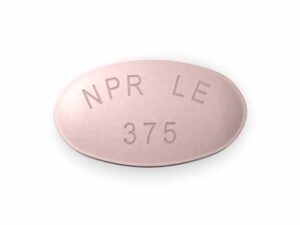
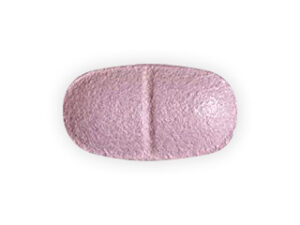
Feldene® (piroxicam) is an NSAID used for conditions where pain and inflammation are key symptoms. It is available in oral forms (commonly tablets, depending on local product presentation).
Brand name: Feldene®
Generic name: Piroxicam
What to expect: Many people notice some symptom relief within days, though full benefit for some conditions may take longer.
Mechanism of action (how it works)
Piroxicam works by reducing the production of prostaglandins—chemicals in the body involved in pain, fever, and inflammation. Like other NSAIDs, it helps block cyclo-oxygenase (COX) enzymes (COX-1 and COX-2), leading to lower prostaglandin levels.
- Anti-inflammatory effect: Helps reduce swelling and stiffness.
- Analgesic effect: Helps relieve pain.
- Antipyretic effect: May reduce fever (less commonly relevant in chronic use).
Pharmacokinetics (absorption, distribution, metabolism, elimination)
Pharmacokinetics describes what the body does to the medicine. While exact values can vary between individuals, the following provides a practical overview of piroxicam’s behaviour in the body.
- Absorption: Piroxicam is absorbed after oral dosing. Peak blood levels typically occur within a few hours, though timing can vary.
- Distribution: It distributes throughout the body and can reach joint tissues where inflammation contributes to symptoms.
- Metabolism: Piroxicam is metabolised primarily in the liver.
- Elimination: Metabolites are eliminated mainly via the kidneys and also through bile/feces pathways.
- Half-life: Piroxicam has a relatively long half-life compared with some other NSAIDs, which is one reason it can be used once daily in many dosing regimens.
Because of its longer duration in the body, it may take time to reach steady effects and, similarly, effects may persist after stopping.
Typical uses and indications (what Feldene is used for)
Feldene is commonly used for painful inflammatory conditions, particularly types of arthritis. Typical indications include:
- Osteoarthritis (degenerative joint disease with pain and stiffness)
- Rheumatoid arthritis (inflammatory arthritis)
- Other inflammatory musculoskeletal conditions as advised by a healthcare professional
Your exact indication will depend on your diagnosis and symptom pattern. Always follow the directions provided with your medication.
How to take Feldene: timing and dosing
Dosing varies by person and by the condition being treated. The information below is general and intended to help you understand common approaches. Your prescribing clinician’s instructions (or the dosing on the product label) are the most important guide.
General dosing principles
- Use the lowest effective dose for the shortest possible time to control symptoms.
- Usually once daily is used due to piroxicam’s longer action.
- Take at the same time each day to help maintain consistent symptom control.
Example timing
- Once-daily schedule: Take your dose at a time that fits your routine (morning or evening), but keep it consistent.
- If stomach upset occurs: Taking with food may help reduce irritation.
Table: Practical dosing examples (illustrative)
| Condition | Common approach | Timing tips |
|---|---|---|
| Osteoarthritis | Often once daily, adjusted to symptom response | Take consistently; consider taking with food if you feel discomfort |
| Rheumatoid arthritis | Once-daily dosing may be used, depending on severity | Track symptom changes over days to weeks |
| Inflammatory musculoskeletal pain (as advised) | Short-term or longer-term use based on clinical need | Use lowest effective dose; review regularly |
Do not change your dose without medical advice. If you miss a dose, follow the product instructions or seek advice—generally, you should not take a double dose to make up for a missed one.
Food interactions: can you take Feldene with meals?
Food can influence comfort and sometimes absorption speed, but piroxicam is generally taken orally and can be taken with food to help reduce stomach irritation.
- Taking with food may help lessen nausea, indigestion, or stomach discomfort.
- Avoid taking on an empty stomach if you are prone to gastric irritation.
- Maintain hydration, especially if you are also taking other medicines that affect kidneys.
If you experience persistent stomach pain, black/tarry stools, vomiting blood, or unusual bleeding, stop and seek urgent medical attention.
Alcohol interactions (and why they matter)
Combining NSAIDs with alcohol can increase the risk of stomach irritation, ulcers, and gastrointestinal bleeding. Alcohol may also worsen dizziness or increase the chance of feeling unwell.
- Limit alcohol while using Feldene.
- Avoid heavy or frequent drinking.
- If you notice stomach symptoms after alcohol, discuss this with a healthcare professional.
Medicine interactions (important)
NSAIDs can interact with many medicines, affecting bleeding risk, kidney function, and blood pressure control. Tell your healthcare professional and pharmacist about all medicines you take, including over-the-counter products and supplements.
Common interaction categories
- Other NSAIDs (for example ibuprofen, naproxen, diclofenac): increases risk of stomach bleeding and kidney effects.
- Aspirin (for pain): may increase bleeding risk; low-dose aspirin used for heart protection should not be stopped without medical advice.
- Blood thinners (anticoagulants) (for example warfarin): increases risk of bleeding.
- Antiplatelet medicines (for example clopidogrel): increases bleeding risk.
- Corticosteroids (for example prednisolone): increases risk of gastrointestinal ulceration and bleeding.
- SSRIs/SNRIs (antidepressants such as sertraline, fluoxetine): may increase bleeding risk when combined with NSAIDs.
- Diuretics and blood pressure medicines (for example ACE inhibitors/ARBs): NSAIDs can reduce kidney function and sometimes reduce blood pressure effects.
- Lithium: NSAIDs may increase lithium levels, raising toxicity risk.
- Methotrexate: NSAIDs can increase methotrexate levels and toxicity risk.
- Some diabetes medicines: monitor if you use insulin or other agents; changes in kidney function may affect control.
- Diuretics, kidney-stressing medicines: the combination may raise risk of kidney injury—extra caution is needed.
Practical advice
- Before starting Feldene, review your current medicines with your pharmacist.
- Check labels: many cold/flu products contain NSAIDs or aspirin—avoid double-dosing.
- Seek urgent advice if you develop signs of bleeding (black stools, blood in vomit, unusual bruising).
Safety profile: who should be cautious?
Like all NSAIDs, piroxicam can cause side effects. Some are common (especially stomach discomfort), while others are rare but serious (such as GI bleeding or kidney problems).
Common side effects
- Indigestion, heartburn
- Nausea
- Abdominal discomfort
- Headache or dizziness (in some people)
Serious side effects (seek urgent help)
- Signs of gastrointestinal bleeding: black/tarry stools, vomiting blood, or severe stomach pain
- Allergic reaction: swelling of face/lips, wheezing, severe rash
- Kidney problems: reduced urination, swelling in legs/feet, sudden weight gain
- Serious skin reactions: blistering or peeling rash
- Chest pain, shortness of breath, sudden weakness (possible cardiovascular event—seek emergency care)
People who may be at higher risk
- History of stomach ulcer or gastrointestinal bleeding
- Older adults
- People with kidney disease or dehydration
- People with uncontrolled hypertension or cardiovascular disease risk factors
- Those taking blood thinners or multiple medicines that affect bleeding
- Those who have asthma that is sensitive to aspirin/NSAIDs
If you fall into any higher-risk group, discuss your risk profile with a healthcare professional before using Feldene.
Practical use tips for best results
- Give it time: For chronic arthritic conditions, benefits may develop gradually. If symptoms do not improve, review with your clinician.
- Track your symptoms: Note pain scores or morning stiffness duration to see whether the medicine is helping.
- Use the lowest effective dose: Avoid taking more than directed to “boost” effect.
- Stay hydrated: Dehydration can increase kidney risk with NSAIDs.
- Protect your stomach: If you experience indigestion, taking with food may help; your pharmacist can advise about protective options.
- Avoid duplication: Do not take another NSAID at the same time.
- Review regularly: Long-term NSAID use should be periodically reassessed.
Alternative options to consider
Depending on your condition and medical history, there may be other approaches to manage pain and inflammation. Alternatives include:
Other NSAIDs
- Different NSAIDs (for example ibuprofen, naproxen, diclofenac) may be used—choice depends on your risk factors and response.
Non-NSAID pain and anti-inflammatory options
- Paracetamol (acetaminophen): can help with pain, though it is not an anti-inflammatory like NSAIDs.
- Topical NSAIDs: for some joint conditions, topical formulations can reduce systemic side effects.
- Physiotherapy and exercise: strengthening and mobility programs can reduce symptoms and improve function.
- Heat/cold therapy: may help during flare-ups.
Other treatments for inflammatory arthritis
- For rheumatoid arthritis and other inflammatory conditions, disease-modifying treatments may be considered by specialist care; NSAIDs generally manage symptoms rather than modify the underlying disease.
Your best alternative depends on your diagnosis, other medical conditions, and the specific risks for you personally.
Feldene in the Australian market: medicine availability & legal context
In Australia, medicines are regulated under the Therapeutic Goods Administration (TGA) framework. The availability of piroxicam-containing products is determined by their scheduling status and clinical guidance.
- Regulatory framework: TGA regulates quality, safety, and advertising of medicines.
- Pharmacist role: Pharmacists provide medication counselling, check interactions, and assist with appropriate use.
- Online pharmacy compliance: Reliable online pharmacies operate with appropriate authorisation and require appropriate identification and ordering workflows per local rules.
Product information on packaging and the CMI remains the authoritative source for your specific formulation and dosing instructions. Always ensure you are purchasing from a legitimate Australian supplier.
Recent guidance & safety messaging (general)
Australian and international guidance consistently emphasises the need for caution when using NSAIDs, particularly in people with:
- Higher risk of gastrointestinal bleeding or ulcers
- Kidney disease, dehydration, or use of medicines that may stress the kidneys
- Cardiovascular risk factors
- Multiple interacting medicines (for example anticoagulants or corticosteroids)
The common theme is to use the lowest effective dose for the shortest duration, and to monitor for side effects. If you are starting Feldene or restarting after a break, discuss your risk factors with a healthcare professional.
Delivery and availability (online pharmacy)
Availability can vary based on stock levels, the specific strength/formulation, and current supply schedules. When ordered from an authorised online pharmacy, your medicine is typically dispatched to the address you provide after payment and verification steps.
- Packaging: Medicines are usually packed to protect from damage during transit.
- Shipping times: Vary by location and courier service; check the estimated delivery window at checkout.
- Cold-chain: Generally not required for piroxicam tablets, but follow any product-specific instructions.
- Returns: Return policies for medicines usually depend on the regulatory and safety requirements—check the pharmacy’s policy.
Tip: If you require the medicine urgently, choose the fastest shipping option available and confirm stock status with the pharmacy.
FAQ
1) What is Feldene used for?
Feldene (piroxicam) is an NSAID used to relieve pain and inflammation, commonly in conditions such as osteoarthritis and rheumatoid arthritis, depending on your diagnosis and clinical assessment.
2) How quickly will Feldene work?
Some people feel relief within a few days. For chronic joint conditions, it may take longer to achieve full benefit. If there is no improvement, speak to your pharmacist or healthcare professional.
3) Can I take Feldene with food?
Yes. Taking Feldene with food can help reduce stomach irritation. If you experience indigestion, taking it with meals may be more comfortable.
4) Should I avoid alcohol?
It’s advisable to limit alcohol while using Feldene. Alcohol can increase the risk of stomach irritation and bleeding when combined with NSAIDs.
5) What should I avoid taking alongside Feldene?
Avoid using another NSAID at the same time (for example ibuprofen or naproxen) unless advised. Be cautious with blood thinners, corticosteroids, and some antidepressants due to increased bleeding risk. Always check with your pharmacist.
6) What are the warning signs of serious side effects?
Seek urgent medical help if you experience black/tarry stools, vomiting blood, severe stomach pain, swelling of the face/lips, wheezing, fainting, or symptoms suggesting kidney problems (such as reduced urination).
7) Can I drive or operate machinery?
Some people may feel dizzy or develop headaches. If you are affected, avoid driving or operating machinery until you know how Feldene impacts you.
8) What if I miss a dose?
Follow the dosing instructions on the medicine label or the pharmacy/pharmacist guidance. In general, do not take a double dose to make up for a missed one.
9) Can Feldene be used long-term?
NSAIDs may be used for longer periods in some conditions, but benefits and risks should be reviewed regularly. People at higher risk of side effects may need closer monitoring or alternative treatments.
10) Are there alternatives if Feldene doesn’t suit me?
Yes. Depending on your condition, alternatives may include other NSAIDs, topical NSAIDs, paracetamol-based strategies, or non-drug measures such as physiotherapy and exercise. Your pharmacist can help discuss options.
Disclaimer: This information is intended to help you understand Feldene (piroxicam). It does not replace medical advice. If you are unsure whether Feldene is right for you, or if you have questions about interactions, ask your pharmacist.