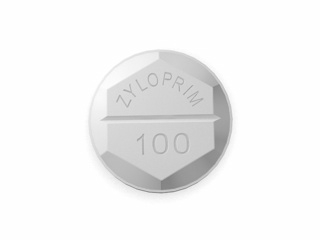

Zyloprim (Allopurinol) — Patient Guide (Australia)
Zyloprim is the brand name for allopurinol, a medicine used to lower the production of uric acid in the body. Lowering uric acid helps reduce symptoms and complications of conditions such as gout and certain types of kidney stones.
This guide is written to be patient-friendly and practical. It explains how Zyloprim works, how it is used, what to expect, and key safety information. Always follow the advice of your healthcare professional and the directions on your medicine label.
Basic product information
- Active ingredient: Allopurinol
- Brand name: Zyloprim
- Common form: Oral tablets
- What it’s for: Managing raised uric acid levels (e.g., gout, urate kidney stones)
- Where available: Available through pharmacies across Australia
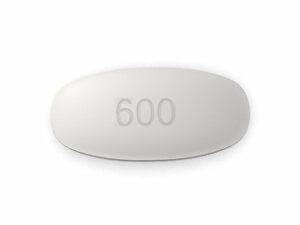
Strengths may vary (commonly 100 mg, 200 mg, and sometimes higher). Check your tablet strength on the package.
How Zyloprim works (mechanism of action)
Allopurinol lowers uric acid by blocking an enzyme called xanthine oxidase. This enzyme helps the body convert purines into uric acid.
By reducing this conversion, allopurinol decreases the amount of uric acid produced. Over time, this can:
- Lower uric acid levels in blood and urine
- Reduce the formation of urate crystals
- Help prevent recurrent gout flares
- Reduce the risk of urate-related kidney stones
Pharmacokinetics (what the body does to the medicine)
Understanding pharmacokinetics can help set expectations about timing and effects. (Individual responses vary.)
- Absorption: Allopurinol is absorbed after oral dosing.
- Metabolism: It is converted in the body to oxypurinol, which also contributes to uric acid lowering.
- Half-life: Oxypurinol has a relatively long half-life, which supports once-daily dosing in many patients.
- Excretion: Both allopurinol and its metabolites are eliminated primarily via the kidneys.
- Accumulation: Because of slower clearance (especially with reduced kidney function), dose adjustments are often needed.
Because oxypurinol persists for some time, urate levels may continue to change for days to weeks after starting or adjusting treatment.
Typical use and indications
Zyloprim is used when uric acid levels are too high and/or when uric acid has caused complications. Common indications include:
Common indications
- Gout: Long-term urate-lowering therapy to reduce recurrence of gout attacks and to prevent tophi (collections of urate crystals under the skin).
- Hyperuricaemia: Elevated uric acid levels that lead to gout or other problems (your clinician will determine whether treatment is appropriate).
- Urate kidney stones: Prevention of recurrent uric-acid/urate stones in appropriate patients.
- Certain high-turnover conditions: Situations that may cause high uric acid production, such as some cancer-related scenarios under medical supervision.
Your healthcare professional may also use allopurinol for other specialist indications depending on your medical history and test results.
Dosing: how it’s commonly prescribed
Dosing depends on your uric acid levels, symptoms, kidney function, and other medicines you take. Many patients start with a lower dose and then adjust gradually to reach a target uric acid level.
Typical approach
- Starting dose: Often lower to reduce the risk of early flare-ups and side effects.
- Titration: Gradually increased if needed to achieve the desired urate reduction.
- Maintenance dose: The lowest dose that keeps uric acid controlled is usually preferred.
How to take it (general guidance)
- Frequency: Usually once daily.
- Consistency: Take it at the same time each day if possible.
- Missed dose: Take it when you remember on the same day. If it’s close to the next dose, skip the missed dose and continue as usual—do not double up.
If you have kidney disease, your clinician may require careful dose adjustment and closer monitoring.
Timing: when you’ll notice changes
Zyloprim is a long-term urate-lowering medicine. It works gradually. This is important for expectations, especially when starting treatment.
- Uric acid reduction: Levels may begin to fall within days, but achieving a stable target can take weeks.
- Gout flare risk early on: Some people may experience gout flares when starting urate-lowering therapy because crystals can shift as uric acid decreases.
- Prevention of flares: Clinicians often consider flare prevention during the initial months, depending on your history and risk factors.
- Long-term benefit: Over time, fewer flares and less joint damage can occur when urate is kept consistently controlled.
Food interactions and dietary considerations
Food generally does not have major direct interactions with allopurinol. However, a sensible diet can significantly support uric acid control and reduce flare risk.
General food and drink guidance
- Hydration: Drink enough fluids to help maintain urine volume (unless you have fluid restrictions).
- Limit alcohol: Alcohol—especially beer and spirits—can raise uric acid and trigger flares.
- Reduce high-purine foods: Some purine-rich foods may increase uric acid, including certain organ meats and some seafood. Balance these with overall health needs.
- Watch sugary drinks: Soft drinks and sugary beverages can be associated with higher uric acid.
- Weight management: Gradual weight reduction (if appropriate) can help; avoid crash dieting.
If you follow dietary advice for gout or kidney stone prevention, it often complements the effect of allopurinol.
Alcohol interactions
Alcohol does not usually have a direct “chemical” interaction with allopurinol, but it can have clinical effects that make gout harder to control.
- Trigger risk: Alcohol can increase uric acid production and decrease excretion in some people.
- Flare risk: Drinking alcohol is a common trigger for gout attacks.
- Practical approach: If you have gout, aim to limit alcohol as much as possible and avoid binge drinking.
If you’d like, tell your pharmacist about your typical alcohol intake so they can help you plan a safer strategy.
Interactions with other medicines
Allopurinol can interact with several medicines. Some interactions increase the risk of side effects, including bone-marrow suppression or serious skin reactions. Always keep your medication list up to date for your pharmacist and prescriber.
Examples of important interactions
| Medicine (examples) | Why it matters | What to do |
|---|---|---|
| Azathioprine | Allopurinol can increase levels of azathioprine metabolites, raising toxicity risk. | Dose adjustments are often required; only change therapy with clinician guidance. |
| Mercaptopurine | May increase risk of severe bone-marrow suppression. | Often requires major dose reduction and monitoring. |
| Warfarin | May affect bleeding risk via changes in metabolism or sensitivity in some patients. | More frequent INR checks may be needed when starting or changing doses. |
| Thiazide diuretics (e.g., hydrochlorothiazide) | Can increase uric acid levels, potentially reducing gout control. | Your clinician may review diuretic choice and manage gout therapy accordingly. |
| Chlorpropamide | Increased risk of prolonged low blood sugar in some circumstances. | Monitor glucose closely; discuss risk with your healthcare professional. |
| ACE inhibitors and some other blood pressure medicines | Some regimens can affect kidney function and uric acid handling. | Regular monitoring is important, especially if you have kidney disease. |
This is not a complete list. Tell your pharmacist or doctor about:
- All prescription and over-the-counter medicines
- Vitamins and herbal products (including “natural” gout remedies)
- Recent changes to medications
- Any history of medication allergies
Safety profile: what to watch for
Like all medicines, Zyloprim can cause side effects. Most people tolerate it well, especially with correct dosing and gradual titration. However, rare but serious reactions can occur.
Common or less serious side effects
- Nausea or stomach upset
- Mild diarrhoea
- Headache
- Skin rash (may range from mild to severe)
Serious side effects (seek urgent medical help)
Contact a healthcare professional urgently or seek emergency care if you develop any signs of a serious reaction, such as:
- Severe skin rash, blistering, peeling skin, or sores in the mouth or eyes
- Fever with rash
- Swelling of the face, lips, or throat, or trouble breathing
- Signs of liver or blood problems (unusual bruising, persistent sore throat, yellowing of skin/eyes)
- Worsening kidney symptoms (reduced urine output, severe pain)
Early recognition is important. If you have ever experienced a serious skin reaction to allopurinol, you should not take it again unless specifically advised by a specialist.
Who may be at higher risk?
- People with kidney impairment
- People taking interacting medicines
- Those with certain genetic risk factors (your clinician may consider testing depending on circumstances)
- Older age and presence of other conditions can increase vulnerability
Practical use tips
- Keep regular blood tests: Your doctor may monitor uric acid levels, kidney function, and sometimes full blood counts and liver tests, especially after dose changes.
- Don’t stop suddenly: If you stop, uric acid can rise again and symptoms may return.
- Expect early variability: Some patients notice flares in the first months; follow your plan for flare management.
- Hydrate sensibly: Adequate fluids can support kidney stone prevention.
- Take it the same way each day: Consistent daily dosing improves results.
- Report new rashes immediately: A rash can be mild, but it should not be ignored.
If you are planning surgery, have an infection, or are starting a new medication, check in with your pharmacist about whether any changes are needed.
Alternative options
Depending on your diagnosis, uric acid level, kidney function, and history of gout flares, there are alternative approaches that may be considered.
Non-medicine and lifestyle approaches
- Diet and hydration adjustments to reduce gout triggers
- Weight management (when appropriate)
- Reducing alcohol, particularly beer and spirits
- Reviewing medicines that may raise uric acid (under clinician guidance)
Other urate-lowering medicines (examples)
- Febuxostat: Another xanthine oxidase inhibitor; suitability depends on your medical profile.
- Probenecid: Helps increase uric acid excretion; not appropriate for everyone, especially with certain kidney issues.
- Uricosuric or specialist options: In select cases, specialists may consider different strategies such as uricase therapies (usually reserved for particular circumstances).
Choice of alternative depends on your risk profile, kidney function, cardiovascular history, and response to treatment. Discuss options with your clinician.
Market and legal context in Australia
In Australia, availability and pharmacy supply rules are set under national medicines legislation and state/territory arrangements. Allopurinol products such as Zyloprim are widely used and stocked through authorised channels.
Medicines classification and dispensing requirements can vary by product type, strength, and intended use. Pharmacy teams follow Australian regulatory requirements for supply and counselling, including verifying patient details and appropriate use.
If you have questions about eligibility, availability, or product strength, a pharmacist can assist.
Recent guidance and care standards
Clinical recommendations in Australia generally emphasise:
- Long-term urate lowering for patients with gout who meet clinical criteria
- Target-based treatment (aiming for sufficiently low urate levels to prevent flares and crystal formation)
- Careful starting strategies to reduce early flare risk
- Monitoring for kidney function and safety, particularly after dose changes
- Individualised decisions based on co-morbidities and medicine interactions
Guidance may be updated over time based on new evidence. Your healthcare professional can provide the most current recommendations relevant to your situation.
Delivery and availability (Australia)
Zyloprim (allopurinol) is commonly available in Australia through pharmacies and pharmacy e-commerce services where permitted. Availability can vary by tablet strength and pack size.
- Stock status: Some strengths may be more commonly stocked than others.
- Substitutions: If an exact brand/strength is unavailable, a pharmacist may advise alternatives consistent with regulations.
- Delivery times: Delivery timing depends on your location and courier schedules.
When ordering online, ensure your selected strength matches the dose your doctor/pharmacist advised. If you are unsure, contact customer support or speak to a pharmacist before proceeding.
FAQ — Zyloprim (Allopurinol)
1) What is Zyloprim used for?
Zyloprim (allopurinol) is used to lower uric acid levels and help manage gout, prevent gout complications, and reduce the risk of urate-related kidney stones in suitable patients.
2) How long does Zyloprim take to work?
Uric acid levels can begin to fall within days, but noticeable benefits and stable control typically take weeks. Some people experience gout flares early in treatment, so flare prevention strategies may be considered.
3) Will I have gout attacks when I start?
It’s possible. Lowering uric acid can cause crystal movement, which may trigger flares in the beginning. Your healthcare team may help reduce this risk with additional measures during the early phase.
4) Can I take Zyloprim with food?
Yes, Zyloprim can usually be taken with or without food. If it upsets your stomach, taking it after food may help. Follow the product label and your clinician’s advice.
5) Does alcohol affect allopurinol?
Alcohol may not interact directly with the medicine, but it can worsen gout by raising uric acid and triggering flares. Limiting alcohol is strongly advisable for many people with gout.
6) What should I do if I miss a dose?
Take it when you remember unless it’s near the time of your next dose. Do not double up. If you’re unsure, ask your pharmacist for guidance.
7) Is it safe to stop taking Zyloprim once I feel better?
Usually, urate-lowering therapy needs to continue long term to keep uric acid under control. Stopping can lead to uric acid rising again and recurrence of symptoms. Discuss any changes with your healthcare professional.
8) What side effects should concern me?
Seek urgent help for serious signs such as severe rash, blistering/peeling skin, fever with rash, breathing difficulty, facial swelling, or signs of blood/liver problems. Mild stomach upset may occur, but a new rash should be assessed.
9) Do I need blood tests?
Many patients require monitoring, especially after starting or adjusting dose. Tests may include uric acid level, kidney function, and sometimes blood counts and liver tests.
10) What are the alternatives if Zyloprim doesn’t suit me?
Alternatives may include other urate-lowering medicines such as febuxostat or different strategies depending on your diagnosis and kidney function. The best option depends on your medical history and response.
Disclaimer: This information is intended for general education and does not replace advice from a qualified healthcare professional. If you have specific concerns about your dose, interactions, or symptoms, consult your doctor or pharmacist.