

Cefpodoxime (Cefpodoxime proxetil) — Patient Information for Australia
Cefpodoxime is an antibiotic medicine used to treat certain bacterial infections. It belongs to the cephalosporin family. This page explains what cefpodoxime does, how it works, how it’s usually taken, key safety information, and practical tips for using it effectively in Australia.
Always read the consumer medicine information (CMI) provided with your product and follow the instructions from your treating clinician or pharmacist. If you have questions about whether cefpodoxime is suitable for you, speak with a healthcare professional.
Quick overview
- Medicine name: Cefpodoxime (usually cefpodoxime proxetil)
- Type: Oral cephalosporin antibiotic
- Common uses: Some bacterial throat, ear, sinus, chest and urinary infections (depending on local prescribing guidance)
- How it works: Stops bacteria from building their protective cell wall
- Availability in Australia: Commonly supplied through pharmacies as oral tablets or oral suspension (brand names vary)
Basic product information
Cefpodoxime is an antibiotic that targets bacteria. In the body, cefpodoxime proxetil is converted into the active form, cefpodoxime, which then helps treat susceptible infections.
How it is commonly presented
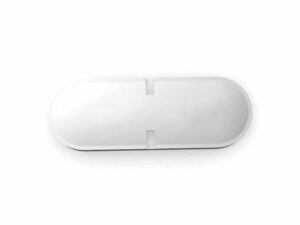
- Tablets (strengths vary by product)
- Oral suspension (for children and people who cannot swallow tablets)
Strengths, tablet sizes, and suspension concentrations vary. Check your specific product label or the CMI for exact details.
Mechanism of action (how cefpodoxime works)
Cefpodoxime works by interfering with bacterial cell wall formation. Bacteria rely on a sturdy cell wall to survive and multiply. Cefpodoxime binds to penicillin-binding proteins (PBPs), which are involved in constructing and maintaining the cell wall.
When PBPs are blocked, bacteria cannot form a functional cell wall, leading to bacterial death. Cefpodoxime is effective against susceptible bacteria—it will not work against viruses such as the common cold or influenza.
Pharmacokinetics (how the body handles cefpodoxime)
Understanding pharmacokinetics can help you take the medicine at the right time and with the right food routine. The key points below are general; your product label and clinician instructions take priority.
Absorption
- Cefpodoxime is absorbed from the gut after taking the medicine by mouth.
- Food can influence absorption; see the food interaction section for practical guidance.
Distribution
- Cefpodoxime distributes into body tissues and fluids to reach sites of infection.
- Penetration varies by tissue type.
Metabolism and elimination
- Cefpodoxime is not significantly metabolised; it is primarily eliminated through the kidneys.
- In people with reduced kidney function, the dosing interval may need adjustment.
Onset and duration
- Many people start to feel improvement within 24–48 hours, but finishing the full course is important even if symptoms improve.
- If there is no improvement after a couple of days, contact your clinician or pharmacist for advice.
Typical use in Australia
Cefpodoxime may be used to treat bacterial infections where it is considered appropriate based on local prescribing practices and suspected/confirmed causative organisms. Common examples (not exhaustive) can include:
- Ear infections (otitis media)
- Sinus infections (sinusitis)
- Throat infections (pharyngitis/tonsillitis) caused by susceptible bacteria
- Chest infections in selected cases (e.g., some forms of bronchitis or pneumonia depending on severity and organism)
- Urinary tract infections (UTIs) caused by susceptible organisms
- Skin and soft tissue infections in certain situations (depending on local guidance)
The decision to use cefpodoxime depends on the infection type, likely bacteria, local antibiotic-resistance patterns, allergies, kidney function, and patient factors.
Indications (when cefpodoxime is considered)
Cefpodoxime is indicated for bacterial infections that respond to cephalosporin antibiotics. Your healthcare professional may base the choice of antibiotic on:
- Symptoms and clinical examination
- Whether infection appears bacterial rather than viral
- Past antibiotic use and risk of resistant bacteria
- Any known allergies (especially to cephalosporins or penicillin)
- Suspected or confirmed culture results, if available
Antibiotics should not be used for viral illnesses. Using an antibiotic when it is not needed can increase antibiotic resistance and cause avoidable side effects.
How to take cefpodoxime (timing and dosing)
Dosing depends on the infection being treated, the severity, age, body weight (for children), and kidney function. The information below is general; follow your product label and healthcare professional instructions.
Typical schedule
- Cefpodoxime is often taken twice daily (e.g., morning and evening), but some regimens differ.
- Try to space doses evenly across the day.
- Take at the times prescribed so antibiotic levels remain effective.
Dose timing examples
- If prescribed twice daily: take one dose in the morning and one dose in the evening at roughly 12-hour intervals.
- If prescribed differently: follow the specific instructions you were given.
How long to take it
- The course length depends on the infection and response to treatment.
- Continue the full course unless your clinician advises stopping.
- Stopping early may allow the infection to return or worsen.
Missed dose
- Take the missed dose as soon as you remember.
- If it is close to the next dose, skip the missed dose.
- Do not take double the dose to make up for a missed dose.
Practical dosing tips
- Use a timer or phone reminder to help with consistent dosing.
- If you miss a dose and feel unsure, contact your pharmacist for personalised advice.
Food interactions (what to take with meals)
Food can affect how much cefpodoxime your body absorbs. In many cases, cefpodoxime is better tolerated and may be absorbed more reliably when taken with food. Always follow the instructions on your product label.
General guidance
- Take with food if your label says to. This may help reduce stomach upset for some people.
- If your label does not specify food instructions, ask your pharmacist whether taking with meals is recommended for your exact product.
Keep your routine consistent
- Try to take each dose the same way (with the same meal pattern each day).
- If you experience nausea, taking with food (if allowed) may improve comfort.
Alcohol and medicine interactions
Cefpodoxime is not known to have a classic “disulfiram-like” reaction with alcohol. However, combining antibiotics with alcohol can still be unhelpful:
- It can worsen side effects such as nausea, dizziness, or stomach upset.
- It may slow recovery and affect hydration, sleep, and nutrition.
Practical recommendation
- If you choose to drink alcohol, do so in moderation and avoid binge drinking while you’re unwell.
- If you feel worse after drinking, stop and seek advice if symptoms are significant.
Also check any other medicines you’re taking (including pain relief and supplements) for interactions. If you are unsure, ask your pharmacist.
Safety profile (side effects and when to seek help)
Like all medicines, cefpodoxime can cause side effects. Many people experience none or only mild, short-lived effects. The list below is not exhaustive.
Common side effects
- Diarrhoea or loose stools
- Nausea
- Abdominal pain or indigestion
- Headache
- Vaginal or oral thrush (yeast overgrowth) in some people
- Rash (mild skin reactions can occur)
Less common but important risks
- Allergic reactions including swelling, hives, or breathing difficulties
- Severe diarrhoea (especially if watery and persistent, or with blood/mucus)
- Clostridioides difficile infection (a serious antibiotic-associated diarrhoea)
- Severe skin reactions such as blistering or peeling skin
- Kidney or liver issues (uncommon; seek advice if you develop unusual symptoms)
Seek urgent medical help if
- You develop swelling of the face/lips, wheezing, severe shortness of breath, or collapse
- You develop severe watery diarrhoea, diarrhoea with blood, fever, or severe abdominal cramps
- You have a severe widespread rash, skin blistering, or peeling
Allergy considerations
- If you have ever had an allergic reaction to cephalosporins, tell your pharmacist or clinician before using cefpodoxime.
- If you have a history of serious penicillin allergy, discuss risk factors with your healthcare professional.
Kidney function
- Cefpodoxime is cleared mainly via the kidneys.
- If you have kidney disease or reduced kidney function, dosing adjustments may be necessary.
Practical use tips (get the best results)
- Take it consistently: keeping doses evenly spaced helps maintain effective antibiotic levels.
- Finish the course: even if symptoms improve, don’t stop early unless advised.
- Hydrate: drink plenty of fluids, especially if you have fever or mild diarrhoea.
- Manage diarrhoea carefully: mild changes can occur, but severe or persistent diarrhoea needs medical review.
- Use supportive care: pain and fever can often be managed with appropriate non-antibiotic medicines as advised by your clinician.
- Be alert to allergy symptoms: seek help quickly if you develop hives, facial swelling, or breathing problems.
For parents and caregivers (children)
- Use the measuring device included with the suspension if available, rather than household spoons.
- Shake the suspension well if the label instructs you to.
- Confirm the correct dose volume (mL) for your child’s weight and the prescribed strength.
Alternative options (what may be used instead)
Alternatives depend on the infection, suspected bacteria, local resistance patterns, allergy history, and patient factors (such as kidney function). Healthcare professionals may choose different antibiotics such as:
- Other beta-lactams (e.g., amoxicillin or other cephalosporins) when appropriate
- Macrolides (e.g., azithromycin) for some respiratory infections or penicillin allergy scenarios
- Doxycycline or other agents for specific bacterial infections (depending on age and indication)
- Narrower-spectrum choices when culture results identify a specific susceptible organism
For viral illnesses, supportive care rather than antibiotics may be appropriate. If you’re considering an alternative, speak with a clinician or pharmacist to discuss suitability and safety.
Delivery and availability in Australia
Cefpodoxime is typically available through Australian pharmacies, and supply may vary by brand and formulation (tablets vs suspension). Online pharmacies can often deliver to eligible areas across Australia, subject to local regulations and ordering conditions.
Delivery timing: delivery times vary by provider and location (metropolitan vs regional/remote). You’ll usually see an estimated dispatch and delivery window at checkout.
- Stock availability: some strengths or suspension volumes may be temporarily limited.
- Product verification: always check the label for the strength and formulation you ordered.
- Storage: follow the storage instructions on the packaging and keep out of reach of children.
Market and legal context for Australia
In Australia, antibiotic medicines are regulated and supplied according to therapeutic goods and pharmacy requirements. Availability and how cefpodoxime is supplied can vary depending on:
- Formulation (tablet vs suspension)
- Strength and pack size
- Local pharmacy supply arrangements
- State/territory regulatory requirements
Pharmacies and online dispensers follow Australian healthcare and prescribing standards to support safe use of antibiotics. If you’re unsure about whether cefpodoxime is appropriate for your specific situation, consult a healthcare professional.
Note: This page is general information intended to help patients understand how cefpodoxime is used and what to consider. It does not replace medical advice.
Recent guidance and antibiotic stewardship (what to expect)
Antibiotic stewardship is strongly emphasised in Australia. Current best practice focuses on:
- Only using antibiotics when bacterial infection is likely
- Selecting the narrowest effective antibiotic when possible
- Using the correct dose and duration
- Avoiding unnecessary antibiotic use to reduce resistance
If your symptoms suggest a viral illness, your clinician may recommend supportive treatment instead of antibiotics. If you were advised to take cefpodoxime, it is because the likely cause is bacterial or susceptible to antibiotic therapy.
Interactions with other medicines
Cefpodoxime can interact with certain medicines or supplements. Some interactions may affect absorption or increase side effects. Tell your pharmacist about all medicines you use, including:
- Other antibiotics
- Antacids and acid-reducing medicines
- Probiotics (often safe, but check for timing advice)
- Iron supplements (some oral formulations may affect absorption for certain antibiotics—confirm for your product)
- Warfarin or other anticoagulants (monitoring may be needed)
- Medicines that affect kidney function
If you’re taking multiple medicines, ask your pharmacist how to space doses to reduce interaction risk.
Dosing details (general reference)
Dosing must be individualised. Below is a general reference format to help you understand what influences dose selection. For exact dose instructions, rely on your product label and clinician instructions.
| Factor that affects dose | Why it matters | What to do |
|---|---|---|
| Infection type and severity | Different infections may require different dosing strategies. | Follow the prescribed regimen for your diagnosis. |
| Age and weight (especially children) | Children are often dosed by weight. | Use the correct strength and measure with an appropriate syringe/device. |
| Kidney function | Reduced kidney function can increase antibiotic levels. | If you have kidney disease, your dose may need adjustment. |
| Allergy history | Allergic reactions can be serious. | Tell your pharmacist if you’ve reacted to penicillins or cephalosporins. |
| Concomitant medicines | Some medicines can alter absorption or risk of side effects. | Provide your full medication list to your pharmacist. |
What to expect during treatment
- Symptom improvement: many people improve within 1–2 days, but complete resolution may take longer.
- Course completion: finishing the full treatment helps prevent relapse.
- Side effects: mild stomach upset or diarrhoea can occur early.
- Monitoring: contact your clinician if symptoms worsen or do not improve.
When to contact a clinician promptly
- Fever persists beyond the expected timeframe
- New or worsening pain, shortness of breath, or spreading infection
- Severe diarrhoea or signs of dehydration
- Signs of allergic reaction (hives, facial swelling, breathing difficulty)
FAQ — Cefpodoxime
1) Is cefpodoxime effective for colds and flu?
No. Colds and flu are usually caused by viruses. Antibiotics like cefpodoxime only work against susceptible bacteria. If symptoms are viral, supportive care is typically recommended.
2) How soon will I feel better?
Many people feel some improvement within 24–48 hours. If you do not improve after a couple of days, contact your clinician or pharmacist for advice.
3) Can I take cefpodoxime with food?
Often it is recommended to take cefpodoxime with food to improve absorption and reduce stomach upset. Follow your product label or pharmacist instructions.
4) What if I miss a dose?
Take it when you remember unless it is close to the next dose. Don’t take a double dose to compensate.
5) Can I drink alcohol while taking cefpodoxime?
Moderate alcohol may not directly interact in a classic way, but alcohol can worsen nausea or dizziness and may slow recovery. It’s best to limit alcohol while you’re unwell.
6) What side effects are most common?
Common side effects include diarrhoea, nausea, abdominal discomfort, headache, and sometimes rash. Mild effects often settle, but severe symptoms should be assessed promptly.
7) When should I worry about diarrhoea?
Seek urgent medical advice if you have severe watery diarrhoea, diarrhoea with blood or mucus, fever, or severe abdominal cramps—especially if it occurs during or after antibiotic treatment.
8) Can cefpodoxime be used if I’m allergic to penicillin?
People with penicillin allergy may still be able to use some cephalosporins, but the risk depends on the type and severity of the previous reaction. Discuss allergy history with your clinician or pharmacist.
9) Is cefpodoxime safe in kidney disease?
Because cefpodoxime is cleared by the kidneys, dose adjustments may be needed. If you have kidney disease, speak with your pharmacist or clinician before starting.
10) What are practical tips if I’m taking a suspension?
Shake well if instructed, measure accurately using the provided device, and confirm the volume (mL) matches the prescribed dose.
References and additional support
For Australian-specific product details, always refer to the Consumer Medicines Information (CMI) for your exact cefpodoxime brand and formulation. If you are unsure about dosing, interactions, or side effects, your local pharmacist can help.