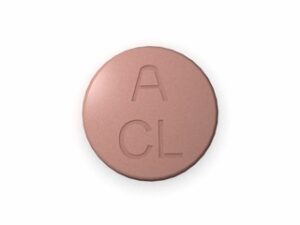
Altace (Ramipril) — Patient Information (Australia)
Altace is a brand of ramipril, a medicine commonly used to treat conditions affecting the heart and blood vessels. This guide explains how Altace works, how it is usually taken, possible side effects, important interactions, and practical tips for day-to-day use.
Always read the consumer medicine information (CMI) included with your product and follow your clinician’s advice.
Quick Facts
- Generic name: Ramipril
- Drug class: ACE inhibitor (Angiotensin-Converting Enzyme inhibitor)
- Uses: High blood pressure, heart failure, and protection for certain cardiovascular conditions
- How it works: Helps relax blood vessels and reduces strain on the heart
- Common dosing pattern: Often once daily (depending on condition and formulation)
- Key cautions: Kidney function changes, high potassium, pregnancy risk, and interactions with certain medicines
Basic Product Information
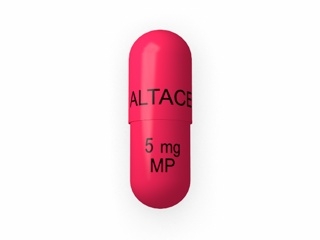
Altace contains ramipril, an ACE inhibitor. It is available in tablet form in several strengths (product strength and appearance vary by market supply).
In Australia, ramipril is used widely for cardiovascular and kidney-related conditions. Your local packaging and CMI will provide the exact strength and dosing instructions for the specific product you receive.
What to expect
- Blood pressure may start to lower within hours, but the full effect can take days to weeks.
- Heart protection benefits often develop over weeks to months with continued treatment.
How Altace Works (Mechanism of Action)
Ramipril belongs to a class of medicines called ACE inhibitors. ACE (angiotensin-converting enzyme) helps make a hormone called angiotensin II, which narrows blood vessels and can increase blood pressure.
Altace helps by:
- Blocking ACE → less angiotensin II is produced
- Blood vessels relax → blood pressure lowers
- Reduced fluid retention → the heart may face less strain
- Improved cardiovascular strain profile in certain high-risk patients
In some people, ACE inhibitors also increase bradykinin, which contributes to beneficial effects but may increase the likelihood of dry cough.
Pharmacokinetics (Absorption, Metabolism, and Elimination)
Understanding how ramipril moves through the body can help you take it correctly.
Absorption and activation
- Ramipril is absorbed after swallowing and is converted in the body to its active form (ramiprilat).
- Peak activity typically occurs within hours after a dose (timing can vary between individuals).
Distribution
- The active metabolite distributes into body tissues involved in blood vessel and cardiovascular regulation.
Metabolism and elimination
- Ramiprilat is mainly eliminated through the kidneys.
- If kidney function is reduced, the dose may need adjustment and blood tests may be more frequent.
Half-life and dosing
- Ramipril has a dosing schedule designed to maintain adequate inhibition of ACE over 24 hours for many patients.
- Clinicians often start at a low dose and adjust gradually to improve tolerability and safety.
Typical Use and Indications in Plain Language
Altace is used to treat and help prevent serious cardiovascular outcomes. It may be considered for:
- High blood pressure (hypertension): Helps lower blood pressure to reduce the risk of stroke, heart attack, and kidney complications.
- Heart failure: Helps relieve symptoms and improve survival in selected patients.
- After certain cardiovascular events: May be used to reduce the risk of future cardiovascular events in higher-risk individuals (for example, people with prior myocardial infarction or other established cardiovascular disease, depending on clinical assessment).
- Diabetic kidney protection: In some patients with diabetes and kidney risk, ACE inhibitors may help slow progression of kidney disease (exact criteria depend on clinical evaluation and lab results).
Note: The exact indication depends on your personal medical history, blood pressure, kidney function, and other risk factors.
When to Take Altace (Timing & How to Use)
Altace is commonly taken once daily. Some people may take it twice daily depending on the dosing plan.
General timing tips
- Choose a consistent time each day to help you remember.
- If you notice dizziness soon after taking it, your clinician may recommend taking it at night (follow local medical advice).
- Many people take it with or without food, depending on what suits their stomach.
What to do if you miss a dose
- If you miss a dose, take it as soon as you remember.
- If it is close to your next dose, skip the missed dose and resume your usual schedule.
- Do not double up unless advised by your clinician.
Food Interactions (Can You Take It With Meals?)
Altace can generally be taken with or without food.
- Some people find taking it with food reduces mild stomach discomfort.
- Swallow the tablet with water. If you struggle with swallowing, ask a pharmacist about options for your specific tablet strength and product formulation.
Practical note: Maintaining consistent intake patterns (food and drink) can help you monitor how you feel while adjusting to the medicine.
Alcohol and Medicine Interactions
Alcohol
Alcohol can sometimes increase the chance of low blood pressure, which may cause dizziness, light-headedness, or fainting—especially when first starting Altace or when your dose is increased.
- If you drink alcohol, keep intake moderate and pay attention to symptoms.
- Be cautious with driving or operating machinery if you feel unwell after alcohol.
Interactions with other medicines and supplements
Some interactions may significantly affect safety or effectiveness.
Be particularly careful with:
- Potassium supplements and potassium-containing salt substitutes: can increase the risk of high potassium (hyperkalaemia).
- Diuretics (water tablets), especially potassium-sparing types (e.g., spironolactone, eplerenone): may increase potassium; monitoring is important.
- Other blood pressure medicines: combined effects can lead to lower blood pressure, dizziness, or fainting in some people.
- NSAIDs (anti-inflammatory pain medicines such as ibuprofen and naproxen): regular or high-dose NSAID use may worsen kidney function and reduce antihypertensive effect.
- Medicines that affect kidney function: changes in kidney performance may alter safe ramipril dosing.
- Medicines affecting renin-angiotensin system (e.g., some ARBs): combining can increase risk of kidney problems and high potassium in many situations.
- Lithium: can increase lithium levels; requires careful monitoring.
- Trimethoprim (some antibiotics): may increase potassium risk when used with ACE inhibitors.
Always tell your pharmacist and clinician about all medicines you take, including over-the-counter products, herbal remedies, and supplements.
Dosing (Typical Approaches and Safety Principles)
Dose selection depends on your condition, kidney function, blood pressure, and how you tolerate the medicine. Clinicians typically use a start low and go slow approach for safety.
General principles
- Initial dosing: Often starts at a low dose to reduce the chance of side effects such as dizziness.
- Titration: Dose may be increased gradually based on blood pressure and blood test results (especially kidney function and potassium).
- Kidney impairment: May require dose adjustment and closer monitoring.
- Older adults: May be more sensitive to blood pressure changes; monitoring is important.
Typical timing (example patterns)
- Once daily dosing is common for many indications.
- Your clinician will specify exact strength and timing for your plan.
Do not change your dose without medical guidance.
Safety Profile (What to Watch For)
Most people tolerate Altace well, but like all medicines, it can cause side effects. Some effects are more common at the start or after dose increases.
Common or expected side effects
- Dry cough (often persistent)
- Dizziness, light-headedness (especially when standing)
- Fatigue
- Headache
- Low blood pressure
Important potential risks (contact a clinician promptly)
- High potassium (hyperkalaemia): may cause muscle weakness, abnormal heart rhythm, or may be detected on blood tests.
- Kidney function changes: blood tests may show rising creatinine or reduced kidney filtration.
- Angioedema: swelling of the face, lips, tongue, or throat, or difficulty breathing is an emergency.
Serious reactions — seek urgent help
- Signs of angioedema: swelling of the face/lips/tongue, throat tightness, or breathing difficulty.
- Fainting or severe dizziness.
- Signs of severe allergic reaction (hives, swelling, breathing trouble).
Who needs extra monitoring
- People with kidney disease
- People with diabetes
- People taking medicines that can raise potassium
- People at risk of dehydration (e.g., vomiting, diarrhoea, excessive sweating)
Practical Use Tips
1) Keep up with blood tests
ACE inhibitors can affect kidney function and potassium levels. Your clinician may request blood tests after starting and after dose changes.
- Typical monitoring includes kidney function (creatinine/eGFR) and potassium.
- Follow the schedule in your care plan.
2) Rise slowly
If you feel dizzy when standing:
- Move slowly from lying to sitting to standing
- Sit for a moment before standing
- Stay hydrated unless you’ve been told to restrict fluids
3) Manage cough thoughtfully
- A dry cough can occur with ACE inhibitors.
- If cough is persistent or bothersome, speak with your clinician. Alternative options (including switching classes) may be considered.
4) Stay cautious during illness
If you develop vomiting or diarrhoea or are unable to drink normally, dehydration can increase the risk of kidney problems while on ACE inhibitors. Contact your clinician for advice during significant illness.
Alternative Options to Consider
If Altace is not suitable due to side effects, interactions, or other medical reasons, alternatives may include medicines in related classes. Options vary by indication and individual risk.
Examples of alternative classes
- ARBs (Angiotensin Receptor Blockers): Similar cardiovascular benefits; may have a lower chance of causing cough in some people.
- Calcium channel blockers: Often used for hypertension.
- Diuretics: Common in blood pressure management and certain heart failure regimens.
- Beta-blockers: Used in heart conditions, often alongside other therapies.
Important: Switching medicines should be guided by a clinician, particularly for heart failure and kidney protection plans.
Market and Legal Context in Australia (General Overview)
In Australia, medicines containing ramipril are regulated under the Australian regulatory framework for prescription medicines. Availability through online pharmacies is typically subject to applicable Australian requirements, including identity and eligibility checks and provision of product information.
Pharmacy support: Australian pharmacists can provide advice about safe use, interactions, and managing side effects.
Recent Guidance and Ongoing Clinical Considerations
Clinical practice evolves as new evidence becomes available. Recent decades have reinforced the importance of:
- Regular monitoring for kidney function and potassium after starting or changing ACE inhibitor doses.
- Careful selection of dosing for people with kidney impairment, dehydration risk, or multiple medications.
- Avoiding inappropriate combinations that raise potassium or strain kidneys.
- Pregnancy prevention: ACE inhibitors are generally contraindicated during pregnancy.
For the most current national recommendations, consult your clinician and Australian medicine information resources.
Delivery and Availability (Australia)
Availability varies by pharmacy network and stock levels. If you are purchasing online, delivery options and timeframes depend on location and the pharmacy’s dispatch process.
What to check before ordering
- Strength and quantity match your usual product
- Expiry date and packaging condition
- Delivery address and any required verification steps
Storage: Store tablets according to label directions (generally at room temperature, protected from moisture and heat). Keep out of reach of children.
FAQ — Frequently Asked Questions
1) What is Altace used for?
Altace (ramipril) is used to treat high blood pressure and to help manage certain heart and cardiovascular conditions. It may also be used to lower the risk of future cardiovascular events in people at higher risk, depending on their health profile.
2) How quickly will I feel it working?
Blood pressure may start to reduce within hours, but the full effect can take several days to weeks. If used for heart protection, benefits build over time.
3) Can I take Altace with food?
Yes. Altace can usually be taken with or without food. If you feel any stomach discomfort, taking it with meals may help.
4) Should I drink alcohol while taking ramipril?
Moderate alcohol may be possible for some people, but alcohol can increase the risk of low blood pressure and dizziness. Avoid alcohol if it worsens symptoms, and seek advice if you are unsure.
5) What medicines commonly interact with Altace?
Important interaction categories include potassium supplements (or salt substitutes), NSAIDs used regularly, lithium, certain diuretics, and other medicines that can affect kidney function or potassium levels. Always confirm with a pharmacist.
6) Why do I get a dry cough?
ACE inhibitors can cause a dry, persistent cough in some people due to increased bradykinin activity. If cough becomes troublesome, contact your clinician to discuss options.
7) Is it safe if I have kidney problems?
Ramipril can be used in kidney-related care in selected patients, but dose and monitoring must be tailored. Kidney function tests and potassium checks are especially important.
8) What blood tests are needed?
Typically, blood tests monitor kidney function and potassium levels, particularly after starting and after each dose change.
9) Can Altace be taken during pregnancy?
ACE inhibitors are generally not recommended during pregnancy due to risk to the unborn baby. If you are planning pregnancy or think you may be pregnant, seek medical advice urgently.
10) What if I miss a dose?
Take it when you remember unless it’s close to the next dose. Skip the missed dose if near the next one, and do not double up.
Helpful Summary Table
| Topic | Key points for patients |
|---|---|
| Drug name | Altace (ramipril) |
| Class | ACE inhibitor |
| Main benefit | Relaxes blood vessels, lowers blood pressure, reduces cardiac strain, and supports cardiovascular risk reduction |
| Typical schedule | Often once daily; follow your prescribed/tailored regimen |
| Food | Usually can be taken with or without food |
| Alcohol | May increase risk of dizziness/low blood pressure; use caution |
| Monitoring | Kidney function and potassium are commonly monitored after starting and dose changes |
| Common side effect | Dry cough |
| Serious warning | Angioedema (facial/lip/tongue swelling or breathing trouble) — emergency |
| Important cautions | High potassium risk; avoid inappropriate potassium supplementation; pregnancy risk (contraindicated) |
Disclaimer: This information is general and intended to help you understand Altace (ramipril). It does not replace advice from a clinician or the official consumer medicine information provided with your product. If you experience severe symptoms, seek urgent medical attention.