Imiquimod (Imiquimod cream) – Patient-Friendly Guide (Australia)
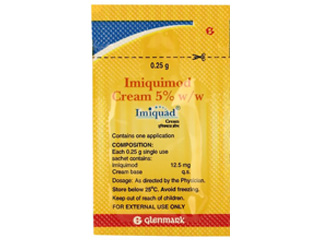
Imiquimod is a topical medicine used to treat certain skin conditions. It works by stimulating the immune system in the skin to help your body fight unwanted or abnormal cells. This guide explains how imiquimod works, how it is used, what to expect during treatment, and important safety information—written to be clear and practical for everyday use in Australia.
Important: Always follow the instructions provided with your specific product and any advice from your healthcare professional. Different strengths and treatment schedules may apply depending on the condition being treated.
Basic product information
- Active ingredient: Imiquimod
- Form: Usually a cream (topical)
- Strengths: Commonly available in creams such as 5% (and may vary by indication and product brand in Australia)
- How it’s used: Applied to the affected skin area only
- Who it’s for: People with specific skin conditions where imiquimod is an appropriate option
How imiquimod works (mechanism of action)
Imiquimod is an immune response modifier. After you apply it to the skin, it binds to immune receptors (particularly toll-like receptor 7) on certain immune cells in the skin.
This triggers the release of immune signalling chemicals (including interferons and other cytokines). These immune signals help:
- Encourage local immune activity in the treated area
- Reduce the presence of certain abnormal skin lesions
- Support the clearance of some viral lesions by strengthening the immune response
It is not a painkiller and does not “freeze” or “burn” tissue directly. Instead, it changes how your immune system responds in the skin.
Pharmacokinetics (what the body does with it)
Because imiquimod is applied to skin, only a small amount is typically absorbed into the bloodstream. Most of the medicine acts locally.
- Absorption: Generally limited systemic absorption through intact skin
- Metabolism: Metabolised in the body into inactive substances
- Excretion: Inactive metabolites are removed mainly via the kidneys (urine)
In practical terms, this means systemic side effects are less common than local skin reactions—though sensitivity can still occur.
Typical uses in Australia (indications)
Indications vary depending on product strength and local approvals. In Australia, imiquimod is commonly used for:
- External genital warts (caused by human papillomavirus)
- Superficial skin lesions, including certain types of actinic keratosis (sun-induced skin changes) where topical immune therapy is appropriate
- Other selected superficial conditions depending on brand and indication
Your pharmacist or healthcare professional can confirm which condition your particular imiquimod product is intended for.
Timing & how to use imiquimod (practical step-by-step)
Imiquimod schedules differ by condition, but the key practical approach is similar: apply a thin layer to clean, dry skin, allow it to work, then wash it off if the product instructions require.
General routine (commonly followed)
- Choose the time: Many regimens are once daily or several nights per week. Use the schedule you were instructed to follow.
- Wash hands: Wash before and after applying.
- Clean the area: Wash the affected skin with mild soap and water, then pat dry.
- Apply a thin layer: Apply a small amount to cover the affected area (and sometimes a small margin of surrounding skin, as directed).
- Let it work: If advised for your product, leave it on for a specific number of hours (often overnight).
- Remove as instructed: Wash off with water after the required time period.
Dosing schedules (examples)
Schedules can differ depending on the condition. Below are example schedules used in common clinical practice; your exact directions may differ.
| Condition (common) | Typical schedule (example) | Course duration (example) | Notes |
|---|---|---|---|
| External genital warts | Usually 3 nights per week or as directed | Often up to several weeks | Apply only to wart areas as directed; expect local redness |
| Actinic keratosis (certain cases) | Often once daily several times per week | Typically limited to a defined treatment period | Visible healing may take weeks after treatment ends |
| Other superficial lesions | Schedule depends on product/indication | Course length depends on response | Follow the exact instructions supplied with your product |
Do not: change the frequency or duration without advice. If symptoms worsen significantly or you develop severe skin reactions, contact your healthcare professional promptly.
What to expect during treatment
Imiquimod commonly causes local skin reactions as the immune response ramps up. Mild reactions may be expected, and the treated area can look irritated.
- Common: redness, burning, itching, swelling, mild crusting or flaking
- Sometimes: erosion, pain, scabbing or blister-like changes
- Healing phase: after stopping treatment, skin may take time to return to normal
If you develop symptoms that are severe, spreading rapidly, or accompanied by fever, seek medical advice.
Food interactions
Because imiquimod is applied to the skin and has limited systemic absorption, food interactions are not expected. However, if you experience mouth/throat irritation (rare) or notice unusual side effects, seek advice.
As with any medication, it’s still sensible to follow your clinician’s or pharmacist’s advice and maintain normal diet and hydration unless told otherwise.
Alcohol interactions
There are no widely established direct alcohol interactions with topical imiquimod. Because systemic absorption is limited, alcohol is not generally expected to change how it works.
That said, alcohol may worsen dehydration, sleep quality, or skin irritation in some people. If you notice that alcohol makes your skin symptoms feel worse, consider reducing or avoiding it during treatment.
Medicine interactions (including other topical products)
Interactions depend mainly on local use. The most important considerations are other products you apply to the same area.
- Avoid mixing with other irritating topicals: Try not to apply other creams, gels, or antiseptics to the same area unless your clinician instructs you to.
- Be cautious with barrier products: Some moisturisers or dressings may reduce contact of imiquimod with the skin if applied too close to the treatment time.
- Tell your pharmacist about all medications: Include prescription and non-prescription medicines, and any immune-suppressing therapy.
If you are using other therapies for the same condition (e.g., physical removal methods, different topical agents), confirm the plan to avoid overlapping treatments.
Safety profile & side effects
Most side effects are local and relate to the expected immune activity. Still, it’s important to know the signs that require medical attention.
Common side effects
- Skin redness (erythema)
- Itching or burning sensation
- Swelling or tenderness
- Crusting, flaking, or mild erosions
- Dry skin or peeling
Less common / serious warning signs (seek medical advice)
- Severe burning or pain preventing normal activities
- Large areas of intense irritation or blistering
- Signs of infection (increasing warmth, pus, worsening pain, fever)
- Allergic-type reactions (widespread rash, hives, swelling of face/lips, breathing difficulty)
- Eye involvement (accidental contact near eyes)
Pregnancy & breastfeeding (general guidance)
If you are pregnant or breastfeeding, discuss the risks and benefits with a healthcare professional before using imiquimod. Because treatment is local, systemic exposure is generally low, but decisions should be individual.
- Avoid applying to areas that could expose an infant directly.
- Follow product instructions carefully and seek advice for genital use where applicable.
Driving & machine use
Imiquimod is unlikely to affect driving or operating machinery because it is topical. However, severe discomfort could indirectly affect concentration.
Practical use tips (to improve effectiveness and comfort)
- Use at the same time each day or on scheduled nights: Consistency helps you follow the intended regimen.
- Thin layer only: More cream does not necessarily improve results and may increase irritation.
- Wash hands after application: Prevents accidental transfer to eyes or other body parts.
- Avoid contact with eyes, lips, inside the nose, and open wounds: These areas can be very sensitive.
- Wear loose clothing: Especially for genital areas to reduce friction.
- Consider simple moisturisers for surrounding unaffected skin: Only if allowed and if they do not interfere with treatment timing.
- Don’t “over-treat”: If you miss a dose, don’t double up—continue as scheduled unless told otherwise.
- Expect improvement over time: Some lesions may look worse before they improve due to inflammation.
- Keep follow-up appointments: Your clinician may assess response after the treatment course.
Alternative options
Treatment choices depend on the specific condition, location, lesion number/size, and your skin sensitivity. Alternatives may include:
- Other topical treatments (depending on diagnosis and availability)
- Procedural treatments such as cryotherapy, curettage, or surgical removal for selected lesions
- Watchful waiting with monitoring for certain low-risk lesions (only when appropriate)
- Combination approaches (e.g., topical therapy plus procedural management) if advised
Your pharmacist or clinician can discuss the most suitable option based on your individual situation.
Market and legal context in Australia (high-level overview)
In Australia, medicines are regulated by the Therapeutic Goods Administration (TGA). Product availability, indications, and pack strengths are determined by approved labels and clinical use.
Availability through online pharmacies may depend on whether the item is supplied:
- As an over-the-counter item, where applicable; or
- Through prescriber-authorised supply models where required by Australian regulatory classification and product status.
For the most accurate guidance, check the specific product listing for current Australian supply details and requirements.
Recent guidance & practical updates (what to consider)
Clinical practice can evolve as new evidence emerges. Commonly reinforced points include:
- Follow the exact regimen: Over- or under-use may reduce effectiveness or increase irritation.
- Assess response after completion: Lesions often take time to clear; decision-making is based on follow-up assessment.
- Sun protection for sun-related conditions: If treating actinic keratosis or similar lesions, strict sun protection is essential to reduce recurrence.
- In genital warts: Partner communication and safer sex practices are important, because transmission risk relates to HPV presence.
If you have questions about your individual condition, consult a healthcare professional for tailored advice.
Delivery, availability & what to check when ordering online
Online pharmacy availability depends on stock levels and current product supply in Australia. Typical considerations when ordering imiquimod include:
- Product strength and pack size: Ensure you select the correct cream strength intended for your condition.
- Expiry date: Check the expiry date on the outer packaging if provided.
- Storage: Store according to the label (typically at room temperature and away from excessive heat).
- Shipping location: Delivery times vary by region; check the online pharmacy’s delivery estimates.
- Discreet packaging: Many pharmacies offer discreet outer packaging for privacy.
If you need help choosing the right product, contact customer support or speak with a pharmacist via the pharmacy’s standard service options.
Frequently Asked Questions (FAQ)
1) When will I see results?
Some improvement may be seen during treatment, but clearance of lesions can take time. In many cases, it may take several weeks after finishing the course for the skin to fully settle and for results to be clear.
2) Is irritation normal?
Mild to moderate redness, itching, burning, and crusting can be expected. Severe pain, rapidly spreading irritation, blistering, or signs of infection should be assessed by a healthcare professional.
3) Should I cover the area after applying?
Follow your product instructions. Some regimens may not require dressings, while others may require specific approaches. Avoid occlusion (airtight covering) unless told to do so by your clinician or indicated on the product instructions.
4) Can I use moisturiser?
You may apply moisturiser to nearby unaffected skin if it does not interfere with the treatment schedule. Avoid applying moisturiser directly over imiquimod-treated areas at the wrong time, as it may reduce contact with the skin.
5) What should I do if I miss a dose?
Apply when you remember only if it’s close to your scheduled time and the product instructions allow it. Generally, don’t double up to make up for a missed application; continue the schedule as directed.
6) Can I shave the area?
Avoid shaving over the treated area during active irritation if possible. Shaving can worsen inflammation and increase discomfort. If you must do hair removal, wait until the skin has healed and consult your healthcare professional for advice.
7) Can I have sex during treatment for genital warts?
For genital conditions, consider safer sex practices and discuss timing with your healthcare professional. Imiquimod may cause skin irritation, and condoms may be affected by some topical products. If you use condoms, check how the specific cream interacts with latex and follow your clinician’s advice.
8) Will imiquimod prevent recurrence?
Imiquimod can help clear certain lesions, but it may not fully prevent recurrence. Ongoing monitoring and, for sun-related lesions, strict sun protection are important.
9) Can I stop early if the lesions look better?
It’s usually important to complete the course you were advised, even if lesions appear to improve early. Stopping too soon can reduce effectiveness. If you’re considering stopping due to side effects, speak with a healthcare professional.
10) Who should not use imiquimod without medical advice?
Seek medical advice before using imiquimod if you have a history of significant allergic reactions to similar medicines, active skin infections at the treatment site, or if you are pregnant or breastfeeding.
Summary
Imiquimod is a topical immune-response medicine used for selected skin conditions such as external genital warts and certain superficial skin lesions. It works locally by stimulating immune signalling in the skin. While local irritation is common, severe reactions or signs of infection require medical assessment. Following the correct schedule, applying a thin layer to clean dry skin, and avoiding irritant products on the treated area can help you get the best results.
If you’re unsure which schedule applies to your condition or you have questions about side effects, speak with a pharmacist or healthcare professional.